What Is a SaaS Company? Simple Definition & Business Model Explained
By
Liz Fujiwara
•
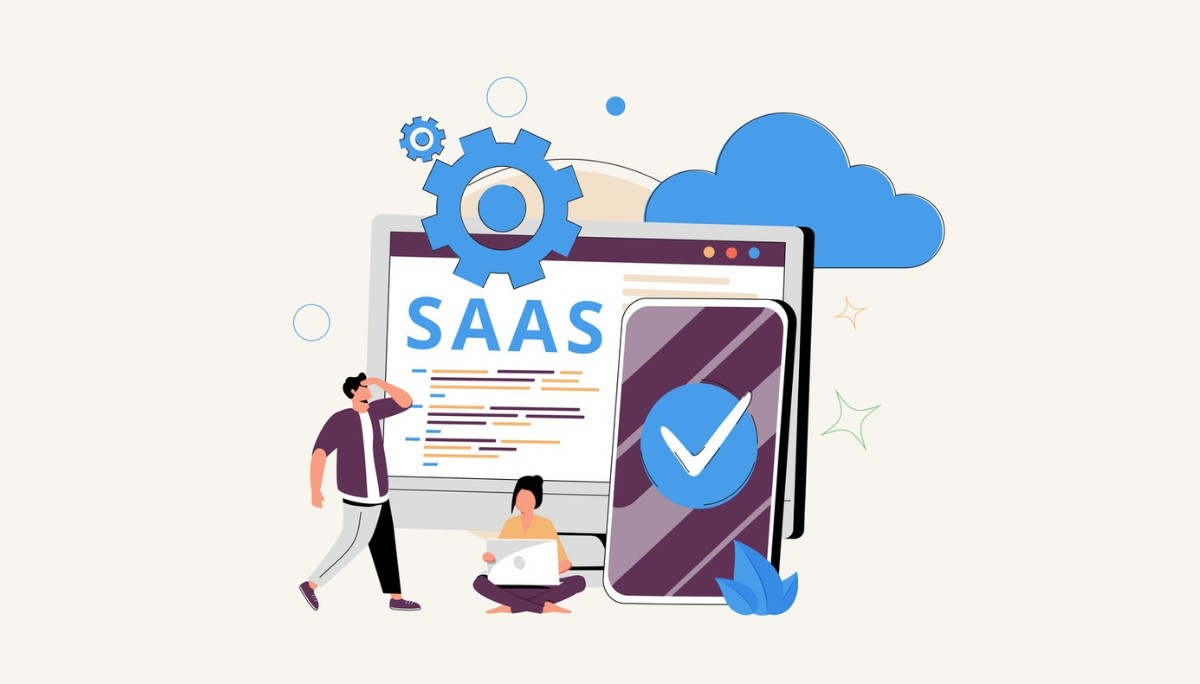
A SaaS company provides software through the internet on a subscription basis, removing the need for local installations, ongoing maintenance, or complex setup. These businesses deliver tools that customers can access from any device, making software easier to adopt, update, and use at scale. In this article, we cover the SaaS company definition, how these companies operate, the main types of SaaS models, and the benefits they offer to growing organizations. We also outline the key risks to be aware of when evaluating or building a SaaS company.
Key Takeaways
SaaS companies provide subscription-based software applications over the internet, eliminating the need for local installations and reducing upfront costs.
SaaS models offer continuous updates managed by providers, improving ease of use and maintenance while giving businesses greater scalability and flexibility.
Despite these advantages, SaaS companies face risks related to security, shadow IT, and varying disaster-recovery plans, making thorough assessments of service providers essential.
What Is a SaaS Company?
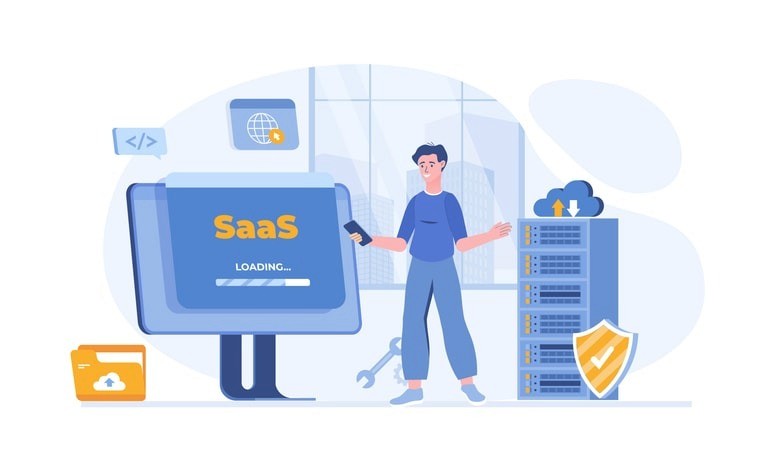
A SaaS company provides applications over the internet as a subscription service, eliminating the need for local installations. This model, known as Software as a Service (SaaS), is hosted on cloud infrastructure, allowing users to access the software from any device with internet connectivity. Unlike traditional software, which requires significant upfront investment and ongoing maintenance, SaaS applications, SaaS systems, and SaaS products are accessible on a subscription basis, reducing initial costs and ongoing IT burdens. A SaaS solution and SaaS software are key components of this approach.
SaaS solutions offer numerous advantages over traditional software. SaaS providers manage the software and infrastructure, ensuring that users always have access to the latest version without the need for manual updates. This ease of maintenance and steady improvement is a major benefit, as it allows businesses to focus on their core operations rather than software upkeep. Additionally, these SaaS offerings provide flexibility and scalability that traditional software often cannot match.
SaaS applications can be accessed from various devices, promoting flexibility and accessibility for users. This cloud-based approach allows businesses to scale their software usage up or down according to their needs, offering a level of adaptability that is difficult to achieve with traditional software. Overall, the SaaS business model provides a more efficient, cost-effective, and user-friendly alternative to traditional software.
How Does a SaaS Company Operate?
SaaS companies operate on a cloud computing model, enabling users to access cloud-based applications via the internet without the need for local installations. This cloud delivery model means the software and user data reside on the provider’s servers, freeing users from managing hardware or software themselves. This setup allows users to focus on utilizing the software rather than maintaining it, which is particularly useful for SaaS businesses that offer cloud services.
A key operational aspect is the provider’s responsibility for software maintenance and updates. SaaS providers ensure that users always have the latest version, with updates applied automatically. This steady maintenance minimizes downtime and ensures that users have access to current features and security improvements.
Accessibility is another important factor in how SaaS companies operate. Users access SaaS applications through web browsers or mobile apps, requiring only a reliable internet connection. This ease of access, combined with the ability to integrate with other applications, makes SaaS solutions versatile and user-friendly.
Types of SaaS Companies
SaaS companies can be broadly classified into two main categories: B2B (business-to-business) and B2C (business-to-consumer). Most SaaS companies provide subscription-based software solutions to other businesses, helping them streamline operations, improve productivity, and support communication through various business applications and technology. Examples of B2B SaaS companies include Google Workspace, which serves over 6 million business users, and Shopify, which supports over a million businesses in e-commerce.
B2C SaaS companies focus on delivering software directly to individual consumers, aiming to grow their customer base. These companies offer a wide range of applications, from creative tools to email marketing solutions. Adobe Creative Cloud provides a suite of applications for creative professionals, with millions of subscribers worldwide. Mailchimp is another well-known example, with a large share of users relying on its email marketing services.
Both types of SaaS companies play an important role in the SaaS market, serving different segments and offering solutions that meet varied customer needs. Whether supporting business operations or providing individuals with powerful tools, SaaS companies have a wide and significant reach.
Key Benefits of SaaS Companies
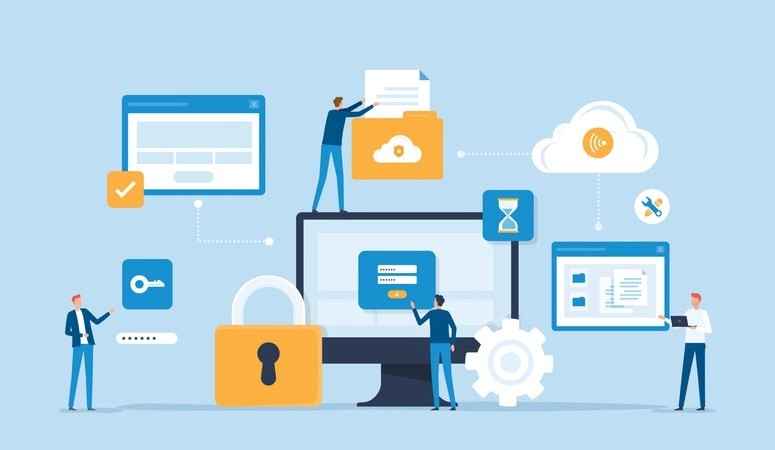
One of the most significant benefits of SaaS companies is cost savings. Key points include:
Utilizing a subscription-based service model, SaaS companies reduce the initial financial investments for users.
Users can subscribe to SaaS solutions at a lower cost, often on a monthly or annual basis.
This model avoids the need to pay a hefty upfront fee for software licenses and infrastructure.
It is particularly beneficial for small and medium-sized businesses that may not have the budget for large software expenditures.
SaaS solutions offer continuous software updates and improvements without requiring manual intervention from users. The updates are managed by the SaaS providers, ensuring that users always have access to the latest features and security updates. This minimizes the effort and costs typically associated with traditional software updates, allowing businesses to focus on their core operations.
Flexibility and scalability are other key benefits of SaaS solutions. SaaS applications can scale up or down based on the user’s needs, offering a level of adaptability that is difficult to achieve with traditional software. Scalability, combined with access from any device with an internet connection, supports collaboration and helps businesses adjust to changing demands efficiently.
Potential Risks of SaaS Companies
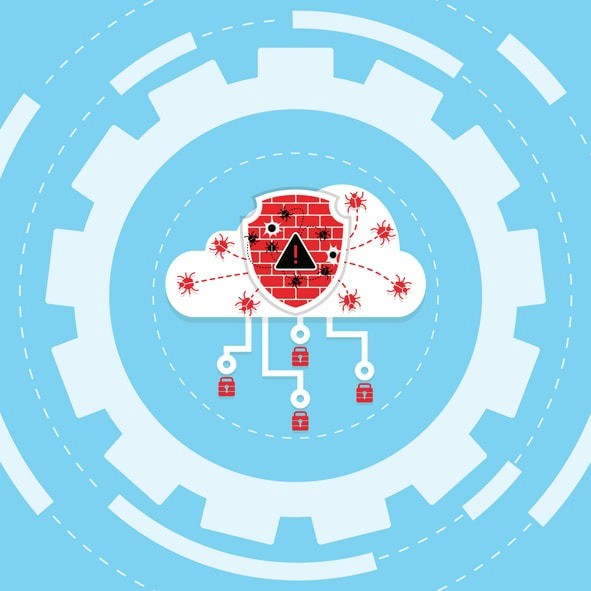
Despite the numerous advantages, SaaS companies are not without risks. Security is one of the primary concerns. SaaS users are susceptible to unauthorized access, particularly from credential theft or account takeovers, due to the online nature of these services. Vulnerabilities in the APIs of some SaaS platforms can lead to unauthorized data access if not properly managed.
Shadow IT is another significant risk associated with SaaS usage. This occurs when employees use unapproved applications, increasing compliance and security risks. Organizations often find it challenging to assess the security of third-party vendors involved in SaaS applications, limiting their understanding of the associated risks. This lack of visibility can lead to potential security breaches and non-compliance with regulatory requirements.
Disaster recovery is also a concern for SaaS customers. Disaster recovery plans of SaaS providers may vary significantly, leaving customers uncertain about the resilience of critical services. This uncertainty can be problematic, especially for businesses heavily reliant on SaaS solutions for daily operations. Organizations must thoroughly assess the disaster recovery capabilities of their SaaS providers to ensure business continuity in the event of an unforeseen disruption.
AI Hiring in the SaaS Industry
Fonzi is a specialized marketplace that connects elite AI engineers with high-growth tech companies and startups. Key features of Fonzi include:
Regular hiring events called Match Day
Candidates receive salary-backed offers from interested companies
An efficient hiring experience that minimizes wasted efforts
Alignment of incentives between candidates and companies
Candidates benefit from a dedicated Concierge Recruiter who supports them throughout the hiring process, ensuring a smooth and straightforward experience. Fonzi’s platform connects highly qualified engineers with reputable companies, helping both sides find the right match. This curated approach sets Fonzi apart from traditional job boards and black-box AI tools, delivering high-signal talent to companies.
Why Choose Fonzi for Your AI Hiring Needs?
Fonzi operates a monthly event called Match Day, allowing companies to make salary-backed offers to matched candidates within a 48-hour window. This fast and consistent process ensures that hiring moves quickly, with most hires occurring within three weeks. Fonzi’s success-fee model charges companies an 18% fee only after a successful hire, eliminating upfront costs and retainers and making it a cost-effective solution for businesses.
Fonzi supports both early-stage startups and large enterprises, helping companies hire from the first AI engineer to the 10,000th. This flexibility makes Fonzi suitable for organizations of all sizes looking to grow their AI teams. The platform also improves the candidate experience, ensuring that talent is engaged and well-matched to available roles.
Fonzi delivers high-signal, structured evaluations with built-in fraud detection and bias auditing. This transparent process ensures companies receive qualified candidates, making Fonzi a trusted partner for AI hiring needs.
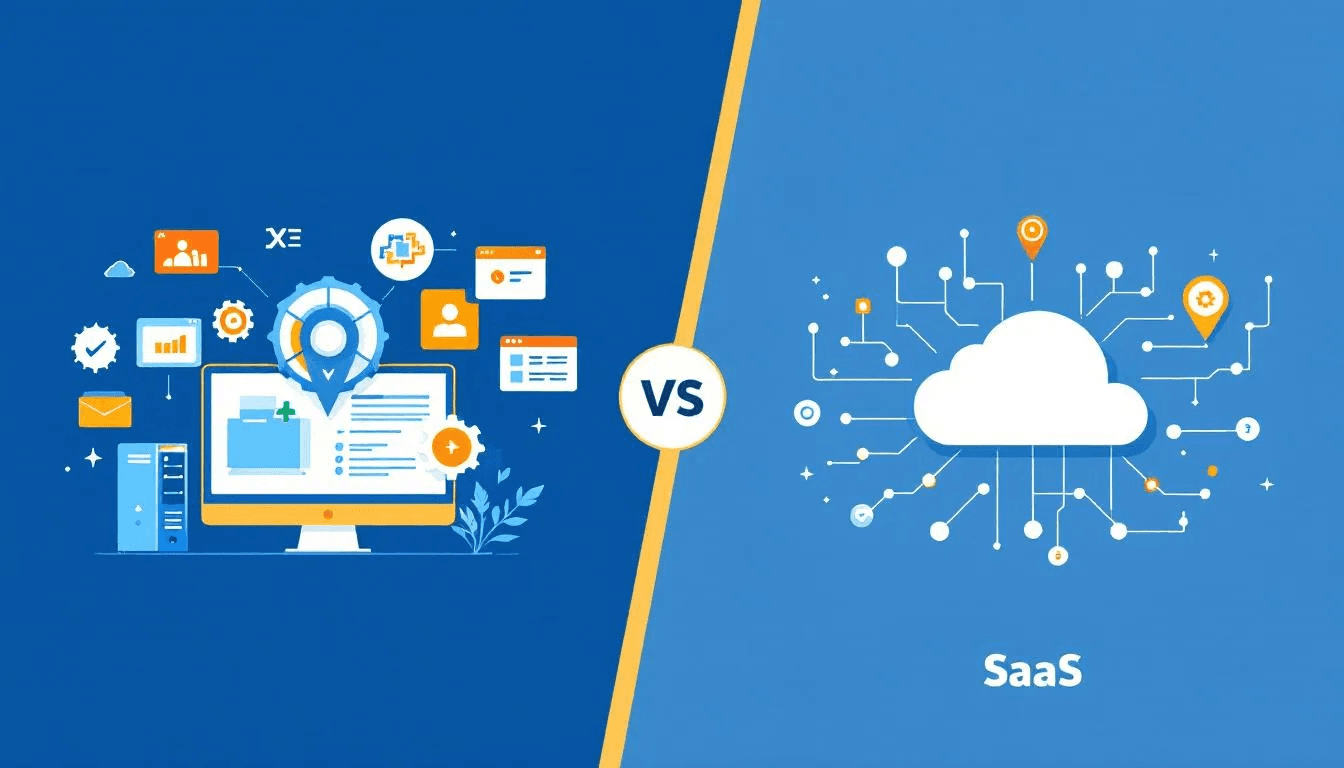
Comparison of Traditional Software vs. SaaS Companies
Feature | Traditional Software | SaaS Companies |
Cost | Significant upfront cost for a license | Lower initial cost, subscription-based |
Maintenance | User responsible for updates and maintenance | Provider handles updates and maintenance |
Accessibility | Installed on local computers, limited to specific devices | Accessible from any device with internet connectivity |
Scalability | Limited by hardware and software constraints | Easily scalable based on user needs |
Updates | Manual updates required | Automatic updates managed by the provider |
Traditional software typically involves a significant upfront cost for a license, allowing multiple users to utilize it indefinitely once purchased. However, this model often requires users to handle updates and maintain the software, which can be time-consuming and costly. On-premises software is another option that some organizations consider.
On the other hand, SaaS solutions operate on a subscription model, offering lower initial costs but potentially accumulating higher expenses over time.
The SaaS model provides advantages in terms of maintenance and accessibility. Most SaaS providers handle all updates and maintenance, ensuring that users always have access to the latest features and security updates in modern SaaS applications.
Additionally, SaaS applications and internet-based applications can be accessed from any mobile device with an internet connection, offering flexibility and scalability. This comparison highlights the key differences and benefits of both models, helping businesses make informed decisions about their software needs.
Summary
The rise of SaaS companies has reshaped the software industry, offering a cost-effective, flexible, and user-friendly alternative to traditional software. SaaS solutions provide continuous updates, reduced IT burdens, and the ability to scale according to business needs, making them an appealing option for many organizations.
However, it is important to be aware of the potential risks associated with SaaS, such as security vulnerabilities, shadow IT, and disaster recovery concerns. By carefully assessing the capabilities and security measures of SaaS providers, businesses can mitigate these risks and fully leverage the benefits of SaaS solutions.
In conclusion, SaaS companies have changed how we consume software, providing solutions that meet the evolving needs of businesses and individuals. As the SaaS market continues to grow, platforms like Fonzi are improving specific areas, such as AI hiring, further strengthening the efficiency and effectiveness of the SaaS industry.
FAQ
What defines a SaaS company?
What are the types of SaaS companies?
What is a SaaS company?
How do SaaS companies operate?
What are the key benefits of SaaS solutions?


