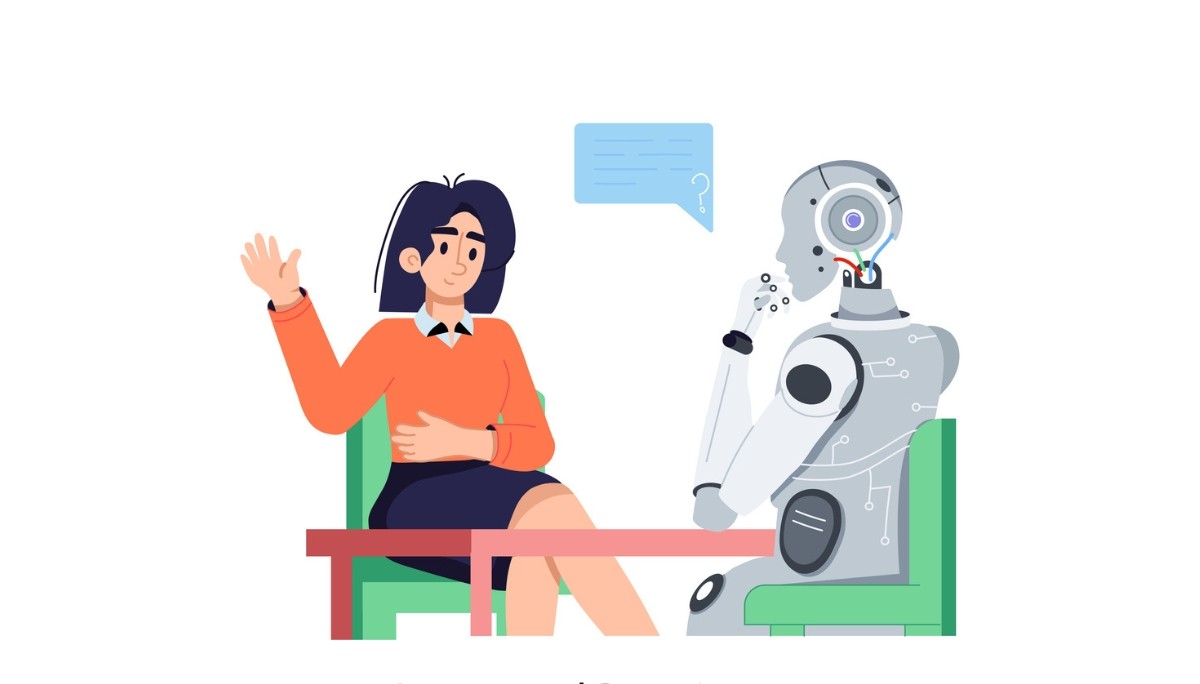
Wondering what it’s like to interview with AI? Today’s hiring landscape is shifting fast, with AI now streamlining everything from resume screening to real-time interview feedback and even helping reduce bias in the decision process. For recruiters and AI engineers working in business environments, these tools aren’t just futuristic add-ons; they’re becoming essential for scaling fair, consistent, and efficient hiring. Platforms like Fonzi AI take this a step further by offering structured, AI-driven interviews that improve candidate evaluation while cutting hours of manual work. It’s a practical, business-ready way to bring the benefits of AI interviewing directly into your hiring workflow.
Key Takeaways
AI is revolutionizing job interviews by automating screening, providing real-time feedback, and enhancing hiring efficiency, making the process faster and fairer.
Integrating AI tools reduces bias in hiring, promotes diversity, and allows for detailed candidate assessments, ultimately leading to better job matches and employee satisfaction.
Success stories from companies like General Motors and 7-Eleven highlight AI’s ability to streamline recruitment processes, save time, and generate significant cost savings.
How AI is Revolutionizing Job Interviews

Artificial Intelligence is reshaping job interviews in ways we could only dream of a few years ago. In 2026, AI integration into hiring processes will transform the landscape. From automating the initial screening of resumes to conducting sophisticated assessments, AI tools are designed to improve outcomes for both candidates and interviewers, enhancing the entire evaluation process. This revolution in job interviews is not just about convenience; it’s about fundamentally changing how we approach hiring.
AI automates many of the repetitive and time-consuming tasks traditionally handled by human recruiters. For instance, AI can rapidly evaluate a large pool of candidates, ensuring that only those who meet specific criteria move forward in the hiring process. This not only speeds up the process but also allows recruiters to focus on high-value tasks that require a human touch. As companies continue to adapt to new technologies, we can expect a complete transformation of the hiring process.
But the impact of AI goes beyond mere efficiency. It also brings a new level of sophistication to job interviews. Advanced generative AI interview tools utilize models from leading platforms like Deepseek, Azure OpenAI, and Google Gemini, offering unparalleled insights and accuracy.
These tools can analyze candidate responses in real-time, providing instant feedback and ensuring a more objective evaluation process. The result? A hiring process that is not only faster but also fairer and more effective. The answer lies in utilizing these innovative tools to get instant insights about jobs and to ask smart follow-up questions.
Key Benefits of Using AI in Job Interviews
One of the most compelling reasons to integrate AI into job interviews is the significant boost in hiring efficiency. AI interviews can rapidly evaluate a large pool of candidates, making the process more streamlined and effective. For example, 7-Eleven experienced a 50% reduction in time-to-hire, moving from over ten days to less than five days. Similarly, Burlington’s hiring process efficiency increased significantly with the integration of conversational AI, prioritizing candidate interactions.
Flexibility is another critical advantage of AI tools in interviews:
AI tools can conduct interviews at any time, allowing for flexible scheduling that accommodates both candidates and recruiters.
This flexibility is particularly beneficial for global companies dealing with different time zones.
AI can handle administrative tasks within the interview process, freeing up valuable time for recruiters to engage in more strategic activities.
Chipotle reported a significant improvement in candidate experience and efficiency in hiring by using automated solutions.
Bias reduction is another significant benefit of using AI in job interviews. AI technology can assist in minimizing biases in the hiring process, promoting fairer evaluations. AI tools improve recruitment practices by focusing on relevant skills and attributes, thus reducing human biases. This ensures that all candidates are evaluated based on their merits, leading to more inclusive and diverse workplaces.
Lastly, AI’s data analysis capabilities can generate comprehensive candidate profiles, aiding hiring decisions. These profiles provide recruiters with detailed insights into a candidate’s skills, experiences, and potential fit for the job role. This level of detail not only enhances the quality of hiring decisions but also ensures that candidates are matched with roles that align with their strengths, leading to better job satisfaction and performance.
AI Interview Tools to Enhance Your Hiring Process
Advanced AI interview tools are the backbone of this transformation, offering a range of features designed to enhance the hiring process. From screening and matching candidates to conducting mock interviews and providing real-time assistance, these tools leverage cutting-edge technology to deliver results.
Some of the most notable tools utilize models from:
Deepseek
Azure OpenAI
Google Gemini
Claude
Grok
These top-rated tools guarantee high levels of accuracy and effectiveness. With over 100k reviews and more than 10 years of experience, they have proven their worth in the recruitment industry.
Screening and Matching Candidates
Screening and matching candidates is one of the most time-consuming aspects of the hiring process. AI tools can automate this process, helping organizations quickly identify candidates who meet specific job requirements. These AI-powered platforms are designed to handle large volumes of applications efficiently, reducing the need for extensive human intervention. This not only speeds up the hiring process but also ensures that no qualified candidate is overlooked.
Many AI resume screening tools utilize semantic matching technology, allowing them to understand the context and relevance of skills rather than relying solely on keyword searches. This means that the tools can match candidates to job descriptions more accurately, leading to better hiring decisions. By focusing on the actual skills and experiences required for the job, AI tools help recruiters find the top candidates more effectively.
Conducting Mock Interviews
Conducting mock interviews with AI technology allows candidates to rehearse in company-specific environments, generating realistic scenarios that align with actual job requirements. This interview practice helps candidates adapt to the job interview conditions and develop authentic responses rather than memorized scripts. The result is a more genuine and confident performance during the actual interview, especially when candidates are interviewed.
AI mock interviews provide a safe space for candidates to practice and receive immediate, personalized feedback. Through the analysis of speech patterns and body language, AI tools can identify candidates’ weaknesses and suggest improvements before real, face-to-face interviews. This level of detailed feedback can significantly enhance a candidate’s confidence and performance, leading to better interview success.
Moreover, AI can generate tailored interview questions based on job descriptions, enabling candidates to prepare more effectively than relying on random common behavioral questions. Candidates can also simulate specific role-related questions, allowing practice that aligns with job expectations. This targeted preparation helps candidates stay calm and focused during the actual interview, increasing their chances of success.
Real-Time Interview Assistance
Real-time interview assistance is another groundbreaking feature of AI tools. AI can provide instant live transcription during interviews, improving the accuracy of feedback and enabling candidates to focus on their responses. This not only helps candidates stay present during the interview but also ensures that no important details are missed.
Some AI platforms offer smart prompts that help guide candidates in answering questions effectively during live interviews. This real-time support enhances the overall interview experience for both candidates and interviewers. By providing instant feedback and support, AI tools ensure that candidates can present their best selves during the interview, leading to better hiring outcomes.
Addressing Ethical Concerns with AI in Interviews
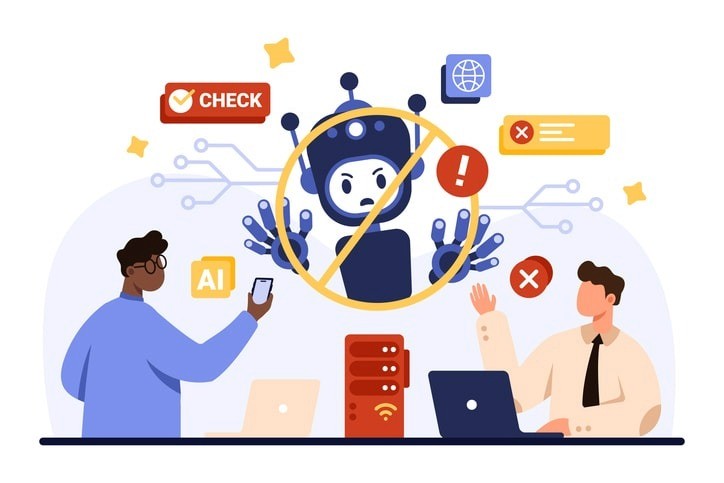
The integration of AI in job interviews brings with it a range of ethical concerns that must be addressed:
Privacy concerns are heightened by AI’s ability to collect extensive personal data, including potentially sensitive information.
AI platforms may keep user interview data, raising additional privacy concerns that recruitment companies must address.
Ensuring the ethical use of AI requires mechanisms for auditing and quality control to prevent biases in the recruitment process.
Algorithmic bias is another significant concern. Poorly trained algorithms can perpetuate biases, leading to unfair hiring practices and providing an unfair advantage. Mitigating this risk involves:
Regular audits and validations
A thorough review process that integrates human oversight
Ensuring flagged candidates undergo a manual assessment before any hiring decision, as emphasized by companies like Fonzi.
AI in recruitment must be designed to respect human rights, ensuring practices adhere to principles of validity, autonomy, nondiscrimination, privacy, and transparency. Companies are increasingly responsible for safeguarding applicants’ rights during the hiring process, as mandated by human rights standards. Addressing these ethical concerns ensures AI enhances the hiring process without compromising fairness or privacy.
Case Studies: Success Stories with AI in Hiring
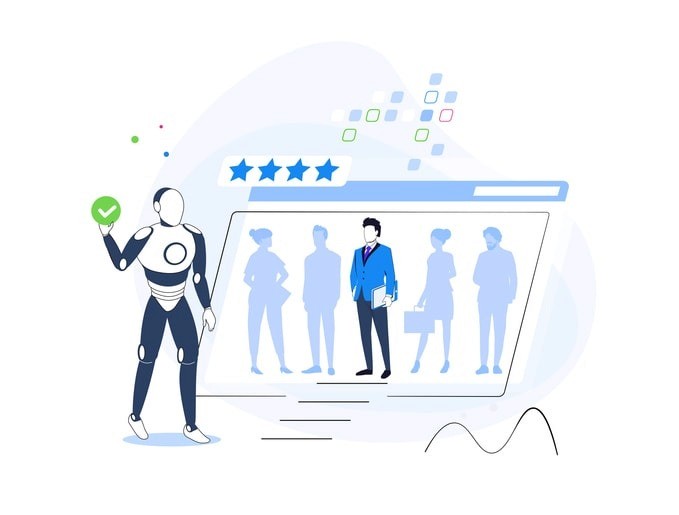
The real-world impact of AI in hiring is best illustrated through success stories. Hiring events saw a boost in turnout rates due to timely reminders and streamlined processes provided by AI. Neighborly found that automation saved franchise owners approximately six hours per week in recruitment tasks. These examples show how AI can significantly improve efficiency and candidate engagement.
General Motors achieved $2 million in savings during the first year of implementing interview automation. This substantial cost saving highlights the financial benefits of integrating AI into the hiring process. Paradox’s implementation allowed companies to engage candidates more effectively, improving overall recruitment metrics. These case studies demonstrate the transformative potential of AI in hiring.
Automated candidate assessments facilitated by AI can lead to more accurate predictions of job performance. Objective and data-driven evaluations by AI tools ensure the best candidates are selected. These success stories underscore the value of AI in creating a more efficient, fair, and effective hiring process.
How Fonzi's Multi-Agent AI Enhances Recruitment
Fonzi’s multi-agent AI is a game-changer in the recruitment space. The system examines resumes against multiple sources, including LinkedIn and GitHub, to validate work history and claims of technical expertise. This thorough validation process ensures that only qualified candidates move forward in the hiring process.
Fraud detection is another critical feature of Fonzi’s AI. The system identifies potential fraud by analyzing patterns, such as identical resumes submitted by different candidates, which may indicate coordinated attempts to misrepresent qualifications. The AI also tracks candidate behavior during interviews, looking for anomalies like unusual latency patterns or device changes. These advanced capabilities enhance the integrity of the recruitment process.
Fonzi’s multi-agent AI streamlines tasks such as screening, fraud detection, and structured evaluations while enhancing recruiters' focus on high-touch work. Automating these administrative tasks allows recruiters to concentrate on strategic activities and high-value interactions. This balance of automation and human oversight ensures a fair and efficient hiring process.
Preparing for AI-Powered Interviews
Preparing for AI-powered interviews requires a different approach than traditional interviews. AI interview assistants improve candidates’ confidence by boosting their calmness and reducing nerves during interviews. Practicing with AI tools can help candidates become more comfortable with the technology and the interview format.
Creating a distraction-free environment with proper lighting and a neutral background enhances the impression during virtual interviews. Ensuring that all technical aspects are in place allows candidates to focus on their performance. Key points to consider:
Create a distraction-free environment
Use proper lighting
Maintain a neutral background
Ensure all technical aspects are in place
Being well-prepared maximizes candidates’ chances of success in AI-driven interviews, which are a must-have for effective interview preparation of talent, ensuring they are interview-ready and supported. Additionally, interview prep is essential for candidates to feel confident and prepared.
The Future of Job Interviews with AI
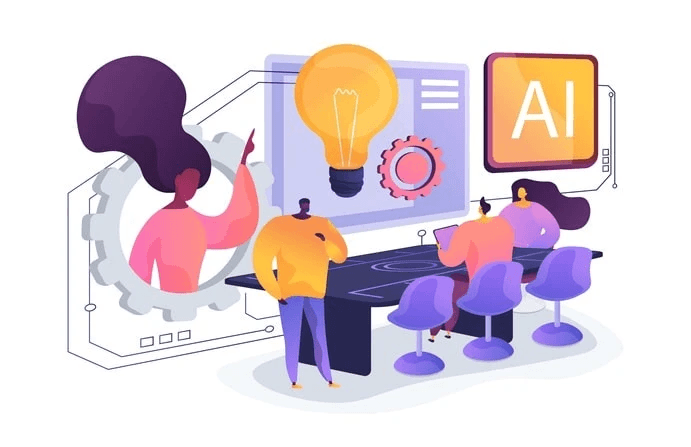
The future of job interviews with AI is bright, with the potential to redefine hiring practices. AI is expected to enable more precise matching of candidates’ skills with job requirements. This will lead to more efficient hiring processes and better job satisfaction for candidates, helping them to land their dream jobs.
However, trust and transparency remain critical challenges. As AI becomes more integrated into recruitment, ensuring that these systems are transparent and trustworthy will be essential. Job seekers are increasingly using AI to assist in their job searches, indicating a blend of technology and human involvement in future hiring.
AI-driven mock interview platform offers personalized training by simulating real interview scenarios based on user-inputted job descriptions. Some AI platforms even allow candidates to record their answers in various languages, enhancing accessibility for non-native speakers. These advancements will make the interview process more inclusive and effective, benefiting both candidates and recruiters, especially with the help of an interview copilot.
Summary
AI is reshaping the hiring process by streamlining workflows, minimizing bias, and creating a smoother candidate experience, and today’s advanced tools can handle everything from intelligent screening and matching to real-time interview guidance and even full mock interviews. When used responsibly and paired with clear ethical standards, these systems unlock meaningful efficiency gains without sacrificing fairness. Fonzi AI takes this a step further with its multi-agent architecture, giving teams in the business sector a more accurate, context-aware, and human-like hiring assistant that elevates both recruiter productivity and candidate engagement. As these technologies continue to mature, embracing solutions like Fonzi positions organizations for a faster, fairer, and more future-ready recruitment process.
FAQ
Are companies really doing AI interviews?
Is there an AI for interviews?
How do I prepare for an AI interview?
How does AI improve the efficiency of job interviews?
Can AI help reduce biases in the hiring process?


