Picture this: it’s 2026, and your AI startup is racing to ship a critical feature before a Series B funding round closes. Your lead ML engineer flags a data bias issue that could delay launch by two weeks. Professionalism is not about dress codes or office hours, it is about how your team communicates risk, collaborates under stress, and makes ethical decisions when shortcuts seem tempting.
In high-growth tech environments, professionalism goes beyond traditional norms and includes reliability in distributed teams, clarity in async communication, integrity around data handling, and the ability to maintain healthy relationships across time zones. True professionals show strong communication through clear PR descriptions, honest standup updates, and thoughtful Slack messages.
This article defines professionalism in tech today and shows how AI-powered hiring tools can help you identify and reward these attributes faster and more fairly.
Key Takeaways
Professional characteristics in tech prioritize outcomes, code quality, and cross-functional collaboration over physical presence or traditional corporate formalities.
Fonzi AI uses a structured, bias-audited process during Match Day events to surface these attributes in engineers while keeping human decision-making power intact.
Remote and hybrid work demand specific qualities such as proactive communication, documentation discipline, and time zone awareness, and AI-assisted hiring for screening, fraud detection, and structured evaluation further supports professionalism and the candidate experience.
Core Professional Attributes for Software and AI Engineers
The most successful professionals in high-growth tech companies consistently demonstrate qualities that go beyond raw coding ability, separating engineers who simply complete tasks from those who drive teams forward.
Here are the core professional attributes that top-performing engineers demonstrate:
Dependable Delivery: Professionals hit milestones and communicate risk early, surfacing problems proactively and proposing solutions rather than hiding blockers until the last minute.
Clear Written and Verbal Communication: Active listening in meetings and concise documentation are essential, and success depends on explaining complex technical concepts to non-engineers.
Ethical Use of Data and AI: Engineers must show integrity in handling sensitive data, acknowledge model limitations, and consider bias implications, including academic integrity in training data selection.
Collaborative Problem-Solving: Building relationships across teams, giving and receiving feedback gracefully, and solving problems collectively define professionalism, including conflict resolution during technical disagreements.
Ownership and Accountability: Professionals take responsibility for their work, including mistakes, focusing on solutions rather than blaming infrastructure or other teams.
Adaptability to New Stacks and Models: A growth mindset is essential in fast-moving fields like LLMs and MLOps, with continuous development of new knowledge rather than reliance on familiar tools.
Continuous Learning: Staying current through conferences, certifications, and experimentation with emerging technologies outside work hours supports professional growth.
These traits appear differently across roles. For AI and ML engineers, professionalism includes model explainability, data sensitivity, and bias awareness. Frontend engineers demonstrate it through accessibility and user-centric design, while backend engineers show it through system reliability and clear API documentation.
Professionalism in Tech vs Traditional Corporate Environments
Traditional corporate professionalism emphasized professional appearance, rigid hierarchies, strict 9-to-5 schedules, and physical presence in an office. Modern tech companies have largely moved past these expectations.
In tech work environments, professional characteristics focus on:
Outcomes over hours: Did you ship the feature? Not “Were you at your desk by 8am?”
Code quality over ceremony: Is your pull request well-documented? Not “Did you attend every meeting?”
Cross-functional collaboration over politics: Can you work effectively with product, design, and data teams?
Rapid iteration over perfection: Can you learn from mistakes quickly rather than hiding them?
The differences between Big Tech and startup expectations illustrate this evolution:
Aspect | Big Tech Expectations | Startup Expectations |
Specialization | Deep expertise in specific domains | Versatility across the stack |
Process | Structured performance cycles, formal docs | Ambiguity tolerance, bias for action |
Ownership | Clear role boundaries | End-to-end ownership of messy projects |
Timeline | Long-term optimization | Ship fast, iterate quickly |
Some traditional traits still matter in both contexts. Reliability, ethics, respectful communication, and integrity transcend company size, while presenteeism, overemphasis on office politics, and judging productivity by hours logged rather than impact delivered have become outdated.
Attributes that Matter Most for Remote and Hybrid Engineering Teams
Many AI and software teams now operate fully remote or hybrid across multiple time zones, which demands specific professional qualities that were less critical when everyone shared an office.
The professional traits that become critical in remote contexts include:
Proactive Communication: Remote professionals share progress, flag blockers, and communicate availability without waiting to be asked or requiring constant check-ins.
Documentation Discipline: Written documentation is essential, including clear PR descriptions, updated tickets, decision logs, and well-maintained READMEs.
Time Zone Awareness: Respecting colleagues’ working hours, scheduling meetings thoughtfully, and making eye contact through video calls across locations shows professional respect.
Meeting Hygiene: Showing up prepared, staying on topic, and sending follow-up notes demonstrates time management and respect for others’ productivity.
Respecting Focus Time: Professionals use asynchronous communication appropriately and batch requests to avoid interrupting deep work.
In practice, a professional engineer updates tickets with current status, writes a clear summary in the team channel, and documents any blockers for colleagues in other time zones.
How Multi-Agent AI Helps You Assess Professional Attributes Fairly
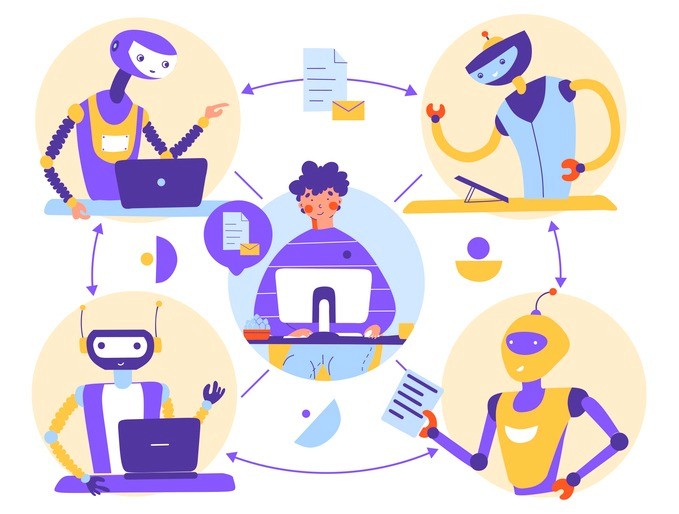
As of 2026, hiring challenges have intensified due to unprecedented demand for AI talent, recruiter bandwidth constraints, overwhelming inbound applications, and inconsistent interview quality across hiring managers.
What AI Can Help Screen
Resume consistency and work history verification
Clarity and structure in technical writing samples
Pattern detection for suspicious test-time behavior
Standardized evaluation against defined criteria
What Requires Human Judgment
Culture and team fit assessment
Emotional intelligence and interpersonal dynamics
Nuanced evaluation of soft skills in context
Final hiring decisions and offer negotiations
The goal is not to automate judgment, but to give hiring managers a high-signal shortlist so they can focus on relationship building and meaningful conversations.
Professional Attributes vs What AI Can and Cannot Evaluate
Understanding where to rely on AI automation and where to lean heavily on human judgment helps talent leaders design better hiring processes. This comparison shows which professional attributes benefit from AI assistance and which require human oversight.
Professional Attribute | Example in Tech Hiring | What AI Can Help Assess | What Requires Human Oversight |
Reliability | Consistent delivery track record | Work history patterns, reference check consistency | Nuanced judgment of extenuating circumstances |
Communication | Clear technical explanations | Writing samples, documentation quality, response structure | Real-time conversation dynamics, active listening |
Ethics & Integrity | Data handling decisions | Fraud detection, resume verification, test behavior monitoring | Values alignment, ethical reasoning in ambiguous scenarios |
Collaboration | Cross-team project success | Evidence of team contributions, PR review patterns | Interpersonal chemistry, conflict resolution style |
Adaptability | Learning new stacks quickly | Skill progression over time, variety of technologies used | Response to unexpected challenges, stress tolerance |
Leadership Qualities | Mentoring junior engineers | Evidence of team leadership, project ownership scope | Influence style, executive presence, vision |
Critical Thinking | Problem-solving approach | Structured assessment responses, code review quality | Creative approaches to novel problems |
Accountability | Ownership of outcomes | Project completion rates, follow-through patterns | How they discuss past mistakes and learnings |
One row deserves special attention: fraud detection. AI can identify suspicious patterns such as AI-generated resumes, unusual test behavior, or inconsistent credentials, but determining whether a candidate is genuinely a good culture fit requires human conversation and judgment.
Building a Professional Tech Culture: Practical Steps for Hiring Leaders
Professional behavior scales best when it is explicitly built into hiring criteria, onboarding, and performance reviews, because vague expectations produce vague results.
Here are practical steps to build professionalism into your hiring process:
Define and Document Your Standards: Write down what professional means for your engineering organization, including code review etiquette, communication expectations, and incident response protocols, so interviews can evaluate against clear criteria.
Align Interview Rubrics to Professional Traits Don’t just assess technical skills. Create structured scorecards that include professionalism attributes alongside algorithms and system design. Sample criteria include:
Handles feedback constructively
Communicates tradeoffs clearly to non-engineers
Demonstrates respect for colleagues’ time and ideas
Shows commitment to organizational goals
Train Interviewers: Avoid unstructured “vibe checks” by training your team to evaluate professional characteristics using standardized questions and scoring, without inappropriate language or evaluation based on personal preferences.
Avoid Overvaluing Confidence: Self-awareness about limitations often indicates stronger professionalism than bravado, so look for candidates who acknowledge what they don’t know.
Pilot Before Scaling: Start AI-assisted hiring on a single role or team, measure results such as time-to-offer, candidate quality, and DEI impact, and refine the process before expanding.
The extra mile here is worth it. Teams that systematically evaluate and reward professionalism build stronger cultures and retain talent longer.
FAQ
What are the most important professional attributes for software engineers?
How do professional characteristics differ between Big Tech and startup culture?
Can you be too professional in tech and hurt your career?
What professional qualities matter most for remote engineering teams?
Which traditional professional attributes are outdated for modern tech companies?


