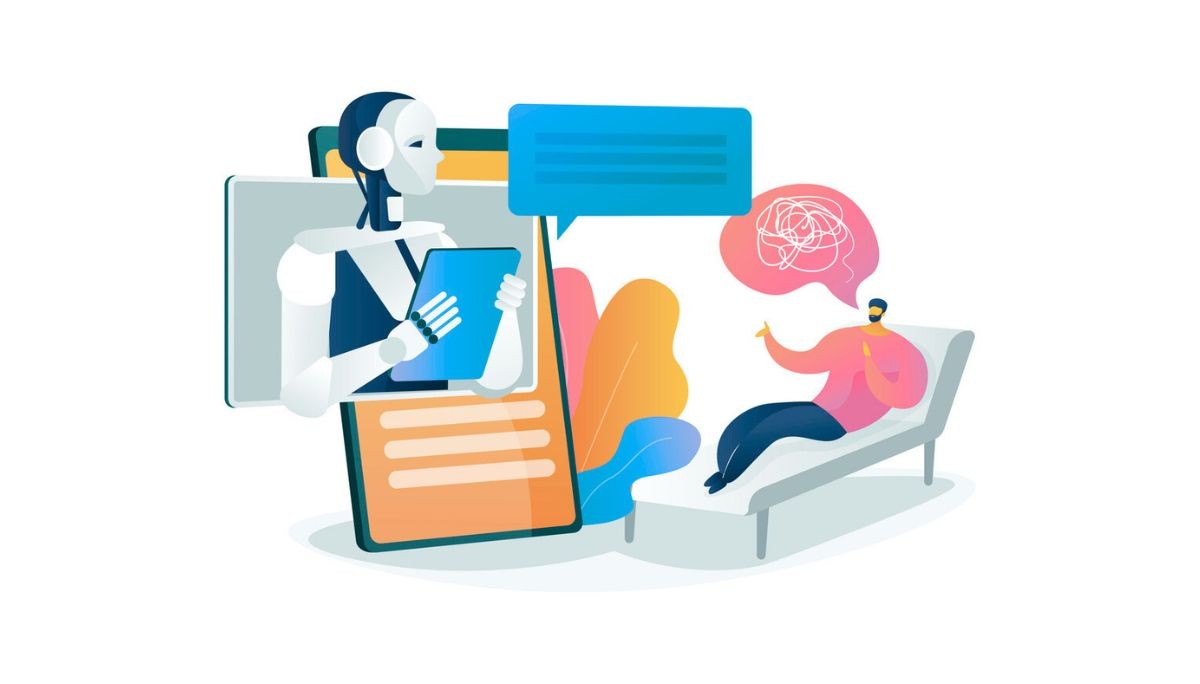
The mental health landscape changed dramatically between 2024 and 2026, as post-pandemic demand for therapy collided with severe provider shortages, leaving millions on waitlists or priced out.
By 2026, AI therapy apps have become everyday tools for managing stress, sleep, and mood, especially for those who cannot access traditional therapy quickly or affordably, joining meditation apps and fitness trackers as standard digital wellness tools.
This article defines AI therapy apps as consumer chatbots and wellness tools designed for emotional support. They are not FDA-regulated digital therapeutics and cannot legally diagnose or prescribe, but they offer access and affordability while raising questions about data privacy, misdiagnosis, and unhealthy dependence.
Key Takeaways
AI therapy apps are mainstream in 2026, providing low-intensity mental health support while remaining a supplement, not a replacement, for licensed therapists and professional care.
Leading apps combine large language models with cognitive behavioral and dialectical behavior therapy tools, mood tracking, and crisis safeguards, though privacy and safety trade-offs remain.
This article compares top AI therapy apps, explains how they work, offers guidance for safe use, and covers clinician-facing AI tools and trends in mental health technology.
How AI Therapy Apps Work in 2026
At their core, modern AI therapy apps use large language models fine-tuned on mental health content. These models are wrapped in mobile or web apps that layer on journaling prompts, mood tracking, structured exercises, and sometimes optional human coaching.
Here is how the typical app handles key functions:
Intent detection: The AI monitors for crisis language, including phrases suggesting self-harm, suicidal thoughts, or severe distress. When detected, the app triggers safety responses such as presenting crisis lifeline information or recommending professional help.
Evidence-based responses: Rather than purely open-ended chat, responses are constrained by therapeutic scaffolds, including cognitive behavioral therapy style reframing, distress tolerance skills from dialectical behavior therapy, or mindfulness prompts.
Personalization and memory: Better apps remember past conversations, track mood trends over time, and adjust their focus based on your history. Some integrate passive data from wearables such as sleep quality, step counts, or heart rate variability to tailor suggestions.
Common data inputs in 2026 include text chat, optional voice input, and integration with phone or smartwatch sensors. Many apps also include periodic assessments such as PHQ-9 or GAD-7 questionnaires to measure progress over time.
Technical safeguards in reputable apps now include:
Filtered outputs that avoid generating harmful or triggering content
Clear crisis disclaimers and routing to hotlines
Guardrails preventing the AI from providing advice on self harm or dangerous behaviors
Explicit statements that the app is not a licensed therapist
Despite these capabilities, AI systems cannot match human therapists in critical ways. They lack clinical judgment for complex cases, cannot read body language or nonverbal cues, have no legal authority to diagnose mental health conditions or prescribe medication, and cannot form genuine therapeutic relationships grounded in the human connection that makes professional therapy effective.
What an “AI Therapist” Can and Cannot Do
The term “AI therapist” is marketing language, not a legal designation. In 2026, most apps carefully avoid calling themselves clinicians in their fine print. State laws in Nevada, Illinois, and Utah now impose civil penalties up to $15,000 on AI tools that misrepresent themselves as providing professional mental health care.
What AI tools can realistically do:
Offer 24/7 listening without judgment
Provide basic CBT worksheets and cognitive restructuring exercises
Guide breathing exercises and mindfulness practices
Generate journaling prompts and track mood patterns over time
Deliver psychoeducation about anxiety, depression, and managing stress
Send reminders to practice coping techniques between therapy sessions
What they cannot do:
Make official diagnoses (bipolar disorder, schizophrenia, eating disorders, or any DSM condition)
Confirm reality testing in psychosis or severe mental health conditions
Safely manage active suicidal intent or imminent crisis situations
File mandatory reports or directly call emergency services in most jurisdictions
Replace the nuanced clinical judgment of a trained human professional
Form genuine therapeutic alliance with the depth a real person provides
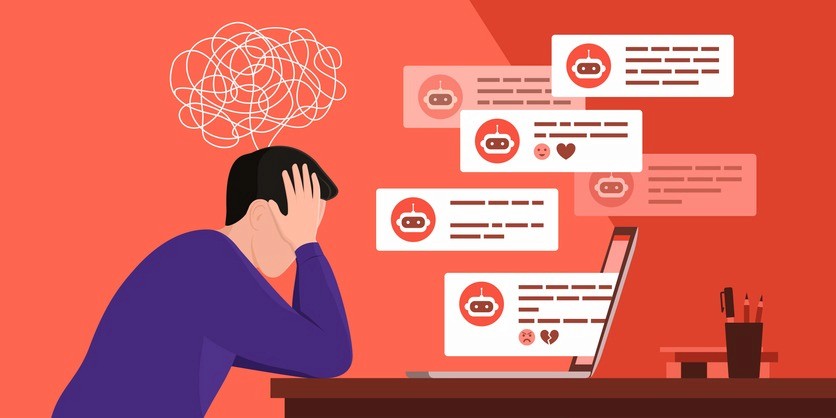
The risk of false safety is real. Users may feel emotionally supported while underlying conditions worsen. An AI companion can feel comforting and nonjudgmental, but that comfort might delay someone from seeking professional help when they truly need it.
Major organizations such as the American Psychological Association have issued clear advisories: AI wellness apps alone cannot solve the mental health crisis. The guidance is to use these tools only as a supplement or bridge, never as a full replacement for traditional therapy, particularly for moderate to severe mental health issues.
Benefits of AI Therapy Apps: Where They Help Most
Despite limitations, there are good reasons millions have turned to AI tools for mental wellness. The barriers to professional therapy remain high: cost, availability, stigma. AI apps address these barriers directly.
Why people gravitate to AI therapy:
Cost: Many apps offer a free version or low cost subscriptions, compared to $100–$250 per hour for human therapists
Availability: 24/7 access across time zones; no waitlists, no scheduling conflicts
Anonymity: Support without revealing your identity to another person, reducing stigma
Accessibility: Available in your native language, on your schedule, from anywhere with an internet connection
Specific use cases where AI shines in 2026:
Daily mood tracking to build self-awareness
Reinforcement of skills learned in human therapy sessions
Between-session check-ins when you need emotional support at 2 AM
Stress management for students, remote workers, and people in high-pressure environments
Building habits around self compassion and mindfulness practice
For many users, AI therapy apps serve as a gateway to human care. They normalize help-seeking, build awareness of patterns, and sometimes nudge people to schedule their first session with a licensed therapist. That’s a meaningful contribution to the mental health journey, even if it’s just the first step.
Risks, Limitations, and Safety Concerns
Growing concern from mental health professionals and organizations centers on over-reliance on AI for complex mental health needs. A 2025 Brown University study found that chatbots consistently violate APA ethical standards even when prompted to follow evidence-based guidelines, particularly with youth users.
Clinical risks to understand:
Misinterpretation or overlooking of crisis content, including suicidal ideation or violent thoughts
Overgeneralized or invalidating advice that feels supportive but misses the mark
Reinforcement of cognitive distortions through overly agreeable responses that avoid challenging unhealthy thinking
Failure to escalate appropriately when crisis care is needed
Creating a false sense of progress while serious conditions worsen underneath
Privacy risks are concrete:
Most AI therapy apps are not covered by HIPAA, meaning your sensitive information may not have the protections you expect
Data collected may be used for analytics, marketing, or even sold to third parties
Unclear policies about whether apps train their AI models on your conversations
Long-term implications of storing intimate mental health histories in commercial cloud systems
Potential for privacy breaches exposing your most vulnerable disclosures
Bias and misinformation concerns:
Large language models inherit biases from training data, producing cultural, racial, or gender-inappropriate responses
Users who are not native English speakers or who come from underrepresented backgrounds may receive lower-quality support
Crisis advice may be inconsistent across regions, languages, and cultural contexts
The dependency problem:
Some users develop unhealthy attachments to AI avatars, treating them as substitutes for human relationships. Excessive chat time or replacing real-world social contact with AI conversations can reinforce isolation rather than address it.
The safety principle is clear: these apps are tools, not relationships or clinicians. They should never be the sole line of defense during a mental health crisis, and anyone experiencing a mental health emergency should reach out to a crisis lifeline or seek professional help immediately.
Best AI Therapy Apps in 2026 (Including Free Options)
The following apps meet basic criteria for inclusion: transparency about limitations, safety disclaimers, clear crisis guidance, evidence-informed content, and active user bases as of 2026.
App | Model Type | Evidence Base | Pricing | Key Features | Best For |
Therabot | Generative AI (LLM) | RCT published in NEJM AI | Free (research) | CBT/DBT tools, crisis detection, mood tracking | Mild-moderate depression/anxiety |
Wysa | Hybrid (LLM + rules) | Observational studies | Free tier + $74.99-79.99/year premium | CBT/DBT exercises, optional human coaching, mood tracking | Daily stress management, anxiety |
Youper | Hybrid (NLP + rules) | Observational | Free tier + subscription | Emotional analysis, mood tracking, CBT techniques | Mood awareness, anxiety |
Elomia | Generative AI | Limited published data | Free tier available | 24/7 CBT/ACT/DBT style chat | Around-the-clock support |
Woebot | Hybrid (rules + NLP) | Peer-reviewed studies | Free | CBT-based conversations, daily check-ins | Structured daily support |
Therabot
Developed through Dartmouth research and tested in a randomized controlled trial, Therabot is the most rigorously studied option available. The trial showed significant symptom reduction across depression, anxiety, and eating disorder concerns. Users engaged for an average of six hours over eight weeks, and therapeutic alliance ratings were comparable to those with human therapists. Crisis detection routes users to appropriate resources. Best for people seeking evidence-based care for mild to moderate symptoms.
Wysa
With over 5 million users across 90 countries, Wysa is a leading option for accessible mental health support. The app combines AI chat with CBT and DBT-style exercises, plus optional human coaching for users who want occasional access to a real person. It has earned privacy credentials including Mozilla’s privacy award and is available on iOS, Android, and web. Best for daily stress management, anxiety support, and users who value strong data privacy protections.
Youper
Youper focuses on emotional analysis and mood tracking, using hybrid AI to help users understand patterns in their mental wellness. The conversational approach feels more like self-discovery than traditional therapy. Best for building emotional awareness and managing stress, though it is less structured than some alternatives.
Elomia
Elomia offers around-the-clock access to AI conversations using techniques from cognitive behavioral therapy, acceptance and commitment therapy, and dialectical behavior therapy. The free version provides substantial access. Best for users who need support outside business hours and want a low-cost entry.
Woebot
One of the earlier entrants in this space, Woebot uses rule-based systems combined with natural language processing to deliver structured CBT-based support. Daily check-ins and conversation-based exercises make it easy to build habits. Best for users who prefer consistent structure and want a free option without subscription pressure.
Important distinction: The apps above are designed specifically for mental health support and differ significantly from general AI friend apps like Replika, which some users informally treat as therapists. General companion apps typically lack crisis safeguards, evidence-based therapeutic content, and appropriate escalation protocols, and using them for therapy-like conversations carries higher risk of inappropriate advice or missed warning signs.
How to Choose a Safe and Effective AI Therapy App
Choosing an AI therapy app requires the same discernment you’d apply to any health care decision. Here’s how to evaluate your options before sharing sensitive information.
Key evaluation criteria:
Transparent privacy policy: Can you understand what data is collected, how it’s stored, and who it’s shared with?
Explicit disclaimers: Does the app clearly state it is not a replacement for professional mental health care?
Visible crisis resources: Are crisis lifeline numbers and emergency guidance easy to find?
Data control: Can you export or delete your data? Is there a clear process?
Model transparency: Do they explain who built the AI and what content it was trained on?
The 5-Question Checklist Before Trusting an App
Does this app explicitly state it is not a licensed therapist and cannot diagnose or treat mental health conditions?
Are crisis escalation tools accessible within one or two taps?
Is the privacy policy clear about data retention and third-party sharing? Can you delete your data?
Has the app been tested in peer-reviewed studies, with results published?
Are human professionals involved in oversight, especially for flagged high-risk content?
Accessibility considerations:
Language support; does it work well in your native language?
Offline modes for areas with unreliable connectivity
Low-bandwidth usability for mobile data users
Disability accommodations like voice support and adjustable fonts
When to stop using an app:
If it minimizes or fails to appropriately respond to thoughts of self harm
If you consistently feel worse after using it
If advice conflicts with guidance from your licensed therapist
If you notice you’re replacing human relationships entirely with AI conversations
If your symptoms are moderate to severe and not improving
AI for Clinicians: Therapy Note Takers and Scribes
Consumer AI therapy apps are just one piece of the picture. On the clinician side, specialized tools are transforming how mental health professionals manage documentation.
AI scribes and note-takers designed for therapists work differently from consumer apps. Tools like Mentalyc, s10.ai, and Twofold Health record or summarize therapy sessions with client consent and then generate structured progress notes in SOAP or DAP format. They integrate with EHR systems to streamline workflows.
Benefits for providers are substantial:
Elimination of note backlogs that contribute to burnout
More time and attention for actual client care
Better continuity through consistent, detailed records
Tracking of therapeutic “golden thread” across sessions
Privacy and compliance expectations differ significantly from consumer apps:
HIPAA, PHIPA, and SOC 2 compliance requirements
Business associate agreements (BAAs) with clear liability terms
Encryption of all data in transit and at rest
Options for anonymized transcripts when used for model training
Explicit policies against training on individual client data without consent
These clinician-facing AI tools use similar AI foundations but serve a fundamentally different purpose: they augment human support rather than attempting to replace it. The therapist remains the clinician; the AI handles administrative burden so the therapist can focus on the person in front of them.
The Future of AI Therapy: 2026–2028 Outlook
Regulation, research, and technical capabilities are evolving rapidly. The AI therapy landscape in 2028 will likely look quite different from today.
Regulatory trends to watch:
States beyond Nevada, Illinois, and Utah moving to regulate AI therapy representations
Potential federal oversight when apps make diagnostic or treatment claims
EU AI Act compliance requirements affecting global app availability
WHO guidance on large language models in health influencing international standards
Technical advances on the horizon:
Better multimodal sensing; voice tone analysis, facial expression detection with consent, and deeper insights from biometric data
Tighter integration with wearables for real-time mood and health tracking
Improved memory across sessions for truly personalized long-term support
Hybrid models blending AI coaching with human therapist oversight
Ethical priorities experts are calling for:
Stronger protections for minors, including age verification and parental consent
Explicit limits on engagement-maximizing designs that push excessive use
Mandatory algorithmic bias audits across race, culture, language, and gender identity
Standardized crisis-handling requirements with transparent escalation policies
The most promising future is hybrid. AI handles routine coaching, habit tracking, and between-session support. Human therapists focus on nuanced clinical judgment, relational depth, and high-risk care. Neither replaces the other; they work together to extend the reach of professional mental health care.
Market dynamics will also shift. Expect consolidation as smaller apps merge or get acquired, growth in employer-sponsored wellness tools, and potentially insurance reimbursement for AI-assisted mental health support if safety and evidence standards strengthen.
Conclusion
AI therapy apps are now common tools for managing stress, building emotional awareness, and practicing mental wellness skills. The technology has improved with better crisis safeguards, growing evidence, and clearer communication of limitations.
Use apps for skills practice, journaling, and low-intensity support, and turn to licensed professionals for diagnosis, complex symptoms, or treatment plans. Think of AI as a complement to human care, not a substitute.
Approach these tools with discernment: read privacy policies, check research testing, and prioritize safety. For everyday stress and habit building, AI apps can help, but for moderate to severe symptoms, seek a licensed therapist and use AI support only alongside professional care.
FAQ
What is an AI therapist and how does it differ from a real therapist?
What are the best AI therapy apps available in 2026, including free options?
Are AI therapy chatbots actually effective for mental health support?
Is it safe to share personal information with an AI counselor?
Can an AI therapist replace traditional therapy, or should it only be a supplement?