Artificial intelligence (AI) is transforming the web development landscape, ushering in a new era of smarter, faster, and more dynamic websites. No longer just a futuristic concept, AI is now a powerful tool that drives innovation across design, functionality, and user experience. From automated coding assistants to intelligent chatbots, AI is redefining how businesses connect with their audiences. Personalized recommendations, predictive analytics, and adaptive interfaces are creating highly engaging, user-focused digital experiences that boost satisfaction and loyalty. In this article, we’ll explore how AI is revolutionizing web design, enhancing user interaction, and fueling business growth, helping you stay ahead of the competition.
Key Takeaways
Artificial intelligence is transforming web development by automating processes, improving efficiency, and enabling faster design generation tailored to user preferences.
AI also enhances user experience through advanced features like personalization and natural language processing, making websites more intuitive and accessible for all users.
Fonzi revolutionizes AI talent acquisition by connecting companies with pre-vetted engineers through structured evaluations, increasing both efficiency and fairness in the hiring process.
Discover new AI tools and capabilities that are shaping the future of web development and redefining what artificial intelligence websites can achieve.
The Role of Artificial Intelligence in Modern Web Development

Artificial intelligence is revolutionizing modern web development by automating processes, enhancing efficiency, and enabling quick design generation. Developers now leverage AI algorithms to automate content creation, producing high-quality written material with unprecedented speed and accuracy. Automated coding assistants powered by AI can generate, improve, and refactor code, making it easier for developers to implement features and maintain code quality. This automation extends beyond content, as AI-driven tools streamline the entire web development process from initial design to final testing, significantly reducing manual work and improving efficiency. AI guarantees the process is complete and ready for deployment, minimizing the risk of overlooked steps.
The integration of AI in web design has introduced predictive analytics, allowing designers to anticipate user needs and optimize website performance before issues arise. Tools like Wix ADI and Bookmark’s AIDA are examples, as they enable users to create tailored websites quickly, analyzing individual preferences and industry standards to deliver personalized designs. This capability not only accelerates the build process but also improves the overall user experience, making websites more intuitive and engaging.
Looking ahead, the future of web design will become even more innovative, with AI-driven content creation and hyper-personalization adapting to users’ real-time needs. As generative AI continues to evolve, it will undoubtedly play a role in shaping digital landscapes. A common use case for AI in web development is automating content creation or optimizing website performance, helping businesses deliver better digital experiences.
Enhancing User Experience with AI
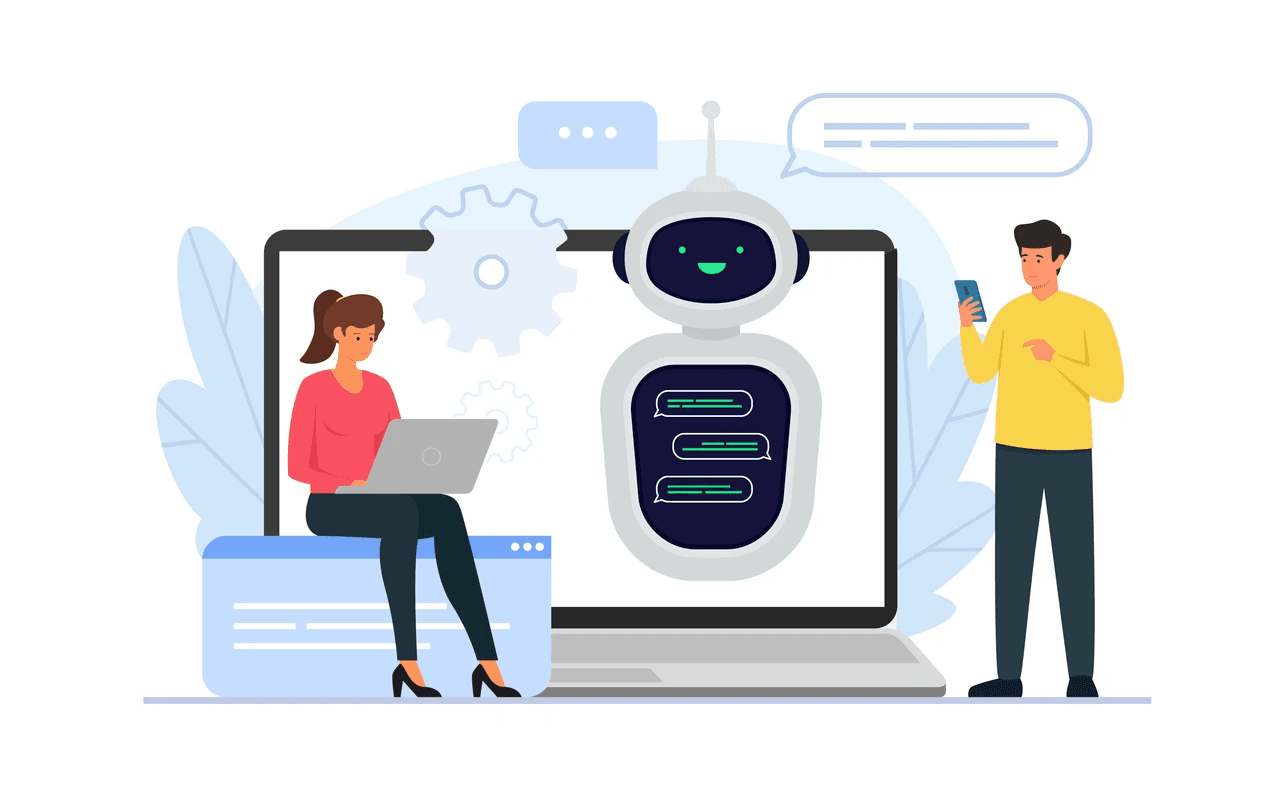
One of the most compelling applications of AI is its ability to enhance user experience through personalization. AI analyzes user behavior and preferences to offer tailored recommendations and interactions, creating a unique and engaging journey for each user. This personalization is advanced, with AI now capable of delivering experiences that feel individually crafted, significantly improving user satisfaction.
Natural Language Processing (NLP) plays a pivotal role in this transformation. NLP enables more human-like interactions through AI chatbots, where chat serves as a key communication method, and users can talk naturally with these bots, facilitating real-time, conversational engagement. These conversational interfaces are not only more intuitive but also more inclusive, making it easier for users of all backgrounds to navigate websites and find the information they need.
Moreover, AI’s impact extends to improving search engines and website accessibility in the following ways:
Machine learning algorithms refine search results, providing more relevant responses based on user queries and ensuring comprehensive details are included in the answers.
AI tools can identify accessibility issues and suggest improvements, such as automating alt text for images.
AI also provides detailed answers to user queries, improving the quality and accuracy of information delivered.
These improvements guarantee that websites are usable for all users. The result is a more inclusive, efficient, and user-friendly web experience.
AI for Business Websites
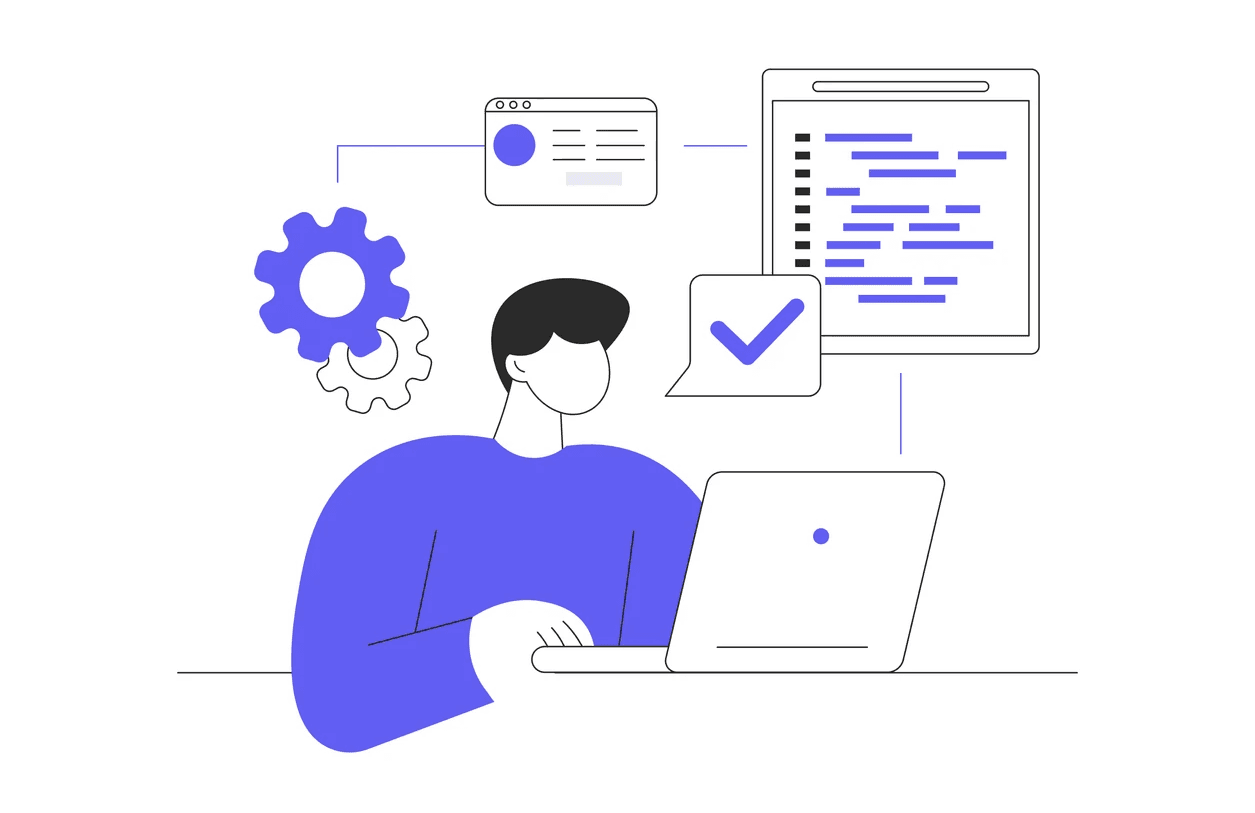
For businesses, AI can enhance operational efficiency and driving innovation. Key benefits include:
Automating repetitive tasks, freeing up resources for employees to tackle more complex and value-added activities
Extending automation to customer support, where AI agents can handle live customer interactions and basic inquiries
Providing quicker response times and improving customer satisfaction
In the world of e-commerce, AI-based technologies offer several advantages:
AI-based image recognition enables users to upload images for analysis or to virtually try products, boosting online sales and enhancing the shopping experience
AI can automate the process to save important data or files, such as customer orders or images, streamlining business operations
AI improves accessibility on business websites by automating tasks such as generating alt text for images, ensuring that sites are usable by all customers
Tools like FullStory leverage behavioral analytics to optimize user experiences, providing actionable insights that help businesses refine their online presence
Beyond operational efficiencies, AI’s analytical capabilities are invaluable for making informed decisions. AI analyzes large datasets to uncover patterns and trends that guide business strategies and product development. This ability improves decision-making, allowing businesses to explore new ideas and optimize their products and services.
AI Platforms Powering the Web

AI platforms power the next wave of web innovation by providing the tools needed to build and deploy advanced AI models. Platforms like Google Cloud offer services such as natural language processing, image recognition, and machine learning, enabling applications that understand text, analyze images, and generate content.
With pre-built models and APIs, developers and businesses can quickly create AI-powered features like assistants, automated support, and personalized experiences, making it easier than ever to turn ideas into real-world solutions.
Generative AI: Transforming Content Creation Online
Generative AI is reshaping the way we create and experience content online. This cutting-edge technology enables AI models to generate entirely new text, images, and audio, opening up a world of creative possibilities for developers and users alike. With generative AI, it’s now possible to create high-quality blog posts, engaging videos, and original music with just a few clicks.
One of the most exciting aspects of generative AI is its ability to personalize content. For example, AI can generate audio summaries of lengthy videos, making it easier for users to quickly grasp the main points without watching the entire video. Developers can also use generative AI to create interactive stories, games, and even personalized product recommendations, enhancing user engagement and satisfaction.
By using generative AI, businesses and individuals can produce innovative, tailored content that resonates with their audience. Whether you’re looking to create compelling marketing materials, develop new forms of entertainment, or simply make information more accessible, generative AI is a powerful tool that’s transforming the landscape of online content creation.
AI Models: The Brains Behind the Web’s Smartest Tools
At the core of today’s smartest web tools are AI models, sophisticated systems trained on massive datasets to deliver powerful capabilities. These models are the brains behind applications that can understand natural language, recognize images, and even generate audio, making them indispensable for developers and businesses seeking to create intelligent solutions.
AI models excel at tasks like translating text, analyzing images, and providing personalized recommendations. For example, an AI model can analyze user data to suggest products tailored to individual preferences, boosting engagement and conversion rates. Developers can use these models to build tools that automate complex processes, enhance user experiences, and deliver insights from vast amounts of data.
With their ability to learn and improve over time, AI models are a powerful tool for driving innovation across industries. By integrating these models into web applications, developers can unlock new capabilities, create smarter solutions, and transform the way users interact with the digital world.
Top Artificial Intelligence Websites & How AI Models Are Shaping the Web
The rapid evolution of AI technologies has led to the emergence of numerous impactful websites that leverage these advancements. Many artificial intelligence websites offer free access to tools and resources, making it easier for users to experiment and learn without cost barriers. Leading the charge are platforms like OpenAI, Google AI, and IBM Watson, which play a pivotal role in democratizing access to AI tools and resources. Visit these websites to explore their offerings and discover a wide range of AI-driven solutions. These websites provide developers and businesses with the means to integrate cutting-edge AI functionalities into their projects, making sophisticated AI accessible to a broader audience.
These AI-driven platforms are reshaping the web landscape by enabling smarter functionalities, enhancing automation, and improving personalization. For example, Gemini is a notable AI tool available on some of these platforms, offering creative content generation and integration with various workflows. Many AI tools can be accessed directly through a web browser, providing users with the convenience of experimenting, prototyping, and deploying AI models online. For instance, Google AI’s contributions have made search engines more accurate and responsive, providing users with the most relevant information quickly. Similarly, AI-based platforms are improving the interactivity and intuitiveness of websites, making user experiences more engaging and personalized.
Summary
Artificial intelligence is reshaping the web by automating development workflows, enhancing user experiences through personalization and conversational interfaces, and enabling businesses to operate more efficiently. From AI-powered design tools and coding assistants to generative content, smart models, and scalable platforms, AI is making websites faster to build, more engaging, and more intelligent. As these technologies continue to evolve, they are redefining what modern websites can do and creating new opportunities for innovation, growth, and smarter digital experiences across industries.
FAQ
How does AI improve web development processes?
What role does NLP play in enhancing user experience?
How does Fonzi ensure the quality of AI hires?
What are some benefits of using AI for business websites?
What ethical considerations are important in AI hiring?