
You’re in a San Francisco coffee shop, tap your Apple Watch, and the payment completes before you finish your order. Later, you buy a jacket with one click through Amazon Pay, and in the evening, you split dinner with friends using Google Pay, moving money instantly.
By 2026, the traditional checkout, where you fumble for cards, enter numbers, and wait for authorization, has mostly disappeared. Apple Pay, Google Pay, and Amazon Pay transformed phones and accounts into instant payment tools, while Meta experimented with payments in messaging and social commerce.
Understanding how big tech reshaped digital payments matters for consumers, merchants, and founders, as these platforms influence financial data, commerce choices, acquisitions, and jobs that will define the next decade.
Key Takeaways
Apple, Google, Amazon, and Meta now handle a large share of global consumer payments, shifting power from banks and card networks to platform-led experiences.
Big tech uses data, AI, and biometrics to improve security and personalization, raising privacy and competition concerns under active regulatory scrutiny worldwide.
The payments technology boom drives strong demand for AI engineers, with rapid hiring needed for fraud detection, real-time processing, and embedded finance, and platforms like Fonzi help companies hire top talent quickly.
The Evolution of Big Tech in Digital Payments
The journey from cash and checks to tap-and-go took several distinct waves, each shifting value toward different players in the financial ecosystem.
In the late 1990s, Amazon pioneered stored payment credentials for e-commerce, letting customers save cards for faster repeat purchases. PayPal emerged as the trust layer for online transactions, handling payments between strangers on eBay. When eBay acquired PayPal in 2002, it validated the idea that technology companies, not just banks, could become responsible for moving money at scale.
The smartphone era changed everything. Apple Pay launched in October 2014 with tokenization and biometric authentication, making the iPhone a secure payment device. Android Pay followed in 2015, eventually merging into Google Pay in 2018 with expanded P2P and merchant payment features. Amazon Pay grew through the mid-2010s, letting customers use their Amazon credentials on third-party sites. Facebook Pay arrived in 2019, and WhatsApp Pay rolled out in India and Brazil between 2020 and 2021.
Each wave shifted control. Banks owned online banking in the early days. Card networks like Visa dominated e-commerce with their rails and fraud protections. Now platform-led wallets integrated into devices and social networks sit between consumers and traditional financial infrastructure. The firm that controls the checkout experience captures the data, sets the terms, and increasingly captures the revenue that previously went to intermediaries.
How Big Tech Payment Platforms Work
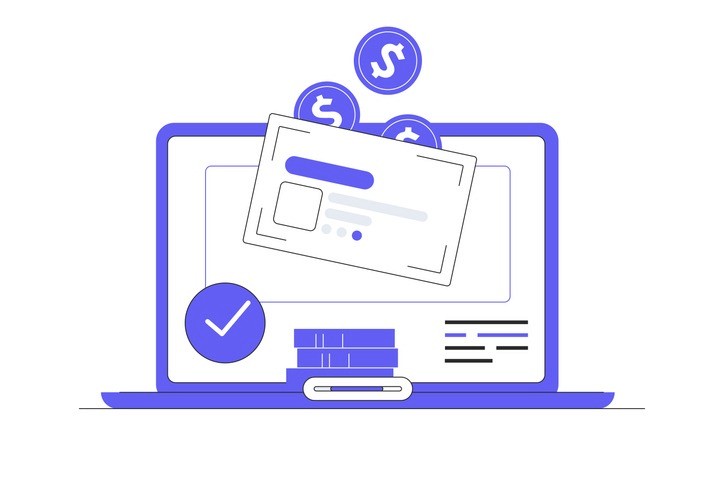
Big tech operates as the “front end” for payments, the interface you see and touch, while relying on banks, card networks, and licensed partners as the “back end” that actually moves money between accounts.
When you tap your phone at a terminal or click “Pay” in an app, a sophisticated orchestration happens in milliseconds. The platform authenticates you through biometrics or device credentials, generates a token representing your card, routes the transaction to the appropriate processor, and triggers fraud detection models that analyze hundreds of signals in real time.
Tokenization is the key technology making this work securely. Instead of transmitting your actual card number, platforms like Apple Pay and Google Pay create unique tokens that are useless if intercepted. Combined with device binding, linking the token to a specific phone or watch, and biometric authentication like Face ID or fingerprint scanning, this creates security that often exceeds traditional card payments.
Apple Pay and the Power of the Device Ecosystem
Apple Pay, Apple Cash, and Apple Card form a deeply integrated financial ecosystem across iOS, Apple Watch, Safari, and Apple Wallet. Since 2014, this integration has made Apple the default payment method for hundreds of millions of users who simply tap their devices to pay.
The technical architecture is sophisticated. Apple Pay uses a Secure Element, a dedicated chip that stores payment credentials encrypted and isolated from the main operating system. When you authenticate with Face ID or Touch ID, the system generates a one-time token and dynamic security code. The merchant never sees your actual card number, and Apple claims it does not store transaction history on its servers.
Apple’s financial ambitions have grown significantly. Apple Card launched in 2019 through a partnership with Goldman Sachs, offering cash back and tight integration with the Wallet app. The company now earns revenue from payment processing fees, card interest, and the broader lock-in that keeps users in the Apple ecosystem.
Control over NFC on iPhones has drawn regulatory scrutiny. For years, only Apple Pay could use the iPhone’s tap-to-pay hardware, blocking competitors like banks and rival wallets. In 2024, the European Commission required Apple to open NFC access to third-party wallet providers across the EU, allowing competing apps to offer contactless payments on iPhones. Regulators in the US continue to examine whether Apple’s control over mobile payment infrastructure creates unfair competition.
Google Pay and Android’s Open Payments Layer
Google Pay evolved from Google Wallet and Android Pay to become both a tap-to-pay wallet and a broader financial services platform. Its approach differs from Apple’s closed model, as Android allows multiple wallets and payment apps to access NFC and integrate with the operating system.
In India, Google Pay became a dominant force through the Unified Payments Interface (UPI), a government-backed system enabling instant bank-to-bank transfers. Users can pay merchants via QR codes, send money to contacts, and pay bills, all without credit cards or traditional banking relationships.
Google leverages Android’s scale to offer APIs for in-app payments, subscriptions, and transit passes. Developers building apps for Android’s billions of users often integrate Google Pay as their primary checkout option, creating a network effect that makes the platform more valuable for consumers and merchants alike.
The contrast with Apple matters for competition. Android’s relatively open approach, where Samsung Pay, PayPal, and bank apps can also access payment hardware, creates a more competitive market. However, analysts note Google still advantages its own services through Play Store policies and default settings, raising questions about whether open truly means fair.
Amazon Pay, One-Click Checkout, and Embedded Commerce
Amazon turned its marketplace dominance and hundreds of millions of stored payment credentials into Amazon Pay, a checkout option that works across third-party websites. The value proposition is simple: customers trust Amazon with their card data, so letting them use those credentials elsewhere reduces friction and increases conversion.
One-click purchasing, which Amazon pioneered and previously held patents on, fundamentally changed consumer expectations. The gap between “I want this” and “I bought this” collapsed to a single tap. Merchants who integrate Amazon Pay report higher conversion rates, particularly for impulse purchases where any additional friction, such as entering addresses or typing card numbers, causes abandonment.
Amazon’s payment infrastructure extends beyond the checkout button. The company offers merchant financing through Amazon Lending, handles subscription billing for services like Prime, and operates cashierless Amazon Go stores where payments happen automatically as customers walk out. Amazon Web Services (AWS) also provides payment processing infrastructure for other companies, creating revenue streams across the entire value chain.
The risk for competitors is clear. Amazon sits at the intersection of logistics, cloud computing, and payments, creating synergies that standalone payment companies struggle to match. A merchant using Amazon Pay, fulfilling through Amazon warehouses, and running on AWS faces switching costs that compound over time.
Meta, Messaging, and Social Commerce Payments
Meta’s payment ambitions span Facebook Pay, now Meta Pay, Instagram Checkout, and WhatsApp Pay, aiming to turn social interactions and messaging into commerce surfaces where discovery, conversation, and payment happen without leaving the app.
WhatsApp Pay launched in India in 2020 and expanded to Brazil, leveraging WhatsApp’s massive user base to enable peer-to-peer transfers and merchant payments through UPI and local payment rails. The target is the billions of users who already communicate through the platform, and adding payments creates a sticky ecosystem where money moves as easily as messages.
Meta’s most ambitious payment project, the Libra stablecoin, announced in 2019 and later renamed Diem, collapsed under regulatory pressure by 2022. Central banks and financial regulators worldwide viewed a global currency controlled by a social media company as a systemic risk to monetary policy and financial stability. The failure illustrates the limits of what regulators will allow big tech to control.
Despite setbacks, Meta continues pushing into payments through in-app purchases, creator monetization, and business messaging. The company’s strength lies in reaching small merchants and individuals who already spend hours on its platforms. Privacy concerns following past data controversies create headwinds, but the potential market, with billions of users and trillions in transactions, keeps Meta investing.
Benefits of Big Tech in Digital Payments
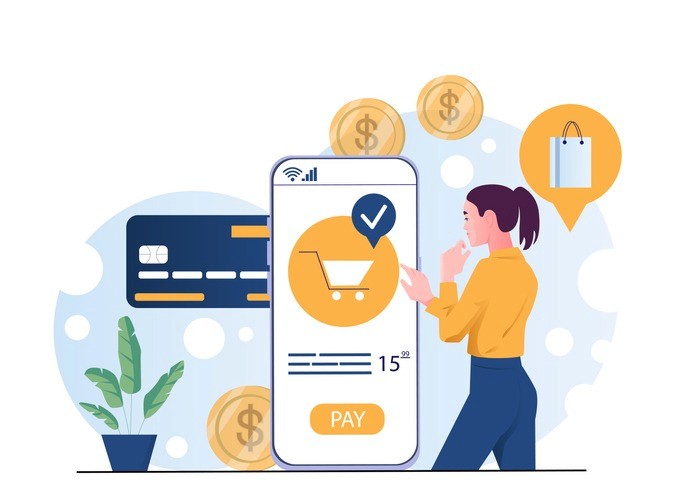
Despite legitimate concerns about concentration and control, big tech has driven massive improvements in speed, convenience, and accessibility for everyday payments. Understanding these benefits helps explain why adoption has grown so rapidly.
Convenience, Speed, and Frictionless UX
Big tech turned payment into a background action. One tap, one face scan, one click, and the transaction completes while you are already thinking about something else. Cards stay in wallets. Passwords remain untyped. Addresses auto-fill from stored profiles.
This shift in user experience extends across contexts. Transit passes live in Apple Wallet, activated by holding your phone near a turnstile. YouTube creators receive tips through Google Pay integrations. Amazon’s “Subscribe and Save” handles recurring purchases without any checkout at all. The payment becomes invisible, embedded into the action you actually wanted to take.
Security, Fraud Prevention, and Trust Signals
Tokenization, biometrics, and AI-based fraud detection have made digital payments through big tech platforms genuinely more secure than many traditional alternatives for certain use cases.
When you pay with Apple Pay, the merchant never receives your actual card number. If their systems are breached, attackers get tokens that do not work anywhere else. Face ID authorization means a stolen phone cannot be used for purchases without the owner’s face. Google’s risk engines analyze device signals, location patterns, and transaction history to flag anomalies before they become losses.
These security investments create trust signals that drive adoption. Consumers who previously worried about digital payments, remembering breaches at retailers who stored card numbers, now trust platforms that visibly prioritize security. The concerns have not disappeared entirely. Account takeover, sophisticated phishing, and social engineering remain risks, but the overall trend shows improved security for many common transaction types.
Financial Inclusion and Small-Merchant Enablement
Perhaps the most positive impact of big tech in digital payments is enabling previously excluded populations and businesses to participate in the digital economy.
In India, Google Pay and PhonePe brought digital payments to tens of millions of small merchants through simple QR codes. No expensive card terminals are required. No complex merchant account applications. A shopkeeper can print a QR code and start accepting digital payments the same day, with funds settling instantly to their bank account.
Similar dynamics play out globally. Small app developers can monetize their work through Google Play and the App Store, reaching customers in 200 countries without building payment infrastructure. Creators on platforms like YouTube, Instagram, and TikTok receive payments from fans through integrated tipping and subscription features. The barriers to accepting money from customers have dropped dramatically.
For underbanked populations, mobile wallets tied to phone numbers rather than bank accounts create pathways into the formal financial system. While critics note this still concentrates power with big tech, the practical impact for users who previously operated entirely in cash has been transformative.
Risks, Challenges, and Regulatory Concerns
As big tech gains more control over payment flows and the data they generate, regulators, competitors, and consumer advocates have raised serious concerns about privacy, competition, and systemic risk.
Data Concentration and Privacy Concerns
When your payments flow through platforms that also track your searches, social connections, location, and device usage, the resulting data profiles become extraordinarily detailed.
Big tech knows what you buy, where you shop, how much you spend, and how those patterns correlate with everything else you do online. This data powers better fraud detection and personalized experiences, but also enables surveillance capitalism where your financial behavior becomes another input for advertising targeting and algorithmic prediction.
Global privacy frameworks attempt to limit misuse. GDPR in the European Union requires consent for data processing and grants users rights to access and delete their information. California’s CCPA and CPRA provide similar protections for US residents. Enforcement actions and fines have targeted big tech’s data practices, though critics argue penalties remain too small to change behavior.
The concerns extend beyond advertising. Researchers worry about discriminatory pricing, where platforms charge different users different amounts based on predicted willingness to pay. Insurance companies and lenders could theoretically access payment patterns to make coverage and credit decisions. The shift in what data exists and who controls it has implications that regulators are still learning to address.
Market Power, Competition, and “Gatekeeper” Roles
Platform owners who control operating systems, app stores, and default wallet settings have structural advantages that raise antitrust questions worldwide.
Apple’s control over NFC on iPhones meant competitors could not offer tap-to-pay services, forcing them to route through Apple Pay or forgo contactless payments entirely. Amazon’s position in e-commerce means merchants often feel compelled to accept Amazon Pay regardless of the terms.
The European Commission has been most aggressive in addressing these concerns. The Digital Markets Act designates certain big tech companies as “gatekeepers” with specific obligations around interoperability, data access, and fair treatment of competitors. Apple has been required to open NFC access to rival wallets in the EU. Google faces ongoing investigations into Play Store payment practices.
Banks, card networks, and fintech startups worry that big tech’s dominance in user interfaces will squeeze their margins. If consumers interact with Apple Pay rather than their bank’s app, brand relationships and customer data flow to Apple. Visa and Mastercard remain essential as backend rails, but their direct connection to consumers weakens as wallets intermediate the experience.
Regulatory Responses and Emerging Rules
Different regions are taking different approaches to regulating big tech in payments, reflecting varying priorities around competition, data protection, and financial stability.
Region | Main Concern | Key Laws/Actions | Impact on Big Tech Payments |
European Union | Competition and interoperability | Digital Markets Act (2023), antitrust fines, NFC access mandates | Forces opening of NFC, limits self-preferencing, requires data portability |
United States | Antitrust and market power | DOJ and FTC investigations, app store payment lawsuits, state-level actions | Ongoing litigation may force changes to app store terms and wallet policies |
India | Data localization and market concentration | UPI market share caps, data localization requirements | Limits any single player to 30% UPI share, requires local data storage |
China | Financial stability and tech control | Ant Group IPO halt (2020), fintech regulations, platform antitrust | Significantly constrained tech giants’ financial services expansion |
Big Tech, Digital Payments, and the Future of Work
The same technology forces reshaping payments are transforming the job market for engineers, data scientists, and financial technology professionals. Big tech’s payment push creates demand while also displacing traditional roles.
As platforms scale to handle billions of transactions daily, they need engineers who understand both payments infrastructure and machine learning. Fraud detection requires real-time AI models processing thousands of signals per transaction. Risk scoring demands data scientists who can build adaptive systems that learn from patterns across millions of users. Authentication needs security engineers who can implement biometrics, behavioral analytics, and zero-trust architectures.
This creates a hiring challenge that extends beyond big tech itself. Banks, fintech startups, and traditional retailers all need the same scarce talent pool to compete. Data compiled from industry reports shows 20 to 30 percent growth in FinTech engineering hires, with particular demand for AI specialists who can build the systems that make modern payments work.
The gap between companies that can attract elite AI talent and those that cannot widen every quarter. Big tech offers competitive compensation, interesting problems, and scale that few startups can match. Yet startups need these engineers to build differentiated products, and enterprises need them to modernize legacy systems.
This is where hiring velocity becomes a competitive advantage. When the market moves in weeks, hiring processes that take months create existential risk. Fonzi addresses this directly, enabling companies from early-stage startups to large enterprises to hire elite AI engineers within three weeks rather than months. Whether you are making your first AI hire or scaling to your tenth thousandth, the candidate experience remains consistent and the process stays fast.
Conclusion
Big tech is central to how money moves. Apple, Google, Amazon, and Meta have built payment experiences that billions of consumers use daily, delivering convenience and security that traditional financial institutions struggled to match. The earnings from payments and strategic acquisitions will shape the financial services landscape for years.
For CTOs, founders, and hiring managers, the message is clear: building AI capabilities is essential, and hiring velocity is a competitive advantage. Fonzi enables companies to hire elite AI engineers quickly, from the first hire to the 10,000th, often filling positions within three weeks while maintaining a strong candidate experience.
FAQ
How do big tech earnings and layoffs affect the broader job market?
What role does big tech play in job creation vs. job displacement?
How do big tech acquisitions impact hiring at startups and mid-size companies?
Which big tech companies are hiring the most in 2026?
How does big tech’s push into digital payments and AI create new roles?