The Coolest Tech Companies to Work for in 2026
By
Samara Garcia
•

The definition of a “cool” tech company has changed. In 2026, engineers care more about mission-driven AI work, genuine employee wellbeing, ethical practices, and clear paths for personal development than office perks.
Several forces shaped this shift. AI-first products are now central to nearly every major tech company. Salary transparency laws in states like California, New York, and Colorado require employers to share compensation upfront. Hybrid work models are now standard for work-life balance, and curated talent marketplaces offer alternatives to the exhausting traditional job board approach.
This guide comes from Fonzi AI, an AI-focused talent marketplace working with startups and major tech employers. We highlight standout tech companies, show how AI is reshaping hiring, introduce Fonzi Match Day, and provide prep tips for AI, ML, infra, and LLM specialists ready to land their next opportunity.
Key Takeaways
The coolest tech employers in 2026, including Google, NVIDIA, Microsoft, OpenAI, and Anthropic, reward AI, ML, and infra engineers with meaningful work, strong compensation, and real work-life balance rather than superficial perks.
“Cool” now means ethical AI practices, transparent pay, clear professional growth, and flexible work environments instead of free snacks or ping-pong tables.
Fonzi AI is a curated talent marketplace that uses bias-audited evaluations and 48-hour Match Day events to connect candidates with top startups and tech companies while maintaining human-led hiring.
The Coolest Big Tech Employers for AI & Infra Talent in 2026
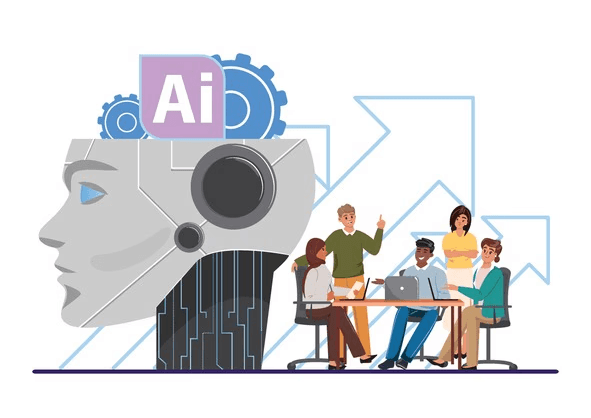
Big Tech remains highly desirable in 2026 for good reasons: unmatched compensation packages, global impact, stability during market volatility, and access to resources that smaller companies cannot match. For AI engineers and infrastructure specialists, these tech giants offer exposure to problems at a scale that does not exist anywhere else. Here is what makes each stand out.
Google (Alphabet) continues its dominance in search, Android, and Google Cloud. DeepMind’s work on Gemini and robotics research places Google at the frontier of AI innovation. Employees enjoy strong development programs, flexible hybrid hubs across the Bay Area, New York, London, and other cities, and a culture that emphasizes responsible AI principles. For ML researchers and LLM specialists, Google offers access to massive datasets and cutting-edge infrastructure.
Microsoft has cemented its leadership in Azure AI, GitHub Copilot, and its strategic OpenAI partnership. The 2025 Glassdoor rankings consistently placed Microsoft among top companies for employee satisfaction, particularly praising work life balance and internal mobility. Engineers can transition across research, infra, and product roles, with approximately 25 percent taking advantage of internal mobility programs. If you value stability alongside innovation, Microsoft is a top choice.
NVIDIA stands as the emblem of the AI hardware era, achieving the world’s first $5 trillion valuation driven by demand for its GPUs. From H100 to Blackwell chips, plus software stacks like CUDA and NeMo, NVIDIA underpins AI infrastructure globally. The company culture emphasizes high performance, and employees work on cutting-edge chip design and AI platforms. The equity upside is exceptional, though the intensity matches the rewards. For systems and ML engineers who thrive under pressure, NVIDIA offers unparalleled professional growth.
Apple maintains its position among the world’s most valuable brands through tightly integrated hardware-software ecosystems. AI roles focus on on-device intelligence, privacy-preserving ML, and custom silicon like the M-series chips. The culture emphasizes secrecy and polish, with a meticulous focus on consumer electronics excellence. Strong employee benefits and genuine investment in wellbeing make Apple attractive for those who value craftsmanship over speed.
Meta has embraced open-source AI with its Llama models while continuing to dominate large-scale recommendation systems and pushing boundaries in VR and AR through Reality Labs. The environment is fast-paced with high expectations, but career growth and research visibility are excellent. For engineers comfortable with intensity and interested in shaping social technology at scale, Meta offers significant opportunities.
Many of these employers, including Microsoft, Google, and NVIDIA, consistently appear in 2025 and 2026 “best places to work” and “top companies for career growth” lists from Glassdoor, LinkedIn, and Universum’s World’s Most Attractive Employers survey.
It is worth noting that Fonzi partners primarily with AI-first startups and high-growth tech companies rather than every FAANG employer. However, the same evaluation criteria, including technical depth, culture, compensation, and growth, apply whether you are considering a role through Fonzi or directly with a tech giant.
Breakout AI Startups and Scaleups That Are Actually Great Places to Work
The coolest employers for AI engineers in 2026 are often startups and scaleups with fewer than 1,000 employees. At these companies, you can own systems end-to-end, ship models and products faster, and see your contributions directly impact the business. The tradeoff in stability is often worth the acceleration in learning.
Here are some well-known AI players that candidates frequently ask about:
Mission-driven focus on safe, beneficial AGI with massive industry influence
Technical stack centered on LLMs, RLHF, and cutting-edge evals
Research-driven culture with significant resources and top-tier talent density
Anthropic
Strong emphasis on AI safety and constitutional AI approaches
Known for rigorous hiring and a thoughtful, mission-aligned culture
Competitive compensation with San Francisco as a primary hub
Cohere
Enterprise-focused LLM platform with strong go-to-market execution
Product-driven culture balancing research and commercial applications
Remote-friendly with hubs in Toronto and other cities
Scale AI
Data labeling and ML infrastructure at massive scale
High-velocity environment with broad exposure to AI workflows
Strong track record of preparing engineers for leadership roles
Building AI-native search and information retrieval products
Fast-moving startup energy with ambitious technical challenges
Significant funding and rapid growth trajectory
In 2026, startup “cool factor” means real runway, a clear path to product-market fit, genuine focus on responsible AI, and transparent expectations.
How AI Is Changing Hiring in 2026 and Where It Goes Wrong
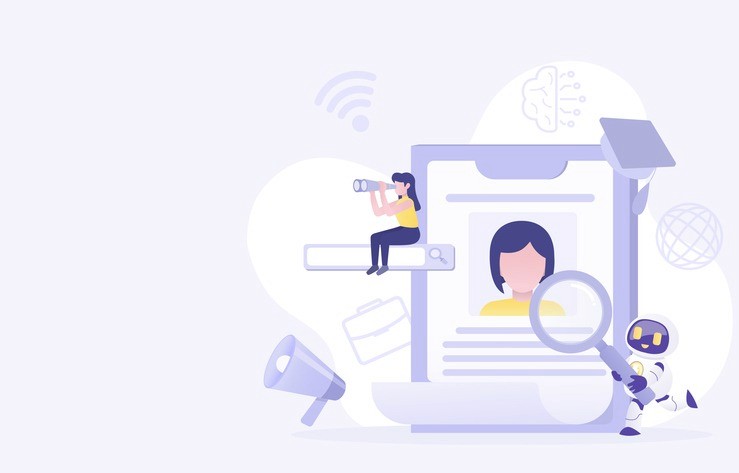
AI entered hiring gradually and then all at once. Between 2018 and 2024, resume parsers, automated scoring systems, and video-interview filters became standard tools. The promise was efficiency with faster screening, reduced recruiter workload, and better matches. The reality often fell short.
By 2024 to 2026, regulatory and market pressure intensified. Candidates pushed back against opaque rejection emails with no feedback. Jurisdictions began requiring auditability, explainability, and fairness in AI hiring tools. The information technology industry faced a reckoning: AI that helps humans hire better or AI that dehumanizes the process.
Common ways companies misuse AI in hiring include over-relying on keyword-matching instead of genuine skill signals, deploying video-analysis tools that infer personality traits from facial expressions, letting generic chatbots gatekeep candidates rather than help them navigate, and using black-box algorithms that provide no insight into why candidates are rejected.
The best tech employers now use AI to surface high-signal profiles to humans rather than auto-reject, to standardize question sets and rubrics to reduce interviewer variance, to automate scheduling and logistics so recruiters can focus on candidates, and to provide feedback and transparency rather than silent rejection. The goal is AI that increases clarity and speed rather than replaces human judgment in hiring decisions.
Why Fonzi AI Belongs on Any 2026 “Cool Tech Companies” List (Even If We’re a Marketplace)
Fonzi isn’t your employer but functions as a high-signal “home base” for your AI and ML career. It connects you to top tech companies while respecting your time and agency.
What Fonzi AI is:
A curated talent marketplace specifically for AI, ML, full-stack, backend, frontend, and data engineers
Built around recurring hiring events called Match Day where vetted companies compete to interview and hire vetted candidates
A platform where employees feel valued because the process prioritizes their experience
What makes Fonzi “cool” from a candidate’s perspective:
Free for candidates; companies pay an 18% success fee on hires
Salary ranges are committed upfront before introductions with no “mystery comp” situations
Human concierge recruiter support alongside AI tooling so you won’t get lost in an automated ATS void
Generous paid time saved by avoiding months of uncoordinated applications
Fonzi’s bias-audited evaluation approach:
Structured profiles and skill signals based on projects, open-source contributions, and past experience
Automated checks focused on fraud detection (impostor candidates, fake experience) rather than filtering out real humans
Regular bias audits on scoring logic to ensure underrepresented groups aren’t pushed down the funnel
Transparent processes where you understand why matches happen
Companies on Fonzi include:
Venture-backed AI startups building applied LLM products
Growth-stage SaaS and infra companies with strong runway
Select established tech firms building AI-driven products across healthcare, fintech, developer tools, and more
Inside Fonzi’s Match Day: How a 48-Hour Hiring Sprint Works
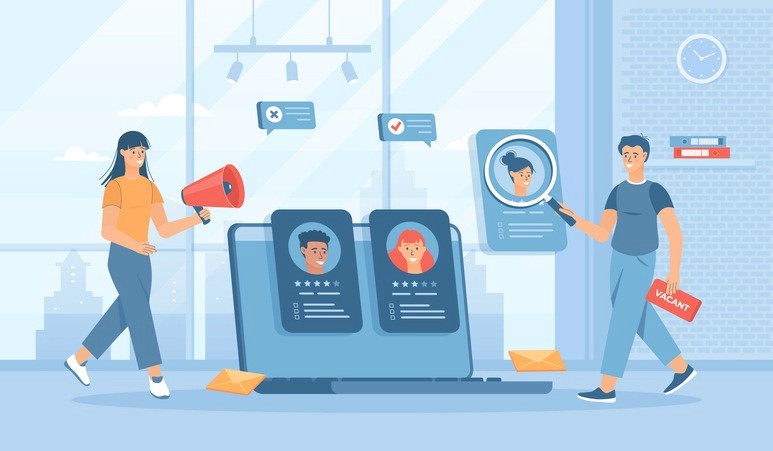
Match Day is a time-boxed hiring event designed to surface high-intent opportunities without dragging through months of uncoordinated interviews. You apply once and access a curated set of employers in a single sprint.
The step-by-step Match Day flow:
Pre-event:
Engineer applies once, shares background (3+ years experience, AI/ML/infra focus), and completes profile
Fonzi vets and approves candidates based on experience and skill signals
Week before:
Participating companies lock in roles, salary bands, and interview plans
Engineers preview companies and role summaries to identify priorities
During the 48-hour Match Day:
AI + human curation generates matches based on skills, stack, and seniority
Companies send interview or “meet” requests
Engineers choose which to accept; you’re in control
Post-event (next 1–2 weeks):
Interviews are scheduled and batched efficiently
Offers and feedback are shared quickly, often within days
The onboarding process begins for successful matches
Fonzi’s AI supports:
Matching based on actual skills and seniority, not just job titles
Time-zone and availability-aware scheduling suggestions
Insights to companies on where they’re losing candidates (unrealistic comp, slow responses)
Humans, including Fonzi’s talent team and company hiring managers, always make final decisions on matches and offers. AI serves as a speed and clarity tool, not a gatekeeper.
Traditional Tech Job Search vs. Fonzi Match Day
Here’s how the traditional job search compares to Fonzi’s Match Day experience across key dimensions that matter to AI and ML engineers:
Aspect | Traditional Tech Job Search (2024–2026 Reality) | Fonzi AI Match Day Experience |
Time to first serious interview | 4–12 weeks after initial application | 48 hours to first interviews; 1–2 weeks to offers |
Number of applications sent | 50–200+ applications with low response rates | 1 application to access 10–30+ curated companies |
Salary transparency | Often unclear until late-stage interviews | Salary ranges committed upfront before any intro |
Interview coordination | Candidate manages multiple calendars and time zones | Concierge support handles scheduling and logistics |
Signal from rejections/feedback | Generic "we've decided to move forward with other candidates" emails | Structured feedback where available; clear next steps |
Bias and noise | Black-box ATS filters; keyword matching dominates | Bias-audited matching; human oversight on all decisions |
Candidate experience | Exhausting, opaque, often demoralizing | Efficient, transparent, designed around engineer time |
The difference is stark. Traditional searches force you to do the bare minimum of 50+ applications just to get a few responses. Match Day inverts this: apply once, get vetted, and have companies compete for your attention.
How to Evaluate “Cool” Tech Employers as an AI/ML Engineer

Cool branding and big model launches don’t always equal a healthy work environment or a good career move. Engineers should probe deeply before accepting any offer. Here are the evaluation lenses that matter in 2026:
Technical bar:
Depth of infrastructure and quality of data pipelines
Volume and quality of training data access
Seriousness of research or applied ML and whether they are actually shipping
Code-review culture and design rigor
Product and mission:
Whether AI is core to the product or just a marketing feature
Whether you are shipping something meaningful to users or just building hype slides
How customer engagement relates to the ML systems you would build
Culture and expectations:
Expected hours and on-call load
Psychological safety and ability to provide feedback
Mentorship programs and clear promotion paths
How employees describe their day-to-day
AI ethics and governance:
How the company handles privacy, safety, and red-teaming
Compliance posture and transparency about model limitations
Whether employee development includes ethics training
Remote/hybrid norms:
Offices vs distributed hubs across cities like San Francisco, New York, Santa Clara, or San Jose
Time zones supported and async culture
Travel cadence and flexibility for remote employees
Concrete questions to ask during interviews:
“How do you measure success for ML projects after launch?”
“How are model decisions audited for fairness or correctness?”
“What percentage of engineering time goes to infrastructure vs experiment velocity vs firefighting?”
“How does your team ensure employees feel valued and prevent burnout?”
On Fonzi, many of these signals are surfaced in company briefs and recruiter conversations so you can prioritize the right interviews before Match Day begins.
Preparing for Interviews with 2026’s Coolest Tech Companies
Whether you are interviewing through Fonzi or elsewhere, preparation is what separates candidates who receive multiple offers from those who do not. Here is practical guidance for AI, ML, infra, and LLM specialists.
Systems and coding:
Maintain LeetCode-style fluency since most companies still assess algorithmic thinking
Master real-world systems design including data pipelines, distributed training, caching strategies, and microservices architecture
Be ready to discuss tradeoffs between different tools and approaches
ML/AI depth:
Explain model choice tradeoffs clearly (why XGBoost vs neural nets, when to use ensemble methods)
Discuss evaluation metrics beyond accuracy: precision, recall, calibration, business metrics
Articulate data quality considerations and deployment patterns (batch, streaming, online learning)
LLM and agents:
Demonstrate familiarity with prompt engineering patterns and their limitations
Understand RAG architectures, fine-tuning approaches versus adapters, and retrieval tradeoffs
Know how to evaluate generative systems beyond vibes, including metrics, human evaluations, and red-teaming
Presenting past work:
Turn research papers, side projects, or Kaggle work into concise narratives covering problem, constraints, approach, metrics, and impact
Curate your GitHub or portfolio to highlight two to three best examples rather than many half-finished repos
Prepare to discuss failures and what you learned since senior roles require demonstrated learning ability
Behavioral and culture fit:
Show ownership and ability to work across functions with PM, design, and sales teams
Prepare stories around ambiguity, shipping v1 quickly, and handling production incidents
Demonstrate you understand how businesses manage competing priorities
Conclusion
The coolest tech companies in 2026 combine cutting-edge AI work with ethical practices, humane processes, and clear growth paths. Alignment between your career goals, lifestyle, and company culture matters more than brand names.
Fonzi uses AI to match candidates with the right opportunities quickly while keeping humans in control of all key decisions, prioritizing candidate experience over volume.
AI, ML, data, and infra engineers with 3+ years of experience can apply once to Fonzi and join a Match Day to access curated, high-signal opportunities without endless applications or mystery salaries.
FAQ
Which tech companies have the highest employee satisfaction ratings in 2026?
How do NVIDIA and Microsoft compare in terms of total compensation and work-life balance?
What are the best emerging AI startups to join for career growth this year?
Which major tech firms still offer fully remote work options in 2026?
What is the “Keeper Test” and how does it affect the culture at companies like Netflix?


