Dress Codes Explained: What They Mean & How to Dress for Each One
By
Liz Fujiwara
•

Dress codes are guidelines that dictate what is considered appropriate attire for different environments, such as offices, schools, and social events. They exist to ensure professionalism and decorum, helping individuals dress appropriately for various settings and occasions. Understanding what dress codes are can also help reduce confusion, set clear expectations, and promote a cohesive atmosphere in both formal and casual spaces. In exploring what dress codes are, this article will delve into their meaning, significance, and provide a breakdown of different types of dress codes you may encounter, offering clarity for anyone preparing for an event, workplace requirement, or everyday setting.
Key Takeaways
Dress codes are guidelines for appropriate attire in various settings and play a significant role in maintaining professionalism and social expectations.
Different types of dress codes, such as casual, business casual, and formal, dictate specific attire choices to suit the formality of occasions.
Adhering to dress codes is essential to avoid violations that can undermine professionalism and affect perceptions in the workplace and social events.
Definition of Dress Codes
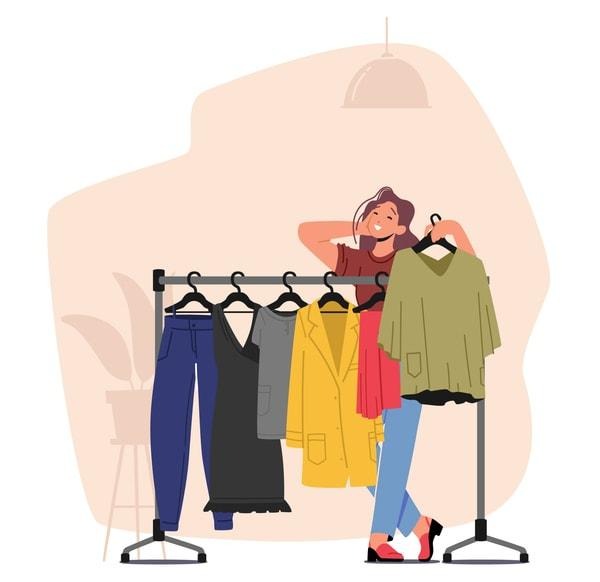
Dress codes are established guidelines that determine suitable attire for various environments, including workplaces, educational institutions, and social gatherings. They serve as a blueprint for dressing appropriately, ensuring that individuals present themselves in a manner that aligns with the expectations of the setting they are in. These rules are not arbitrary; they are designed to maintain a sense of professionalism, uniformity, and appropriateness.
In the workplace, dress codes ensure a polished and respectable image, benefiting both team dynamics and client interactions. For example, requiring business attire can enhance a company’s credibility and trustworthiness. Similarly, school dress codes are implemented to create a conducive learning environment and to instill a sense of discipline among students.
Dress codes can range from casual attire to formal dress codes, each guiding individuals on the appropriate attire for various occasions. They symbolize more than just clothing preferences; they reflect social class, cultural identity, comfort, tradition, and even political or religious affiliations. Understanding these codes is crucial, as cultural values and norms regarding clothing can vary significantly by location.
Importance of Dress Codes
Dress codes ensure professionalism, consistency, and appropriateness across various settings. In professional environments, following a company’s dress code enhances the organization’s perception, as clients often judge credibility based on employees’ attire. This is why many companies enforce a business formal dress code, requiring employees to wear a suit and tie or a business suit.
Appropriate attire can boost productivity by fostering a work-oriented mindset. Business casual or formal attire often encourages a professional attitude, positively impacting performance and colleague interactions. This alignment highlights the role of dress codes in creating a unified, professional environment.
Dress codes are shaped by social norms and expectations. School dress codes prevent overly casual or inappropriate clothing, while company dress codes maintain a cohesive brand image. These guidelines shape professional impressions and align with event expectations.
Types of Dress Codes
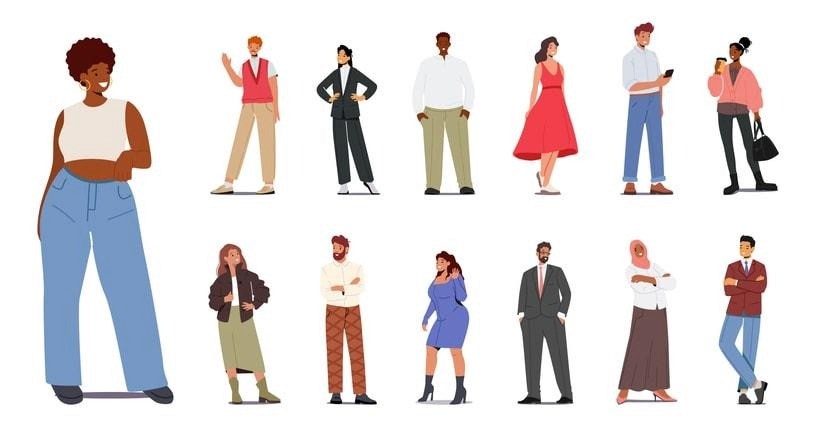
Dress codes come in various forms, each dictating specific attire choices that align with the formality of the occasion. From casual attire to the ultra-formal white tie, understanding these different types is key to dressing appropriately for any event.
Let’s explore these categories in more detail.
Casual Attire
Casual attire is characterized by informal and comfortable clothing. It should also be clean and present a professional appearance. For women, this can include jeans, comfortable tees, stylish tops, jewelry, and blazers. Men can opt for T-shirts, jeans, sneakers, khakis, cargos, polo shirts, and Henleys. While casual, the clothing should still be neat and well-fitted, avoiding overly baggy items typically worn at home. Sneakers are a popular choice for outdoor casual events.
Balancing comfort and appropriateness is key. Avoid excessively baggy or worn-out clothing to maintain a polished appearance. Casual attire should be neat, projecting a laid-back yet respectable image.
Business Casual
Business casual attire is a step up from casual, combining elements of professional and relaxed clothing. This dress code typically includes:
Slacks
Khakis
Skirts
Dress shirts
Blouses
Polos
Seasonal sport coats
The goal is to maintain a neat appearance without the formality of a business suit.
Colors like black, navy blue, gray, or brown are recommended. Keeping clothes wrinkle-free maintains a professional look, and patterned collared shirts can add personality while adhering to the business casual dress code.
Smart Casual
Smart casual attire merges casual and formal elements, allowing for stylish combinations like a sports jacket with denim. This dress code provides comfort while still looking put-together, making it ideal for various social and professional settings.
Men can pair denim with a sport coat, while women might choose dressy jeans or slacks. Smart casual balances comfort with a polished appearance, ensuring a relaxed yet sophisticated look.
Semi-Formal
Semi-formal attire is more polished than office wear but less formal than what you’d wear to a black-tie event. This dress code is particularly suitable for evening events, providing a balance between professionalism and elegance.
For men, a dark suit and tie are appropriate, while women can choose from cocktail dresses or dressy separates. The goal is to look elegant without being overly formal, making semi-formal attire ideal for weddings and special occasions.
Business Formal
Business formal attire typically features matching suit jackets and pants or a skirt, highlighting a professional image. This dress code is often required for high-level meetings, presentations, and other formal business events.
Men should wear a dark business suit with a dress shirt and tie, while women can opt for a tailored suit or a conservative dress. The goal is to present a polished and professional appearance that reflects the seriousness of the occasion.
Black Tie
The black tie dress code applies to formal occasions such as weddings, proms, formal dinners, and theater performances. For men, this means wearing a tuxedo with black tuxedo trousers, a black bow tie, a black vest or cummerbund, and patent leather shoes.
Women attending a black tie event typically wear a floor-length dress or elegant pantsuits. The emphasis is on sophistication and elegance, ensuring that they look their best for the occasion.
White Tie
White tie is the most formal attire, often reserved for high-status events and requiring specific clothing such as tailcoats. Men are expected to wear a tailcoat, white waistcoat, and formal dress shirt, while women typically wear full-length ball gowns.
This dress code is less common but represents the pinnacle of formal dress, requiring meticulous attention to detail and adherence to traditional attire.
Dress Code Violations
Dress code violations can undermine professionalism, leading to conflicts and perceptions of inconsistency. Common issues include inappropriate footwear, overly casual attire, and revealing clothing that doesn’t meet standards.
The impact of inappropriate attire can extend to career advancement, as dress choices may influence perceptions of professionalism and the way one is treated in the workplace. Maintaining adherence to dress codes is essential for fostering a professional environment and supporting individuals in their professional growth.
How to Dress for Each Dress Code
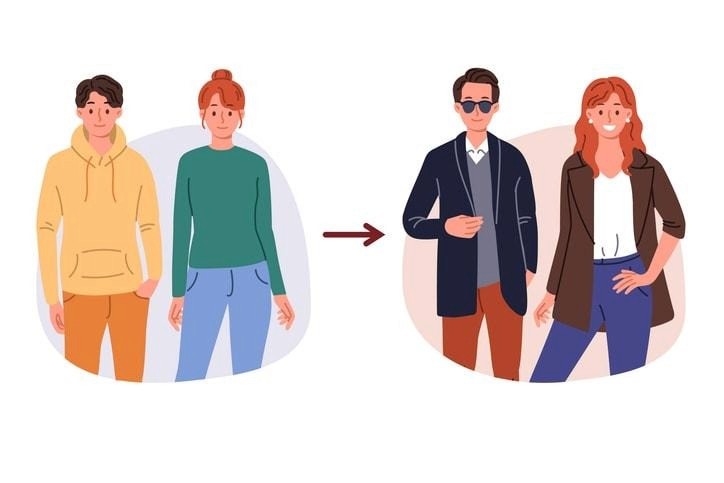
Knowing what to wear for each dress code is essential for making the right impression.
Casual
Casual attire should be neat and well-fitted, avoiding overly loose or home-worn clothing to maintain a polished outfit. Choose well-fitted clothing over oversized items to look put-together.
Focus on neatness and fit, avoiding overly baggy or unsuitable home wear. This ensures you look laid-back yet respectable, striking the right balance for casual settings.
Business Casual
Business casual attire often combines comfort with professionalism, generally requiring:
Dress shirts or blouses paired with slacks or skirts
Tailored pants
Blouses
Dress shoes
These items emphasize a professional yet relaxed appearance.
Incorporating dress shirts, slacks, and closed-toe shoes strikes a good balance between comfort and professionalism, ensuring you look appropriate for a professional environment while staying comfortable.
Formal Event
For formal occasions, such as black tie events, women typically wear evening gowns, while men are expected to don tuxedos. Black tie attire typically includes a tuxedo, while white tie requires the most formal garments like a tailcoat and a bow tie.
Adhering strictly to the defined dress codes helps ensure one appears appropriately sophisticated. This attention to detail is crucial for making the right impression at formal events.
Incorporating AI in Hiring Processes
Artificial intelligence (AI) is revolutionizing the hiring process, making it more efficient and effective. AI can significantly reduce the time recruiters spend on tasks like resume screening, allowing them to focus more on personal interactions. This technology can:
Handle candidate sourcing
Perform resume screening
Schedule interviews rapidly and effectively
These capabilities can reduce hiring timelines from weeks to days. AI technologies offer several benefits in the hiring process:
They can analyze vast amounts of data quickly, improving the quality of hiring decisions by considering all relevant information.
AI systems can enhance employer branding by analyzing data and optimizing strategies based on candidate feedback.
This not only streamlines the hiring process but also ensures a positive experience for candidates.
Addressing Hiring Challenges in Tech
The tech industry faces unique hiring challenges, including slow hiring cycles, recruiter bandwidth issues, and inconsistent candidate quality. Slow feedback loops can lead to lengthy hiring processes, causing candidates to wait for weeks without responses, which diminishes their interest. An inconsistent candidate experience, often marked by poor communication and unprepared interviewers, can adversely affect a company’s reputation.
AI is transforming recruitment by:
Automating tasks traditionally performed by humans
Enhancing efficiency
Reducing biases
Using predictive analytics and machine learning to assess candidate compatibility more accurately
However, implementing ethical AI frameworks is crucial for ensuring compliance with labor laws and minimizing bias in the hiring process.
Summary
Understanding dress codes is essential for navigating various social and professional settings with confidence. From casual attire to white tie events, knowing what to wear can enhance your professionalism and social acceptance. Moreover, incorporating AI into the hiring process can address many challenges faced by tech companies, streamlining recruitment and improving candidate experiences. Embrace these insights to dress appropriately and make informed hiring decisions.
FAQ
What is not acceptable for dress code?
What are the different types of dress codes and their definitions?
What's the difference between business formal and business casual dress codes?
How should I dress for common workplace dress codes?
What does 'smart casual' or 'cocktail attire' dress code actually mean?