Performance Improvement Plans: What They Mean & How to Survive One
By
Liz Fujiwara
•

A Performance Improvement Plan (PIP) is a tool that helps employees improve their job performance. It outlines specific expectations, provides clear goals, and offers structured guidance to help employees address gaps in their work. Instead of being purely disciplinary, a PIP is often designed to give employees the support and resources needed to succeed in their role. It can include coaching, regular check-ins, and measurable objectives that clarify what improvement looks like.
Understanding the purpose of a PIP can make the experience feel more constructive and less intimidating. In this article, you’ll learn what a PIP is, how it works, and how to navigate the process successfully so you can move forward with confidence.
Key Takeaways
A Performance Improvement Plan (PIP) formalizes a structured approach for addressing specific employee performance deficiencies, aiming for professional development and enhanced performance.
Key components of an effective PIP include clear expectations, measurable goals, actionable steps within defined timelines, and access to resources and support.
Regular feedback, transparent communication, and celebrating milestones are essential for successful PIP implementation, fostering employee engagement and accountability.
Understanding Performance Improvement Plans (PIPs)

A Performance Improvement Plan (PIP) is a formal document that outlines specific performance deficiencies an employee needs to address, along with a timeline and clear goals for improvement. The primary purpose of a PIP is to support the employee’s professional development and provide an opportunity to improve performance and regain trust. A PIP aims to address and resolve specific performance issues by identifying gaps and providing precise steps for improvement.
Typically, a PIP includes clear expectations, a timeline with intermediary goals, and well-defined consequences for not meeting those expectations. The process should begin by outlining the company’s expectations and the specific areas where the employee is falling short. The ultimate goal is to give employees a second chance, reduce turnover, and transform the experience from anxiety-inducing to motivational. A successful PIP promotes positive communication and sets clear expectations, leading to better employee performance.
Investing in employee improvement through PIPs increases engagement and can significantly enhance the overall performance management system. Employers can help employees improve and achieve their professional goals through a structured plan to address performance issues. This process not only benefits the employees but also contributes to the organization’s success by fostering a culture of continuous improvement and accountability.
When to Implement a Performance Improvement Plan
Implementing a Performance Improvement Plan (PIP) should be considered when:
Informal coaching does not yield the desired improvement in an employee’s performance.
Personal issues are impacting performance.
An underperforming employee shows potential to improve.
A PIP provides structured support in these situations. It is crucial to act promptly to assess whether a formal improvement plan with time-sensitive goals is appropriate.
A PIP might be necessary if an employee who has previously performed well starts to show a decline in performance. When an employee’s performance is consistently below expectations, it is important to provide feedback and investigate potential barriers to their success. Offering help and necessary training can support the employee’s improvement and give them the best opportunity to address their performance issues.
If performance issues persist despite informal feedback, a formal PIP may be required to set clear expectations and monitor progress. Introducing a PIP promptly ensures that the employee has the best chance to succeed and meet the performance goals set by the organization. This proactive approach not only helps employees improve but also safeguards the organization by addressing performance issues in a structured and transparent manner.
Key Components of an Effective PIP
An effective Performance Improvement Plan (PIP) relies on a few critical components: clear expectations and goals, actionable steps and timelines, and resources and support. Clarity is crucial to ensure that all parties understand the expectations and desired outcomes. Addressing performance issues with specificity and tailoring the performance action plan to the employee’s unique situation are essential for success.
Identifying areas needing improvement based on factual performance data and setting clear, measurable objectives is important. A well-designed PIP template provides a structured approach to improvement by setting objectives, timelines, and action steps.
Highlighting the employee’s positive attributes during discussions about the PIP can reinforce their value to the business and foster a collaborative atmosphere. Additionally, detailed action plans should include specified goals and training opportunities to enhance the employee’s performance.
Clear Expectations and Goals
Clearly defined objectives and regular evaluations are essential components of a well-structured PIP. Goal-setting helps employees understand expectations and provides a pathway to reach objectives. Goals should be reasonable, achievable, and based on aspects of performance that the employee can influence.
Specific metrics, such as attendance records or customer feedback, help assess progress effectively. Using qualitative and quantitative data, including deliverables, reports, self-surveys, team feedback, and detailed records, enables ongoing evaluation and adjustment.
This process ensures employees are supported throughout their improvement journey and can meet expectations through measurable objectives.
Actionable Steps and Timelines
Clear goals with timelines for check-ins and specific achievements are essential in a PIP. A well-defined timeline includes start and end dates and intermediate milestones, providing structure and motivation for the employee. Typically, the duration for a PIP can range from 30 to 90 days or be mutually agreed upon.
Specific timelines hold employees accountable and ensure a clear path to improvement. Dates should be added to the plan at the start, ensuring immediate clarity on reasonable timelines.
This structured approach, with time-bound goals and regular check-ins, helps track progress and fosters a goal-oriented process of disciplined improvement.
Resources and Support
Access to the following is crucial during a PIP:
Resources
Support
Additional training sessions
Mentorship
Training and mentorship are essential in helping employees achieve their objectives outlined in the PIP. Involving employees in the PIP process fosters a sense of ownership, significantly enhancing their commitment to improvement.
Human resources support, additional training sessions, and supervisor guidance are integral to the success of a PIP. Providing the necessary resources and support ensures employees have the tools they need to succeed and improve their performance effectively.
How to Develop and Implement a PIP

Often, the first step in addressing performance issues is informal coaching before deciding on a formal PIP. Developing a PIP involves:
Conducting a thorough performance assessment of the employee to identify specific areas of concern.
Following specific steps, including HR review and performance reviews.
Finalizing the plan to ensure a structured and unbiased approach to creating and implementing a PIP.
During the PIP meeting, maintaining an open and positive atmosphere is crucial for effective communication and collaboration. This environment helps reduce stress and fosters a constructive dialogue, ensuring that all parties are committed to the employee’s improvement.
Drafting the Plan
Creating a PIP typically involves:
Collaboration between HR, the employee, and their manager.
Involving the employee in drafting to ensure their input is considered, fostering collaboration and ownership.
Using a performance improvement plan template as a useful resource in drafting the PIP.
Key elements necessary for the plan’s content, such as company expectations, areas for improvement, and measurable goals, should be included in the draft. HR should review the plan for bias and help with provisions like training to support the employee’s development.
It’s crucial to highlight specific instances of the problem if an employee has previously been warned about performance issues and previous guidance during the drafting process.
Communicating the Plan
The effectiveness of a PIP is enhanced by:
Communicating it transparently and ensuring it is understood by all parties involved.
Creating a positive environment during the PIP meeting to facilitate open dialogue and reduce stress.
Scheduling a meeting to discuss performance issues, which is essential.
Discuss the plan conclusion, convey commitment, encourage employee feedback, and be open to changes during the meeting. The plan may need modification based on employee input after the PIP meeting. Both parties should sign the final plan, and regular communication with the supervisor regarding project status is encouraged.
Monitoring Progress
Regular check-ins during a PIP process are crucial for assessing progress and providing feedback. A well-structured PIP includes regular check-ins to monitor progress against established goals. Scheduled meetings should occur on time to maintain momentum and focus.
During progress check-ins, it is important to discuss progress by:
Tracking improvement in line with interim goals set in the PIP.
Providing employees with opportunities to voice any doubts or difficulties during their scheduled meetings.
Offering regular feedback to foster engagement, increase buy-in, and gain insight into the employee’s experience and goals.
Common Mistakes to Avoid with PIPs
PIPs often fail due to:
Unrealistic goals that employees cannot achieve.
Lack of regular feedback, which can hinder employee progress and make it difficult to address issues timely, leading to poor performance.
Insufficient documentation, leading to misunderstandings about expectations and consequences in a PIP.
Personal attacks during difficult conversations about PIPs, which can undermine the constructive purpose of the plan.
Setting Unrealistic Goals
Goals for a Performance Improvement Plan should not only be realistic but also clearly defined. Realistic sales goals help employees understand expectations and create achievable paths for improvement.
The SMART goal-setting method is a useful framework to avoid setting overly ambitious targets that can lead to frustration and demotivation. SMART stands for:
Specific
Measurable
Assignable
Realistic
Time-related
Lack of Regular Feedback
Frequent check-ins during a PIP ensure that employees understand their progress and areas needing improvement. Continuous feedback is essential throughout the PIP process to ensure clarity and direction, helping to keep employees on track and motivated to meet their performance goals.
Insufficient Documentation
Transparent documentation in PIPs fosters accountability and clarity. Consistent written documentation clarifies expectations and can protect organizations during disputes over performance by providing detailed explanations.
Thorough documentation across all aspects of the PIP promotes transparency, which is essential for both the employee’s understanding and the organization’s protection.
Supporting Employees Through a PIP

Managers facilitate the improvement process during a PIP by providing training, performance coaching, and peer guidance. The company should provide necessary resources, including training courses, mentorship, and coaching, to help employees achieve their PIP objectives. Involving the employee in the PIP process ensures collaboration and agreement on improvement steps, leading to better outcomes.
An open environment during 1:1 check-ins fosters active listening, empathy, and support for employees, which are vital for employee progress. Considering employee feedback, the employee’s input, and any constructive feedback regarding extenuating circumstances that may affect the employee’s performance is important, especially in the context of flexible work arrangements.
Regularly scheduled feedback is crucial to keep employees informed about their progress during a PIP and avoid feelings of being overlooked.
Providing Necessary Training
Tailoring training sessions to address specific gaps in employee skills can significantly improve PIP outcomes. Managers play a vital role in providing:
Support
Training
Continuous guidance throughout the PIP process
Offering additional training sessions and professional development opportunities ensures employees are well-equipped to meet their performance goals.
Human resources can assist by identifying the proper training needed and arranging necessary adjustments to support struggling employees’ progress.
Celebrating Milestones
Acknowledging small achievements boosts an employee’s confidence and encourages continued effort toward their goals. Celebrating milestones is crucial in a PIP as it fosters a positive environment for growth and reinforces a culture of appreciation within the workplace.
Recognizing and celebrating measurable employee progress maintains motivation and ensures employees stay committed to meeting expectations and performance goals to continue employment, ultimately contributing to the employee’s success.
Templates and Examples of PIPs

Access to templates and examples of PIPs can be incredibly helpful for managers and HR professionals when crafting effective performance improvement plans. These resources provide structured steps for addressing issues such as chronic absenteeism, missed deadlines, and poor customer service. A PIP template is available in various formats, including Word, Excel, and editable PDF, to accommodate different user needs.
These templates not only guide the PIP process but also ensure that all necessary components, such as clear expectations, timelines, and actionable steps, are included. By utilizing these resources, employers can create well-structured and effective PIPs that support employee improvement and professional development.
Incorporating AI in the Hiring Process
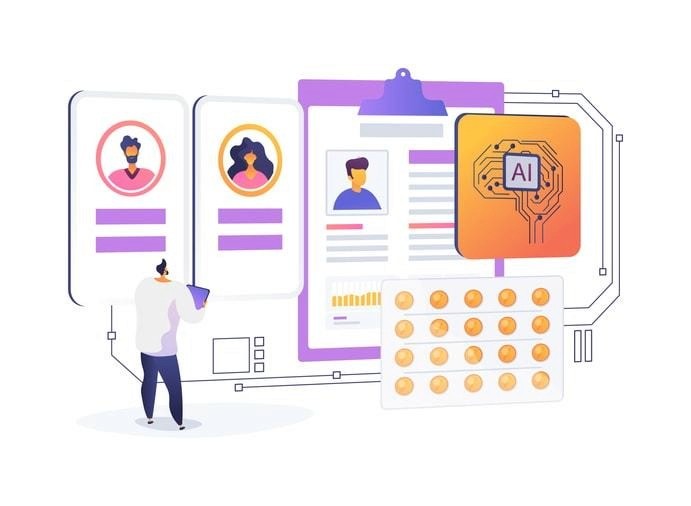
Incorporating artificial intelligence (AI) in the hiring process can revolutionize talent acquisition by urgent hiring challenges faced by technology companies today. Slow hiring cycles, recruiter bandwidth issues, and inconsistent candidate quality are common problems that can be mitigated with AI solutions. AI can streamline hiring processes by automating candidate screening, enhancing decision-making, and improving overall recruitment efficiency.
Fonzi, a talent marketplace, leverages a multi-agent AI system to enhance tasks such as candidate screening and fraud detection, increasing hiring accuracy. This system automates screening processes and improves the detection of fraudulent applications, ensuring candidate integrity and streamlining the hiring workflow.
By incorporating AI into their hiring stack, organizations can maintain control over decision-making while significantly improving recruitment outcomes.
Addressing Urgent Hiring Challenges
The urgent hiring challenges facing technology companies include slow hiring cycles, recruiter bandwidth issues, and inconsistent candidate quality. AI solutions can help address these challenges by automating candidate screening, improving decision-making, and improving overall recruitment efficiency.
By streamlining these processes, companies can focus on high-touch work and ensure that they are hiring top-tier talent more quickly and fairly.
Fonzi’s Multi-Agent AI Solution
Fonzi’s multi-agent AI system enhances the recruitment process by automating screening, fraud detection, and structured evaluation. This advanced technology ensures candidate integrity and streamlines the hiring workflow, allowing recruiters to focus on high-value tasks and improve overall hiring accuracy.
By adopting Fonzi’s AI solution, organizations can significantly increase their recruitment efficiency and maintain control over decision-making.
Summary
Performance Improvement Plans (PIPs) are essential tools for managing employee performance and fostering professional development. By understanding when to implement a PIP, the key components of an effective plan, and how to support employees through the process, organizations can significantly improve employee performance and engagement. Avoiding common mistakes, such as setting unrealistic goals and providing insufficient feedback, ensures the success of the PIP process.
Incorporating AI in the hiring process can address urgent challenges and enhance recruitment efficiency. Fonzi’s multi-agent AI solution streamlines tasks such as candidate screening and fraud detection, ensuring candidate integrity and improving overall hiring accuracy. By embracing these strategies, organizations can create a supportive environment for employee growth and achieve their performance management goals. Take the first step today and transform your approach to performance improvement and talent acquisition.
FAQ
Does PIP lead to termination?
What is a Performance Improvement Plan (PIP)?
How can managers support employees through a PIP?
When should a PIP be implemented?
What are the key components of an effective PIP?