Engineering Careers: Types, Professions & Industries Hiring in 2026
By
Samara Garcia
•
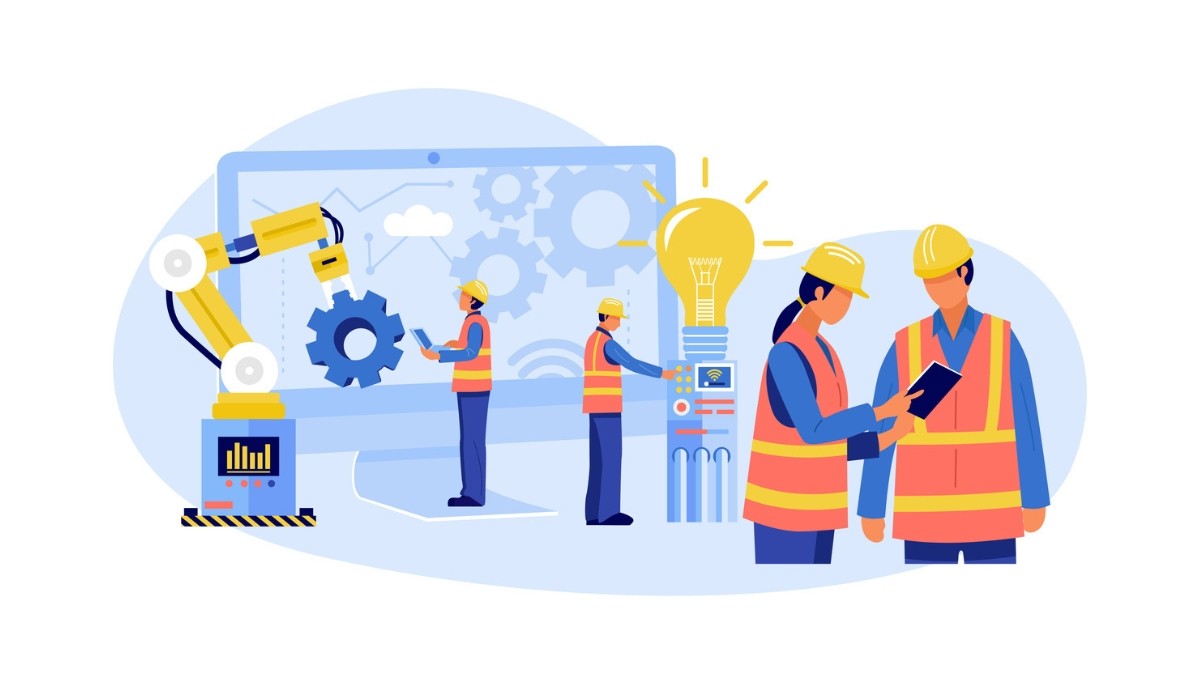
Engineering careers are at the center of innovation in 2026, especially across AI, software, data, and automation. Demand is rising fast, and competition for top engineers is intense.
This guide covers the engineering roles that matter most, where hiring demand is growing, and how teams and candidates can move faster in a high-signal market.
Key Takeaways
AI, software, and data engineering roles are growing fastest through 2026, with AI and ML engineers earning up to $170,750 and data engineers averaging around $129,700.
Traditional fields like mechanical, civil, electrical, and chemical engineering remain essential, but hiring momentum is strongest in AI, ML, software, robotics, data, and clean energy.
AI-first SaaS, fintech, healthtech, climate tech, and autonomous systems companies are hiring aggressively and competing hardest for senior engineers or engineering managers.
Fonzi AI helps founders and hiring managers fill critical engineering roles in as little as 2–3 weeks through structured Match Day hiring events.
Salary transparency, pre-vetted candidates, and bias-audited evaluations make hiring faster, fairer, and more predictable than traditional recruiting.
What Is Engineering? From Classical Disciplines to AI
Engineering applies math, science, and increasingly computation to solve real-world problems by designing systems, products, and software. At its core, it’s about turning constraints into reliable, working solutions.
In 2026, engineers operate across AI, cloud platforms, clean energy, robotics, healthcare, and large-scale infrastructure, often blending physical systems with software and data.
The field now rewards hybrid skill sets. Employers look for engineers who pair a strong core discipline with software, data, or automation expertise and who can collaborate effectively in cross-functional teams.
Key points:
Engineering roles are more collaborative and cross-functional than ever
Software and data skills now matter across nearly all engineering disciplines
Engineers who continuously upskill have strong career mobility
The Four Main Engineering Fields & Their 2026 Outlook
Despite the rise of software and AI roles, mechanical, civil, electrical, and chemical engineers remain foundational to the engineering field. These four disciplines anchor countless specialized roles and continue to offer strong career prospects.
Each subsection below covers what the field involves, common job titles, typical employers, and how demand is evolving into 2026. And while Fonzi AI primarily focuses on software, AI, ML, and data-related engineering, many candidates on the platform have roots in these classical disciplines before upskilling into more modern roles.

Mechanical Engineering Careers
Mechanical engineers design and optimize mechanical and thermal systems, everything from engines and turbines to HVAC systems, robotics, automotive components, and industrial equipment. It’s one of the most versatile types of engineering, with applications across nearly every manufacturing and production industry.
Common job titles:
Mechanical Engineer
Robotics Engineer
Automotive Engineer
Mechatronics Engineer
R&D Engineer
Mechanical Designer
Industries hiring through 2026:
EV manufacturers (Tesla, Rivian, legacy automakers electrifying fleets)
Robotics and automation firms
Aerospace companies
Industrial equipment manufacturers
Advanced manufacturing operations
Mechanical engineers who learn Python, simulation tools, and basic ML concepts can transition into robotics and automation roles at high-growth startups, positions that often appear on Fonzi AI’s Match Day events. The median annual wage for mechanical engineers is strong, and those who develop systems combining mechanical expertise with software skills command higher salaries.
Civil Engineering Careers
Civil engineers plan, design, and maintain the infrastructure that supports society: roads, bridges, tunnels, water systems, buildings, and urban developments. They work closely with structural engineering principles and must understand everything from soil science and soil quality to transportation flow dynamics.
Common job titles:
Civil Engineer
Structural Engineer
Transportation Engineer
Water Resources Engineer
Geotechnical Engineer
Industries and employers:
Construction firms
Transportation agencies
Municipal and federal governments
Infrastructure-focused design consultancies
Urban development companies
Through 2026, significant public infrastructure investments (including U.S. federal infrastructure bills passed in the early 2020s) are expected to sustain demand for civil engineers. The job outlook remains stable, with consistent openings for professionals who can manage large-scale projects affecting the earth’s surface and urban environments.
Electrical Engineering Careers
Electrical engineers work with power generation, electronics, communications systems, control systems, and embedded hardware. They design electrical systems that range from massive power supplies for utilities to tiny electrical components in consumer devices.
Common job titles:
Electrical Engineer
Power Systems Engineer
Embedded Systems Engineer
Control Systems Engineer
Hardware Design Engineer
Electrical Designer
Industries hiring:
Energy utilities and power companies
Semiconductor manufacturers
IoT startups
Automotive and EV companies
Telecom and 5G providers
According to reference data, electrical engineers earn an average of $111,910 annually, with ranges from $50,500 to $168,000 depending on specialization and experience. Many software and AI roles, particularly in edge AI and autonomous systems, benefit from electrical engineering foundations. These candidates with hybrid hardware-software skills are highly attractive to startups on Fonzi AI.
Chemical Engineering Careers
Chemical engineers apply chemistry, physics, and math to design processes for chemicals, fuels, foods, pharmaceuticals, and new materials. They optimize production and chemical processes at an industrial scale, often working on developing equipment for manufacturing operations.
Common job titles:
Process Engineer
Chemical Engineer
Materials Process Engineer
Pharmaceutical Engineer
Energy Systems Engineer
Materials Engineer
Industries:
Pharmaceuticals and biotech
Specialty chemicals
Battery manufacturing
Clean fuels and biofuels
Carbon capture technologies
Climate-focused and energy storage startups are increasingly hiring chemical engineers to work on advanced battery materials and scalable industrial processes through 2026. A bachelor’s degree in chemical engineering opens doors to roles paying around $121,860 on average, with top positions in petroleum and advanced manufacturing reaching $140,000+.
Modern Engineering Professions: Software, Data, AI & Beyond

Software, AI, and data engineering have become the fastest-growing engineering career tracks, especially in startups and high-growth companies. These roles often command some of the highest-paying engineering careers in the market and are central to digital products, platforms, and AI-first businesses.
Software & Full-Stack Engineering
Software engineers and full-stack engineers design, build, and maintain web and mobile applications, APIs, and backend systems. They’re the builders of digital products that millions of users interact with daily.
Job titles:
Full-Stack Engineer
Backend Engineer
Frontend Engineer
Platform Engineer
Staff Software Engineer
Typical tech stacks:
TypeScript, React, Node.js (frontend/full-stack)
Python, Go, Java (backend)
AWS, GCP, Azure (cloud platforms)
CI/CD pipelines, DevOps practices
Industries hiring heavily:
SaaS startups
Fintech
Developer tooling companies
E-commerce platforms
Enterprise platform teams
Data Engineering & Analytics Infrastructure
Data engineers build the pipelines, warehouses, and real-time streaming systems that support analytics and machine learning. Without a solid data infrastructure, AI models can’t function effectively, making data engineers critical hires for any company investing in ML.
Job titles:
Data Engineer
Analytics Engineer
MLOps Engineer
Data Platform Engineer
Key technologies:
SQL, Python, Spark
dbt for data transformation
Kafka for streaming
Snowflake, BigQuery, Databricks
Cloud-native data stacks
Data engineers earn an average of $129,716 annually, with top performers reaching $177,500. By 2026, nearly every mid-size tech company and AI startup will need at least one senior data engineer to manage data quality, governance, and scalability, exactly the kind of roles Fonzi AI helps fill quickly.
Machine Learning & AI Engineering
ML and AI engineers design, train, deploy, and maintain models, including deep learning systems, recommendation engines, and large language models (LLM) applications. They develop solutions that power everything from fraud detection to generative AI copilots.
Job titles:
Machine Learning Engineer
AI Engineer
Applied Scientist
LLM Engineer
Generative AI Engineer
Application areas:
Personalization systems
Fraud detection and risk modeling
Computer vision
Speech recognition
Generative AI tools and assistants
AI/ML engineers command mid-range salaries of around $134,000, with top AI engineers reaching $170,750, a 4.1% increase from previous years. Demand for these professionals is projected to grow sharply through 2026, making them some of the hardest roles to hire for. This is a core focus of Fonzi AI’s curated marketplace.
DevOps, SRE & Cloud Infrastructure Engineering
DevOps engineers and Site Reliability Engineers (SREs) build and maintain cloud infrastructure, deployment pipelines, observability systems, and reliability SLOs. They keep production systems running smoothly.
Job titles:
DevOps Engineer
Site Reliability Engineer (SRE)
Cloud Infrastructure Engineer
Platform Reliability Engineer
With growing reliance on distributed cloud systems and AI workloads (including GPU clusters for model training), demand for these engineers remains strong through 2026. DevOps engineers earn around $145,750 on average, up 2.3% year over year.
Robotics, Autonomous Systems & Embedded Software
Robotics engineers and embedded software engineers design systems that connect hardware, sensors, and software to automate physical tasks. They work on everything from warehouse robots to autonomous vehicles.
Job titles:
Robotics Engineer
Controls Engineer
Autonomous Systems Engineer
Embedded Software Engineer
Firmware Engineer
Industries hiring:
Warehouse automation (Amazon Robotics, Locus Robotics)
Industrial robotics
Autonomous vehicles and drones
Consumer hardware
Advanced manufacturing
These roles blend classical mechanical and electrical engineering with modern software and AI, making cross-disciplinary experience particularly valuable. Engineers who can work with steering systems, sensor fusion, and ML-based perception are in high demand. Many find opportunities through Fonzi AI when seeking startups working on aerospace applications, marine engineering systems, or autonomous platforms.
Industries Hiring Engineers in 2026

While every sector employs engineers, a handful of industries are especially aggressive in hiring through 2026 due to AI adoption, infrastructure modernization, and sustainability pressures. Understanding where demand is hottest helps both hiring managers prioritize roles and engineers target their job searches.
AI-First Startups & SaaS Companies
AI-first companies, those founded since 2020, where ML models or LLMs are central to the product, represent the fastest-growing employer category for engineers. Think AI copilots, automation platforms, generative media tools, and AI-powered analytics.
Typical engineering hires:
Full-Stack Engineer
ML Engineer
LLM Engineer
Data Engineer
DevOps/SRE
Fintech, Payments & Crypto/DeFi
Fintech and payments companies rely on high-reliability engineering for transactions, risk modeling, and fraud detection. Every millisecond of downtime costs money; every false positive in fraud detection costs customers.
Key roles:
Backend Engineer
Security Engineer
Data Engineer
ML Engineer (fraud/credit models)
SRE (uptime and reliability)
Regulatory pressures and real-time data needs mean these teams prioritize engineers with security, compliance, and scalability experience. Fonzi AI frequently works with fintech startups seeking engineers who can blend strong software fundamentals with data and ML skills.
Healthcare, Biotech & MedTech
The healthcare industry encompasses digital health startups, medical device companies, genomics and bioinformatics firms, and telemedicine platforms. These employers need engineers who can navigate complex regulatory environments while building reliable systems.
Roles in demand:
Software Engineer (clinical platforms)
Data Engineer (health data pipelines)
ML Engineer (diagnostics and prediction)
Biomedical engineers (devices and sensors)
Biomedical engineering roles develop medical devices and even artificial organs, earning a mean salary of $106,950. Privacy, security, and environmental compliance drive demand for experienced engineers who can design robust systems. Fonzi AI matches these companies with engineers familiar with HIPAA, FDA-regulated environments, or real-world healthcare datasets.
Energy, Climate Tech & Sustainability
From 2024–2026, climate tech and energy transition companies are expanding hiring for engineers to work on renewable energy, grid modernization, energy storage, and carbon reduction. Climate change mitigation has become a major driver of engineering jobs.
Roles in demand:
Electrical Engineer (grid and power electronics)
Mechanical/Chemical Engineer (batteries, materials)
Data & ML Engineer (forecasting, optimization)
Software Engineer (energy platforms)
Nuclear engineers working on nuclear power plants and nuclear energy systems earn an average of $127,520, with strong job security in a regulated industry. Governments and private capital are investing billions into climate innovation, creating a stable demand for multidisciplinary engineers. Many engineers seeking impact-driven careers find opportunities through Fonzi AI.
Manufacturing, Robotics & Industry 4.0
Factories and logistics operations are increasingly adopting robotics, automation, computer vision, and digital twins, driving demand for hybrid engineering roles that combine physical systems expertise with software.
Job types:
Robotics Engineer
Industrial Engineer
Mechanical Engineer
Controls Engineer
Software Engineer (MES/SCADA integrations)
Industrial engineering specifically shows 11% projected job growth through 2034, yielding 25,200 annual openings. Computer programs increasingly manage production schedules and optimize energy efficiency on factory floors. Fonzi AI matches these companies with engineers comfortable working at the intersection of physical systems and modern software/AI stacks.
How Fonzi AI Transforms Engineering Hiring

Traditional engineering hiring is slow, inconsistent, and opaque, with months-long cycles and hidden salary ranges. Fonzi AI replaces this with a curated marketplace that pre-vets experienced engineers and connects them with startups through structured Match Day events. The result is faster, fairer hiring, with transparent pay, verified talent, and interviews that turn into offers in about 48 hours.
How Fonzi’s Match Day Works (Step-by-Step)
The Match Day process is designed for speed and signal. Here’s how it works:
Companies define roles and salary ranges. Employers specify exactly what they’re looking for: role level, tech stack, team context, and committed compensation.
Fonzi AI screens candidates. Our team evaluates engineers on technical skills, project portfolios, communication, and startup fit, not just resume keywords.
Candidates are shortlisted. Only engineers who match company requirements and pass vetting enter the Match Day pool.
Interviews are scheduled into a 48-hour window. Rather than dragging interviews across weeks, everything happens in a focused burst.
Structured feedback is collected. Hiring managers receive consistent, actionable evaluations for every candidate.
Offers are extended quickly. Top candidates often receive offers within 48 hours of their final interview.
Hires close in 2–3 weeks. What normally takes months happens in weeks.
This model is particularly well-suited for high-demand roles like Senior ML Engineer, Founding AI Engineer, Staff Backend Engineer, and Lead Data Engineer, positions where every week of delay means losing top candidates to competitors.
Why Fonzi AI Is Ideal for AI & Modern Engineering Roles
Fonzi AI specializes in high-impact engineering roles like AI, ML, LLM, data, and full stack, where speed and real signal matter most. Candidates are evaluated on real project work, technical depth, and startup readiness, with bias-audited assessments and automated fraud checks to guarantee trust. For engineers, the experience is simpler and more transparent, with clear salary ranges, fewer interviews, and direct access to decision makers without recruiter noise.
Scaling From First Engineer to Hundredth (and Beyond)
Fonzi AI supports companies at every stage. Early startups use Match Day to hire foundational roles like Founding Engineer or Head of AI quickly, while later-stage companies fill multiple teams in parallel with consistent evaluations. The marketplace model lets fast-growing teams scale hiring in weeks instead of months without building large recruiting teams or relying on slow agencies.
Overview Table: Engineering Roles, Skills & Industries Hiring in 2026
The following table provides a snapshot of key engineering roles, the skills they require, primary industries hiring, and demand outlook for 2026. Use this as a quick reference when planning hiring or evaluating career paths.
Role | Core Skills | Primary Industries | 2026 Demand Snapshot | Fonzi AI Focus |
Mechanical Engineer | CAD, thermodynamics, manufacturing, robotics basics | Automotive, aerospace, industrial equipment, EVs | Stable; growth in EV and robotics crossover | Occasional |
Civil Engineer | Structural analysis, project management, CAD, and soil science | Construction, transportation, government | Stable; infrastructure investment sustaining demand | Occasional |
Electrical Engineer | Power systems, circuit design, embedded systems, controls | Utilities, semiconductors, IoT, automotive | Strong, especially in power and embedded | Common |
Chemical Engineer | Process engineering, materials, thermodynamics | Pharma, batteries, clean energy, oil, and gas | Growing in climate tech and energy storage | Occasional |
Software Engineer (Full-Stack) | TypeScript, React, Node.js, Python, cloud platforms | SaaS, fintech, e-commerce, startups | Very high; core hire for most tech companies | Core focus |
Data Engineer | SQL, Python, Spark, dbt, Kafka, cloud data stacks | Tech, fintech, healthcare, manufacturing | Very high; essential for ML-enabled companies | Core focus |
ML/AI Engineer | Python, TensorFlow/PyTorch, MLOps, LLM frameworks | AI startups, fintech, healthtech, and autonomous systems | Highest demand; hardest to hire | Core focus |
DevOps/SRE | Kubernetes, Terraform, CI/CD, cloud infrastructure | All tech sectors, especially AI startups | High; critical for production reliability | Core focus |
Robotics Engineer | ROS, computer vision, controls, embedded software | Manufacturing, logistics, and autonomous vehicles | Growing rapidly; hybrid skills valued | Common |
Aeronautical/Aerospace Engineer | Aerodynamics, propulsion, materials, simulation | Aerospace, defense, and space commercialization | Strong; space industry driving new demand | Occasional |
Petroleum Engineer | Reservoir engineering, drilling, and extraction optimization | Oil and gas, energy | Stable; $141,280 average salary | Occasional |
Biomedical Engineer | Medical devices, biology, and regulatory compliance | Healthcare, medtech, biotech | Growing with digital health expansion | Occasional |
Summary
Engineering careers in 2026 are driven by rapid growth in AI, software, data, and automation, while core fields like mechanical, civil, electrical, and chemical engineering remain essential foundations. The highest demand is for engineers who combine strong fundamentals with software, data, or AI skills and can work across cloud platforms, clean energy, healthcare, robotics, and large-scale infrastructure. Industries such as AI-first SaaS, fintech, healthtech, climate tech, and autonomous systems are hiring aggressively and competing for senior talent, pushing salaries up and timelines down. As a result, both engineers and employers are shifting toward faster, higher-signal hiring models that reduce noise, shorten interview cycles, and match the right skills to the right roles more efficiently.
FAQ
What types of engineering careers and professions exist?
What industries have the most jobs in engineering?
What are the different engineering career types and specializations?
What careers involve engineering skills beyond traditional roles?
Which engineering professions are in the highest demand in 2026?