Interview Dos and Don'ts: What to Do (and Never Do) to Get Hired
By
Ethan Fahey
•
The modern hiring process has transformed dramatically, especially for technical professionals. In 2026, job interviews extend far beyond simple conversations; they’re sophisticated evaluations involving AI screening, multiple stakeholders, and complex assessment frameworks. For artificial intelligence engineers and other technical candidates, understanding interview dos and don'ts isn’t just about etiquette; it’s about navigating a system where preparation, authenticity, and strategic communication determine success.
Research shows that 82% of hiring managers immediately notice candidates who demonstrate thorough company knowledge, while 75% have caught lies during the interview process. In this comprehensive guide, we’ll explore essential strategies for interview success, critical mistakes to avoid, and how platforms like Fonzi are revolutionizing technical hiring through intelligent matching and structured evaluation.
Key Takeaways
Thorough preparation, professional presentation, and authentic communication are essential for interview success in 2026
Technical candidates face unique challenges in modern hiring, with AI-powered platforms like Fonzi revolutionizing the interview process
Critical don’ts include arriving late, speaking negatively about previous employers, and discussing salary before receiving an offer
Fonzi’s Match Day approach reduces interview anxiety by connecting candidates with pre-matched opportunities based on technical skills
Following up professionally and asking thoughtful questions demonstrates genuine interest and sets you apart from other candidates
Essential Interview Preparation Dos
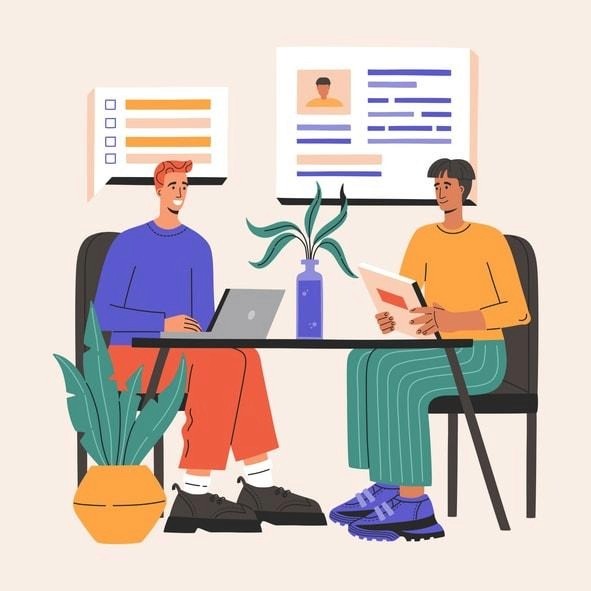
Preparation forms the foundation of every successful interview. The most effective job seekers begin their research at least 48 hours before their scheduled interview, diving deep into company culture, recent developments, and industry positioning. Start by thoroughly reviewing the company’s mission statement, recent news articles, and competitive landscape. This research demonstrates genuine interest and helps you ask insightful follow-up questions.
Study the specific job requirements and prepare 3-4 concrete examples using the STAR method (Situation, Task, Action, Result). This framework helps you structure responses that showcase transferable skills and quantifiable achievements. For instance, instead of saying “I improved system performance,” explain: “When our database response times exceeded 500ms (Situation), I was tasked with optimizing queries (Task), implemented indexing and caching strategies (Action), resulting in 60% faster response times (Result).”
Practice answering common interview questions while preparing thoughtful questions about team dynamics, growth opportunities, and technical challenges. Research shows that candidates who ask high-quality questions are perceived as more engaged and strategic. Effective questions might include: “How does the team approach technical debt?” or “What does success look like in this position during the first six months?”
Review your resume meticulously and prepare honest explanations for any gaps or career transitions. Hiring managers appreciate transparency over rehearsed responses. If you left your previous employer due to a bad boss, frame it constructively: “I learned valuable lessons about communication styles and am seeking an environment where I can collaborate more effectively.”
Finally, prepare backup plans for technical demonstrations or portfolio presentations. Technology failures happen, so have offline versions of your work ready. This preparation shows professionalism and demonstrates that you gather information thoroughly before important conversations.
Professional Presentation and Punctuality Dos

First impressions matter significantly in the interview process. Arrive 10-15 minutes early to account for unexpected delays and demonstrate respect for the interviewer’s time. Punctuality signals reliability and is a critical trait for technical roles where project deadlines and team coordination are essential. If you’re running late due to circumstances beyond your control, call immediately to explain and provide an updated arrival time.
Dress appropriately by researching the company culture beforehand. Business professional attire suits corporate environments, while smart casual works better for startups and tech companies. When in doubt, err on the side of being slightly overdressed rather than too casual. Your appearance should focus attention on your skills and personality, not distract from them.
Bring essential materials in a professional portfolio or folder: 3-4 extra copies of your resume, a notepad, and working pens. This preparation demonstrates organization and consideration for interviewer's needs. Some may prefer reviewing physical copies of your resume, especially during panel interviews where multiple people might want to reference your background simultaneously.
Technology management is crucial for maintaining focus during your conversation with the interviewer. Ensure your phone is completely silenced and stored away throughout the entire interview process. Even brief notifications can interrupt your train of thought or suggest divided attention to the hiring manager.
For virtual interviews, test your technology setup 24 hours in advance. Verify lighting, audio quality, internet stability, and backup connection options. Poor technical quality during a virtual interview reflects poorly on technical candidates who are expected to manage digital tools effectively. Position your camera at eye level and choose a clean, professional background that won’t distract from your responses.
Communication and Behavior Best Practices
Effective communication during job interviews requires balancing confidence with humility while demonstrating active listening skills. Maintain eye contact 60-70% of the time without staring, and offer a firm handshake accompanied by a genuine smile. These nonverbal communication signals establish rapport and project confidence without appearing aggressive or disconnected.
Listen carefully to each question before formulating your response. Many candidates fail not because they lack skills, but because they don’t fully understand what’s being asked. Take a moment to think before speaking, and ask for clarification if a question seems unclear. This approach demonstrates thoughtful consideration and prevents misunderstandings that could derail the conversation.
Use specific examples from your experience rather than hypothetical responses when describing your skills and achievements. Hiring managers want concrete evidence of your capabilities, not theoretical knowledge. Instead of saying “I would handle that situation by…” explain “When I encountered a similar challenge at my current employer, I…” This approach provides credible proof of your problem-solving abilities and relevant experience.
Show genuine enthusiasm for the role through your tone, body language, and thoughtful questions about the company’s future. Enthusiasm is contagious and helps interviewers envision you as part of their team. However, ensure your excitement feels authentic rather than performed. Research the company’s recent achievements or challenges and express interest in contributing to their goals.
Professional follow-up is essential for maintaining momentum after your interview. Send a personalized thank-you email within 24 hours, referencing specific conversation points and reiterating your interest in the position. This communication keeps you top-of-mind during decision-making and demonstrates your communication skills and professionalism.
Critical Don’ts That Can Ruin Your Chances
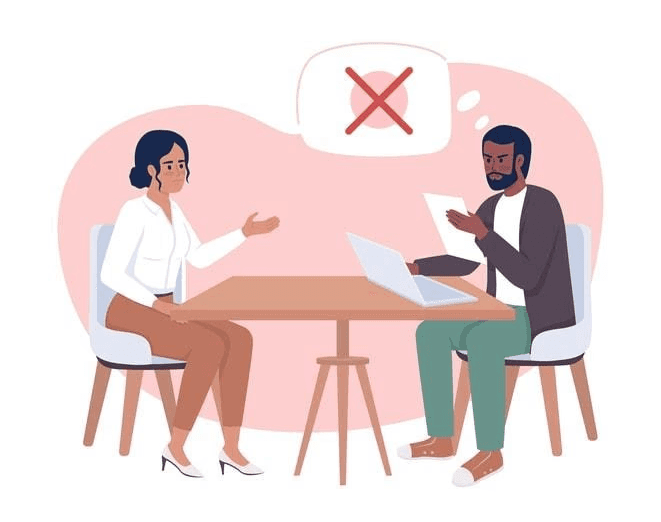
Timing and Preparation Mistakes
Punctuality problems consistently rank among the top interview failures. Never arrive late without calling ahead, even traffic or transportation issues reflect poor planning to many hiring managers. Lateness suggests you might miss important meetings or deadlines if hired. If unexpected circumstances arise, contact the interviewer immediately to explain and reschedule if necessary.
Inadequate preparation is equally damaging to your chances of getting hired. Don’t attempt to “wing it” without researching the company, role, or industry. Employers expect candidates to understand their business challenges and demonstrate genuine interest through informed questions. Lack of preparation appears as disrespect for the interviewer’s time and suggests you might approach job responsibilities with similar casualness.
Avoid scheduling interviews during lunch hours or late Friday afternoons when interviewers may be distracted or rushed. These timing choices can prevent you from receiving full attention and a thorough evaluation. When possible, suggest morning or mid-afternoon time slots when energy levels are higher and focus is sharper.
Communication and Behavior Red Flags
Speaking negatively about past employers, managers, or colleagues is perhaps the most damaging mistake candidates make during interviews. This behavior raises immediate concerns about professionalism, loyalty, and emotional maturity. Even if you had legitimate grievances, frame departures constructively: “I’m seeking new challenges” or “I want to work in a more collaborative environment” rather than criticizing previous workplaces.
Interrupting the interviewer demonstrates poor listening skills and suggests you might dominate team discussions or dismiss colleagues’ input. Let interviewers complete their thoughts, pause briefly to ensure they’re finished, then respond thoughtfully. This patience shows respect and strong interpersonal skills valued in collaborative technical environments.
Discussing salary, benefits, vacation time, or work-from-home policies during first interviews signals prioritizing personal gains over contributing to the organization. Wait for employers to introduce compensation topics, or save these discussions for later rounds when mutual interest is established. Focus initial conversations on how you can add value to their team and solve their challenges.
Never falsify information about experience, skills, or background. Reference checks and technical assessments will expose dishonesty, often resulting in immediate disqualification or termination after hire. If you lack specific experience, acknowledge the gap honestly while emphasizing your learning ability and related transferable skills.
Avoid asking questions easily answered through basic website research or job description review. Questions like “What does your company do?” or “What are the main responsibilities?” suggest laziness and disinterest. Instead, ask thoughtful questions that demonstrate deeper research: “How does your recent expansion into European markets affect the engineering team’s priorities?”
Navigating Modern Hiring as Technical Candidates
The technical hiring landscape has evolved significantly, with 73% of companies now using AI-powered screening tools before human review. Understanding these changes helps artificial intelligence engineers and other technical professionals adapt their approach accordingly. Modern hiring systems analyze resumes for keyword matching, skills alignment, and experience patterns, making optimization increasingly important for initial screening success.
Prepare for multi-format evaluations that may include traditional behavioral interviews, technical deep-dives, live coding sessions, and system design challenges. Many companies use platforms like HackerRank or LeetCode for initial assessments, followed by collaborative problem-solving sessions that evaluate both technical skills and communication abilities. Practice explaining your thought process clearly while coding, as interviewers value transparency and structured thinking.
Expect multiple interview rounds, including phone screens, technical assessments, and culture-fit conversations with potential teammates. This comprehensive approach helps employers evaluate both technical competency and team compatibility. Each round serves a different purpose, so tailor your preparation accordingly, focus on behavioral examples for HR screens, technical depth for engineering conversations, and collaboration stories for peer interviews.
Remote interviews have become standard for 60% of technical positions, requiring strong virtual communication skills. Master screen sharing, maintain engagement through camera interaction, and ensure your home environment projects professionalism. Technical candidates should be especially comfortable with digital collaboration tools, as remote work capability often influences hiring decisions.
Stay current with industry trends and prepare to discuss how emerging technologies impact your field and role. Employers value candidates who understand broader technological contexts and can contribute to strategic discussions beyond immediate task execution. This knowledge demonstrates intellectual curiosity and long-term thinking valued in senior technical positions.
How Fonzi’s Match Day is Revolutionizing Technical Interviews
Traditional hiring processes often waste time for both candidates and employers through mismatched skill sets and unclear expectations. Fonzi’s innovative approach addresses these inefficiencies by using AI-powered matching to connect artificial intelligence engineers with pre-screened opportunities based on demonstrated technical competency. This system ensures better alignment before any human interaction occurs.
Match Day events occurring on the 15th of each month eliminate traditional interview anxiety by presenting candidates with employers who have already expressed interest based on skills evaluation. Instead of wondering whether you meet basic qualifications, you enter conversations knowing your technical abilities align with role requirements. This confidence boost significantly improves interview performance and reduces stress.
The platform’s design philosophy centers on skills-first evaluation, shifting focus from resume parsing to actual capability assessment. Employers use Fonzi to review code samples, technical projects, and competency demonstrations before scheduling conversations. This approach means interviews concentrate on culture fit, career goals, and team dynamics rather than proving basic technical qualifications.
Fonzi’s structured evaluation process reduces typical hiring timelines from 6-8 weeks to 2-3 weeks by eliminating early-stage mismatches. Candidates avoid wasting time with companies seeking different skill sets, while employers connect with pre-qualified talent pools. This efficiency benefits everyone involved and creates more positive interview experiences.
By focusing on mutual compatibility rather than one-sided evaluation, Fonzi’s Match Day transforms interviews into collaborative discussions about shared success. Candidates can ask more strategic questions about growth opportunities, team challenges, and technical architecture, while employers can explore cultural fit and long-term potential without questioning basic competency.
Final Preparation and Follow-Up Strategy
Develop a comprehensive 30-60-90 day plan demonstrating how you’d approach the new position during your initial months. This preparation shows strategic thinking and helps interviewers visualize your integration into their team. Outline specific learning goals, relationship-building priorities, and early contributions you could make based on your research and experience.
Prepare thoughtful questions about team collaboration tools, professional development opportunities, and company growth plans that demonstrate a genuine interest in long-term success. Quality questions create memorable conversations and provide valuable insights for your own decision-making. Focus on topics that matter for your career development while showing investment in the organization’s future.
A professional follow-up response after an interview maintains positive momentum and reinforces your candidacy. Send personalized thank-you notes within 24-48 hours, referencing specific conversation points and reaffirming enthusiasm for the opportunity. If you don’t hear back within the stated timeline, send one polite follow-up email after a week, then continue your job search actively.
Never put all hopes on a single opportunity, regardless of how promising it seems. Continue interviewing and exploring options until you receive and accept a formal offer. This approach maintains your negotiating position and prevents disappointment if circumstances change. Multiple opportunities also help you make better decisions by providing comparison points.
Document lessons learned from each interview experience to improve future performance. Note which questions challenged you, what responses resonated well, and how you might refine your approach. This continuous improvement mindset helps you become more effective with each opportunity and builds confidence over time.
Conclusion
The interview process keeps changing, but the fundamentals still matter: preparation, clarity, and authentic communication go a long way. AI engineers who can pair strong technical skills with an understanding of modern hiring formats, like project-based evaluations and structured interviews, tend to stand out in today’s competitive market. It’s also worth remembering that interviews work best as two-way conversations, where both sides are assessing fit, impact, and long-term alignment.
That’s where platforms like Fonzi AI fit naturally into the picture. Fonzi helps connect AI engineers with companies that are actively hiring for real, high-impact roles, making it easier to focus on meaningful conversations instead of endless screening rounds. By combining solid interview fundamentals with smarter, skills-first hiring platforms, candidates and recruiters alike can create better matches and move faster toward outcomes that actually work for everyone involved.
FAQ
How has AI technology changed the technical interview process in 2026?
What should I do if I make a mistake during a technical interview?
How long should I wait before following up after an interview?
Is it appropriate to ask about remote work policies during the interview?
How can Fonzi’s Match Day help reduce my interview anxiety?