Product Testing Guide: Methods, Process & How Products Are Tested
By
Samantha Cox
•
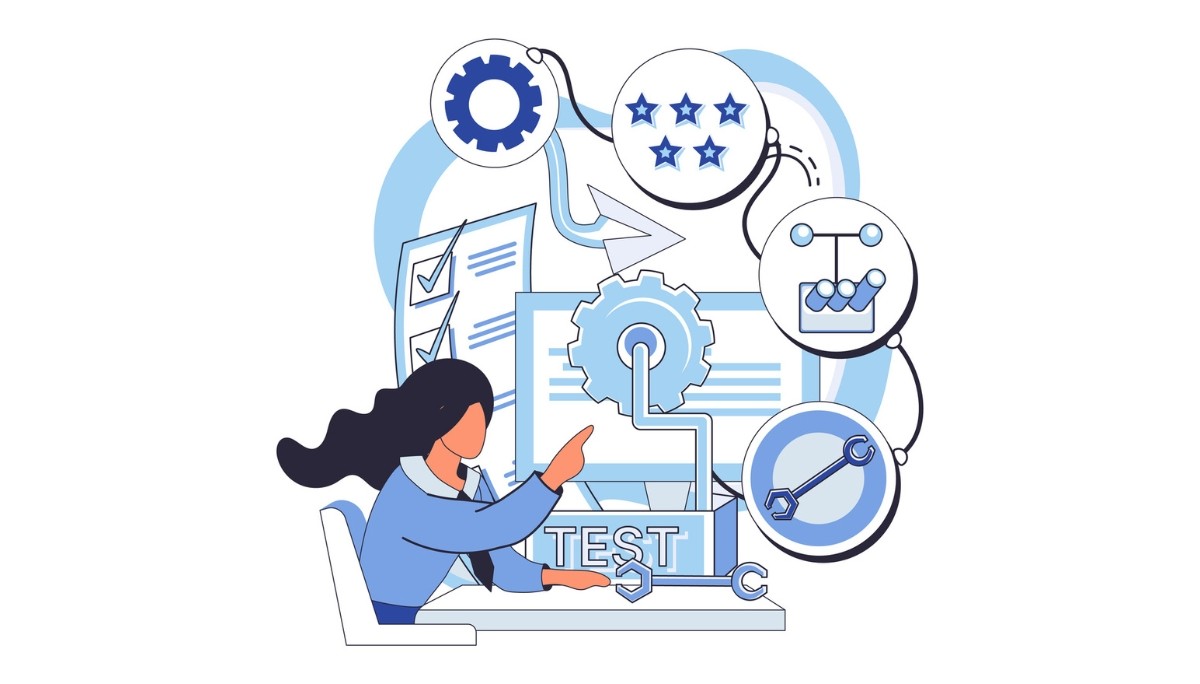
Between 2024 and 2026, product testing has become critical for AI and software teams. Rushed launches, like the early 2024 AI-powered home assistant that failed due to poor voice recognition and confusing privacy controls, illustrate the cost of skipping testing. Product testing ensures features are usable, safe, compliant, and reliable at scale. This discipline now extends to hiring, with platforms like Fonzi using structured, scenario-based evaluations to predict real-world performance. The article explores key types of product testing, how to apply them from prototype to launch, and why testing rigor defines successful teams in 2026.
Key Takeaways
Product testing spans the entire development process from concept to production, blending qualitative research and quantitative methods to reduce the risk of failed launches and costly recalls.
Modern teams, especially AI-first startups, rely on structured testing to validate usability, safety, performance, price, and compliance before scaling to market.
Fonzi applies this same product testing rigor to hiring AI engineers, using real-world scenario-based assessments that cut typical hiring time to approximately 3 weeks.
What Is Product Testing? (Core Definition & Scope)
Product testing is the systematic evaluation of product ideas, prototypes, and finished products against predefined criteria for performance, safety, usability, and customer acceptance. It answers a simple question: Does this product work as intended for the people who will use it?
The scope of product testing varies by development stage:
Concept stage: Before building anything significant, you test whether the product idea resonates with your target audience and addresses a real need.
Prototype and MVP stage: You evaluate early versions for core functionality, usability, and preliminary safety checks.
Post-launch stage: You run ongoing optimization, regression testing, and continuous customer feedback loops to maintain and improve quality standards.
In 2026, product testing typically involves both controlled environments (like central location tests in a lab or facility) and natural environment testing (like in-home usage tests or live A/B experiments). The testing method you choose depends on what you need to learn and how realistic the conditions must be.
Product testing spans physical products (wearables, packaged foods, electronics), digital products (SaaS platforms, mobile apps, web applications), and AI systems (recommendation engines, copilots, generative models). Each category brings unique testing requirements, but the underlying principles remain consistent.
Product Testing vs. Concept Testing
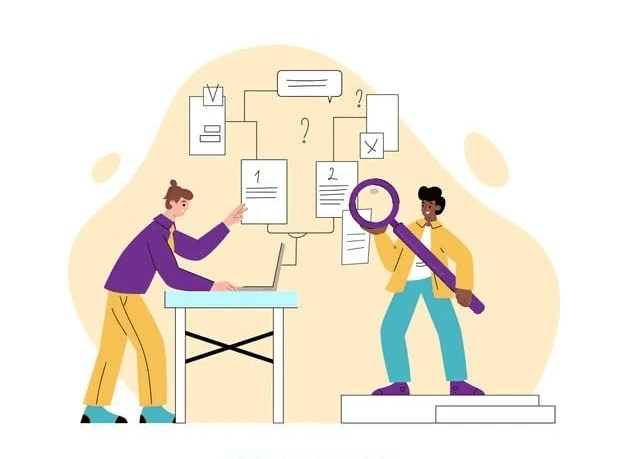
Concept testing validates an idea, value proposition, or positioning before prototypes exist. It typically uses surveys, interviews, landing page tests, and simple mockups to gauge whether potential customers find the concept compelling enough to pursue.
Product testing, by contrast, evaluates something concrete. You’re working with clickable prototypes, hardware samples, working software builds, or trained AI models, and you’re measuring them against defined success metrics like task completion rates, defect rates, or purchase intent.
Both approaches are complementary. Concept testing reduces the risk of building the wrong thing. Product testing reduces the risk of building it poorly or unsafely.
The same logic applies to hiring. Early screening calls and portfolio reviews function like concept tests; they validate whether a candidate might be a fit. Fonzi’s scenario-based assessments are full product tests that reveal how an AI engineer will actually perform under realistic conditions.
Why Product Testing Is Critical for Modern Teams
What happens when you ship before you’re ready? For many teams, the answer is painful surprises, features users don’t understand, models that behave unpredictably, or performance issues that only show up in the real world.
Product testing exists to catch those failures early. It helps teams answer the questions that matter most: Does this actually work for users? Is it safe, reliable, and compliant? And does it deliver real value, not just impressive demos?
In AI-driven products, the stakes are even higher. Hallucinations, bias, latency, and edge cases don’t just harm UX; they can damage trust and slow the entire business. Testing turns assumptions into evidence and gut feelings into informed decisions.
Types of Product Testing (With Concrete 2026 Examples)
This section outlines the major types of product testing used across physical, digital, and AI products. Most teams employ a combination of approaches throughout the product lifecycle, from early concept tests to regression testing after each release.
Each testing type serves a specific purpose. The key is matching the right method to your current questions and product maturity.
Concept & Market Testing
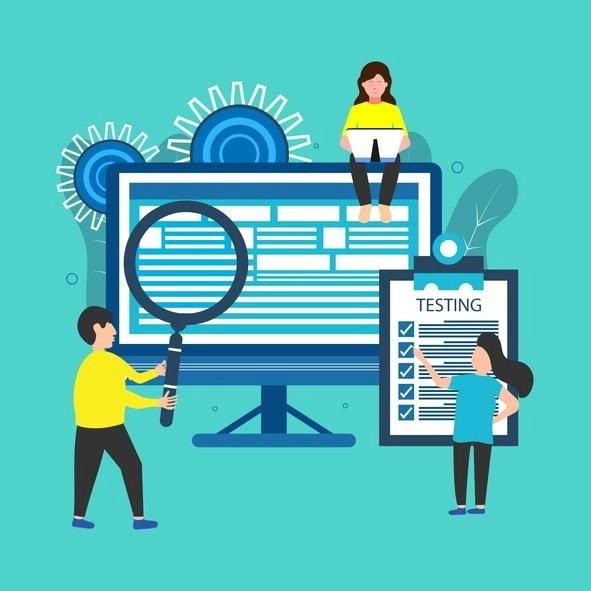
Concept testing evaluates a product idea, positioning, or feature set with your target market before engineering starts. Tools include surveys, customer surveys, interviews, and landing page experiments.
Example: An AI productivity startup tested three different assistant personas and pricing models. They ran ads to landing pages describing each concept, measured click-through rates and waitlist signups, and conducted follow-up interviews with interested users. This data shaped their feature roadmap before they wrote production code.
Market testing takes concept testing further by launching at a small scale, limited regions, and early access beta programs to measure real purchasing behavior, churn, and usage patterns. These tests typically run 4-12 weeks and provide valuable insights into how the product performs in actual market conditions.
Founders can apply this same logic to hiring. Treat job descriptions and role definitions like concept tests. Refine them based on candidate response rates and quality before committing headcount.
Prototype, Alpha, and Beta Testing
Prototype testing evaluates early MVPs or hardware samples to validate core workflows, ergonomics, or model accuracy before full engineering investment. At this stage, you’re looking for fundamental issues with the product concept itself.
Alpha testing is internal testing by employees or trusted insiders. The focus is on functional completeness, obvious bugs, and basic performance thresholds. Alpha testers typically have a high tolerance for rough edges and provide feedback through structured channels.
Beta testing exposes near-final products to real users under real conditions. Access is usually controlled, and feedback loops are active over several weeks. Beta testers represent your target audience and help you understand how the product performs outside the lab.
Example: A SaaS company developing an AI-powered analytics feature ran alpha testing with internal data scientists, then opened a closed beta with 50 design partner companies. The beta ran for 8 weeks, collecting both quantitative usage data and qualitative feedback through weekly surveys. They shipped to general availability in Q3 with significantly higher confidence.
Usability and UX Testing
Usability testing observes real users attempting core tasks. You measure task success rates, time on task, error rates, and satisfaction scores (like SUS or NPS).
Common usability testing formats in 2026 include:
Moderated remote sessions via video call
Unmoderated tests using platforms like UserTesting or Maze
Eye-tracking studies for critical flows
Session replay analysis from production traffic
For AI products, usability testing should also examine trust signals, how the system handles errors and hallucinations, and how clearly it communicates its limitations to users.
Performance, Reliability, and Regression Testing
Performance testing for digital products includes load testing, stress testing, and scalability checks. For physical devices, reliability testing measures durability and failure rates over repeated use cycles.
Example: A generative AI API provider ran performance tests simulating peak holiday traffic, 10x normal load. They discovered that response latency spiked beyond acceptable thresholds at 7x load, leading them to optimize their inference infrastructure before the busy season.
Regression testing ensures new changes (code updates, model refreshes, firmware patches) don’t break existing functionality or degrade the product’s performance. In modern CI/CD pipelines, regression tests are typically automated and run on every code commit.
AI systems require regression-style evaluation against benchmark datasets. When you deploy a new model version, you need to verify that it doesn’t worsen safety metrics, fairness scores, or accuracy on critical test cases.
Safety, Compliance, and Security Testing
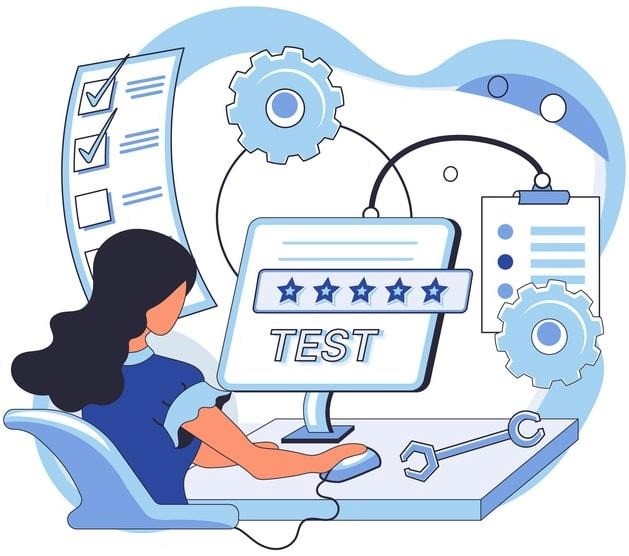
Safety testing for physical products covers electrical safety, mechanical hazards, flammability, and chemical content. For AI systems, safety testing includes red-teaming prompts, testing abuse scenarios, and evaluating outputs for harmful content.
Common compliance tests vary by product type and market:
Electronics (US): FCC for emissions, UL for safety certification
Electronics (EU): CE marking
Medical devices: IEC 60601, FDA clearance processes
Consumer products: CPSIA (US), EU General Product Safety Regulation
Example: A connected medical device went through both IEC 60601 electrical safety tests and comprehensive cybersecurity penetration testing before FDA 510(k) clearance. The security testing revealed vulnerabilities in the Bluetooth pairing protocol that could have allowed unauthorized access to patient data.
For AI applications handling user data, testing must include privacy and security validations, including data minimization checks, encryption verification, and access control testing.
Pricing and Value Perception Testing
Price testing evaluates willingness to pay and perceived value. Common methods include Van Westendorp price sensitivity analysis, Gabor-Granger direct questioning, and choice-based conjoint analysis.
Example: A B2B AI tool used conjoint analysis to decide between per-seat pricing and usage-based pricing. They discovered that enterprise buyers strongly preferred predictable per-seat costs, while smaller teams preferred paying based on actual usage. This led to a tiered pricing model that served both segments.
Effective pricing tests tied to concrete value metrics, hours saved, errors reduced, revenue increased, rather than arbitrary markups.
The same principle applies to hiring: test compensation expectations and value alignment early in the process to avoid late-stage surprises when extending offers to AI engineers.
The Product Testing Process: From Idea to Production
The product testing process is iterative, not strictly linear. However, it generally follows a consistent series of steps from defining objectives through rollout and ongoing monitoring.
This section provides a practical, repeatable workflow that you could implement this quarter. Use concrete timelines, 1-2 weeks for early concept tests, 4-8 weeks for in-home usage tests, rather than vague durations.
1. Define Objectives and Success Metrics
Vague goals like “see if users like it” aren’t testable. Transform them into specific objectives with measurable success thresholds.
Examples of well-defined objectives:
Achieve 60%+ purchase intent score among target users
Reduce average onboarding time from 8 minutes to under 5 minutes
Maintain model accuracy above 92% while reducing latency by 30%
Achieve a SUS score of 75+ on the new dashboard design
Define both quantitative metrics (NPS, conversion rate, defect rate, task completion time) and qualitative learning goals (understand why users abandon a specific step, identify what features drive purchase intent).
Concrete example: A founder testing a new AI search feature set a goal of improving search success rate from 70% to 90% within one quarter, with a secondary goal of understanding which query types still failed.
Clear objectives determine your sample size, methodology selection, and budget requirements.
2. Choose Methods and Testing Environment
Match your testing methods to your objectives and product maturity:
Early ideas: Concept tests using surveys and landing pages
Prototypes: Usability sessions with small user groups
Pre-launch: Central location tests for controlled conditions, or in-home usage tests for realistic usage patterns
Post-launch: A/B tests in production, ongoing regression testing
Central location tests offer fast feedback and controlled conditions, ideal when you need to eliminate environmental variables. In-home usage tests provide real-world usage data but require longer timelines and offer less control.
Live A/B tests work when you have sufficient traffic, the changes are low risk, and you can roll back quickly if problems emerge.
For AI products, plan for a mix of offline evaluation (benchmarks, held-out test sets) and online testing (actual user traffic experiments, shadow mode deployments).
3. Recruit the Right Participants
The quality of your test results depends on recruiting participants who resemble your actual target audience, in terms of demographics, behavior patterns, and domain expertise.
Recruitment options include:
Customer lists and email databases
Internal employees (for alpha testing)
Professional panel companies and third-party panel sample providers
Specialized testers for regulated or niche markets
Example: A B2B SaaS company developing AI-powered legal document analysis recruited 20 design-partner law firms for 90-day in-depth product trials. These firms matched their ideal customer profile and could provide feedback on domain-specific nuances.
The same principle applies to hiring. Platforms like Fonzi curate vetted pools of AI engineers rather than relying on random applicants, dramatically improving the signal quality of your evaluation process.
4. Design the Test Protocol and Materials
Standardize test conditions to ensure comparable, unbiased feedback. Document:
Pre-test screening questions to verify participant fit
Main tasks or product exposure (what participants will do)
Post-test surveys (SUS scores, CSAT ratings, open-ended questions)
Success criteria for each task
Use realistic scenarios instead of abstract questions. “File a claim using the new flow and tell us where you get stuck” generates better insights than “Do you think this flow is intuitive?”
For AI product testing, realistic scenarios might include “Fine-tune this model on the sample dataset and evaluate its performance” or “Debug this failing inference pipeline.”
Document all variables, device type, software version, and environment conditions so you can interpret results correctly and replicate tests later.
5. Run the Test, Collect Data, and Observe Behavior
Decide between moderated sessions (a facilitator guides participants in real-time) and unmoderated sessions (participants complete tasks independently, often recorded for later review). In 2026’s remote-first environment, both formats work well over video.
Capture both quantitative data (completion rates, error counts, time on task) and qualitative data (verbal comments, screen recordings, and facial expressions where possible).
Example workflow: A startup ran a one-week remote unmoderated usability test on a new dashboard with 30 participants, collecting task completion data and open-ended feedback. They followed up with five in-depth 30-minute video interviews to explore the “why” behind observed behaviors.
Address ethical considerations: obtain informed consent, explain how data will be used, anonymize recordings and logs, and secure personal information according to current best practices.
6. Analyze Results and Turn Insights into Roadmaps
Start analysis by checking whether you met your objectives and success thresholds. Then move to pattern-finding in qualitative feedback to understand the story behind the numbers.
Structure your findings for action:
Prioritize issues by impact vs. effort to fix
Convert insights into specific backlog items for design, engineering, or go-to-market teams
Identify key themes that emerge across multiple participants
Example: Testing revealed that users loved the core AI recommendation feature but consistently complained about slow loading times and unclear explanations of results. The team removed a planned secondary feature, prioritized performance optimization, and added a “Why this recommendation?” tooltip before launch.
7. Iterate, Re-Test, and Scale to Production
A single test rarely solves everything. Expect multiple cycles: v1 prototype test, improved v2 based on findings, and a final pre-launch validation check.
After launch, set up:
Regression testing after each major change (automated in CI/CD pipelines)
Continuous feedback loops (in-app surveys, analytics dashboards, support ticket analysis)
Periodic deeper testing (quarterly IHUTs, annual competitive benchmarking)
Example: A commerce brand runs quarterly in-home usage tests on packaging and formulation changes for its best-selling products. This ongoing testing catches issues before they affect customer satisfaction at scale.

Product Testing Across the Lifecycle: Methods by Stage (With Table)
Different lifecycle stages benefit from different testing mixes. Early stages focus on validation and learning; later stages emphasize optimization and quality control.
The table below maps lifecycle stages to primary testing methods, typical durations, and example metrics that help you measure success.
Lifecycle and Methods Table
Stage | Primary Methods | Typical Duration | Example Metrics |
Idea / Concept | Concept surveys, landing page tests, focus group discussions, competitor analysis | 1-3 weeks | Purchase intent %, concept appeal score, willingness to pay |
Prototype / MVP | Prototype testing, usability sessions, and alpha testing with internal teams | 2-6 weeks | Task completion rate, error rate, SUS score, critical bug count |
Pre-Launch | Beta testing, central location tests, compliance testing, performance testing | 4-12 weeks | NPS, defect rate, load test results, regulatory pass/fail |
Post-Launch Growth | A/B tests, in-home usage tests, customer surveys, and regression testing | Ongoing (cycles of 2-4 weeks) | Conversion rate, churn rate, feature adoption %, and latency metrics |
Maturity / Optimization | Comparative testing, price testing, regression testing, and model accuracy monitoring | Ongoing | Market share, customer satisfaction, model accuracy, hallucination rate |
For AI products specifically, include metrics like response latency, model accuracy on benchmark datasets, and harmful output rates throughout testing.
Phasing for startups: You don’t need to do everything at once. A typical 12-18 month roadmap might include:
Months 1-3: Concept testing and early prototype tests with 10-20 users
Months 4-8: Beta program with 50-100 users, iterating based on feedback
Months 9-12: Pre-launch compliance and performance testing, soft launch to a limited market
Months 12+: Ongoing A/B testing, regression testing, and periodic deep-dive studies
Standards, Regulations, and Ethical Considerations in Product Testing
Beyond usability and performance, many products must comply with formal standards and regulations that shape how tests are designed and documented.
This section provides a high-level overview of the landscape. If you’re operating in regulated domains like medical, automotive, or financial services, consult legal and compliance experts early in your product development process.
Product Safety and Quality Standards
Major standards relevant in 2026 include:
ISO 9001: Quality management systems framework applicable across industries
IEC 60601: Safety and essential performance for medical electrical equipment
UL standards: Product safety certification (widely recognized in North America)
ASTM standards: Test methods for materials, products, and systems
Adherence typically requires documented test plans, traceability of defects to resolution, and retention of test records for audits. Third-party testing laboratories often need accreditation (like ISO 17025) for their results to be recognized.
Consumer products may also need compliance with regulations like CPSIA in the US (covering children’s products and lead content) or the EU General Product Safety Regulation (GPSR).
If you’re building hardware, plan certification and compliance testing into your roadmap early. It can add 2-6 months to your pre-launch timeline.
Data Privacy, Security, and AI-Specific Rules
Key privacy frameworks affecting product testing include:
GDPR (EU): Strict requirements for personal data handling, consent, and cross-border transfers
CCPA/CPRA (California): Consumer privacy rights and opt-out requirements
HIPAA (US): Health data protection requirements for covered entities
Emerging AI regulations add new testing requirements. The EU AI Act, phasing in through 2026-2027, requires documented risk assessments and testing for bias, robustness, and transparency for high-risk AI systems.
Testing must include security and privacy checks:
Penetration testing for vulnerabilities
Encryption validation for data at rest and in transit
Data retention and deletion policy verification
Consent flow testing for user-facing applications
AI testing should evaluate fairness across demographic segments and include audits to prevent discriminatory outcomes, especially for systems affecting employment, credit, or healthcare decisions.
Ethics and Participant Safeguards
Basic ethical principles for product testing with human participants:
Obtain informed consent explaining what the test involves and how data will be used
Respect the right to withdraw at any time without penalty
Provide fair compensation that doesn’t coerce participation
Anonymize test data where possible and secure personal information
When testing with vulnerable populations (children, patients, elderly users), additional safeguards apply. For example, testing a children’s educational app requires parental consent, age-appropriate explanations, and extra care in data handling.
Ethical rigor isn’t just about compliance; it builds brand trust and makes it easier to recruit participants for future testing programs.
Applying Product-Testing Principles to Hiring AI Engineers with Fonzi
Hiring elite AI engineers has become increasingly similar to product development: it’s risky, high-stakes, and requires rigorous evaluation. The cost of a bad hire in a critical AI position, derailed projects, technical debt, and team friction, can exceed the cost of many product failures.
Traditional interviews often fail to predict real performance. They test for interview skills, not engineering skills. They’re inconsistent across interviewers and biased toward candidates who present well rather than those who build well.
Fonzi introduces a structured “product testing” framework for AI engineering candidates. The platform uses realistic tasks based on actual company problems, standardized scoring rubrics that enable apples-to-apples comparison, and rapid evaluation pipelines that compress hiring timelines.
Most companies using Fonzi complete hires within approximately 3 weeks, even for highly specialized AI roles that typically take months to fill. Critically, Fonzi scales from your first AI hire at a seed-stage startup to your 10,000th hire at an enterprise, maintaining consistency and predictive power throughout.
Summary
This article emphasizes the importance of applying product-testing rigor to AI hiring. Just as successful products rely on disciplined testing, AI teams can reduce risk and improve outcomes by evaluating candidates through clear criteria, real-world scenarios, and data-driven assessments. One strong hire can accelerate an AI roadmap, while a poor hire can cost significant time and resources. Fonzi applies this structured approach to AI recruitment, enabling faster, fairer, and more reliable hires that help teams stay ahead of the competition.
FAQ
What is product testing, and why is it important?
What are the different methods and types of product testing?
How are products tested from prototype to production?
What are examples of product testing in different industries?
What standards and regulations govern product testing?


