What Is CPD? Continuing Professional Development & How to Do It
By
Liz Fujiwara
•
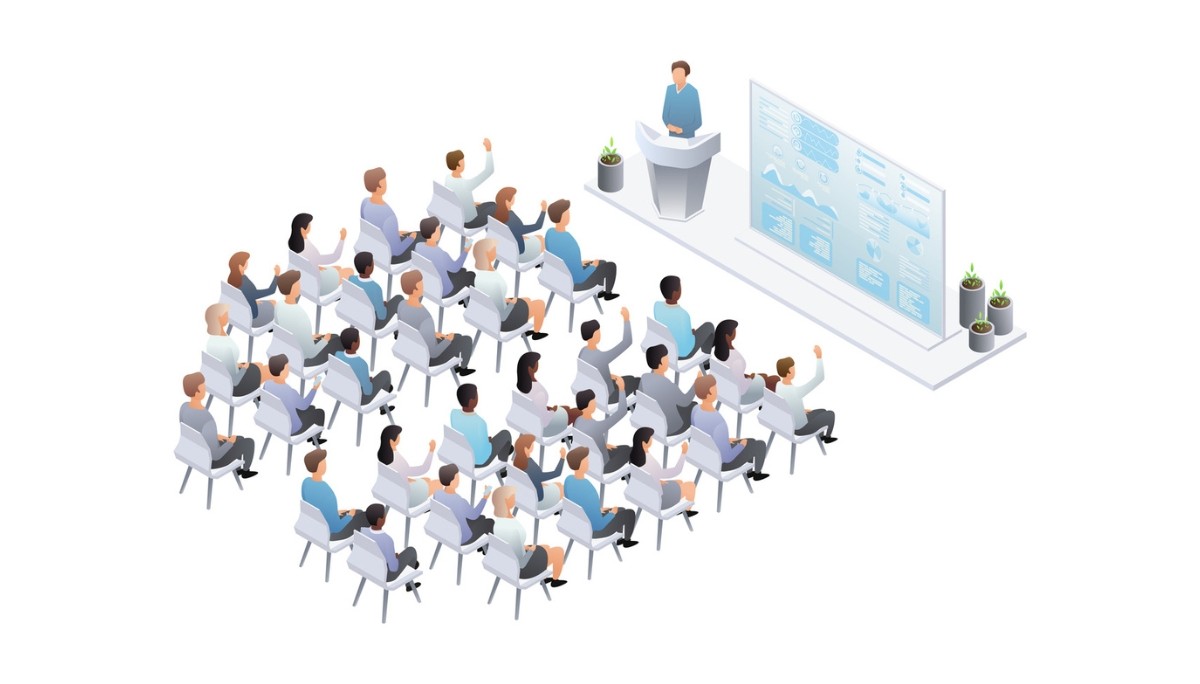
Between 2018 and 2024, AI roles changed dramatically. In 2018, machine learning engineers focused on supervised learning, feature engineering, and deploying models via simple APIs. By 2024, the same roles require fluency in LLM operations, retrieval-augmented generation, fine-tuning on consumer and enterprise GPUs, and navigating emerging safety evaluations.
This rapid change means degrees or certificates alone are not enough to stay employable, which is where continuing professional development, or CPD, comes in. CPD is the deliberate, ongoing development of skills, knowledge, and professional behavior, planned and documented to align with your career goals, whether moving from model training to AI platform engineering or from academic research to applied R&D.
This article explains CPD and how to build a practical plan for AI engineering, ML research, and infrastructure roles, and it introduces Fonzi, a curated AI talent marketplace that values CPD and uses AI responsibly in hiring. You will learn how Match Day works, how to present your growth, and how to use CPD as a competitive advantage. By the end, you will have a framework for your development cycle and concrete steps to turn learning into career momentum.
Key Takeaways
Continuing professional development (CPD) is a structured, ongoing process of keeping your technical and professional skills current, extending beyond your initial degree, PhD, or bootcamp.
For AI engineers, ML researchers, infra engineers, and LLM specialists, CPD involves staying up to date on areas like transformer architectures, distributed training, model evaluation, and safety through courses, reflective learning, and hands-on projects.
Effective CPD follows a cycle of assessing skill gaps, setting objectives, executing activities with reflection, and documenting outcomes, and Fonzi treats this evidence as a core signal when matching candidates with companies fairly and efficiently.
What Is CPD? Definitions, Context, and Core Principles
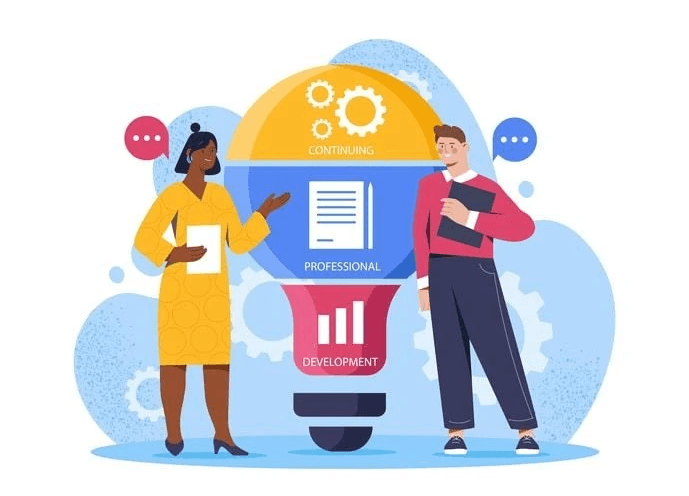
Continuing professional development means maintaining and updating your knowledge and competencies throughout your working life. For technical professionals in 2024, this goes well beyond attending a conference once a year or skimming a few blog posts. CPD is intentional. It requires you to identify what you need to learn, plan how you’ll learn it, do the work, and then reflect on what changed in your practice.
CPD goes beyond ad hoc learning. While reading Hacker News comments or casually experimenting with a new library counts as learning, it does not automatically count as CPD. The difference is structure. Effective ongoing professional development is planned around your current role and future career goals, such as moving from data scientist to research engineer, or from general backend engineering to AI infrastructure lead. It is documented so you can show evidence of what you did. And it is outcomes-focused, meaning you can point to specific changes in how you work, think, or build.
The concept of CPD has roots in heavily regulated professions. Doctors, lawyers, and accountants have faced mandatory CPD requirements for decades because their knowledge directly affects public safety. In unregulated but fast-moving fields like AI and software engineering, there is no external body forcing you to log CPD hours. But the market imposes its own requirements. If you are not continuously developing your skills, you are falling behind candidates who are.
The core principles of CPD are straightforward. It is ongoing, not a one-time event but a recurring cycle. It is intentional, you choose what to learn based on analysis, not whim. It is evidence-based, you keep records that demonstrate what you did and what you gained. And it is outcomes-focused, the goal is not to collect badges but to change your actual capabilities.
CPD covers both technical depth and non-technical capabilities. For an AI engineer, this might mean deepening your understanding of Mixture-of-Experts models or mastering observability for model serving. But it also includes professional skills like cross-functional communication, ethical reasoning about deployments, and the ability to translate technical constraints for product managers. A balanced CPD approach addresses both.
Types of CPD for AI and ML Professionals
Different formats of CPD suit different stages of your career and different learning goals. Intense bootcamps work well for early-career engineers who need to ramp up quickly on production practices. Self-directed study and deep research paper analysis fit senior or research-focused roles where staying close to the frontier matters. The key is building a balanced plan that combines multiple approaches.
For AI talent, a strong CPD portfolio usually combines three elements: hands-on building, reading primary research from arXiv and conference proceedings, and structured training through courses or workshops. Attending NeurIPS or ICML counts. Completing a six-week course on reinforcement learning counts. Contributing to open-source LLM tooling like vLLM, Ray, or LangChain counts. The best CPD plans include all three.
Importantly, CPD activities can double as portfolio material. The GitHub repositories you build while learning, the blog posts you write to explain a concept, and the conference talks you give all serve two purposes. They advance your skills and they create artifacts that demonstrate those skills to potential employers. This alignment is exactly what platforms like Fonzi look for when matching candidates with companies.
Structured CPD / Active Learning
Structured CPD refers to formal, goal-driven learning with clear curricula, deadlines, and often external validation. This includes university certificates, intensive online programs, and industry bootcamps focused on applied AI. The structure provides accountability and ensures you cover material systematically rather than cherry-picking only familiar topics.
For AI engineers in 2026, structured CPD might look like a 12-week deep learning specialization, a production-grade MLOps course, or a company-sponsored workshop on distributed training with PyTorch and CUDA. These programs typically include hands-on labs, graded projects, and capstones that require building real systems, such as an end-to-end RAG pipeline or a model monitoring dashboard.
The advantage of structured CPD is that it is easy to document and present. You can list the course, the provider, the completion date, and the projects you built. For hiring teams reviewing your Fonzi profile, completed structured CPD with tangible projects serves as strong evidence that you are ready for production work.
Reflective CPD / Passive but Intentional Learning
Reflective CPD involves consuming information, such as conference talks, long-form training videos, and industry briefings, and then consciously analyzing it through your own context. The key word is intentional. Watching a NeurIPS 2024 keynote while multitasking on Slack is not reflective learning. Watching that same keynote, taking notes, and writing down how it changes your understanding of your current project is.
Examples for AI professionals include watching training videos from major conferences, reading safety frameworks published by Anthropic or OpenAI, or following scaling law discussions and then summarizing your takeaways. The reflection is what transforms passive consumption into active learning.
A practical approach is keeping a short research journal or digital garden where you summarize papers, record benchmark results, and document failed experiments. This becomes part of your CPD record.
Informal CPD / Self-Directed Exploration
Informal CPD covers unstructured, curiosity-driven learning that still advances your competence. This includes side projects, open-source contributions, hackathons, and experimentation with new LLM frameworks. It is self-directed learning in its purest form, with no syllabus, no deadlines, just building things that interest you.
Specific examples from 2024 include building a weekend project using function-calling LLMs, optimizing inference on consumer GPUs, or contributing documentation to an open source inference server. These activities often start without a clear plan but generate real, demonstrable skills.
The key to turning informal learning into valuable CPD is capturing it. Write up your design decisions. Document what worked and what did not. Push your code to GitHub with clear READMEs. Create a short demo video. When you do this, informal exploration becomes portfolio material that AI-first companies on Fonzi value highly because it shows initiative and practical problem-solving under real-world constraints.
Why Continuing Professional Development Matters for AI Careers
AI models, tooling, and best practices shift dramatically over 12 to 18 month cycles. Consider the journey from the GPT-3 era of fine-tuning to the 2026 focus on retrieval, tool use, and small specialized models. An engineer who stopped learning in 2022 would struggle to contribute meaningfully to a 2026 production LLM system. This is not hypothetical. It is the reality hiring managers see when reviewing candidates.
CPD helps AI and ML professionals stay employable and differentiated in a market where many candidates list PyTorch and transformers on their resumes, but fewer can demonstrate up-to-date, production-relevant skills. The gap between foundational knowledge and current practice widens every quarter. CPD bridges that gap.
For individuals, the benefits include sharper technical skills, access to more senior roles like Staff ML Engineer or Research Lead, and better alignment with high-impact teams at companies that use AI seriously. CPD also builds confidence. When you systematically track your learning, you can see your progress and articulate it clearly in interviews.
For companies, employees who undertake CPD reduce risk when shipping models, improve the reliability of AI systems in production, and strengthen internal culture around experimentation and responsible deployment. This is why serious AI companies, including those on Fonzi’s platform, actively look for evidence of continuous learning when evaluating candidates.
The connection to hiring is direct. Companies seek CPD evidence in interviews and CVs. They want to see not just what you did at your last job, but how you have continued to develop since. Fonzi’s platform is designed to surface this evidence clearly, giving candidates who invest in professional development a measurable advantage.
CPD Requirements Across Professions and AI-Adjacent Domains
Some roles have formal CPD hour requirements mandated by a professional body or regulatory authority. Others rely on informal market expectations. Understanding where AI and ML roles fall on this spectrum helps you calibrate your own approach.
In regulated professions, CPD requirements are explicit. For example, chartered engineers in the UK typically need to demonstrate around 30-35 hours of CPD annually to maintain their status. Certified cloud architects through AWS or GCP may need to recertify every two to three years, which effectively mandates ongoing study. Data privacy practitioners under frameworks like CIPP often have annual CPD requirements ranging from 20-40 hours, depending on the certification.
AI and ML roles often intersect with these regulated fields. If you are building models for healthcare applications, financial services, or critical infrastructure, you may find yourself subject to CPD requirements through internal compliance or industry standards. Even if your specific role is not regulated, the teams around you may be, and your ability to understand their constraints becomes part of your professional skills.
For unregulated AI roles, there is no external mandate. But treating CPD seriously still affects your career development. Promotion committees at serious AI companies often look for evidence of growth beyond job duties. Team leads trust engineers who stay current. And candidates competing for principal-level or leadership positions need to demonstrate ongoing learning, not just accumulated experience.
How to Plan and Run Your Own CPD Cycle
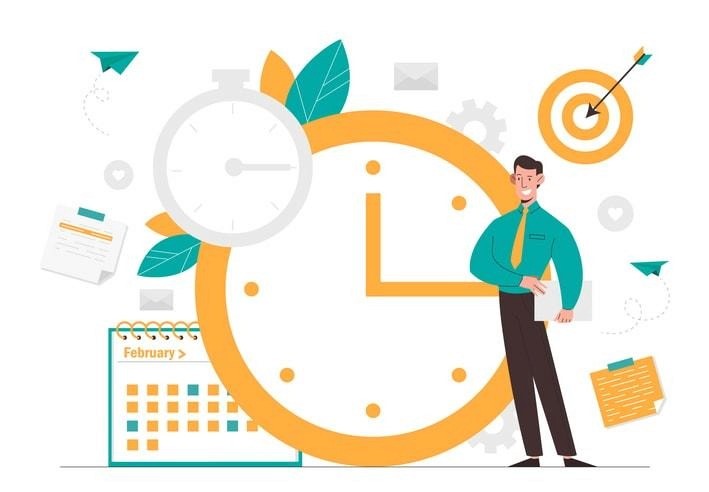
CPD works best as a cycle repeated every 6 to 12 months: assess, plan, act, reflect, and showcase. This is not bureaucratic overhead. It is a structured approach that ensures your learning efforts translate into career progress rather than scattered activity.
You might focus on ramping up on agents, evaluation frameworks, or vector databases, depending on which gaps matter most for your target roles. The cycle gives you a framework for deciding what to learn, executing on it, and then presenting the results during interviews and on platforms like Fonzi’s Match Day.
The steps below map directly to how candidates can present their growth arc during hiring conversations. When an interviewer asks about your recent learning, you will not fumble for examples. You will have a documented CPD journey with specific outcomes.
Analyze Your Current Skill Gaps
Start by auditing your current skills realistically. List your strengths. Maybe you are strong in theoretical reinforcement learning or have deep experience with distributed training. Then identify the missing pieces, such as limited production experience with Kubernetes, weak observability knowledge, or no hands-on work with modern evaluation frameworks.
Use concrete resources to benchmark yourself. Review job descriptions from 2024 AI roles at companies you respect. Study skill matrices published by leading AI companies. Look at open-source projects that mirror industry stacks and honestly assess whether you could contribute meaningfully.
Organize your gaps into categories: core ML, large-scale infrastructure, data engineering, evaluation and safety, and product or business context. This mapping helps you see patterns. Your gaps may cluster around deployment rather than modeling, or around communication rather than technical depth.
Prioritize no more than three focus areas per 6 to 12 month CPD cycle. Spreading yourself across too many areas leads to fragmentation and shallow progress. Choose the gaps that matter most for your career goals and target roles.
Set CPD Objectives with Clear Outcomes
Turn your prioritized gaps into specific objectives. Instead of a vague goal like “learn MLOps,” write something concrete, such as “deploy and monitor an LLM-backed service handling 10k requests per day by October 2025.” Specific objectives are measurable. You will know whether you achieved them.
For AI professionals, strong objectives might include reproducing a benchmark from a 2024 NeurIPS paper, implementing a scalable RAG system for a public dataset, or contributing a non-trivial pull request to an open source repository like vLLM or LangChain. Each objective should be achievable within your cycle timeframe with realistic effort.
Align your objectives with the roles you are targeting. An infrastructure engineer moving toward AI platform work needs different objectives than a researcher transitioning to applied roles. Review the responsibilities listed in Fonzi partner job descriptions and calibrate accordingly.
Write these objectives in a simple CPD document, such as a markdown file, a Notion page, or a spreadsheet. This document becomes source material for interview talking points and portfolio summaries later.
Choose CPD Activities and Build a Realistic Plan
Select a mix of structured, reflective, and informal activities that match each objective. Be realistic about weekly time commitments. For most working engineers, four to six hours per week is sustainable. More than that risks burnout or conflicts with job responsibilities.
Examples include enrolling in a specific online course through platforms like Coursera or fast.ai, scheduling a monthly paper reading group with colleagues, or committing to one open source issue per week. For structured CPD, look for courses from providers with strong reputations in AI rather than generic continuing professional education programs.
Where possible, align CPD with your existing work. If you are already building an evaluation pipeline at work, add systematic benchmarking as a CPD objective rather than inventing a separate toy problem. This integration makes CPD more sustainable and produces artifacts you can discuss without NDA concerns.
Time-box your activities. Define start and end dates so you can evaluate progress and adjust. A CPD plan that runs indefinitely without checkpoints tends to drift.
During screenings with Fonzi’s talent team, mentioning your CPD plan signals focus and discipline. It shows you are thinking strategically about your development goals rather than just reacting to whatever catches your attention.
Execute, Reflect, and Document Your CPD
Doing the work is only half the value. Intentional reflection and documentation turn learning activities into credible CPD that you can present to employers.
Simple documentation formats work best. A private Notion page with monthly entries, a GitHub README detailing learning milestones, or a CPD log spreadsheet with dates, activities, hours, and outcomes are all effective. The format matters less than consistency. You need to capture what you did, what you learned, and how it changed your practice.
Use reflective prompts regularly: What did I try this month? What broke in production and what did I learn? How will this change my design choices? These questions force you to process experiences rather than just accumulating them.
Consider publishing selected learnings as blog posts, conference submissions, or open source documentation. Public artifacts are especially attractive to hiring managers because they can be verified. On Fonzi, your GitHub profile, papers, and talks can be surfaced directly to companies as part of your candidate profile, making your CPD highly visible.
Tracking and Presenting Your CPD: Logs, Portfolios, and Evidence
Turning scattered learning into a coherent story requires systematic tracking. This section covers the practical mechanics of CPD documentation for AI professionals navigating hiring.
The difference between a simple CPD log and a richer portfolio matters. A CPD log tracks dates, activities, and hours, capturing the raw data of your learning experience. A portfolio goes further. It includes projects, write-ups, code, talks, and reflections that demonstrate the outcomes of your learning. AI talent needs both. The log proves consistency. The portfolio proves capability.
Common tracking tools range from simple spreadsheets and markdown files in a repository to note-taking apps like Notion or Obsidian and specialist CPD trackers. For most engineers, simple solutions work best. The goal is to reduce friction so you actually maintain the record rather than building an elaborate system you will abandon in two months.
Example CPD Tracking Approaches (with Comparison Table)
Below is a comparison of three common approaches AI professionals use to track CPD. Choose one primary method and optionally a secondary method to avoid overcomplicating your system.
Method | Description | Time Investment | Best For |
Simple CPD Log | Spreadsheet or markdown file tracking activity name, date, hours, and key takeaway. Update weekly or after each activity. Example: logging 25 hours of structured courses and 15 hours of paper reading from January–June 2025. | Low (15-30 minutes per week) | Engineers who want minimal overhead; meeting formal CPD requirements for certifications |
GitHub-Centric Portfolio | Dedicated repository with README documenting learning milestones, links to project repos, course certificates, and experiment logs. Each project folder includes design docs and reflections. | Medium (1-2 hours per week) | Engineers targeting roles where code and system design are primary signals; making CPD visible to technical hiring managers |
Public Writing & Talks | Blog posts, conference talk recordings, and published papers that demonstrate learning outcomes. Maintained alongside a private log for internal tracking. | High (3-5+ hours per published piece) | Engineers building public reputation; senior roles where thought leadership matters; research positions |
Candidates can choose based on their current career stage and target roles. A GitHub-centric portfolio works well for infra engineers. Public writing suits those aiming for staff or principal positions where communication is expected.
Fonzi profiles can link to or embed these sources directly. This allows hiring teams to quickly verify a candidate’s CPD record without requiring lengthy explanations or additional documentation requests.
How Companies Use CPD and AI Responsibly in Hiring
Many companies now use AI tools to screen CVs and portfolios. Resume parsers, skill extraction algorithms, and candidate ranking systems have become standard. For candidates, this often feels opaque and unfair. You do not know what the algorithm values, whether it is biased, or whether your carefully documented CPD even gets seen.
The ideal, responsible use of AI in hiring treats these tools as signal amplifiers and assistants rather than gatekeepers. AI can help surface relevant experience, cluster similar candidates, and reduce the manual burden on recruiters. But it should not replace human judgment on complex decisions such as fit, potential, and growth trajectory.
Evaluating CPD evidence provides a richer, less biased picture than simple keyword scans. Traditional resume screening often overweights pedigree, such as the university you attended or brand-name employers on your CV. CPD portfolios shift the focus to what you have actually learned and built, which benefits candidates with non-traditional backgrounds who have done the work.
Responsible practices in AI-powered hiring include transparent criteria that candidates can understand, human review of AI-generated recommendations, and deliberate checks for bias in screening models. Companies should audit their hiring algorithms regularly and provide feedback mechanisms for candidates who feel misclassified.
Fonzi is built around these principles, combining human judgment with careful, candidate-centered AI use.
Fonzi: A Curated Marketplace for AI Talent Built Around CPD
Fonzi is a curated, invitation-only marketplace designed specifically for AI engineers, ML Researchers, infrastructure engineers, and LLM specialists. Unlike broad job boards where your application disappears into a queue of thousands, Fonzi maintains a smaller pool of vetted candidates and companies, creating more meaningful connections.
Fonzi uses AI to help structure information about candidates and roles, summarizing backgrounds, identifying skill alignments, and suggesting potential matches. But final decisions and matching are driven by expert humans with deep technical understanding. The AI assists; it does not decide.
Critically, Fonzi explicitly values CPD signals. Continuous project work, recent learning, and evidence of growth matter more than pedigree or previous employer logos. If you have spent six months ramping up on modern LLM evaluation frameworks while working at an unknown startup, that counts. If you have contributed to important open source projects but lack a Stanford degree, that is visible and valued.
Candidates are onboarded through a structured profile process that captures projects, research, infrastructure experience, and learning activities from recent years. This is not a generic resume upload. It is designed to surface the CPD evidence that actually matters for technical roles.
Fonzi’s partner companies are vetted for serious, long-term AI investment. These are teams with dedicated research groups, real infrastructure budgets, and clear technical charters, not companies chasing hype cycles. For job seekers, this means the roles on Fonzi are more likely to offer meaningful work and support for continued development.
Inside Fonzi Match Day: High-Signal Hiring for AI Talent
Match Day is a recurring, time-bound event where curated AI candidates and vetted companies connect around concrete opportunities. Candidates finalize profiles, including CPD highlights, and Fonzi generates matches based on skills, experience, and development trajectory. Companies express interest within a defined window, and candidates respond, moving quickly from first contact to interviews.
Typical outcomes include multiple conversations with serious teams, fewer generic screens, and more time on technical and product discussions. Match Day respects candidate time with clear updates, dedicated support, and transparent timelines, improving on the standard job search where applications often disappear.
Practical CPD Tips for AI, ML, and Infra Job Seekers
Focus on a limited number of deep, demonstrable outcomes rather than many shallow activities. For senior roles, impact matters more than volume. Completing one substantial project with good documentation is better than attending workshops every weekend with nothing to show for it.
Specific activity ideas include benchmarking popular open LLMs on domain-specific tasks, experimenting with structured reasoning approaches like chain-of-thought or tree-of-thought prompting, or building observability dashboards for model drift detection. Choose activities that align with the roles you are targeting and that produce tangible artifacts.
Collaboration amplifies CPD. Form small reading groups with colleagues or online communities. Run weekly code review sessions on learning projects. Turn internal tech talks into public blog posts. These activities create accountability and generate new skills through teaching and discussion.
Prepare a concise CPD highlights section you can paste into your Fonzi profile and use as talking points during interviews. Keep it to five or six entries from the last 12 to 18 months, each with a clear outcome. This becomes your go-to summary for the CPD elements of any hiring conversation.
Preparing for Technical Interviews Using CPD
CPD work translates directly into interview material. System design discussions benefit from recent projects you have built. Code walkthroughs use repositories you have created. Research reasoning questions draw on papers you have studied and implemented.
Prepare two to three stories from recent CPD projects that show end-to-end thinking. Each story should cover the problem you tackled, the constraints you faced, the design decisions you made, the trade-offs you navigated, and the results you achieved. Practice telling these stories in three to five minutes so you can deploy them flexibly across interview formats.
Map common interview formats to CPD activities you have already completed. If you expect system design interviews, make sure your CPD includes architecture work you can discuss. If research deep-dives are likely, have paper implementations ready. This alignment makes interview prep a matter of reviewing and rehearsing rather than scrambling to learn new material.
Fonzi’s partners often review a candidate’s public repositories or papers before interviews. Making your CPD visible raises the quality of those conversations. Interviewers come prepared with specific questions about your work rather than generic prompts.
Mock interviews with peers based on recent CPD artifacts build confidence and refine your explanations. Find colleagues or friends willing to role-play interviewer and give you honest feedback on clarity and depth.
Conclusion
Continuing professional development is essential for AI professionals to stay relevant and in demand. Even strong engineers can fall behind if they stop learning deliberately.
Structured, reflective, and informal learning each play a role. Documenting your efforts through logs, portfolios, and public artifacts turns invisible work into visible career evidence. Engineers who treat their development goals seriously advance fastest.
Responsible AI hiring, as practiced by Fonzi, values demonstrated growth over credentials. Prepare a short CPD summary covering the last 12 to 18 months, including courses, projects, papers, and skills, and apply to Fonzi’s curated marketplace. Treat your next CPD cycle as both personal growth and preparation for a human-centered hiring experience.
FAQ
What does CPD mean and what is continuing professional development?
What are CPD requirements for different professions?
How do I track and document ongoing professional development?
What activities count toward continuing professional education?
Why is continuing professional development important for career growth?