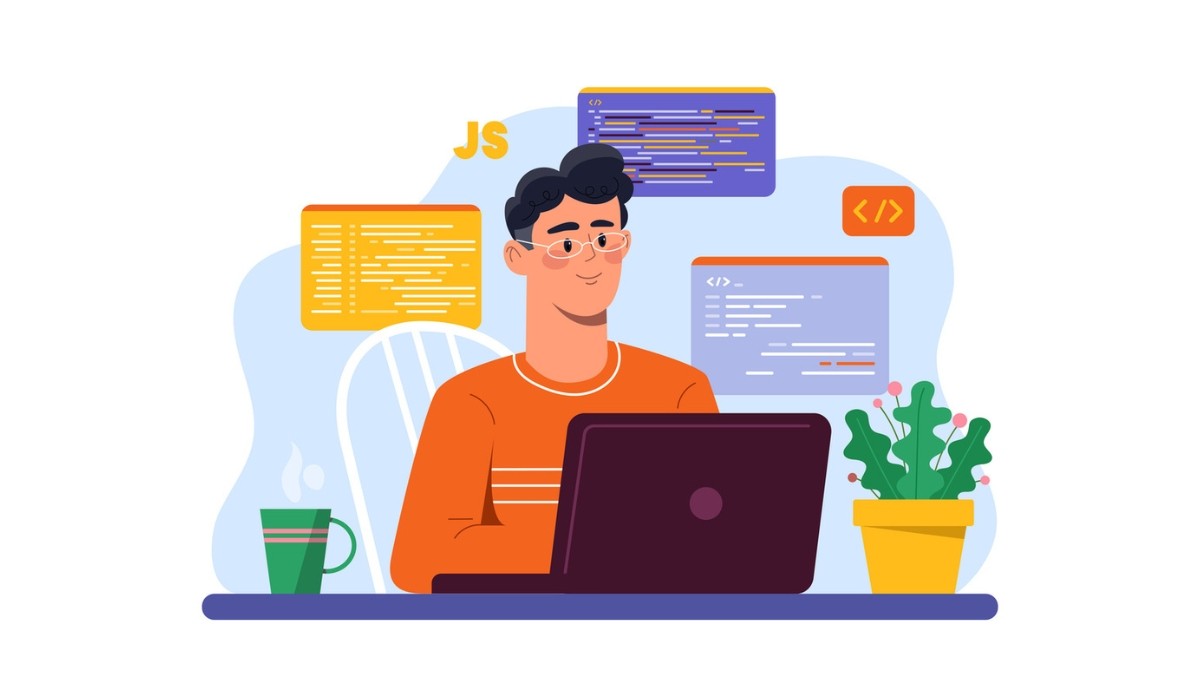
The technology talent shortage has reached a critical point. Companies across industries are struggling to find qualified Node.js developers while competing against tech giants like Netflix, Uber, and PayPal for the same limited pool of senior talent. Traditional hiring methods are failing, with a longer time-to-hire for Node.js specialists compared to just two years ago. This article reveals how artificial intelligence is revolutionizing the way companies hire Node.js developers. You’ll discover proven strategies for identifying top talent, streamlining your development process, and leveraging multi-agent AI systems to build exceptional development teams faster than ever before.
Key Takeaways
AI is transforming Node.js hiring by reducing time-to-hire from months to weeks while supporting consistent technical and cultural fit evaluation.
Multi-agent AI systems streamline screening, technical assessment, and candidate matching, giving companies a competitive advantage in securing quality Node.js developers.
Platforms like Fonzi provide access to pre-vetted Node.js talent, helping teams accelerate their hiring pipeline through structured, AI-enhanced processes.
The Urgent Hiring Challenges Facing Companies in 2025
Remote work has fundamentally shifted talent acquisition. While it expanded access to global talent pools, it simultaneously increased competition for top Node.js developers. Companies that once competed locally now face international competition for every qualified Node.js developer.

Traditional skill assessment methods are proving inadequate for modern hiring needs. The challenge becomes even more complex when evaluating asynchronous programming skills, event loop understanding, and server-side development expertise.
Major technology companies like Netflix, Uber, and PayPal have dramatically intensified competition for experienced developers. These organizations offer comprehensive compensation packages, stock options, and cutting-edge project opportunities that smaller companies struggle to match.
Manual screening processes create significant bottlenecks when evaluating hundreds of JS developer applications. HR teams spend countless hours reviewing resumes and conducting initial screenings, often lacking the technical expertise to properly assess Node Package Manager proficiency or JavaScript code quality.
Why Node.js Developers Are in High Demand
Node.js has established itself as a cornerstone technology in modern software development. The Stack Overflow Developer Survey ranked Node.js as the 6th most popular technology among 87,000 developers worldwide, demonstrating its widespread adoption and developer preference.
The JavaScript runtime environment powers real-time applications for Fortune 500 companies including Walmart and LinkedIn. These organizations rely on Node.js for handling high-traffic scenarios, processing thousands of concurrent connections, and delivering seamless user experiences across multiple platforms.
Node.js enables full-stack development with a single programming language across frontend frameworks and backend systems. This unified approach significantly reduces development complexity, improves team collaboration, and accelerates project timelines. Organizations can hire Node.js developers who understand the entire technology stack rather than maintaining separate frontend and backend teams.
The technology proves essential for microservices architecture, RESTful APIs, and IoT applications driving digital transformation across industries. Companies building scalable web applications, mobile app development platforms, and event-driven architecture solutions increasingly depend on Node.js expertise.
Growing adoption in fintech, healthcare, and e-commerce sectors has intensified the developer shortage. These industries require specialized skills in security best practices, database query optimization, and production environment management that many JS developers are still developing.
Benefits of Hiring Dedicated Node.js Developers

Full-Stack Development Efficiency
Hiring dedicated Node.js developers provides efficiency gains through unified language development. A single programming language across client and server reduces context switching, enabling developers to move seamlessly between frontend frameworks and backend development without losing productivity.
Shared code libraries between client and server components can reduce development time by 30–40%. When JS developers work on both sides of an application, they create reusable modules, standardized error handling patterns, and consistent data validation logic that accelerates the entire development process.
Unified tooling and build processes streamline deployment pipelines significantly. Development teams can use the same testing frameworks, debugging tools, and package management systems across their entire technology stack, reducing operational costs and training requirements.
Real-Time Application Excellence
Node.js event-driven architecture makes it perfect for chat applications, live streaming platforms, and gaming applications requiring instant data synchronization. The runtime environment handles concurrent connections efficiently through its non-blocking I/O operations, making it ideal for applications serving thousands of simultaneous users.
WebSocket support enables instant data synchronization across multiple clients without traditional polling mechanisms. This capability is crucial for collaborative applications, trading platforms, and real-time apps that require immediate data updates across distributed user bases.
The asynchronous programming model allows seasoned Node.js developers to build scalable server-side applications that maintain responsiveness under heavy load. Unlike traditional threading models, Node.js processes multiple requests concurrently without creating separate threads for each connection.
Seamless Integration Capabilities
Dedicated Node.js developers excel at creating customized solutions that integrate multiple systems and databases. Their understanding of the JS ecosystem enables smooth connections between SQL databases, NoSQL databases, and external APIs while maintaining optimal performance.
The extensive npm package library provides pre-built solutions for common development challenges, reducing custom development time and improving code reliability. Experienced developers know how to select, evaluate, and implement third-party packages effectively while avoiding security vulnerabilities like SQL injection attacks.
Node.js developers create scalable solutions that grow with business needs. The technology’s horizontal scaling capabilities, combined with cloud platform integration, allow applications to handle increasing user loads without major architectural changes.
Essential Skills to Look for in Node.js Developers
Junior Node.js Developer Skills (1-3 years)
Entry-level JS programmers should demonstrate solid understanding of core JavaScript ES6+ features including promises, async/await syntax, and arrow functions. These fundamental concepts form the foundation for effective asynchronous programming and modern JavaScript development.
Express.js framework knowledge is essential for building basic web applications and RESTful APIs. Junior developers should understand routing, middleware implementation, and basic authentication mechanisms. They should also demonstrate proficiency with basic database operations using MongoDB or PostgreSQL.
Version control with Git and npm package management represent baseline technical skills. Junior Node.js developers must understand how to manage dependencies, handle package versions, and collaborate effectively using standard development workflows.
Unit testing capabilities using Jest or Mocha frameworks ensure code quality and maintainability. Even junior developers should understand testing principles and be able to write basic test cases for their code.
Senior Node.js Developer Skills (5+ years)
Senior full-stack developers require advanced understanding of Node.js internals including event loops, clustering mechanisms, and memory management techniques. These developers must optimize applications for production environments while maintaining security best practices.
Microservices architecture expertise with Docker, Kubernetes, and API gateways becomes crucial for complex project development. Senior Node.js developers should design system architecture that supports scalability, maintainability, and deployment flexibility across multiple environments.
Cloud platform expertise including AWS Lambda, Google Cloud Functions, and Azure Functions enables modern deployment strategies. These developers should understand serverless computing, auto-scaling mechanisms, and cost optimization strategies for cloud-based applications.
GraphQL implementation and database optimization represent advanced technical capabilities. Senior developers should design efficient data access patterns, optimize database queries, and implement caching strategies that improve application performance.
Security implementation including OWASP guidelines and OAuth integration protects applications from common vulnerabilities. Experienced developers must understand authentication protocols, data encryption, and secure coding practices essential for production environments.
How Fonzi’s Multi-Agent AI Streamlines Node.js Hiring
Automated Candidate Screening
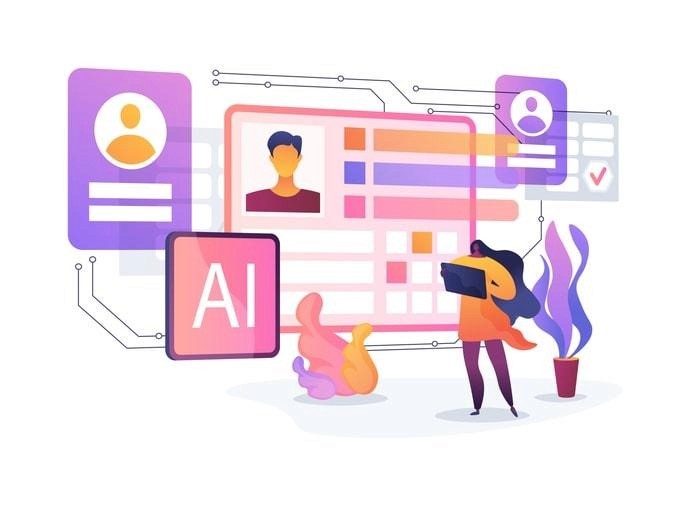
Fonzi’s multi-agent AI system streamlines candidate evaluation by using structured technical assessments and role-specific criteria to measure a developer’s PHP proficiency. Instead of relying on external data sources, the AI reviews candidates’ responses to coding tasks, evaluates how they approach problem-solving, and identifies patterns that indicate real-world development capability.
Its language-analysis tools assess how clearly candidates explain their reasoning and communicate technical decisions, providing insight into their ability to collaborate effectively and work within engineering teams.
Intelligent Technical Assessment
Dynamic coding challenges adapt to individual candidate skill levels and specific project needs, creating fair and relevant evaluation experiences. Rather than using generic programming puzzles, the AI generates challenges that reflect actual work requirements for each position.
Real-time code analysis provides instant feedback on best practices, performance optimization, and security considerations. Candidates receive immediate insights into their solutions while evaluators gain detailed technical reports on code quality and problem-solving approaches.
AI-powered pair programming sessions simulate actual work environments, allowing candidates to demonstrate collaboration skills and real-world problem-solving abilities. These sessions reveal how developers handle requirements clarification, debugging processes, and technical decision-making under realistic conditions.
Comprehensive skill mapping covers 50+ Node.js frameworks, databases, testing tools, and deployment technologies. The assessment creates detailed competency profiles that help match candidates with appropriate project requirements and team needs.
Traditional vs AI-Enhanced Interview Process
Traditional hiring processes typically require 6–8 weeks from job posting to offer acceptance, creating significant delays in project timelines and team building. Manual screening processes struggle with the volume of applications while maintaining consistent evaluation standards across all candidates.
AI-enhanced hiring reduces time-to-hire from the industry average of 45 days to approximately 21 days through automated screening and intelligent candidate matching. This acceleration doesn’t compromise quality; instead, it improves evaluation accuracy by removing human bias and inconsistency from initial screening phases.
Essential Node.js Interview Questions
Technical Proficiency Assessment:
How do you handle memory leaks in Node.js applications and what tools do you use for detection and prevention? This question reveals understanding of production environment challenges and debugging capabilities essential for maintaining scalable server-side applications.
Explain event loop mechanics and how it differs from traditional threading models. Understanding event loops demonstrates core Node.js knowledge and ability to write efficient asynchronous programming solutions.
Describe your approach to scaling Node.js applications under high load conditions. This question assesses system architecture knowledge and experience with performance optimization techniques.
What security vulnerabilities are common in Node.js applications and how do you prevent them? Security awareness becomes critical for applications handling sensitive data or financial transactions.
How do you implement proper error handling in asynchronous Node.js code? Error handling expertise directly impacts application reliability and user experience in production environments.
Behavioral and Cultural Fit Assessment
Problem-solving assessment through real-world debugging scenarios reveals how candidates approach complex technical challenges. Present candidates with actual production issues and evaluate their systematic troubleshooting approaches.
Communication skills evaluation becomes crucial for remote team collaboration and cross-functional project work. Assess how candidates explain technical concepts to non-technical stakeholders and document their decision-making processes.
Adaptability testing through changing requirements scenarios helps identify candidates who thrive in agile methodologies and dynamic project environments. Modern software development requires flexibility and continuous learning capabilities.
Past project experience discussions reveal lessons learned, technical growth, and ability to reflect on professional development. Look for candidates who demonstrate continuous improvement and learning from both successes and failures.
Engagement Model Comparison
Full-time employees provide maximum stability and cultural integration but require substantial investment in benefits, training, and long-term commitment. This model works best for core team positions and long-term projects requiring deep business knowledge.
Contract developers offer flexibility for project development and specialized expertise at premium hourly rates. This approach suits specific technical challenges or temporary capacity increases without long-term obligations.
Dedicated development teams balance cost-effectiveness with team cohesion by providing stable partnerships without full employment overhead. This model enables access to experienced developer teams while maintaining project control and communication efficiency.
Staff augmentation provides scalability for multiple projects without recruitment overhead. Companies can quickly adjust team size based on project demands while maintaining quality standards through pre-screened talent networks.
Step-by-Step Guide to Hiring Node.js Developers
Phase 1: Requirements Definition (Week 1)
Define specific Node.js frameworks and technologies required for your project success. Consider whether you need Express.js expertise, GraphQL implementation experience, or specialized database integration capabilities. Document technical requirements clearly to guide sourcing and evaluation efforts.
Determine team structure, seniority levels, and collaboration requirements based on project complexity and timeline constraints. Decide whether you need junior developers for support tasks, senior full-stack developers for architecture decisions, or a mix of experience levels for comprehensive coverage.
Set budget parameters and timeline expectations for the hiring process based on market conditions and organizational priorities. Consider total cost of ownership including benefits, equipment, and training requirements for accurate budget planning.
Create detailed job descriptions highlighting unique project challenges and growth opportunities. Specify whether positions involve mobile app development, API development, or specialized domains like fintech or healthcare that require additional expertise.
Phase 2: AI-Powered Candidate Sourcing (Week 2-3)
Deploy Fonzi’s multi-agent system to identify qualified candidates from global talent pools efficiently. The AI system evaluates technical skills, experience relevance, and cultural fit indicators to create targeted candidate lists.
Automated screening filters candidates based on technical requirements, location preferences, and salary expectations. This process eliminates unsuitable applications while identifying hidden talent that might be overlooked in manual screening.
Generate shortlists of 5–10 pre-qualified candidates with detailed skill assessments and compatibility scores. Each candidate profile includes technical competency mapping, project experience analysis, and cultural fit predictions.
Schedule initial interviews with highest-scoring candidates using AI-optimized scheduling that considers time zones, availability, and interview format preferences. This coordination reduces administrative overhead while improving candidate experience.
Phase 3: Technical Evaluation and Final Selection (Week 4)
Conduct structured technical interviews using AI-generated question sets tailored to specific project requirements and candidate experience levels. These questions assess both theoretical knowledge and practical problem-solving abilities.
Complete practical coding assessments in real Node.js development environments that simulate actual work conditions. Candidates work with familiar tools and frameworks while demonstrating their approach to real-world challenges.
Perform comprehensive reference checks and verify previous project experiences through structured conversations with former employers or clients. This validation confirms technical claims and reveals insights about work style and reliability.
Make final hiring decisions based on comprehensive evaluation scorecards that weight technical skills, cultural fit, and project alignment appropriately. Document decision rationale to improve future hiring processes and maintain consistency.
Adopting AI into Your Node.js Hiring Process
Implementation Roadmap
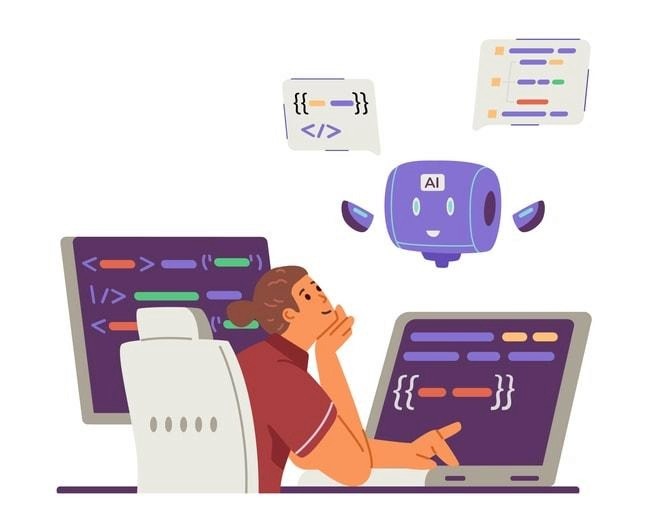
Start with a pilot program for one Node.js position to test AI screening accuracy and integration with existing recruitment workflows. This controlled approach allows teams to understand AI capabilities while minimizing risk and learning from initial results.
Train recruitment teams on AI-generated insights, candidate scoring methodologies, and interpretation of technical assessments. Team members must understand how to leverage AI recommendations while maintaining human judgment for final decisions.
Integrate AI tools with existing applicant tracking systems and workflows to maintain data consistency and reporting capabilities. Seamless integration ensures adoption success while preserving valuable recruitment data and processes.
Scale successful processes across all technical hiring initiatives once pilot results demonstrate effectiveness. Gradual expansion allows refinement of procedures and training while building organizational confidence in AI-enhanced recruitment.
Measuring Success with AI-Enhanced Hiring
Track time-to-hire reduction from the industry average of 45 days to a target of 21 days through comprehensive timeline analysis. Document where time savings occur and identify additional optimization opportunities for future improvement.
Monitor quality-of-hire metrics including 90-day performance reviews, retention rates, and project success indicators. These measurements validate that faster hiring doesn’t compromise candidate quality or long-term success.
Measure cost-per-hire savings from automated screening and reduced manual effort across the entire recruitment pipeline. Calculate ROI including AI tool costs, time savings, and improved hiring outcomes for accurate financial assessment.
Assess candidate experience improvements through feedback surveys, application completion rates, and employer brand perception metrics. Positive candidate experiences improve company reputation and increase acceptance rates for future offers.
Conclusion
The competition for skilled Node.js developers has intensified dramatically, with traditional hiring methods failing to meet modern recruitment challenges. Companies that continue relying on manual screening and outdated evaluation processes will struggle to build the development teams needed for digital transformation success.
AI-powered hiring solutions like Fonzi offer proven approaches to streamline recruitment while improving hiring quality and candidate experience. The future belongs to companies that embrace artificial intelligence for identifying and evaluating technical talent. By adopting AI-enhanced hiring processes today, organizations gain competitive advantages in talent acquisition while building stronger development teams for tomorrow’s challenges.
Start your AI-powered hiring transformation today. Evaluate Fonzi’s multi-agent system for your next Node.js developer hiring initiative and experience the difference intelligent recruitment technology makes for building exceptional development teams.
FAQ
How long does it typically take to hire a qualified Node.js developer using AI-powered tools?
What's the difference between hiring full-time employees versus dedicated development teams?
What are the most important red flags to watch for when hiring Node.js developers?
How can AI help reduce bias in Node.js developer hiring decisions?
How do I ensure remote Node.js developers integrate well with my existing team?


