
The talent market for AI and engineering roles in 2026 looks very different from five years ago. Budgets are tighter, candidate expectations are higher, and competition for senior ML engineers, data scientists, and full-stack developers is intense. Job seekers expect faster responses, transparent salaries, and streamlined processes, yet many companies still use outdated hiring playbooks.
The challenges are clear: long searches for specialized talent, recruiters overwhelmed by unqualified applicants, and inconsistent interview quality across teams. While some companies take months to hire, competitors are closing offers in weeks.
A job advertisement is no longer just a static post on a job board. It’s a dynamic asset that reaches candidates across channels and audiences. This article explains how to combine programmatic job advertising, effective free sites, and modern templates to hire engineers faster while keeping human judgment at the center.
Key Takeaways
Job advertising in 2026 is driven by programmatic distribution, AI targeting, and salary transparency expectations, making generic boards and copy-paste descriptions less effective for senior engineering roles.
Combining free job sites with smart programmatic spend can outperform broad paid postings in cost-per-hire and time-to-fill.
Fonzi AI is a curated marketplace for AI and engineering roles that uses multi-agent AI with human oversight to deliver vetted candidates through Match Day, while modern hiring stacks use AI for repeatable tasks and keep humans in charge of final decisions.
What Job Advertising Really Means in 2026
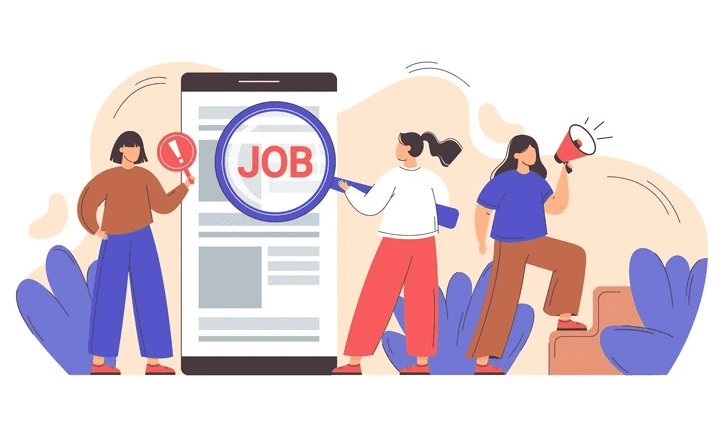
The term “job advertising” has evolved far beyond posting a job description on a single board and waiting for applications to roll in. In 2026, it includes a full ecosystem of distribution, optimization, and candidate engagement.
Job advertising now covers multi-channel distribution across job boards for recruiters, social media, aggregators, and niche communities, with real-time optimization of spend and messaging based on performance data.
AI roles like ML engineers, data scientists, and LLM ops engineers are exceptionally scarce, making the quality and targeting of job ads more critical than raw volume.
The old approach of using one board and a static description has given way to 2026 practices such as programmatic campaigns, iterative A/B testing, and structured job data optimized for search engines. Strong job ads must align with internal processes, including structured interviews, bias-audited evaluations, and salary bands defined upfront, or risk losing qualified applicants at the offer stage.
Programmatic Job Advertising: How It Works & Why It Matters
Programmatic job advertising has become one of the most powerful tools in the modern recruiter’s arsenal. Instead of manually posting job openings to individual sites, programmatic platforms use software and AI to automatically buy, place, and optimize ads across dozens or even hundreds of channels, all based on real-time performance data.
Think of it like programmatic display advertising, but for talent acquisition. You set your budget, define your target audience such as skills, location, and experience level, and the system handles the rest by shifting spend toward the channels that produce the most qualified candidates.
Programmatic job advertising uses software to automatically place and optimize job ads based on performance metrics like clicks, applications, and qualified interviews. Budget caps, cost-per-apply bidding, geo and skills targeting, and automatic pausing of underperforming channels help keep spend efficient.
For tech teams, the benefits include less manual posting by recruiters, better targeting of niche roles such as NLP engineers in Berlin or data engineers in Bengaluru, and faster feedback loops. Programmatic tools can also run A/B tests on job titles like “Senior ML Engineer” versus “Staff Machine Learning Engineer” and test copy variations to maximize qualified applications.
There are pitfalls to watch for, as over-automation without guardrails can amplify biased patterns in historical data, so bias-audited models and human review remain essential. Fonzi AI connects to this model by programmatically evaluating candidates rather than buying media, running fraud detection, skills verification, and structured scoring so recruiters can focus on high-touch engagement instead of sifting through unqualified applicants.
Free Job Advertising Sites That Still Work in 2026
Not every hire requires a programmatic budget. For many roles, free job advertising sites still deliver solid results, especially for junior to mid-level positions and for building an early pipeline. The key is knowing which channels work best for your specific industry and role type.
Channel | Best For | Strengths | Limitations | Tips for 2026 |
Indeed Organic | High-volume roles, generalist positions | Massive reach, strong SEO | Paid listings dominate visibility | Optimize job titles for search; refresh postings weekly |
LinkedIn Free Jobs | Professional roles, passive candidates | Access to professional network | Limited to one free slot at a time | Encourage current employees to share and engage |
Google for Jobs | All roles via structured data | Free visibility in Google search | Requires proper schema markup | Add job posting structured data to your careers page |
University Career Portals | Interns, new grads, early-career | Targeted access to emerging talent | Limited to specific institutions | Build relationships with career services offices |
Niche Tech Communities | Specialized AI/ML, data roles | Highly targeted audience | Smaller volume | Post in AI-specific Slack groups, Discord servers, and forums |
Stack Overflow Alternatives | Software engineers, developers | Strong developer credibility | Some now pay-to-play | Focus on communities that allow job postings in free tiers |
Company Careers Page | All roles | Full brand control, no fees | Requires traffic-building investment | Integrate structured data for Google indexing |
Here’s how to make free channels work harder:
Free tiers deliver strong results for entry-level devs, interns, and mid-level generalist positions where you can attract candidates through sheer volume.
For staff-level ML and AI roles, pair free sites with targeted outreach, employee referrals, and curated platforms like Fonzi that focus on pre-vetted top talent.
Integrating structured job posting data on your own Careers page helps ensure roles appear in Google’s job search, a free but often overlooked tactic that can drive significant traffic.
Track source-of-hire and cost-per-apply closely so you can decide where free is sufficient and where to layer in programmatic spend.
Designing High-Converting Job Advertisement Templates
A great job ad is not just a list of requirements. It is a marketing document that attracts candidates, sets expectations, and encourages people to apply. For AI and engineering roles in 2026, the template structure matters more than ever.

Here is the ideal template structure, in order:
Clear, searchable job title: Use standard industry terms like “Senior Machine Learning Engineer” rather than creative alternatives. This improves discoverability and helps interested candidates find your open positions.
2–3 sentence role hook: Focus on impact rather than generic culture slogans. For example, “You will build the LLM-powered fraud detection engine protecting 10M+ transactions daily” is far more compelling than “Join our innovative team.”
Salary range and location or remote policy: Including this information improves click-through rates and downstream offer acceptance. Be clear about remote work policies.
Impact and outcomes for the first 6–12 months: Describe what success looks like. What will the ideal candidate ship? What problems will they solve?
Tech stack and problem domains: Be specific about the technologies involved. AI roles especially benefit from clarity about frameworks, languages, and infrastructure.
Must-have vs nice-to-have requirements: Keep your requirements list tight, with 5–7 bullets maximum. Clearly separate required qualifications, such as “4+ years of Python for production ML,” from preferred skills. Overspecifying requirements can shrink your applicant pool and create confidence gaps that disproportionately affect underrepresented groups.
Hiring process overview with timelines: Explain how many interview rounds to expect, who candidates will meet, and typical decision timelines. Transparency here helps set your employer brand apart.
Inclusive statement and accommodations: A brief note welcoming candidates of all backgrounds and explaining how to request accommodations signals your company’s values.
The most common mistake in job advertisement examples we review is listing every conceivable skill as required when many are actually nice-to-haves. This filters out strong candidates who could excel in the role.
Balancing Automation & Human Oversight in AI-Driven Hiring
The promise of AI in hiring is real: faster screening, fewer missed candidates, and better matching. But the danger of treating AI as a black-box gatekeeper, one that auto-rejects candidates based solely on keywords or historical hiring patterns, is equally real.
The most effective 2026 hiring stacks use AI for repeatable tasks while keeping humans firmly in charge of decisions and offers. This is not about slowing things down. It is about ensuring that automation amplifies good judgment rather than encoding bias.
Key safeguards to implement:
Regular bias audits: Review your AI models quarterly for disparate impact across protected categories.
Transparent scoring rubrics: Make sure recruiters can see exactly why a candidate received a particular score.
Score explanations: AI recommendations should come with reasoning, not just rankings.
Manual review of edge cases: When a candidate falls just below a threshold, a human should make the call.
Clear override rights: Hiring managers must have the ability to override AI recommendations when their judgment says otherwise.
Fonzi AI’s multi-agent system reflects this philosophy. Separate agents handle fraud detection, skill verification, and profile enrichment. Final candidate rankings are always overseen by human recruiters and client teams. This approach improves fairness and also boosts recruiter productivity by letting them invest more time in deep technical conversations and candidate experience rather than basic screening.
When to Use a Marketplace Like Fonzi AI vs Broad Job Ads
Not every role needs the same hiring approach. Understanding when to use broad job advertising versus a curated marketplace can save time, budget, and frustration.
When broad programmatic ads and free boards make sense:
High-volume junior roles where you need a large audience and quantity matters
Customer support or operations positions in large markets
Generalist software positions where the candidate pool is deep
When Fonzi AI is the right fit:
Hiring 1–10 senior AI, ML, data, or full-stack engineers within a quarter
You need pre-vetted candidates with specific skills verified before they reach your pipeline
Fast cycles matter and you cannot afford a 12-week search for a critical role
You want to showcase company culture to candidates who have already been screened for fit
How Fonzi AI’s Match Day works:
A company defines the role and commits to compensation upfront. Our team vets the candidate pool ahead of time by running fraud checks, skills verification, and bias-audited evaluations. Then, over a 48-hour Match Day window, both sides meet, interview, and often issue offers. It is structured hiring compressed into a focused event.
Fonzi AI charges an 18% success fee only when a hire is made, with nothing upfront. For candidates, the service is completely free. This model is particularly attractive for budget-conscious teams compared against traditional recruiting agencies that charge 20–25% regardless of timeline.
Practical Next Steps: Updating Your Job Advertising Playbook

Theory is useful. Action is better. Here is a checklist for the next 30–60 days:
Audit your current job ads: Review your top five engineering roles opened in the last six months. Check for clarity, salary transparency, and realistic requirements. Remove any skills listed as required that are actually nice-to-haves.
Pilot programmatic spend: Allocate $2,000–$5,000 to a single high-priority role and run it through a programmatic platform. Compare time-to-fill and cost-per-apply against your manually posted ads.
Enable structured data: Add job posting schema markup to your company careers page so roles appear in Google for Jobs without extra spend. This is free and often overlooked.
Test a curated marketplace: For your next AI, ML, or senior engineering hire, run one experiment with Fonzi AI’s Match Day. Benchmark results against your existing channels.
Define leadership reporting: Create a simple dashboard tracking time-to-fill, cost-per-hire, source-of-hire, and candidate satisfaction for company work culture using a single post-interview survey question. This data will drive smarter decisions next quarter.
The companies closing critical AI roles fastest are not posting more job ads; they are posting better ads and pairing them with curated channels that deliver quality applicants instead of just volume.
Conclusion
Job advertising in 2026 demands more than a concise job description and a prayer. Winning the competition for AI and engineering talent requires smarter distribution, with programmatic tools and free sites working together, and smarter selection through AI-supported, bias-audited evaluation.
The core message has not changed: AI and automation should augment, not replace, recruiter and hiring manager judgment. The best hiring stacks use AI to save time on fraud detection, skills verification, and structured scoring, freeing up humans to focus on the high-touch work that creates a great hire, including deep technical conversations, cultural assessment, and candidate experience.
If you are ready to see how this works in practice, schedule a brief consultation with Fonzi AI or apply for our next Match Day. You will see pre-vetted AI and engineering candidates ready to interview within a 48-hour window. It is one way to find your next great hire without a months-long search.
FAQ
What is programmatic job advertising, and how does it differ from traditional manual posting?
Which free job advertising sites offer the best reach for niche versus high-volume roles?
What are the key elements of a high-converting job advertisement template?
How can programmatic advertising help reduce cost-per-hire and time-to-fill?
Should I use a “creative” job title, or stick to standard industry terms in my advertisements?


