AI Job Application Tools: Can AI Help You Apply for Jobs Faster?
By
Liz Fujiwara
•
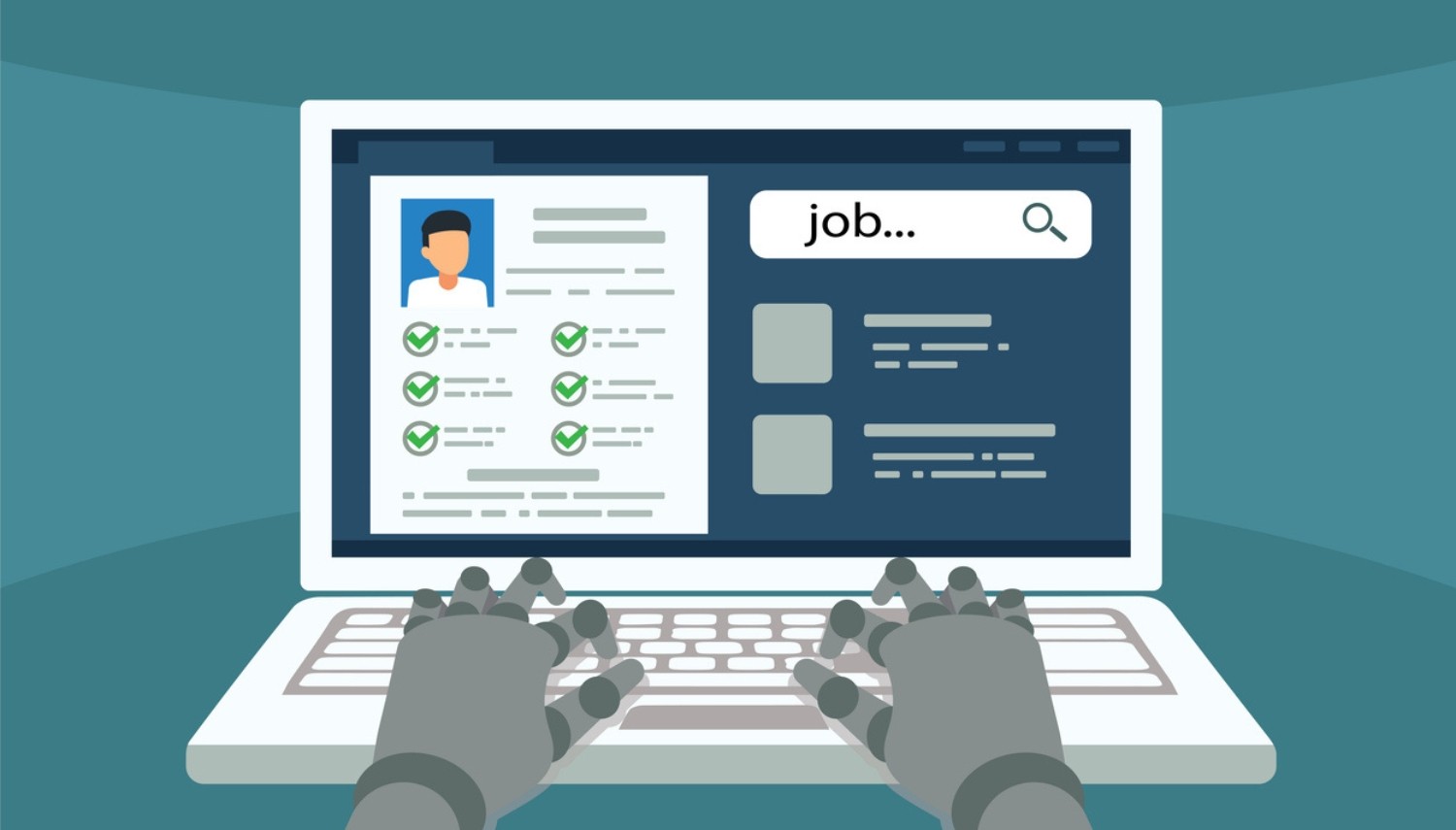
You’re a senior AI engineer with LLM experience and shipped features, but after auto-applying to 200 roles, you get only three mostly irrelevant responses. Mass automation floods hiring managers with low-quality submissions, burying qualified candidates.
Curated platforms like Fonzi focus on fewer, higher-quality opportunities where companies actively seek specialized AI talent. This article is for AI/ML engineers, researchers, infra engineers, and LLM specialists. We compare generic auto-apply tools with curated marketplaces and show how Fonzi uses AI responsibly to reduce bias, streamline hiring, and preserve human connections.
Key Takeaways
AI job application tools in 2025 to 2026 can automate resumes, cover letters, and submissions, but for specialized technical candidates, signal matters more than volume.
Fonzi is a curated marketplace connecting AI engineers, ML researchers, infra engineers, and LLM specialists with vetted companies that have genuine AI investment.
Responsible hiring combines AI-assisted screening with human decision-making, and Fonzi’s Match Day compresses weeks of outreach into focused, skill-based introductions
How AI Is Changing the Job Application Process in 2025–2026

Between 2022 and 2026, large language models like GPT-4 and its successors made it nearly effortless to generate resumes and cover letters on demand. Job seekers could paste a job description into a tool and receive a tailored resume in seconds. This capability democratized access to professional-quality application materials.
It also created an avalanche of low-quality, high-volume applications because candidates began to use auto apply AI job applications.
How Employers Responded
Hiring teams adapted quickly. Companies began relying more heavily on applicant tracking systems with sophisticated filters, skills-based assessments, and internal referrals, especially for AI-related roles where signal matters most. According to Society for Human Resource Management projections, 25% of organizations will adopt AI-driven ATS by 2027, with many already using these systems to reduce resume screening time by up to 75%.
The global average time to hire has stabilized around 44 days, but for specialized roles in LLM development, ML infrastructure, and applied research, the process often involves multiple technical screens, take-home projects, and research presentations.
The Main Categories of AI Job Application Tools
Here’s what’s available to job seekers in 2025 to 2026:
AI resume builders (e.g., Teal, Kickresume, Resume.io): Generate ATS-friendly resumes tailored to specific job descriptions by injecting relevant keywords and formatting.
AI cover letter generators: Map your achievements to each posting’s requirements, producing drafts you can customize.
Auto-apply bots (similar to LazyApply, JobCopilot): Automatically submit applications across platforms like Indeed, ZipRecruiter, and LinkedIn based on filters you set.
Job search copilots and trackers (like Careerflow): Help you manage your entire job search by organizing applications, deadlines, and interview stages.
AI interview prep tools: Simulate technical and behavioral interviews, generate practice questions, and provide instant feedback on your responses.
While these tools can save time, they also risk diluting your signal if used purely to increase volume. Many AI roles, including LLM infra, applied research, evaluation, and MLOps, are niche enough that targeted, curated outreach beats generic job boards and mass automated applications.
Types of AI Job Application Tools (and When to Use Them)

AI Resume Builders
These tools generate resume drafts tailored to specific job postings by analyzing your skills and experience against the job requirements.
What they do well:
Highlight relevant technical skills (PyTorch, JAX, Triton, distributed training) and projects to improve recruiter matching
Create clean, ATS-friendly formatting that passes automated screening
Suggest action verbs and quantifiable achievements
Best practice: Use them to create a solid base resume, then customize with AI-specific accomplishments, actual projects, metrics, and outcomes that demonstrate depth.
AI Cover Letter Generators
These map your achievements to each posting’s requirements, producing structured first drafts.
What they do well:
Speed up the writing process significantly
Ensure you address key responsibilities mentioned in job descriptions
Provide a consistent structure
Best practice for technical roles: Keep it concise. Use a problem-impact framework, link to papers or repositories when relevant, and avoid generic hype language. Always review and edit the output to match your authentic voice.
Auto-Apply Tools
Services that automatically apply to jobs on Indeed, Greenhouse, Dice, and LinkedIn based on your filters.
What they do well:
Submit high volumes of applications quickly
Provide broad market sensing across multiple platforms
Save time on repetitive form-filling
Risks for AI engineers:
Misaligned roles, such as getting matched to “data analyst” when you are an L5 ML engineer
Duplicate submissions that annoy hiring teams
Low signal since companies receiving hundreds of auto-applied resumes often deprioritize them
Best practice: Treat auto-apply as optional for broad market sensing, not as your core strategy for high-caliber AI roles.
AI Interview Coaching Tools
These generate system design and ML questions, simulate technical and behavioral interviews, and provide structured feedback.
What they do well:
Help you rehearse topics like retrieval-augmented generation, inference optimization, or RLHF tradeoffs
Provide practice with explaining complex systems clearly
Identify gaps in your knowledge before real interviews
Best practice: Use them regularly in the weeks before interviewing to sharpen both technical depth and communication clarity.
Job Matching and Tracking Tools
Platforms that track which companies you have applied to, upcoming deadlines, and interview stages.
What they do well:
Keep you organized as processes lengthen
Prevent duplicate applications
Help you manage multiple interview loops simultaneously
Best practice: Essential as you move into active interviewing phases, especially when juggling technical screens, coding rounds, and research presentations.
Comparison Table: Auto‑Apply vs Curated Marketplaces vs Direct Applications
AI candidates in 2025-2026 typically use one of three main strategies. Here’s how they compare:
Approach | How It Works | Pros for AI/ML Talent | Risks / Downsides | Best Use Case |
Auto‑Apply | Bots submit applications at scale across Indeed, Greenhouse, ZipRecruiter based on keyword filters | High volume; saves time on repetitive applications | Low personalization; possible flagging by employers if patterns look spammy; misaligned role matches | Exploring non-specialized, high-volume roles or sensing market demand |
Curated Marketplace (Fonzi) | Pre-vetting of candidates and companies; algorithmic matching based on skills (LLM evals, RLHF, GPU infra) and preferences | Fewer but more relevant introductions; companies committed to realistic processes and transparent compensation | Requires meeting vetting criteria; smaller volume of opportunities | High-signal AI roles at startups, labs, and product companies |
Direct Applications | Manual tailoring of each application via career pages, networking, and direct email | Maximum control over positioning and narrative | Significant time cost; processes average 3–6 weeks each | Short, specific target list or strong referrals into specific AI teams |
The most effective strategy often combines elements: use direct applications for your dream companies, leverage a curated marketplace like Fonzi for high-signal introductions, and optionally run auto-apply tools for background market sensing.
A Curated Marketplace for AI Engineers, Researchers, and Infra Talent
Fonzi is a 2025–2026 talent marketplace built exclusively for AI/ML professionals and companies building with advanced models and infrastructure. It is designed to solve the core problem with generic job boards: too much noise, not enough signal.
Who Fonzi Is Built For
Fonzi serves specific candidate profiles:
AI engineers working on LLM apps, agents, RAG systems, and model integration
ML researchers with publications, arXiv preprints, or industry research experience
Infra engineers focused on GPU clusters, low-latency inference, model serving, and data pipelines
LLM specialists working on fine-tuning, evaluations, safety, and alignment
How Fonzi Differs from Generic Job Boards
Generic job boards accept any company and any posting. Fonzi is different:
Every company is pre-vetted for serious AI investment, including demonstrated AI product roadmaps, budget for senior talent, and real GPU capacity
Roles are curated to be highly relevant, for example, “Staff LLM Engineer for multi-tenant inference platform” instead of vague “AI Specialist”
Compensation ranges are transparent, eliminating wasted time on misaligned expectations
The Candidate Onboarding Flow
Step 1: Apply to Fonzi by submitting a focused profile, including LinkedIn, GitHub, notable repos or papers, preferred locations (SF Bay Area, NYC, London, remote), and salary expectations
Step 2: Fonzi’s team conducts quick vetting to ensure fit and seniority level (mid-level, senior, staff, principal)
Step 3: Once accepted, you are included in upcoming Match Days without needing to submit dozens of individual applications
The goal is clarity: fewer, better matches with transparent compensation and human-led conversations after the algorithmic matching process completes.
How Fonzi Uses AI Responsibly in the Hiring Process
Many platforms use opaque algorithms that candidates never understand. Fonzi takes a different approach. AI supports fair, efficient matching and does not replace human judgment.
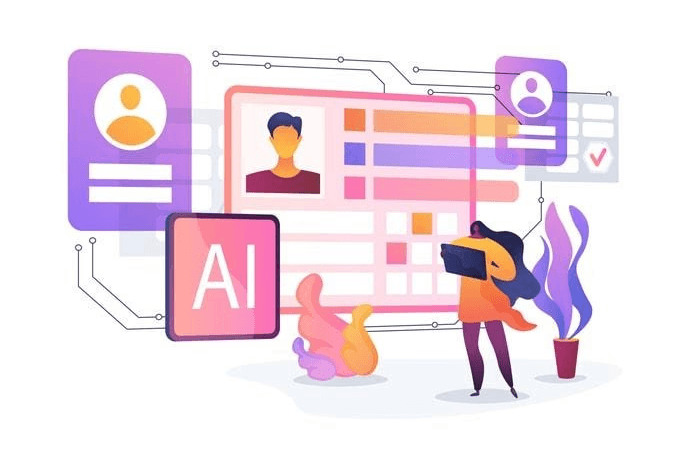
How Matching Works
Fonzi’s matching models map candidates’ skills and preferences to open roles:
Skills like model optimization, evaluation pipelines, and distributed training are matched to specific requirements
Signals such as GitHub activity, publications, past employers, and project impact are used to understand depth, not just keywords
Preferences around location, compensation, and company stage are respected
Bias Reduction Measures
Building fair AI systems requires intentional design:
Avoid simplistic keyword scoring that favors buzzwords over substance
Do not over-weight pedigree signals like schools, previous company brands, or demographic proxies
Encourage work sample evaluation so companies assess project outcomes, not just credentials
What Fonzi Does Not Do
Clarity about boundaries matters:
Does not auto-reject candidates solely based on an algorithmic score
Does not sell personal candidate data or use it for unrelated advertising
Does not send applications to companies without explicit candidate participation in Match Day
Data Protection and Candidate Experience
Data is encrypted in transit and at rest with clear retention policies
Candidates can update or delete profiles when they wish
Hiring teams see structured, relevant profiles instead of scraped, outdated resumes
High‑Signal Matches in a Single Event
Match Day is a recurring event, typically monthly or quarterly, where pre-vetted AI talent and vetted companies engage in a focused matching window. It is a concentrated burst of high-quality introductions rather than a slow drip of cold applications.
The Candidate Experience
Before Match Day:
Update your preferences, including role types, seniority level, geography, compensation bands, and company stage
Review and refine your profile with recent projects or publications
During Match Day:
Companies receive curated lists of candidates whose skills align with their open roles
You receive a smaller number of high-quality inbound messages from employers who already understand your skills and expectations
The Company Experience
Hiring managers and talent partners receive candidate profiles emphasizing real work:
Repositories, demos, and benchmarks
Concrete achievements, for example, “reduced inference latency by 35% on A100s”
Verified skills mapped to specific requirements
They can request introductions directly during the event, creating a burst of qualified outreach instead of a trickle of unqualified resumes
Why This Helps Candidates
Instead of applying blindly to 100 or more listings:
You receive focused, relevant introductions from companies that match your criteria
Multiple interview processes can start within days rather than weeks of cold outreach
You maintain control over which introductions to accept, protecting your time and energy
Logistics and Expectations
Typical timeline from Match Day introduction to first-round interview is 3 to 7 days depending on the company
You decide which conversations to pursue
Each Match Day cycle brings fresh opportunities from newly vetted companies
Preparing Your AI Job Application Materials
Even in a curated marketplace, strong application materials make the difference between “looks promising” and “must talk to this person.”
AI/ML Resume Guidance
Focus on measurable impact, including model quality improvements (BLEU, ROUGE, evaluation metrics), latency improvements and cost reductions, and shipped features or production systems
Use concrete technologies and dates, for example: “Deployed 70B-parameter LLM for code generation on NVIDIA H100 cluster in 2024, cutting completion latency from 800ms to 320ms”
Maintain variants: keep one main resume and one or two variants emphasizing research, product, or infrastructure focus, and tailor each based on the specific role type
Portfolio and Profile Tips
Link to GitHub, Hugging Face, or Papers With Code with curated highlights of the top three to five projects or papers
Add short project blurbs describing your role in training, evaluation, infrastructure, or application layer
Ensure your LinkedIn profile is current and consistent with your resume
Leveraging AI Helpers Effectively
For resume builders: use them to generate a first draft, then manually refine bullet points for accuracy and non-generic language, and remove any claims you cannot back up in an interview
For cover letter tools: use them to outline structure and add a custom paragraph for each company addressing mission fit, domain interest, or specific product ideas
Interviewing for AI, ML, and Infra Roles in a World of AI‑Powered Hiring
Technical interviews for AI roles in 2026 typically span coding, ML fundamentals, system design, and applied LLM or infrastructure questions. Preparation matters more than ever.
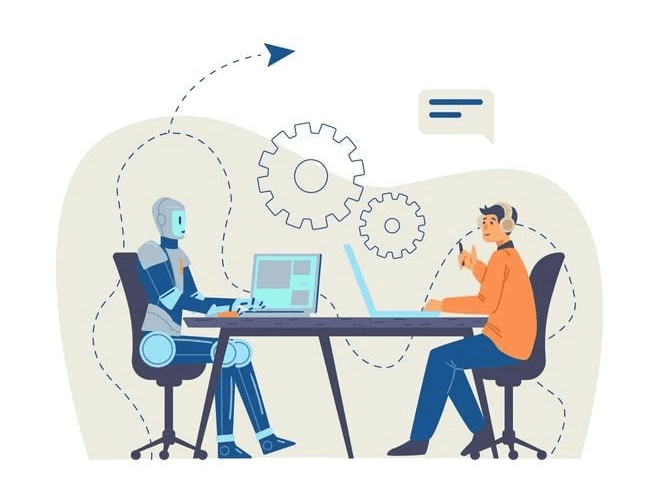
Using AI Interview Tools
Practice with AI-based simulators to rehearse coding, ML theory (bias-variance tradeoffs, regularization, optimizers), and recent LLM architecture trends
Record mock interviews and review your explanations for clarity
Focus on articulating complex systems like RAG pipelines or training loops in accessible terms
Common Interview Themes for AI Engineers
Practical LLM integration: context window management, token costs, prompt engineering, caching strategies
Evaluation frameworks: automated metrics, human feedback loops, and safety evaluations
Production edge cases: hallucinations, safety filters, rate limiting, incident response
Common Interview Themes for ML Researchers
Research depth: prior work, ablation studies, experimental design, and contributions to published papers
Product translation: how a new architecture or training recipe improved business metrics in real projects
Common Interview Themes for Infra Engineers
GPU cluster design: job scheduling, model sharding, rollout strategies
Cost-performance tradeoffs: moving from A100 to H100, inference optimizations, serving at scale
The Human Element
Human interviewers still make every final decision. AI tools help organize signal, but candidates who build rapport and communicate clearly have a significant advantage. Technical depth matters, but so does your ability to explain your work and collaborate with a team.
Using AI Without Losing Your Authentic Voice
Employers in 2026 are increasingly skilled at spotting fully AI-written applications that lack substance. Hiring managers read hundreds of applications and know what generic AI output looks like.
Potential Red Flags
Overly generic language that could describe any profession
Inconsistent tone between resume, LinkedIn, and live interviews
Inflated claims not backed by concrete examples or metrics
Buzzwords you cannot actually explain when asked
Staying Authentic
Use AI to draft and use your judgment to decide final wording
Edit for accuracy and add specific metrics or personal side projects
Maintain consistency so written materials sound like how you naturally speak
Interviewers notice when your resume claims expertise you cannot discuss fluently
Maintain Consistency
Your written materials should sound like how you naturally speak
Interviewers notice when your resume claims expertise you can’t discuss fluently
A Simple Workflow
Generate a draft with an AI tool
Add 2–3 personal anecdotes, project details, or metrics the AI could not know
Remove buzzwords you do not actually use or understand
Read it aloud to check if it sounds like you
Platforms like Fonzi value depth. Companies are more impressed by one well-explained LLM deployment than by a page of vague AI buzzwords.
Let AI Do the Busywork, Not the Job Search
AI tools can automate repetitive tasks like resume writing, cover letters, deadlines, and interview practice, saving time and reducing friction.
Candidates who succeed in competitive AI markets combine smart tool use with genuine preparation. They tailor resumes with concrete achievements, target companies where their skills add value, and use AI to assist, not replace, thoughtful job hunting.
Fonzi helps AI engineers, ML researchers, infra engineers, and LLM specialists connect with vetted companies. It uses AI to surface high-signal matches while reducing noise and bias, and compresses hiring timelines through Match Day while keeping humans in control.
To find your next role, apply to join Fonzi’s curated talent pool, update your portfolio with recent projects and demos, and get ready for the next Match Day. Companies building the future of AI are looking for people like you, so make sure they can find you.
FAQ
What are the best AI job application tools in 2026?
How do AI tools help you apply for jobs automatically?
Is using AI to apply for jobs effective or does it hurt your chances?
Are AI job application tools ethical and do employers know?
What’s the difference between AI resume builders and AI application tools?


