Group Interviews: What They Are, How They Work & Tips to Stand Out
By
Liz Fujiwara
•

Group interviews are becoming an increasingly common part of modern hiring, particularly as employers prioritize collaboration, communication, and team-based problem solving. Unlike traditional interviews that assess candidates individually, group interviews allow hiring teams to evaluate how applicants interact with others, handle shared challenges, and communicate ideas in real time.
As workplaces become more cross-functional and collaborative, this format provides deeper insight into how candidates may perform in real working environments. Understanding the structure, purpose, and evaluation criteria of group interviews can help candidates approach them with confidence and position themselves as strong contributors in a team setting.
Key Takeaways
Group interviews assess teamwork, communication, and leadership in real time, with technical roles increasingly using this format to evaluate collaboration alongside technical expertise.
Success requires balancing individual contribution with group dynamics, demonstrating technical knowledge, emotional intelligence, and professional composure under shared pressure.
Preparation should focus on company culture, collaborative problem-solving practice, and clear examples of past teamwork, with platforms like Fonzi adding structure and fairness through data-driven evaluation.
What Are Group Interviews?
A group interview is a structured hiring method where multiple candidates are evaluated simultaneously by one or more interviewers in a single session. Unlike traditional one-on-one interviews that focus on individual performance, this type of interview is designed to observe how job candidates interact with each other, communicate under pressure, and demonstrate problem-solving skills in a team setting.
In the tech industry, group interviews have gained traction as companies recognize the importance of collaborative skills in modern software development and AI engineering roles. Many organizations now use group interviews for entry-level and mid-level technical positions, with especially strong adoption among companies building AI and machine learning teams.
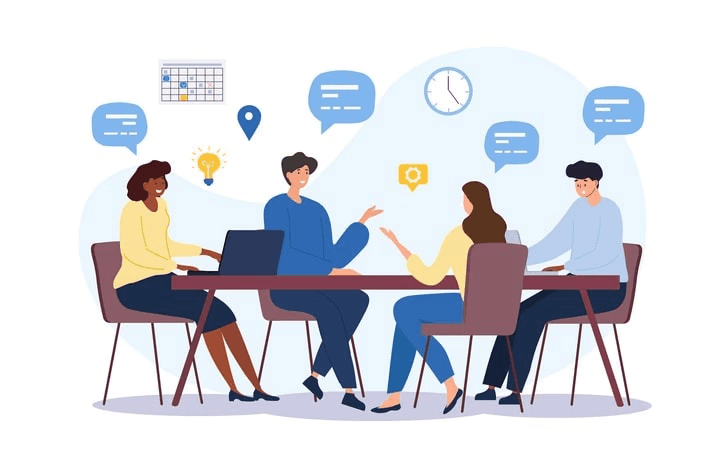
The format differs significantly from panel interviews, where one candidate faces multiple interviewers, or traditional job interviews where the hiring manager asks questions to individual applicants. In a group job interview, several candidates participate simultaneously, creating a dynamic environment where the interview panel can observe authentic interpersonal behaviors that are difficult to assess in conventional interview formats.
For AI engineers and technical professionals, group interviews offer a unique opportunity to showcase skills that extend beyond coding ability. Companies including large technology firms and fast-growing startups increasingly use this approach to identify candidates who can thrive in cross-functional teams, communicate complex technical concepts clearly, and contribute to collaborative innovation in artificial intelligence and machine learning projects.
The growing popularity of group interviews in 2026 reflects the evolution of modern work environments, where remote collaboration, distributed teams, and interdisciplinary AI projects require professionals who excel in both technical competency and team dynamics. This shift has made the group interview format an important component of the selection process for companies focused on building high-performing technical teams.
How Group Interviews Work
The typical group interview session follows a structured format designed to maximize insight into candidate behavior while supporting fair evaluation. Most sessions last between 60–90 minutes and are led by a combination of hiring managers, team leads, and HR representatives who observe and assess multiple candidates simultaneously.
The interview begins with an introduction phase lasting approximately 10 minutes, where each candidate briefly presents their background and experience. This initial segment allows other candidates and the interview panel to understand the range of perspectives represented in the group while helping participants settle into the setting.
The core segment involves 40–60 minutes of collaborative activities designed to simulate real workplace scenarios. During this phase, interviewers may ask participants to engage in group discussions, solve problems together, or work through case studies relevant to the role. For AI engineering positions, this can include collaborative debugging of machine learning pipelines, system architecture discussions, or ethical AI scenario analysis.
Interviewers take detailed notes on how candidates interact with others, their communication style, and their ability to contribute meaningfully to group problem solving. The evaluation process focuses on observing authentic behaviors that emerge when candidates balance individual expertise with team collaboration. Unlike traditional interviews where responses can be carefully rehearsed, the group format reveals how candidates naturally approach conflict resolution, active listening, and leadership opportunities.
The session concludes with a 15–20 minute Q&A period where candidates can ask questions about company culture, team structure, or technical challenges. This final phase allows the interview panel to assess curiosity, engagement, and genuine interest in the role while giving candidates valuable insight into whether the organization aligns with their career goals.
Throughout the process, multiple interviewers observe different aspects of candidate performance. One may focus on communication skills, another on collaboration and team dynamics, while the HR representative evaluates cultural fit and professional maturity. This multi-perspective approach supports a more comprehensive and objective assessment than relying on a single interviewer’s judgment.
Types of Group Interviews in Tech
Technical problem-solving group interviews are one of the most common formats in AI and software engineering hiring. These sessions typically involve candidates working collaboratively on algorithm challenges, system design problems, or debugging scenarios that mirror real-world engineering tasks. Candidates may be asked to architect a recommendation system, optimize a machine learning model for production, or address distributed computing challenges while interviewers observe their technical communication and collaborative approach.
Product development scenarios offer another common format, particularly for roles involving cross-functional collaboration. In these sessions, multiple positions may be evaluated across engineering, product management, and data science teams. Candidates collaborate on feature design discussions, user experience improvements, or technical feasibility assessments, revealing how effectively they bridge technical and business perspectives while working with diverse personalities and skill sets.
Cultural fit assessments through group discussions have also become more refined in technical organizations. Rather than generic team-building exercises, these sessions focus on values-based scenarios relevant to AI and technology development. Participants may discuss approaches to managing technical debt, maintaining work-life balance in fast-paced environments, or mentoring junior engineers.
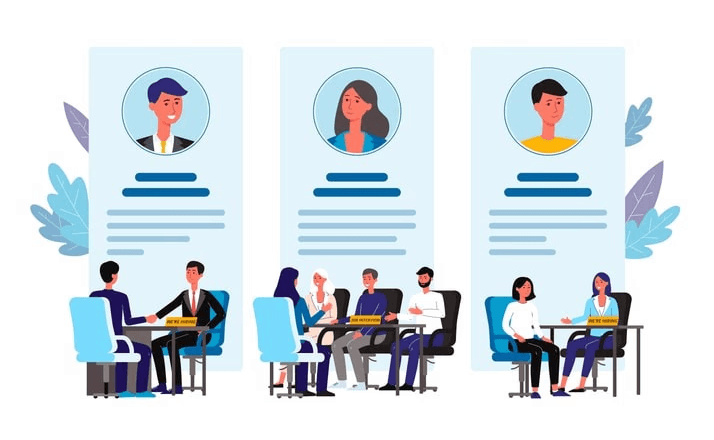
Case study analysis represents a growing trend, particularly for AI ethics scenarios, data privacy challenges, and machine learning bias discussions. These sessions allow candidates to demonstrate not only technical knowledge but also critical thinking around responsible AI development. The group dynamic reveals how candidates approach complex ethical considerations while building consensus with peers who may hold different perspectives.
Hackathon-style sessions have emerged as an innovative approach for companies hiring multiple candidates for technical roles. These intensive 2–3 hour sessions involve short coding sprints where teams build prototypes, solve technical challenges, or implement specific features. This format provides strong insight into real-world collaboration, problem-solving ability, and how candidates handle time pressure while maintaining code quality and team communication.
The choice of format often depends on the specific competencies the organization wants to evaluate and the nature of the roles being filled. Companies building AI teams may emphasize technical collaboration and ethical reasoning, while those focused on customer-facing products may prioritize user empathy and cross-functional communication skills.
Benefits and Challenges of Group Interviews
Group interviews offer clear advantages for both employers and candidates in the modern hiring landscape. For companies, this format enables efficient evaluation by allowing hiring teams to assess multiple applicants simultaneously rather than scheduling separate one-on-one interviews. This efficiency is especially valuable for organizations with high-volume hiring needs or when filling multiple roles on the same team.
The format also excels at simulating real team dynamics, giving employers insight into how candidates naturally collaborate, communicate, and solve problems together. Unlike traditional interviews where responses can be carefully prepared, group settings reveal interpersonal skills, leadership tendencies, and the ability to work effectively with different personalities and communication styles.
For technical roles, group interviews can provide a more consistent comparison framework, with candidates working through the same challenges under similar conditions. This structure supports fairer evaluation and helps ensure hiring decisions are based on observed behaviors rather than impressions formed in isolated conversations.
However, group interviews also present notable challenges that both employers and job candidates must navigate carefully. The competitive atmosphere can create stress that may not reflect a candidate’s true capabilities, particularly for quieter individuals who prefer more reflective communication styles. Some participants may struggle with reduced individual speaking time, making it harder to fully demonstrate their expertise and insights.
Group dynamics can also favor more dominant personalities, potentially overshadowing equally qualified but less assertive candidates. This is especially relevant in technical fields, where strong engineers may excel at problem solving but feel less comfortable in highly social evaluation settings. Hiring managers must be attentive to these dynamics and ensure all participants have meaningful opportunities to contribute.
For candidates, the format requires balancing individual expertise with collaborative teamwork. Standing out while remaining respectful of others creates a complex social challenge, and the unpredictable nature of group interactions gives candidates less control over the interview flow than structured one-on-one sessions.
Additional considerations apply to technical roles where deep expertise assessment is critical. While group interviews are effective for evaluating communication and collaboration skills, they may offer limited insight into specific technical competencies that require focused individual evaluation. As a result, the most effective hiring processes use group interviews as one part of a broader assessment strategy rather than the sole decision-making tool.
How to Prepare for Technical Group Interviews
Successful preparation for technical group interviews requires a multi-faceted approach that balances technical competence with collaborative effectiveness. Start by researching the company’s engineering culture, recent technology stack decisions, and team structure through LinkedIn profiles, engineering blogs, and public technical documentation. Understanding how teams work and what the organization values will help you contribute naturally to group discussions while demonstrating genuine cultural fit.
Technical preparation should emphasize your ability to explain complex AI and machine learning concepts in clear, accessible terms. Practice walking through your thinking on algorithm design, system architecture choices, and trade-offs in model selection. Interviewers are not only evaluating what you know, but how effectively you communicate that knowledge to teammates with different technical backgrounds.
Prepare concrete examples using the STAR method (Situation, Task, Action, Result) that highlight teamwork, conflict resolution, and technical leadership. Focus on scenarios where you navigated differing opinions, aligned stakeholders around a technical decision, or handled prioritization challenges under time pressure. These stories are especially useful during group discussions built around hypothetical workplace situations.
Finally, review core algorithms, common system design patterns, and current AI trends such as large language models, computer vision use cases, and MLOps practices. While group interviews rarely involve deep technical grilling, informed contributions to technical conversations signal credibility, curiosity, and readiness to participate in real-world team decisions.
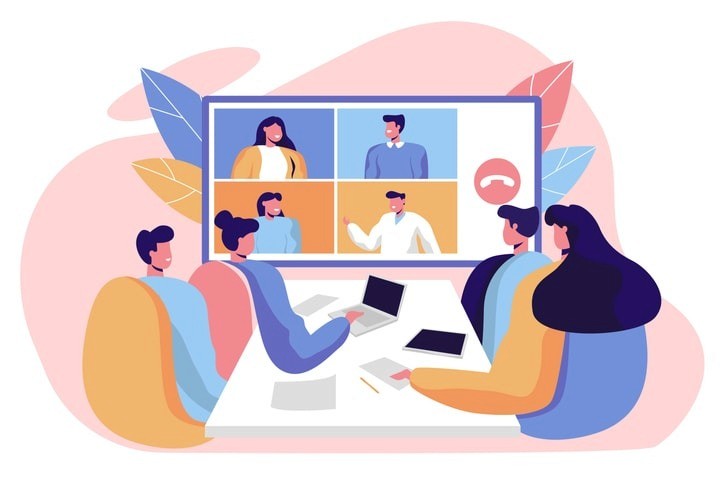
Practice group interview scenarios through platforms like Pramp or Interviewing.io, or by organizing mock sessions with fellow engineers. Focus on balancing participation with substance so you contribute meaningfully without dominating the conversation. Practice asking thoughtful follow-up questions, building on others’ ideas, and handling disagreements diplomatically during technical discussions.
Prepare for common group interview scenarios that test both technical collaboration and interpersonal skills. Think through how you would explain machine learning bias to non-technical stakeholders, debug a production issue with a cross-functional team, or lead a technical decision when teammates disagree on implementation approaches.
Develop a concise 30–45 second elevator pitch that highlights your technical background, collaborative experience, and genuine interest in the role. This helps you make a strong first impression while leaving space for others to introduce themselves.
Finally, practice active listening and inclusive communication. Use language like “What if we considered…” or “Building on that idea…” to show collaboration and respect for group dynamics. These skills often matter as much as technical expertise in group evaluations.
Proven Tips to Stand Out in Group Interviews
Strategic engagement is the foundation of success in group interviews. Prioritize meaningful contributions over frequent comments, since one well-reasoned insight often leaves a stronger impression than several surface-level remarks. Ask questions that show you are listening closely and synthesizing others’ input.
Technical leadership often emerges naturally during group problem-solving. Look for opportunities to suggest structure, clarify complex concepts, or guide the group toward consensus when opinions diverge. This demonstrates leadership potential without coming across as controlling.
Collaborative communication depends on inclusive language and awareness of group dynamics. Frame suggestions as shared exploration rather than directives, and acknowledge others’ ideas before adding your own. Maintain engagement with the entire group, not just the interviewers, to signal respect, teamwork, and professional maturity.
Professional composure under pressure distinguishes strong candidates in complex group dynamics. Stay calm when technical discussions become heated, address disagreements diplomatically by focusing on ideas rather than personalities, and demonstrate active listening through note-taking and thoughtful responses. If another candidate interrupts or dominates the conversation, respond professionally while subtly redirecting attention back to collaborative problem-solving.
Develop a clear value proposition by sharing specific technical experiences, relevant open-source contributions, or innovative solutions you’ve implemented in previous roles. Frame these examples in terms of team impact and collaborative outcomes rather than individual achievement, which demonstrates expertise while reinforcing your commitment to shared success.
Technical Communication Strategies
Master whiteboarding for group technical discussions by drawing clear diagrams, explaining your thinking aloud, and inviting others to contribute. When working through system design problems, narrate your reasoning, such as explaining scalability considerations while sketching load-balancing approaches. This transparency helps others follow your logic and encourages collaboration.
Practice code review-style communication, as many group interviews include collaborative debugging or architecture discussions. Offer constructive, actionable feedback using balanced language like, “This approach works well, and we could also consider edge case handling here.” This shows technical judgment while respecting different problem-solving styles.
Adopt a documentation mindset during group exercises by summarizing decisions, noting alternatives considered, and proposing next steps. This signals organizational thinking and an appreciation for processes that extend beyond the immediate exercise.
Managing Group Dynamics
Handle dominant personalities through diplomatic redirection. Acknowledge their input while inviting others in, for example, “That’s a strong approach. I’d be interested to hear how others see the trade-offs.” This keeps the discussion inclusive without direct confrontation.
Balance depth with momentum by suggesting time management techniques. Proposing timeboxes such as, “Let’s spend 10 minutes comparing approaches, then converge on one,” demonstrates project management awareness and keeps the group focused.
Approach technical disagreements by finding common ground and steering toward objective criteria. When opinions differ, guide the group to data-driven evaluation, such as comparing performance requirements, complexity, or delivery timelines, to reach a reasoned consensus.
Common Group Interview Questions for AI Engineers
Technical collaboration questions focus on your ability to work effectively with cross-functional teams while solving complex AI problems. You might encounter scenarios like “How would you explain machine learning model bias to a non-technical stakeholder?” or “Walk us through debugging a failing ML pipeline as a team.” These questions assess not only your technical knowledge, but also your ability to communicate complex concepts clearly and involve others in the problem-solving process.
Leadership scenario questions explore how you would handle challenging team dynamics in technical environments. Common examples include “How would you handle a teammate who consistently writes poorly documented code?” or “Describe how you would lead a cross-functional AI project involving engineering, product, and data science teams.” Your responses should demonstrate emotional intelligence, conflict resolution skills, and the ability to influence others without relying on formal authority.
Problem-solving exercises in group settings often involve collaborative system design challenges, such as architecting recommendation engines for large-scale applications, debugging neural network architectures that aren’t converging, or designing A/B testing frameworks for AI features. These exercises test your ability to think systematically while incorporating input from other candidates with different technical backgrounds and perspectives.
Ethical discussion scenarios have become increasingly important for AI engineering roles. You might engage in group conversations about AI fairness implementation challenges, data privacy considerations in machine learning systems, or responsible AI development practices. These discussions reveal how you balance technical feasibility with ethical considerations while building consensus with team members who may prioritize different aspects of responsible AI development.
Innovation-focused questions encourage creative collaboration and forward-thinking technical discussions. Examples include “What emerging AI technology excites you most, and how would you work with a team to implement it here?” or “How would you approach A/B testing new AI features while ensuring statistical validity and user safety?” These questions assess your ability to balance innovation with practical implementation concerns while involving others in strategic technical decisions.
Specific group interview questions for AI roles often include real-world scenarios that require collaborative technical judgment. You might be asked to work with other candidates to design error handling for autonomous systems, discuss trade-offs between model accuracy and computational efficiency, or plan the rollout strategy for a new machine learning feature that affects user experience.
Hiring managers ask these questions not just to assess individual technical competency, but to observe how you interact with fellow candidates during complex technical discussions. Success requires demonstrating both deep AI expertise and the collaborative leadership qualities necessary for modern technical teams working on cutting-edge artificial intelligence applications.
How Technology Is Transforming Group Interviews
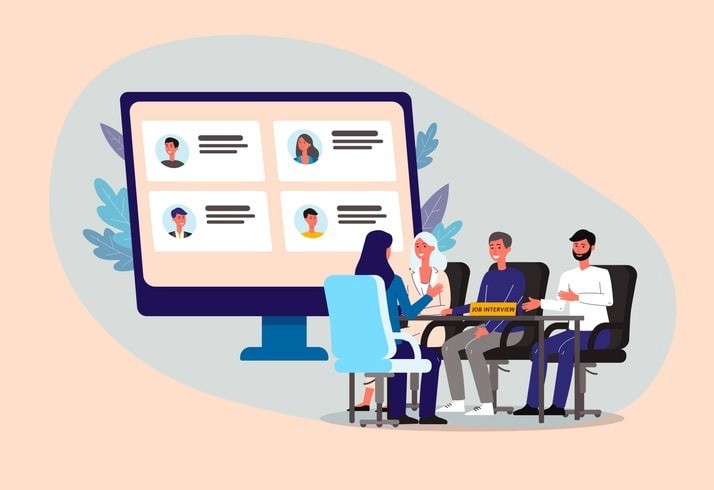
AI-powered assessment tools are increasingly shaping how companies evaluate candidates during group interviews by providing structured insights into communication patterns, collaboration behaviors, and problem-solving approaches. These platforms can highlight who initiates ideas, who builds on others’ contributions, who demonstrates active listening, and who helps facilitate group consensus. This added structure helps hiring teams make more consistent decisions based on observable behaviors rather than purely subjective impressions.
Virtual reality group interviews represent an emerging approach, particularly for AR/VR and spatial computing roles where 3D collaboration and spatial reasoning are relevant. Candidates may work together in immersive environments to solve design challenges, debug virtual systems, or collaborate on user experience improvements. This format offers additional insight into how technical professionals collaborate in complex digital environments.
Fonzi’s approach illustrates how artificial intelligence can bring structure and transparency to the hiring process rather than adding complexity. By using standardized, skill-based evaluation frameworks and consistent scoring criteria, Fonzi helps employers assess candidates more clearly while giving candidates better visibility into how they are being evaluated.
Rather than analyzing live group dynamics or interpersonal behavior directly, Fonzi focuses on data-driven candidate matching grounded in demonstrated skills, role requirements, and structured assessments. This allows hiring teams to move beyond intuition alone and make decisions based on measurable alignment between candidates and roles.
Fonzi supports fairer evaluation by emphasizing structured interviews, consistent rubrics, and objective signals collected across the hiring process. These mechanisms help reduce noise and bias while ensuring that candidates are compared on the same criteria, particularly in technical and AI-focused roles.
The platform also enables clearer interview design by aligning screening steps, interview stages, and evaluation criteria with specific role requirements. This structured approach helps hiring teams ask more relevant questions and evaluate candidates consistently, even across different interview formats.
By prioritizing clarity, structure, and skills-based signals, Fonzi helps both employers and candidates navigate the hiring process with greater confidence. For AI and technical roles especially, this focus supports better hiring decisions without relying on opaque or speculative behavioral analytics.
Conclusion
Group interviews have become a key way companies evaluate collaboration and communication alongside technical skill, especially for AI and technical roles. Success depends on authentic teamwork, clear communication, and demonstrating leadership through meaningful contributions rather than dominance. With structured, skills-based platforms like Fonzi making evaluations more consistent and transparent, candidates who prepare for both the technical and interpersonal aspects of group interviews are best positioned to stand out in today’s competitive hiring landscape.
FAQ
How long do group interviews typically last for technical positions?
Should I prepare differently for remote vs. in-person group interviews?
What should I do if another candidate copies my technical approach during the interview?
How can introverted engineers succeed in group interview settings?
Do companies really use AI to evaluate group interview performance?