How to Manage Stress at Work: Strategies for Resilience and Focus
By
Ethan Fahey
•
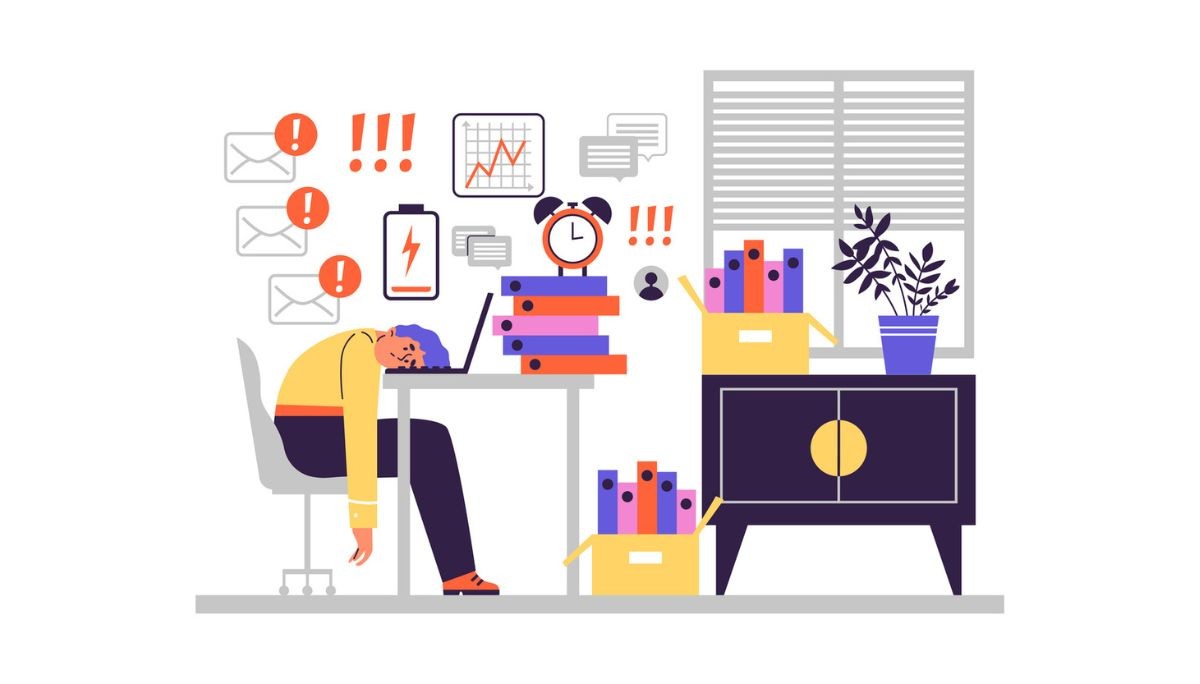
It’s late at night, and you’re juggling three tabs at once: a production dashboard flagging model drift, a LeetCode session you meant to get to, and a recruiter asking for a “quick chat” first thing in the morning, while your on-call shift is just hours away. For AI engineers, ML researchers, and infra leaders today, this kind of pressure isn’t an edge case; it’s routine. And over time, it adds up.
There’s a real difference between healthy pressure and chronic stress. Tight, well-defined sprints can sharpen focus, but constant on-call rotations, fuzzy expectations from product or research, and lingering job insecurity slowly drain performance and creativity. This guide looks at both sides of the problem: how to manage day-to-day stress and how to reduce the added burden that comes from job searching in a fast-moving, AI-driven market. We’ll also touch on how Fonzi AI fits in, by offering a more transparent, time-respectful hiring process that connects experienced AI engineers with serious companies, helping candidates explore new roles without adding more chaos to an already full plate.
Key Takeaways
Recognize your triggers early. Unrealistic sprint scope, constant context switching, and ambiguous requirements are common sources of stress for technical teams—and ignoring them leads to burnout.
Build small daily habits. Time-blocking deep work, taking micro-breaks, and setting communication boundaries make a bigger difference than drastic lifestyle changes.
Invest in recovery outside work. Consistent sleep, light exercise, and hobbies unrelated to coding restore your capacity to handle pressure without depleting it.
Choose hiring processes that reduce uncertainty. Responsible AI in hiring can actually lower stress by providing transparency, faster timelines, and clearer expectations. Fonzi AI’s Match Day model is designed around this principle.
Prepare for interviews without burning out. A structured 2–4 week prep plan with rest days built in prevents exhaustion and leads to better performance.
Understanding Work Stress: Triggers, Signs, and Risks
Recognizing specific triggers and symptoms is the first step to preventing burnout and long-term health conditions. You can’t manage what you don’t notice, and many engineers push through warning signs until they’re forced to stop.
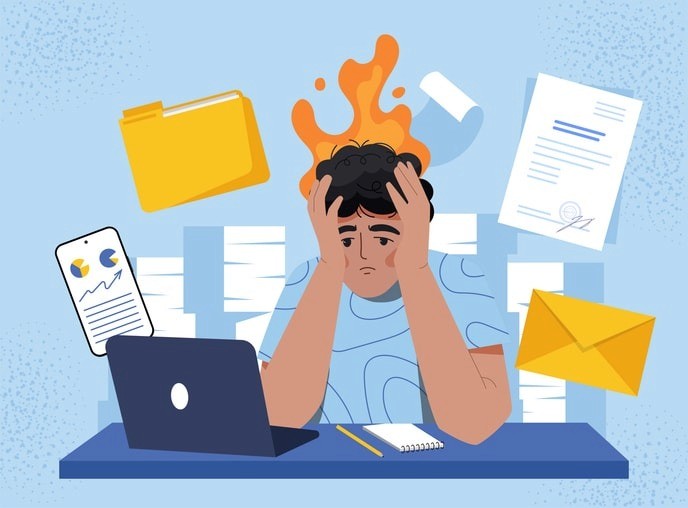
Common Stress Triggers for Engineers
Unrealistic sprint scope: The “just add this one feature” requests that pile up mid-sprint
Frequent context switching: Jumping between debugging, code reviews, meetings, and incident response without recovery time
Constant Slack pings: The always-on communication culture that fragments attention
Ambiguous product requirements: Building without clear specs, then rebuilding when priorities shift
On-call fatigue: Middle-of-the-night pages that disrupt sleep and create anticipatory anxiety even on quiet nights
Mental Signs of Chronic Stress
Irritability in code reviews that you’d normally handle calmly
Feeling detached from work that used to engage you
Trouble focusing during deep work sessions, such as reading the same function three times without absorbing it
Dreading stand-ups or one-on-ones that used to feel routine
Negative thoughts spiraling about your performance or job security
Physical Signs to Watch
Persistent headaches after long debugging sessions
Eye strain and tension headaches from late-night screen time
Tight shoulders and neck, especially after stressful meetings
Racing heart during presentations or critical incidents
Sleep disturbances before big releases or performance reviews
If these signs persist for weeks, they can lead to serious risks: higher likelihood of anxiety and depression, elevated blood pressure, heart disease risk factors, and full burnout that can derail a tech career for months or years.
Common Sources of Stress at Work for Technical Teams
Some sources of stress are organizational and baked into culture and processes. Others are personal, such as habits, expectations, and coping patterns you bring to the job. Understanding both helps you figure out what you can control.
Workload and Scope Creep
Heavy workload is the most obvious stressor. But it’s often not the raw volume of work that breaks people; it’s the unpredictability. Constant “small changes” added to sprints, unplanned incidents, and unrealistic deadlines for model deployment create a feeling of never being finished. Research from the American Psychological Association shows that about 50% of employees find a lack of paid time off or sick leave negatively impacts workplace stress, suggesting that recovery time matters as much as workload design.
Role Ambiguity
In fast-moving AI teams, ownership between backend, infrastructure, and ML engineers often blurs. Conflicting priorities between product managers and research leads create friction. When you don’t know who’s responsible for what, or when your work will be judged by standards that were never communicated, stress compounds.
Interpersonal Stressors
Harsh code reviews delivered without psychological safety. Retros where honest feedback feels risky. A difficult manager relationship where you can’t predict reactions. These interpersonal dynamics affect how safe the workplace feels, and safety directly affects how you experience pressure.
Environment Stressors
Open offices with constant noise. Back-to-back Zoom calls for remote teams that leave no transition time. Always-on communication tools that blur the line between work hours and personal life. The physical and digital environment shapes your baseline stress level before any actual work begins.
Career Uncertainty
News of layoffs, hiring freezes, and AI automation fears intensify stress around performance and visibility. When you’re not sure if your role is secure, every sprint review feels like an evaluation. This chronic uncertainty is a distinct stressor that affects employees differently than acute project pressure.
Practical Day-to-Day Strategies to Manage Stress at Work
The most effective stress management isn’t about overhauling your life; it’s about small, consistent habits that compound over time. These strategies are designed for busy engineers with full calendars, not people with unlimited time for self-care retreats.
Plan Your Day with Intention
Time-block 90–120 minutes of deep work for your hardest tasks (model training, architecture design, complex debugging) when your energy is highest
Batch shallow work like emails, ticket updates, and quick Slack responses into 2–3 dedicated windows
Start each day with a simple to-do list that identifies 1–3 must-complete items versus nice-to-haves
Set Boundaries That Stick
Block your calendar for lunch and actually take it
Mute non-critical Slack channels during focus time
Define “no meeting” hours if your team culture allows it
Set response time expectations with colleagues rather than defaulting to immediate replies
Take Micro-Breaks
Research shows that 10–15 minute breaks taken earlier in the workday provide greater recovery benefits than breaks taken later. You don’t need long stretches; you need consistent, small ones.
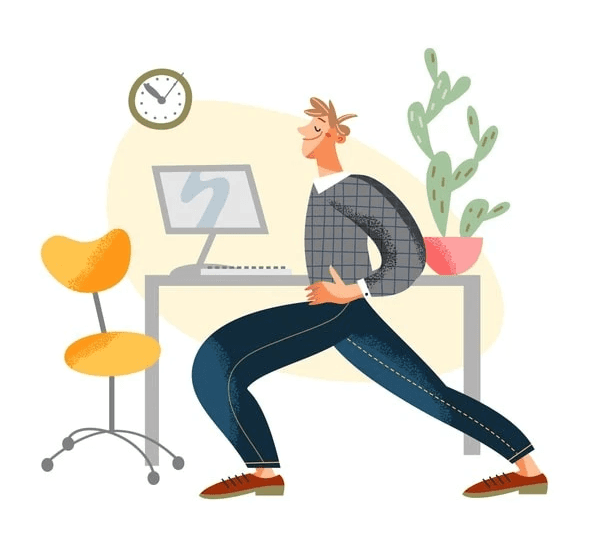
Stand and stretch for 3–5 minutes between calls
Take a short walk after intense coding sessions
Use box breathing when you notice tension building: inhale for 4 counts, hold for 4, exhale for 4, hold empty for 4, repeat 4–8 cycles
Prioritize Ruthlessly
When everything feels urgent, use a simple filter:
Category | Action |
Must-do today | Protect time for these first |
Can slip to tomorrow | Move off today’s plate without guilt |
Can delegate | Hand off to coworkers who have bandwidth |
Can drop entirely | Delete from your list |
Communicate Proactively
Tell your manager when trade-offs are needed before deadlines slip
Ask for clarification on priorities when you receive conflicting requests
Reset deadlines when scope expands, and don’t silently absorb the extra work
Good stress management isn’t about working harder. It’s about working in ways that don’t deplete your capacity to deal with the demands of the job.
Building Resilience: Mindset, Habits, and Life Outside Work
Resilience is your ability to recover from stressful sprints, failed experiments, and production fires without burning out. It’s not about toughness; it’s about restoration.
Mental Strategies
Reframe setbacks as data: A failed model experiment isn’t a personal failure; it’s information that narrows the solution space
Avoid perfectionism in every PR: Not every code change needs to be your best work. Some changes just need to be good enough
Accept what you can’t control: Company policies, economic conditions, and other people’s behavior are outside your influence. Acceptance redirects energy toward what you can affect
Physical Foundations
Your capacity to handle workplace stress directly relates to your overall well-being. The research is clear on what matters most:
Sleep: Prioritize 7–9 hours nightly. Sleep deprivation amplifies stress perception and impairs the cognitive ability you need for complex technical work
Exercise: Aim for 30 minutes of moderate activity most days. Even light movement like walking reduces stress hormones and releases endorphins
Nutrition: Balanced meals beat relying on caffeine and sugar, which create energy crashes that make stress harder to manage
Relationships and Personal Life
Spending time with family, friends, and non-work communities provides a perspective that work alone can’t offer. Social support directly buffers the impact of work stress. You are more than your job or your GitHub profile; maintaining relationships outside work reminds you of that.
End-of-Day Rituals
Close all work tabs and Slack at a set time
Write a short to-do list for tomorrow so you don’t carry tasks in your head
Physically move away from your workspace, especially important for remote workers whose office is also their home
Hobbies Unrelated to Code
Tai chi, cooking, music, sports, art, and gardening: activities that have nothing to do with engineering recharge attention and creativity. They create mental separation from work that prevents rumination and makes problems worse through overthinking.
When Work Stress Meets Job Search: Modern Hiring and AI Tools
Job searching while already stressed at work can compound anxiety in ways that affect your whole life. In recent years, the process has become more complex as AI tools increasingly screen resumes and evaluate coding ability.
Common Stress Points in Modern Hiring
Ghosting: Applying to dozens of roles and hearing nothing back
Unclear salary bands: Spending hours on interviews only to discover the compensation doesn’t match your expectations
Long processes: 7+ interview rounds spread over months with uncertain timelines
Opaque feedback: Rejection without explanation, leaving you to guess what went wrong
AI in Hiring: The Current Reality
Many companies now use AI for resume triage, coding test analysis, and even video interview screening. When implemented poorly, these tools feel opaque and dehumanizing. Candidates submit applications to black boxes with no visibility into how decisions are made.
But responsible AI in hiring should do the opposite. It should increase fairness by applying consistent criteria, reduce bias through audited evaluation systems, and speed up decisions by eliminating inefficient manual processes. The effects of stress from job searching decrease when the process is predictable and transparent.
This is where Fonzi AI takes a different approach, using automation and AI for clarity, coordination, and bias-audited evaluation rather than arbitrary filtering that makes an already difficult situation worse.
How Fonzi AI Reduces Stress for AI and Engineering Candidates
Fonzi AI is a curated talent marketplace built specifically for AI, ML, data, and software engineers who want a higher-signal, lower-stress way to find a new job. The design philosophy centers on reducing the uncertainty that makes job searching so draining.
Curated Marketplace Model
Fonzi pre-vets both candidates and companies. This means you only meet startups and tech firms that are actively hiring and serious about filling roles. No spray-and-pray applications. No wondering if a company is even responsive.
Salary Transparency Upfront
Companies commit to salary ranges before they meet candidates. This eliminates the awkward negotiation dance and prevents surprise lowball offers after you’ve invested hours in interviews. When you know the numbers early, you can focus on fit rather than worrying about compensation.
Bias-Audited Evaluation
Fonzi uses structured scorecards, consistent rubrics, and monitoring to keep assessments focused on skills and experience, not noise. This comprehensive approach to evaluation reduces the risk that arbitrary factors will override your actual qualifications.
Concierge Recruiter Support
Real humans help you position your experience, refine your profile, and schedule interviews. This support reduces coordination headaches and provides guidance that generic job boards can’t offer. Think of it as having a dedicated advocate in your corner.
Free for Candidates
For engineers, Fonzi is completely free. The business model relies on an 18% success fee from employers when a hire is made. This aligns incentives: Fonzi succeeds when you succeed, not when you submit more applications.
Inside Match Day: A High-Signal, Low-Stress Way to Get Offers Fast
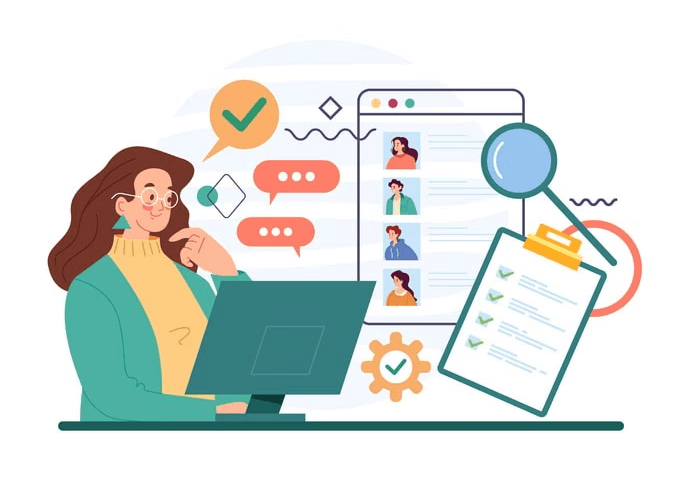
Match Day is a structured hiring event where vetted companies and vetted engineers meet in a compressed 48-hour window. It’s designed to eliminate the endless uncertainty of traditional job searches.
Pre-Match Day Phase
Candidates submit profiles and go through Fonzi’s vetting process. You indicate preferences, such as remote versus onsite, AI research versus infrastructure, target compensation, and company stage. This ensures you’re only matched with relevant opportunities.
Match Day Itself
Over a defined 2-day period, companies review curated profiles and send interview requests. Conversations are focused and efficient. Because both sides are pre-vetted and committed, the signal-to-noise ratio is dramatically higher than cold applications.
The Outcome Window
Most offers or clear next steps arrive within approximately 48 hours of the event. Compare this to traditional hiring, where you might wait weeks between rounds with no updates. The compressed timeline creates clarity and lets you move forward with your life.
Why This Reduces Stress
Fewer random applications means less rejection anxiety
No endlessly open loops wondering if you’ll hear back
Clear timelines for decisions let you plan around the process
Human support throughout keeps you from feeling like a number in a system
Comparing Traditional Job Search Stress vs. Fonzi’s Match Day Model
A side-by-side comparison makes it easier to see how process design directly affects candidate stress. The table below highlights key differences between conventional tech hiring and Fonzi’s Match Day approach.
Factor | Traditional Tech Hiring | Fonzi AI Match Day |
Number of applications | Dozens to hundreds, mostly cold | Curated matches with pre-vetted companies |
Salary clarity | Often unclear until late rounds | Upfront commitment from employers |
Timeline to decision | Weeks to months, unpredictable | ~48 hours from Match Day to offers |
Feedback quality | Minimal or none after rejection | Structured evaluation with clear rubrics |
Human support | Typically none | Concierge recruiter throughout process |
AI usage | Often opaque, screening-focused | Transparent, used for scheduling, fraud checks, and consistency |
Candidate cost | Free but high time investment | Free, with dramatically lower time investment |
Control over process | Very little | Preferences set upfront, high visibility |
The difference isn’t just efficiency; it’s how each process affects your mental health and well-being during an already stressful transition. Asking candidates how they handle difficult situations during an interview can help screen for this.
Preparing for Interviews Without Burning Out
Interview prep for technical roles, including system design, ML fundamentals, LeetCode-style problems, and portfolio work, can easily become overwhelming. The key is structured preparation that includes recovery time.
Create a 2–4 Week Prep Plan
Break preparation into themed weeks:
Week 1: Data structures and algorithms fundamentals
Week 2: ML concepts, model evaluation, and common interview questions for your specialty
Week 3: System design, focusing on distributed systems relevant to AI/ML infrastructure
Week 4: Company-specific research and behavioral prep
Focus on High-Yield Resources
Avoid endlessly collecting new study materials. Pick 1–2 resources per area and work through them thoroughly. Cognitive overload from too many inputs creates its own stress.
Practice Under Realistic Conditions
Timed coding problems that simulate interview pressure
Mock interviews with peers or mentors
Whiteboard or collaborative editor sessions that mirror actual formats
Prepare Your Stories
Have 3–5 detailed stories about past projects ready. Structure them clearly:
Situation: Context of the project and your role
Task: What you needed to accomplish
Action: Specific technical decisions and work you did
Result: Quantifiable impact (latency improvements, accuracy gains, cost savings)
Schedule Rest Days
If you’re balancing prep with a full-time job, build in recovery. Pre-interview exhaustion leads to worse performance. Your brain needs time to consolidate learning.
Fonzi’s team can help candidates prioritize prep based on the actual roles and interview formats companies are using on upcoming Match Days, another way the process reduces guesswork and lets you stay focused on what matters.
Healthy Boundaries, Time Management, and Saying No
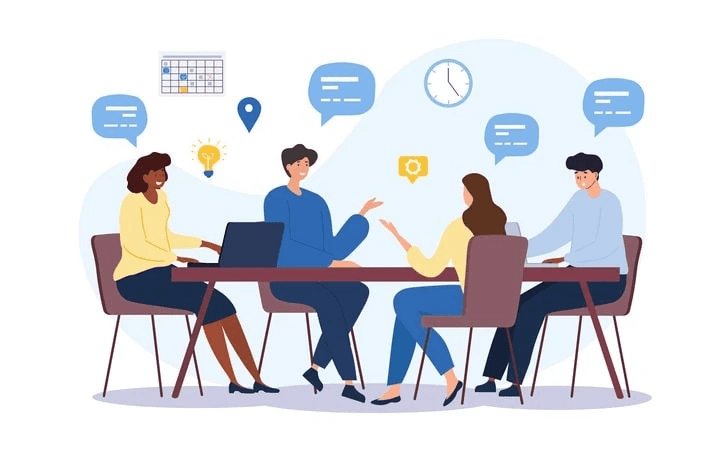
Many high-performing engineers struggle most with boundaries, not with raw technical ability. The skills that make you valuable, responsiveness, ownership, and going the extra mile, can also lead to overcommitment that makes problems worse.
Assess Your True Workload
List out everything on your plate:
Active projects and their deadlines
On-call expectations and incident response duties
Side initiatives you’ve volunteered for
Interview prep and job search activities
Family and personal commitments
Seeing the full picture often reveals why you feel stretched thin. Awareness is the first step to making changes.
Language for Saying No
Saying no doesn’t have to be confrontational. Try phrases like:
“I can take this on, but I’ll need to move X to the next sprint. Does that work?”
“I don’t have the capacity for this right now. Can we revisit next quarter?”
“To do this well, I’d need to drop Y. Which is the priority?”
Set Communication Rules
Define when you will and won’t respond to messages outside core hours
Align with your team on expected response times for different channels
Use status indicators and away messages to create clear expectations
Time Management Tactics
Batch similar tasks to reduce context switching
Use calendar blocks to protect deep work
Avoid multitasking during complex engineering work; it increases errors and mental fatigue
Strong boundaries don’t make you less committed. They make you more sustainable. And sustainable engineers build better products, stay longer at companies, and advance further in their careers.
Conclusion
Stress comes with high-impact technical work, including tight timelines, complex systems, and big expectations, which are part of the job. The difference is whether that stress is temporary and productive or chronic and draining. When you spot your stress triggers early, build simple recovery habits, and set boundaries that protect your focus, burnout becomes far less likely. Company context matters too: leadership behavior, team culture, and process design all play a real role in whether pressure stays manageable or turns into a long-term problem, something worth weighing carefully as you make career decisions.
Hiring practices can either add to that stress or dramatically reduce it. When AI is used responsibly, like Fonzi AI’s bias-audited, transparent approach, it brings clarity to timelines, expectations, and compensation, which lowers anxiety during job transitions. Fonzi AI’s Match Day model is built to be fast, human-centered, and predictable, helping AI and engineering talent move from interest to offer in days instead of months. If you’re exploring your next role, creating a free Fonzi AI profile is a low-effort way to experience a calmer, higher-signal hiring process—and potentially land your next opportunity faster than you expect.
FAQ
What are the most common physical and mental signs of chronic workplace stress?
How can I set healthy boundaries with my manager and colleagues to reduce job stress?
What are some quick “micro-stress” management techniques I can use during a busy workday?
How does effective time management and prioritization help in combating stress at work?
When should I consider speaking to HR or a professional counselor about my stress levels?