
Gen Z, roughly those born between 1997 and 2012, entered the workforce during a stretch of real instability. A global pandemic, sharp inflation, tech layoffs, and growing student debt all hit before many of them saw their first promotion, which has shaped how they think about work. By the end of the decade, they’ll make up a significant share of the labor force, and in tech, they’re already a critical pipeline for AI engineers, ML specialists, and data scientists. They’re not just filling roles; they’re resetting expectations around speed, transparency, and fairness in hiring.
For AI startups and high-growth tech companies, that shift is impossible to ignore. Gen Z talent expects clear compensation, defined growth paths, and hiring processes that don’t drag on for months. Platforms like Fonzi AI are built with those expectations in mind, using structured evaluation and faster, more transparent matching to connect candidates with serious teams. When recruiting respects candidates’ time and shows its cards early, everyone wins. Companies that modernize their hiring approach will attract this next generation of builders; those that stick to slow, opaque processes will see top candidates move on without looking back.
Key Takeaways
Gen Z prioritizes stability, transparent pay, mental health support, and clear career paths over flashy perks like ping pong tables or free snacks. Job security ranks at 89% importance in surveys, while work-life balance tops the list at 91%.
AI-driven tools like Fonzi AI can help companies meet Gen Z expectations by offering faster, more transparent, and less biased hiring without removing human judgment from the process.
You’ll walk away with concrete, actionable tactics such as salary band publishing, hybrid policies for work-life balance, DEI metrics, structured interviews, and modern hiring tech to attract and retain Gen Z talent effectively.
Who Is Gen Z in Today’s Workforce?
Gen Z refers to people born roughly from 1997 to 2012. In 2024, that means this generation includes everyone from students to young professionals with up to seven years of work experience. They’re no longer just interns; many Gen Zers now hold mid-level engineering roles, lead small teams, or run their own side projects.
Several traits define Gen Z workers in professional settings:
Digital-native: They grew up with smartphones, cloud apps, and social media as default tools
Financially pragmatic: Coming of age during economic uncertainty made them focused on financial security
Diverse: Gen Z is the most diverse generation in U.S. history across race, gender identity, and sexual orientation
Skeptical of institutions: They demand proof, not promises, when it comes to DEI and company values
Gen Z engineers specifically grew up with GitHub, Stack Overflow, and now AI tools like GitHub Copilot and ChatGPT. They expect modern digital tools at work. A clunky tech stack or outdated processes signal organizational dysfunction.
This skepticism extends to hiring. Gen Z candidates research employer reputation on Glassdoor, Reddit, and LinkedIn before applying. They share interview experiences publicly. They’re quick to move on if expectations aren’t met, and they’ll tell their networks why.
What Does Gen Z Look For in a Job?
Understanding what gen z looks for in a job requires moving past stereotypes. This isn’t a generation that lacks ambition or only cares about remote work. Their priorities are practical, shaped by the economic and social realities they’ve inherited.
Here are the key areas gen z evaluates when considering employers:
Priority | Why It Matters to Gen Z |
Stability & Job Security | 89% rank it as important; economic uncertainty drives this focus |
Fair, Transparent Pay | 44% cite it as the most critical factor ahead of traditional benefits |
Work Life Balance | 91% deem it important or very important: the top priority |
Career Growth & Development | Learning is a top employer choice factor; only 6% prioritize climbing the corporate ladder |
Mental Health & Well Being | They refuse to sacrifice mental well-being for work |
Values Alignment & DEI | 89% value purpose for job satisfaction |
Modern Technology | They expect employers to match their own tech proficiency |
Gen Z evaluates roles holistically. Salary alone doesn’t close candidates; they weigh benefits, culture, location, cost of living, and growth opportunities together. A high-paying role with no clear career paths or toxic work environments won’t attract top Gen Z talent.
This generation sees work as part of their identity but refuses to let it consume their lives. This duality shapes every job search decision they make.
Stability, Pay Transparency, and Financial Security
Gen Z came of age during the Great Recession’s aftermath, a global pandemic, and repeated tech layoff cycles from 2022 to 2024. Unlike baby boomers or even younger millennials, this generation has never known a stable economic environment. That reality fuels their focus on security.
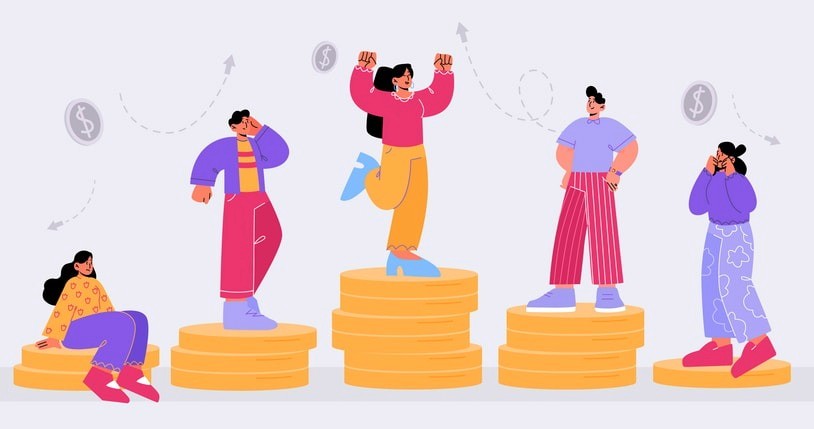
New research shows 89% of Gen Z employees rank job security as important or very important. But stability isn’t just about keeping a job: it’s about predictable income, honest communication about company health, and feeling financially secure in the long term.
What Gen Z Expects
Competitive base salary: Not just equity promises that may never vest
Published salary bands: 44% cite pay transparency as the most critical factor when evaluating employers
Retirement plans: 401(k) with employer match signals long-term investment
Student loan repayment support: With average student loan debt exceeding $30,000, this benefit matters
Financial education resources: Workshops on investing, budgeting, and wealth-building
How to Deliver
Publish salary ranges directly in job posts. During interviews, explain your compensation philosophy openly. Talk about the company runway, recent funding rounds, and how you’ve handled past challenges. Gen Z can spot evasion, and they’ll interpret it as a red flag.
Fonzi AI requires companies to commit to salary ranges before Match Day, aligning with Gen Z’s desire for transparency and reducing bait-and-switch offers that waste everyone’s time.
This approach builds trust from the first interaction. For Gen Z workers, that trust is the foundation of any employment relationship.
Work-Life Balance, Flexibility, and Location
Work-life balance consistently ranks as the top priority for Gen Z, 91% deem it important or very important in surveys. But their definition of balance isn’t about avoiding hard work. It’s about autonomy, boundaries, and sustainable pace.
The Flexibility Equation
Survey data from the early 2020s shows that three-quarters of Gen Z favor hybrid work models, balancing remote autonomy with in-person mentorship. However, many Gen Zers also report pressure to be “always on” after hours, leading to burnout even in remote roles.
What Gen Z actually wants:
Flexible hours: The ability to work during their most productive times
Hybrid structures: 71% prefer hybrid over fully remote or fully in-office
No-meeting blocks: Protected time for deep work
Clear boundaries: Explicit expectations on after-hours communication
Mental health days: Separate from standard PTO
Location Matters More Than You Think
Gen Z candidates factor in more than just the role itself. They evaluate housing costs, commuting burden, safety, and proximity to support networks or family. A San Francisco salary that doesn’t cover Bay Area rent isn’t attractive; it’s frustrating.
Consider these policies to compete for Gen Z talent:
Remote-first engineering teams with optional office access
Relocation stipends are tiered by cost-of-living in the destination city
Clear communication about in-office expectations before the first interview
Fonzi AI’s ecosystem of remote-friendly startups makes it easier for Gen Z engineers to find roles matching their preferred working style and geography, without endless back-and-forth about flexibility.
Career Growth, Skill Building, and Clear Pathways
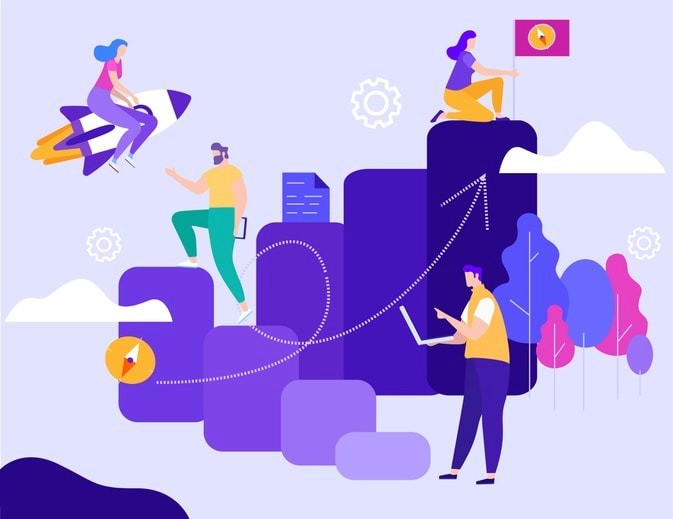
Gen Z values continuous learning and visible progress more than traditional “climb the corporate ladder to VP” narratives. Only 6% prioritize leadership positions as their primary career goal. Instead, they want skills development, hands-on experience, and clear paths forward.
The Growth Imperative
A majority of Gen Z report they would leave a role if they saw no realistic path to develop new skills or advance within 1-2 years. This isn’t job hopping for its own sake; it’s rational behavior when employers fail to invest in their growth.
Nearly half of Gen Z prefer hands-on experience over formal training, with 42% favoring learning by doing. They want structured growth that feels tangible:
Growth Element | What Gen Z Expects |
Defined levels | Clear engineering career ladder (IC and management tracks) |
Promotion criteria | Documented requirements, not political navigation |
Career conversations | Regular check-ins (at least twice yearly) |
Learning budgets | Funded online courses, certifications, and conference attendance |
Mentorship | Assigned mentors, especially for early-career hires |
Rotation opportunities | Chance to work across squads or products |
AI and ML Roles: A Special Case
For Gen Z engineers interested in AI and ML, the technology landscape evolves rapidly. Upskilling in areas like LLMs, MLOps, and data engineering is especially attractive. Companies that offer exposure to cutting-edge work and invest in personal development win top candidates.
Fonzi AI connects candidates with companies ready to invest in long-term growth, not just fill short-term gaps. Pre-vetted engineers are matched to roles where they can build meaningful work and develop new skills continuously.
Values Alignment, DEI, and Social Impact
Gen Z brings heightened social awareness to their job search. They care about ethics, DEI, climate change, and broader societal positive impact. Deloitte consulting surveys reveal 89% value purpose for job satisfaction, and they can spot performative gestures from a mile away.
What Authenticity Looks Like
A large share of Gen Z say they would avoid or leave employers perceived as performative on DEI or misaligned on issues like equity and sustainability. Generic mission statements don’t cut it. They want:
Concrete metrics: Representation data, pay equity audit results, promotion rates by demographic
Real employee stories: Not stock photos, but actual team members sharing experiences
ERG activity: Active employee resource groups with visible leadership support
Community impact: Local initiatives, volunteer programs, sustainability commitments
Honest leadership: Executives who acknowledge challenges, not just celebrate wins
Engineering with Purpose
Gen Z engineers want to know how their daily tasks contribute to real-world outcomes. Building AI products that are safe, unbiased, and used for constructive purposes matters to this generation. They’ll ask about your company’s stance on responsible AI during interviews.
This aligns directly with how Fonzi AI operates. Bias-audited evaluation flows, fraud detection, and structured scoring help companies prove they take fairness in hiring seriously. It’s not just about what you build, it’s about how you build your team.
Technology, Tools, and the Future of Work
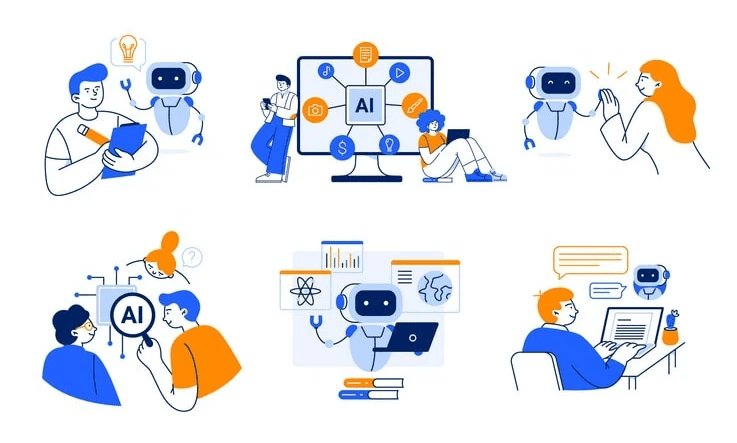
Gen Z is the first generation to fully grow up in a digital world, smartphones, cloud apps, social media, and now generative AI are native to their experience. They expect their workplace technology to match this sophistication.
Modern Stack Expectations
Gen Z engineers expect:
Cloud-native infrastructure (AWS, GCP, Azure)
CI/CD pipelines and DevOps practices
Collaborative tools like Slack, Notion, or Linear
AI-assisted coding tools (GitHub Copilot, ChatGPT, Cursor)
Current hardware (not five-year-old laptops)
More than half of Gen Z employees already use AI at work for problem-solving, and 75% leverage it for upskilling. They expect employers to embrace these tools, not ban them out of fear.
AI Policy as Differentiator
Startups that provide clear guidelines for using generative AI safely and ethically stand out. Gen Z wants to experiment with AI tooling, give them a budget for tools, access to APIs, and policies that enable rather than restrict.
Companies with clunky processes or outdated tech stacks send a clear message: we’re behind. Gen Z interprets this as a signal about the entire organization.
Fonzi AI positions itself as part of the modern tech stack for recruiting, using multi-agent AI for screening, fraud detection, and evaluation while keeping recruiters in control of final decisions.
Gen Z’s Expectations of the Hiring Experience
For Gen Z, the hiring process itself signals how a company operates. A slow, opaque, or unstructured process isn’t just inconvenient; it’s a red flag about what working there will be like.
What Gen Z Expects from Hiring
Expectation | Why It Matters |
Timely responses | Radio silence for weeks signals disrespect |
Clear next steps | Ambiguity creates anxiety and distrust |
Realistic timelines | “We’ll get back to you soon” isn’t specific enough |
Prepared interviewers | Asking questions already answered in their resume wastes time |
Constructive feedback | Even brief feedback shows respect for their effort |
Process Red Flags
Gen Z job seekers identify TA teams as slow adapters. Multi-month processes with repetitive interviews frustrate candidates who value their time. Unpaid take-home projects consuming 10+ hours feel exploitative, especially when candidates never hear back.
Better approaches:
Structured 3-5 step interview loops with clear criteria
Shorter, well-scoped technical assessments (2-4 hours maximum)
Live technical interviews instead of open-ended take-homes
Consistent communication at every stage
Fonzi AI’s Match Day model delivers offers typically within 48 hours of each hiring event. This speed appeals directly to Gen Z’s desire for clarity and respect. No months of waiting. No ghosting. Just efficient, transparent hiring.
How AI Can Help You Hire Gen Z without Losing the Human Touch
Fast-growing tech companies face persistent hiring challenges: overwhelmed recruiters, inconsistent technical screening, unconscious bias, and cycles that stretch for months. These problems directly conflict with what Gen Z expects.
The Case for AI in Recruiting
Multi-agent AI systems like Fonzi AI automate repetitive tasks so recruiters can focus on high-touch relationship-building:
Resume screening: AI handles initial filtering based on skills and experience
Fraud detection: Automated verification catches misrepresentation early
Scheduling: Eliminate the back-and-forth of coordinating interviews
Preliminary skills assessment: Standardized evaluation before human review
This isn’t about replacing recruiters, it’s about amplifying their impact. AI should be decision-support, not decision-maker. Final decisions remain with hiring managers and talent leaders, with AI providing structured, auditable signals.
Responsible AI Practices
Risk management matters. Responsible AI in recruiting requires:
Transparency about how AI is used in the process
Regular audits of AI systems for bias
Human ability to override or challenge AI recommendations
Clear documentation of decision criteria
Fonzi AI exemplifies this balance, using automation to speed up and clean up the funnel while maintaining concierge recruiter support and human-led final decisions. You get efficiency without sacrificing oversight.
Fonzi AI: A Gen Z–Ready Talent Marketplace for Engineers
Fonzi AI is a curated talent marketplace connecting elite AI, ML, full-stack, frontend, backend, and data engineers with AI startups and high-growth tech companies. It’s purpose-built for the challenges of modern tech hiring.
How Match Day Works
Match Day is a structured hiring event designed for speed and transparency:
Pre-vetted candidates: Engineers are screened before entering the pool
Salary commitment upfront: Companies must specify salary ranges before participating
Structured hiring event: Compressed timeline with clear expectations
48-hour window: Offers typically arrive within 48 hours of each event
Benefits for Gen Z Engineers
Transparent salary ranges from the start
One profile reaches multiple vetted employers
Short, high-signal process that respects their time
Access to AI startups and innovative tech companies
Free for candidates, no fees or hidden costs
Benefits for Employers
18% success fee (only pay when you hire)
Pre-vetted, high-quality talent pool
Bias-audited evaluations and fraud detection
Concierge recruiter support and interview logistics
Modern hiring that signals you take fairness seriously
Fonzi AI aligns with Gen Z’s expectations for fairness, speed, and modern technology by combining AI automation with human recruiter oversight. It’s a low-friction way for tech companies to modernize their hiring stack specifically for the AI-era and Gen Z talent.
Practical Steps to Attract and Retain Gen Z Talent in Tech
Here’s a concrete checklist for hiring leaders looking to reduce turnover and attract talent in the next 3-6 months:
Pay and Security Actions
Publish salary bands in every job post
Conduct pay equity checks at least annually
Communicate company health and runway openly to candidates
Offer retirement plans with employer match
Consider student loan repayment assistance
Flexibility Actions
Codify a hybrid/remote policy with clear expectations
Establish no-meeting days or blocks for deep work
Set explicit expectations for after-hours communication
Provide equipment stipends for remote work
Offer mental health days separate from PTO
Growth Actions
Define engineering levels with documented criteria
Write clear promotion requirements accessible to all
Budget for learning, conferences, and certifications
Assign mentors for all new Gen Z hires
Create rotation opportunities across teams
Culture and DEI Actions
Publish diversity data where legally appropriate
Support and fund employee resource groups
Train managers on inclusive leadership practices
Share real employee stories, not just marketing copy
Act on employee engagement survey feedback
Hiring Process Actions
Shorten interview loops to 3-5 steps maximum
Use structured scorecards with consistent evaluation criteria
Adopt AI tools like Fonzi AI for screening and evaluation
Train interviewers on communicating with early-career candidates
Provide feedback to candidates, even brief summaries
These steps aren’t nice-to-have luxuries; they’re table stakes for attracting the Gen Z workforce.
Conclusion
Gen Z is pushing the workplace toward stability, transparency, real growth paths, flexibility, and values that actually show up in day-to-day work. This isn’t a passing preference; it’s a structural shift in the talent market, especially in tech. Teams that ignore it will feel the impact in longer hiring cycles, higher drop-off, and fewer yeses from top early-career engineers. The upside is that modern AI, when used responsibly, makes it easier to meet these expectations by reducing friction, limiting bias, and letting recruiters focus on real conversations instead of a manual process.
That’s exactly where Fonzi AI fits. Fonzi is a curated talent marketplace built for Gen Z and early-career engineers entering AI-driven companies, with pre-vetted candidates, clear salary ranges, and bias-audited evaluations baked in. The result is faster, fairer hiring that aligns with how the next generation expects to engage. If you’re ready to modernize your approach, book a conversation with Fonzi or join the next Match Day and start building a hiring engine that’s designed for the future, not the past.
FAQ
What does Gen Z look for in a job compared to other generations?
What do Gen Z employees want from work and employers?
What benefits and perks matter most to Generation Z?
How can companies attract Gen Z talent effectively?
What workplace values are most important to what Gen Z wants?


