Dress Codes Explained: What They Mean & How to Dress for Each One
By
Ethan Fahey
•

Tech has always leaned casual as a cultural statement, but that norm is evolving fast. What started in the 1980s as a rejection of corporate formality now looks different as AI companies mature, sell to enterprise customers, and spend more time in boardrooms, investor meetings, and regulatory conversations. Engineering leaders are expected to move fluidly between startup culture and high-stakes professional settings, and what you wear is part of that signal, whether people like it or not.
For recruiters and hiring managers, unclear dress expectations create avoidable friction. A strong ML engineer showing up in flip-flops or a data scientist overdressing for a casual interview can distract from what actually matters: skills, judgment, and fit. That’s why platforms like Fonzi AI emphasize structured, transparent hiring experiences. By clearly setting expectations around interviews, Match Days, and on-site meetings, Fonzi helps candidates show up confident and prepared, so conversations stay focused on impact and capability, not wardrobe misfires.
Key Takeaways
Modern dress codes in tech range from “California casual” to business formal, with clear expectations needed for on-site interviews, board meetings, investor pitches, and client presentations.
Explicit dress codes reduce ambiguity, support inclusion, and signal company culture to both candidates and clients: critical factors in competitive AI and engineering hiring.
AI-era hiring introduces new “attire moments” including remote interviews, hybrid offsites, and demo days, each requiring clear, written dress guidance to level-set expectations.
Understanding the spectrum from casual through white tie helps hiring leaders communicate expectations and avoid candidate stress during crucial hiring touchpoints.
Fonzi AI helps hiring leaders not only hire elite AI and engineering talent quickly but also communicate expectations (including attire) clearly throughout the structured hiring journey.
Key Dress Code Categories: From Casual to White Tie
Western dress codes follow a relatively predictable hierarchy, from the relaxed everyday wear of a remote-first startup to the rigid formality of a state dinner. Understanding this spectrum helps hiring leaders pick the right level for each occasion and communicate it clearly to candidates and employees alike.
The main categories you’ll encounter are: Casual, Smart Casual, Business Casual, Business Formal, Semi-Formal, Cocktail, Black Tie, and White Tie. Most tech companies operate primarily within the first four levels for daily work and interviews. Semi-formal and cocktail attire appear at conferences, awards galas, and partner events. Black tie and white tie remain rare, reserved for charity balls, political events, or weddings rather than typical office life.
In the sections that follow, we’ll break down each dress code with concrete “what to wear” guidance for both men and women, along with specific scenarios where tech teams should deploy each level.
Dress Codes at a Glance
The following table provides a quick reference for each major dress code, including formality level, typical events, and example outfits. Use this as a starting point when deciding which code fits your next interview day, offsite, or company event.
Dress Code | Formality (1-10) | Typical Events | Example Men’s Outfit | Example Women’s Outfit |
Casual | 3 | Day-to-day in-office, internal hackathons, remote meetings | Jeans, polo shirt, clean sneakers | Jeans, casual dress, knit top, flats |
Smart Casual | 5 | Candidate onsites, user meetups, networking events | Chinos, button-down, blazer, loafers | Midi skirt, blouse, blazer, ankle boots |
Business Casual | 6 | Final-round interviews, client meetings, Match Day rounds | Wool trousers, collared shirt, sport coat, dress shoes | Tailored pants, structured blouse, low heels |
Business Formal | 8 | Series C pitch, board meetings, enterprise kickoffs | Dark suit, white dress shirt, conservative tie, oxfords | Pantsuit or sheath dress, closed-toe heels |
Semi-Formal | 7 | Industry conferences, partner dinners, awards ceremonies | Dark suit, dress shirt, tie recommended | Knee-length or midi dress, dressy separates, heels |
Cocktail | 7.5 | AI awards gala, fintech fundraising dinner | Sharper suit, tie, polished shoes | Cocktail dress, statement accessories, heels |
Black Tie | 9 | Charity galas, formal weddings, political events | Men black tuxedo jacket, black tuxedo trousers, bow tie, patent leather | Floor length dress, evening bag, dressy heels |
White Tie | 10 | State dinners, royal ceremonies, ultra-formal weddings | Tailcoat, white dinner jacket elements, white bow tie, waistcoat | Full evening dress with gloves, formal jewelry |
Casual and “California Casual”: Everyday Startup Wear
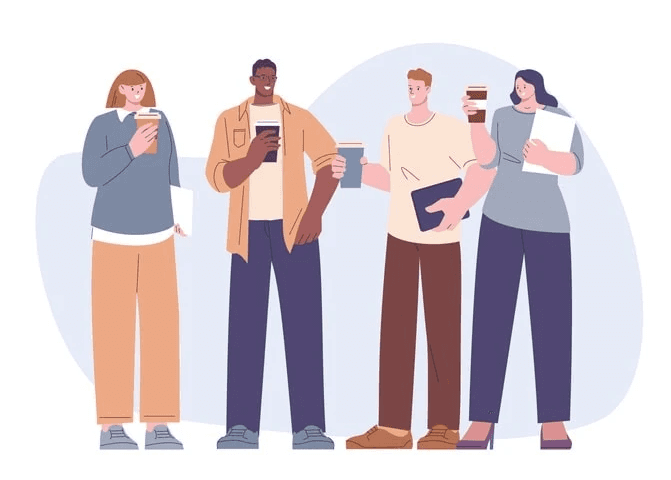
A casual dress code in 2026 tech means clean, comfortable clothing that’s appropriate for collaborative work, but not gym shorts or loungewear. Think intentional choices that still prioritize comfort over formality.
“California casual” has emerged as the relaxed, smart-casual hybrid common in Bay Area startups and remote-first companies. It’s jeans and quality tees, but elevated: no stained hoodies, no ripped denim, nothing you’d wear to mow the lawn. The goal is looking put-together without signaling corporate stuffiness.
For men, casual attire typically includes:
Dark or well-fitted jeans in good condition
Plain t-shirts, Henleys, or polo shirts without large logos
Crewneck sweaters or hoodies in solid colors
Clean sneakers (white leather, neutral canvas) or casual loafers
For women, casual options include:
Jeans or casual trousers in dark washes
Casual dresses or straight-cut skirts
Knit tops, simple blouses, or quality t-shirts
Flats, clean sneakers, or low ankle boots
Hiring leaders should encourage casual or California casual for day-to-day in-office work, internal hackathons, informal product reviews, and remote meetings without external stakeholders. Research shows that companies like Google report 80% casual adoption post-2010s, correlating with 15-20% higher employee satisfaction in comfort-focused surveys. When people dress appropriately for their actual work, they perform better.
Smart Casual & Dressy Casual: Polished but Not Stiff
Smart casual and dressy casual bridge the gap between jeans-and-hoodie culture and strict business attire. These codes work well when you want employees and candidates to look polished without creating the formality of a boardroom.
Smart casual means elevated casual: think dark denim or chinos instead of worn jeans, structured tops or blouses instead of t-shirts, and finer shoes that could handle a restaurant with white tablecloths. Dressy casual is similar but slightly more event-oriented, nicer fabrics, subtle accessories, and pieces that signal you made an effort.
Smart casual for men typically includes:
Chinos or dark jeans without distressing
Button-down shirts (tucked or untucked based on fit)
Lightweight blazers or sports jackets
Leather sneakers, loafers, or moccasins
Smart casual for women typically includes:
Midi skirts or tailored trousers
Dark jeans paired with blazers
Simple jewelry and structured bags
Ankle boots, elegant flats, or low heels
When tech teams should use smart casual:
Candidate on-sites at startups with relaxed cultures
Internal leadership off-sites and team retreats
Networking events and user meetups
Conference side events and evening socials
Hiring managers should explicitly label events as “smart casual” in calendar invites and interview prep documentation. This simple step levels expectations for both employees and candidates, eliminating guesswork that can create unnecessary anxiety.
Business Casual: The Default for Many Interviews
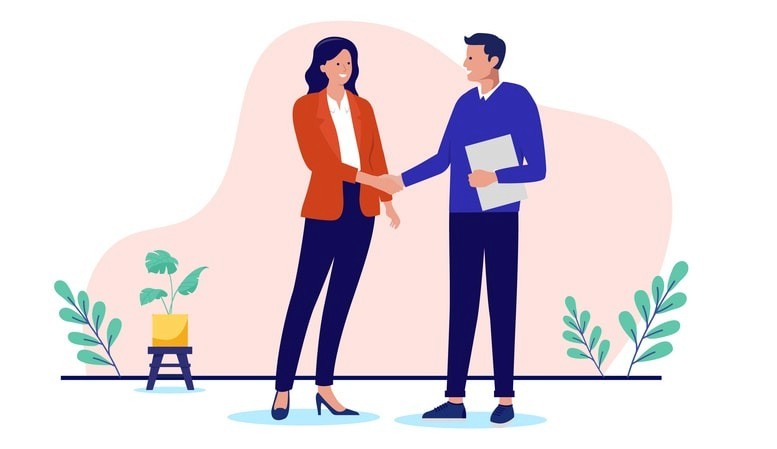
The business casual dress code sits at the professional end of relaxed, no hoodies, no ripped jeans, but also no need for a full suit and tie. It’s the most common attire code for tech interviews, covering roughly 70% of final-round scenarios according to industry observations.
Business casual for men includes:
Chinos, wool trousers, or dress pants in neutral colors
Collared shirts (button-downs, dress shirts without ties)
Optional sport coat or blazer
Closed-toe dress shoes or polished loafers
Avoid sneakers with loud colors or athletic styling
Business casual for women includes:
Tailored pants, knee-length skirts, or professional dresses
Structured blouses, knit tops, or cardigans
Blazers that add polish without formality
Low-to-mid heels or dressy flats
Many AI and engineering teams choose business casual for final-round interviews, client-facing meetings, and board sessions because it balances approachability with professionalism. The message it sends: we take our work seriously without taking ourselves too seriously.
Here’s a critical recommendation: tell candidates explicitly what to wear. Don’t assume they’ll figure it out. Include dress guidance in interview prep emails. Platforms like Fonzi AI build this kind of structured communication into their hiring workflows, ensuring candidates arrive prepared and confident rather than second-guessing their wardrobe choices.
Business Formal: When You Need to Signal Authority
A business formal dress code represents the “full professional” look reserved for high-stakes external interactions: investor pitches, enterprise client kickoffs, press events, or regulatory meetings. It’s the attire that signals you mean business.
Business formal for men requires:
Matching two- or three-piece business suit in navy, charcoal, or dark gray
Long-sleeve white dress shirt or light blue dress shirt
Conservative tie in solid colors or subtle patterns
Leather belt matching shoe color
Oxford or derby dress shoes, polished
Business formal for women requires:
Tailored pantsuit or skirt suit
Sheath dress with coordinating blazer
Neutral or jewel tones that read as authoritative
Closed-toe heels or polished flats
Subtle jewelry that doesn’t distract
When AI and engineering leaders need formal dress code:
Chief AI officer presenting at an industry summit
Head of ML attending a regulatory hearing or congressional briefing
CTO in a Series C pitch meeting with institutional investors
VP of Engineering at an enterprise customer executive dinner
Startups should document business formal expectations in employee handbooks and leadership onboarding materials. New engineering leaders shouldn’t have to guess what’s appropriate when they’re representing the company at high-stakes events.
Semi-Formal & Cocktail: Tech Events, Awards, and Weddings
The semi-formal dress code and cocktail dress code often appear on invitations to conferences, award galas, and startup ecosystem events where tech leaders mingle with investors and partners. These codes add elegance without the full formality of black tie.
Semi-formal attire for men:
Dark suit in navy, charcoal, or black
Dress shirt with tie recommended (though not always required)
Polished leather dress shoes
Semi-formal attire for women:
Knee-length or midi dresses in refined fabrics
Dressy separates (elegant blouse with tailored pants or skirt)
Sleek jumpsuits with heels or formal flats
Cocktail dress for more elevated semi-formal occasions
Cocktail attire elevates further:
For men: sharper dark suit with tie, pocket square optional, patent or highly polished shoes
For women: cocktail dress (typically knee-length), statement accessories, heels, evening clutch
Concrete scenarios where these codes apply:
AI Awards Gala in San Francisco
New York fintech-ML fundraising dinner
Partner’s corporate holiday party
Industry conference closing ceremony
Give employees written examples in event invites, especially for junior engineers or international hires who may be unfamiliar with the distinction between “cocktail” and “semi-formal.” A few sentences of guidance prevent awkward overdressing or underdressing.
Black Tie and White Tie: Rare but Important to Understand
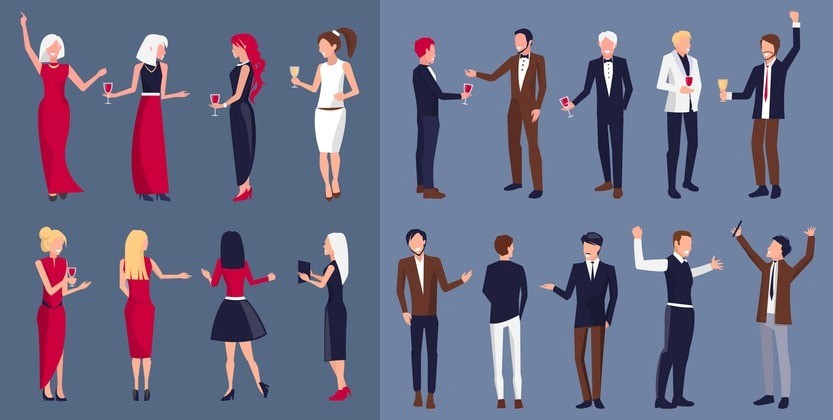
The black tie dress code and white tie dress code are uncommon for everyday tech work, but occasionally relevant for high-level charity galas, political events, or formal ceremonies some executives attend. Understanding these codes prevents embarrassing moments when invitations arrive.
Black tie expectations for men:
Black tuxedo (men's black tuxedo jacket and matching black tuxedo trousers)
Formal white shirt with French cuffs
Black bow tie (hand-tied preferred)
Black cummerbund or waistcoat
Patent leather shoes
Black tie expectations for women:
Floor-length dress or very formal cocktail dress
Evening bag and formal jewelry
Dressy heels (comfort matters for long events)
White tie represents the pinnacle of formal dress:
For men: tailcoat in black with characteristic tails, white dinner jacket elements for waistcoat, white bow tie, stiff white shirt, black patent oxfords
For women: full evening dress (ball gown), opera-length gloves optional, formal jewelry
How HR and people teams can support executives:
Provide written dress briefs when formal event invitations arrive
Maintain a list of reputable formalwear rental shops and tailors
Create internal guides with photos showing appropriate attire
Offer stylist referrals for executives attending their first white tie event
Most readers will only rarely encounter these dress codes, but being prepared prevents last-minute panic when a state dinner invitation lands on the CEO’s desk.
Remote & Hybrid Dress Codes: Video Calls, Match Days, and Offsites
Much AI and engineering hiring now happens over Zoom, Google Meet, or similar platforms, making “screen-only” impressions critical. Research from CareerBuilder shows 76% of recruiters say attire influences hiring decisions, and that applies to video calls too.
Expectations for remote interviews:
At least smart casual on camera, even if you’re wearing jeans below the frame
Avoid overly casual or distracting clothing (no tank tops, no spaghetti straps visible)
Camera framing means tops, grooming, and background matter more than pants or shoes
Solid colors work better than busy patterns on video
Guidelines for hybrid off-sites and retreats (e.g., April engineering off-site in Lisbon):
Casual attire for daytime working sessions
Smart casual or dressy casual for team dinners
Possibly semi-formal for flagship celebration events
Pack layers and versatile pieces that work across occasions
Fonzi AI’s hiring flows can send automated, bias-aware prep materials to candidates, including clear notes on dress expectations for both remote and in-person Match Day rounds. This kind of proactive communication removes guesswork and helps candidates present their best selves.
Companies should consider writing a short “Remote Appearance & Dress” section in their handbook. This aligns global teams with minimal policing: setting expectations while respecting that employees are adults who can dress appropriately when given clear guidance.
Dress Codes, Inclusion, and Legal Considerations
Dress codes intersect with gender identity, religion, disability, and cultural background, making inclusive design essential. A poorly written policy can alienate candidates before they even interview, or create legal liability after they’re hired.
Modern dress policies should:
Use gender-neutral language (e.g., “employees may wear suits, dresses, or professional separates” instead of prescribing by gender)
Explicitly allow religious dress, including hijabs, turbans, kippahs, and other observances
Make accommodations for disability-related needs (seated employees, prosthetics, sensory sensitivities)
Avoid prescribing makeup, specific heel heights, or hairstyle requirements
U.S. and EU anti-discrimination regulations expect neutral, consistently applied dress standards. Roughly 90% of anti-discrimination frameworks require accommodations for religious attire. Policies that seem neutral but disproportionately burden certain groups invite legal challenges and talent attrition.
Practical steps for tech leaders:
Involve DEI, legal, and employee resource groups when revising dress code policies
Review policies annually, especially as more employees work cross-border
Train managers on consistent, unbiased enforcement
Create feedback channels for employees to raise concerns
Clear, inclusive guidelines reduce the risk of biased enforcement and support candidates from diverse backgrounds feeling welcome from the first interview. When female students in a school’s dress code or employees in a corporate setting face different standards than their peers, it signals problems. The same principle applies to tech hiring.
How AI-Powered Hiring and Fonzi AI Fit Into the Picture
Dress codes are one piece of a larger challenge: hiring elite AI and engineering talent quickly while maintaining a fair, human-centric process. In an environment where recruiters juggle 50-100 resumes daily and fraud rates hover around 30% per industry estimates, every efficiency matters.
Fonzi AI’s multi-agent system handles tasks like profile screening, fraud detection, and structured evaluation, freeing recruiters to focus on high-touch work like clarifying expectations and coaching candidates through the process.
Specific ways Fonzi AI supports hiring leaders:
Automated, bias-audited interview rubrics that evaluate skills consistently
Standardized communications that can include office norms and dress codes for each stage
Concierge recruiter support for senior roles requiring white-glove attention
Salary transparency baked into Match Day, eliminating negotiation surprises
AI augments rather than replaces human judgment, especially for culture- and context-heavy topics like what’s appropriate to wear in a given team or region. A system can automate sending dress guidance, but humans decide what that guidance should say.
Fonzi AI functions as a partner for both operational efficiency and candidate experience, ensuring no one guesses about expectations on crucial days. When candidates know the dress code, the interview logistics, and the salary range before they walk in, they can focus entirely on demonstrating why they’re the right hire.
Conclusion
Dress codes still matter because they do something deceptively simple: they remove guesswork. Clear guidance reduces anxiety, supports inclusion, and helps candidates show up confident and focused on the interview, not worrying about whether they’re overdressed or underdressed. Even a short note on expectations can make a big difference in how professional and welcoming the experience feels.
Most workplaces still fall into a few familiar tiers. Casual works for day-to-day collaboration, business casual covers most interviews and client-facing moments, and business formal signals authority in settings like board meetings or investor pitches. Cocktail, semi-formal, and the occasional black-tie event come up less often, but knowing when they apply helps teams and candidates avoid awkward mismatches. This is where good hiring design matters: AI can streamline scheduling and evaluation, but humans need to set clear norms. Platforms like Fonzi AI bake that clarity into the process, pairing structured, efficient hiring with transparent communication so candidates know what to expect at every step and can focus on what really matters: doing their best work.
FAQ
What are dress codes and what do they mean?
What are the different types of dress codes and their definitions?
What’s the difference between business formal and business casual attire?
How should I dress for common workplace dress codes?
What does “smart casual” or “cocktail attire” dress code actually mean?