HR Manager Interview Questions: What to Ask & How to Answer
By
Liz Fujiwara
•

In fast-growing tech companies, hiring the right HR manager is critical to scaling effectively. While often overlooked, this role drives hiring, culture, and compliance, yet many companies struggle with lengthy and inefficient HR manager hiring processes.
A strong HR manager enables sustainable growth through effective talent and people strategies, while a poor hire can introduce costly issues that compound quickly. Today’s tech environments require HR leaders who combine strategic thinking, HR technology fluency, and human judgment.
This article highlights the interview questions and structured approaches that help identify high-impact HR managers, and explains how platforms like Fonzi can streamline hiring while keeping final decisions human-led.
Key Takeaways
Strategic HR manager interviews should assess leadership, compliance, cultural fit, and experience with performance management, conflict resolution, and workforce planning beyond basic qualifications.
Structured interview processes that use behavioral and situational questions help reveal problem-solving ability, leadership potential, and data-driven decision making.
AI-powered tools like Fonzi can support screening and fraud detection to reduce time-to-hire while preserving recruiter focus on high-value, human-centered evaluation.
What Makes an Exceptional HR Manager in 2026

The HR manager role has evolved dramatically from administrative coordinator to strategic business partner. In today’s competitive talent market, exceptional candidates distinguish themselves across five critical dimensions that directly impact business outcomes.
Strategic partnership with leadership on workforce planning and business objectives represents the foundation of modern people operations. Top-tier candidates do not simply respond to hiring requests. They anticipate talent gaps, analyze market conditions, and align HR strategies with revenue targets. They speak fluent business language, understanding how employee engagement metrics translate to productivity gains and how retention strategies affect customer success.
Experience with the HR technology stack has become non-negotiable. Strong HR managers leverage ATS systems to support seamless candidate experiences, use HRIS platforms for data-driven insights, and implement analytics tools that measure metrics such as time-to-productivity and employee satisfaction. They understand integration challenges and can evaluate vendor solutions against business requirements.
Proven ability to scale people operations in high-growth environments separates generalists from true leaders. Exceptional candidates have navigated transitions from 50 to 200 employees, implemented remote work policies that preserve culture, and designed onboarding processes that reduce ramp-up time. They think in systems and processes rather than one-off solutions.
A data-driven approach to recruitment, retention, and performance management defines the modern HR professional. These leaders track metrics such as employee lifetime value, analyze exit interview patterns for systemic issues, and use predictive analytics to identify retention risks. Decisions are based on evidence rather than intuition.
Understanding AI and automation in HR processes has emerged as a key differentiator. While coding expertise is not required, strong candidates understand how machine learning can support candidate screening, how natural language processing improves employee feedback analysis, and where human judgment remains essential. The best candidates view AI as an amplifier of human capabilities, not a replacement.
Essential HR Manager Interview Questions by Category
The most revealing HR manager interview questions go beyond surface-level qualifications to uncover strategic thinking, problem-solving ability, and leadership potential. Structure interviews around these four categories, using behavioral and situational questions that require specific examples and measurable outcomes.
Strategic Leadership and Business Alignment Questions
These questions assess whether candidates think like business leaders rather than administrative coordinators. Focus on their ability to connect people's initiatives to business results and demonstrate strategic thinking under pressure.
“Describe how you would align HR initiatives with business objectives in a rapidly scaling tech company. Walk me through a specific example from your experience.”
Strong answers include data analysis of current workforce capabilities, identification of critical skill gaps, and clear implementation timelines. Look for references to cross-functional collaboration, budget considerations, and measurable outcomes such as reduced time-to-productivity or improved employee satisfaction.
“Tell me about a time when you developed workforce forecasting models. What variables did you consider, and how accurate were your predictions?”
Exceptional candidates discuss scenario planning, market conditions, analysis of historical turnover patterns, and regular model refinement. They should share specific metrics and acknowledge both successes and lessons learned.
“How do you measure the success of your people operations? What KPIs do you track and why?”
Look for a broad set of metrics including employee engagement, retention by role and tenure, time-to-hire, quality of hire, and cost-per-hire. The strongest candidates connect these metrics to business outcomes such as revenue per employee or customer satisfaction.
Technology and Innovation in HR
Modern HR manager positions require comfort with technology and openness to innovation. These questions reveal adaptability and strategic thinking around process improvement.
“Describe your experience implementing or optimizing an HR technology stack. What challenges did you encounter and how did you overcome them?”
Strong responses demonstrate vendor evaluation skills, change management expertise, and understanding of integration complexities. Candidates should discuss user adoption strategies, training program design, and measurable efficiency gains.
“How have you leveraged AI or automation in recruitment processes? What benefits and risks did you identify?”
The strongest answers show awareness of AI capabilities without unrealistic expectations. Look for mentions of bias monitoring, transparency requirements, and the importance of human oversight. Candidates should reference specific tools and their impact on hiring speed or quality.
“What’s your approach to evaluating new HR technologies? Walk me through your decision-making process.”
Exceptional candidates mention pilot programs, ROI calculations, user experience testing, and integration assessments. They should discuss stakeholder involvement and planning for change management.
Behavioral and Situational Questions
These questions reveal how candidates handle complex interpersonal challenges and ambiguous situations common in fast-growth tech environments.
“Tell me about a time when you had to manage a difficult termination involving a high-performing employee. How did you handle the situation and what was the outcome?”
Use the STAR method to evaluate responses: Situation, Task, Action, Result. Strong answers demonstrate empathy balanced with business necessity, proper documentation, clear communication, and follow-through to prevent morale issues.
“Describe a situation where you identified and addressed bias in your hiring process. What steps did you take and what were the results?”
Look for systematic approaches including data analysis, process audits, training implementation, and ongoing monitoring. The best candidates address both conscious and unconscious bias and provide specific metrics showing improvement.
“How do you handle conflict between senior leadership directives and employee needs? Give me a specific example.”
Exceptional responses demonstrate diplomatic negotiation skills, creative problem-solving, and the ability to balance business requirements with employee concerns. Strong communication skills and principled leadership should be evident.
Compliance and Risk Management
These questions assess legal knowledge, risk awareness, and the ability to navigate complex regulatory requirements while maintaining business agility.
“How do you stay current with employment law changes across multiple jurisdictions? Describe your process for implementing compliance updates.”
Strong candidates mention professional development activities, legal resource subscriptions, and systematic review processes. They should discuss communication strategies for policy updates and training program design.
“Tell me about a time when you conducted a sensitive workplace investigation. How did you ensure fairness and thoroughness while protecting all parties involved?”
Look for structured investigation processes, understanding of legal requirements, documentation practices, and follow-through strategies. The best answers demonstrate emotional intelligence and a commitment to creating safe work environments.
“How would you approach implementing a global remote work policy that complies with employment laws in different countries while maintaining operational efficiency?”
Exceptional responses show understanding of legal complexity, risk assessment capabilities, and practical implementation planning. Candidates should discuss collaboration with legal teams and phased rollout strategies.
AI-Enhanced HR Manager Interviewing
The transformation from traditional to AI-enhanced HR manager interview processes delivers measurable improvements across every stage of hiring. While human judgment remains central to final decisions, AI handles repetitive tasks that consume recruiter bandwidth and introduce inconsistency.
Initial screening efficiency improves when AI agents parse job descriptions, identify key requirements, and rank candidates against objective criteria. Rather than spending hours reviewing resumes, hiring teams receive prioritized shortlists with explanations for each ranking decision.
Skill assessment accuracy increases through customized evaluation frameworks that adapt to specific role requirements. AI generates targeted questions based on job descriptions and company needs, ensuring candidates face comparable challenges.
Fraud detection capabilities represent a significant advantage in competitive talent markets. AI systems analyze digital footprints, verify claimed experience against observable activity, and flag suspicious patterns that manual review may miss.
Interview scheduling optimization reduces the back-and-forth emails that delay hiring processes. Intelligent systems account for time zones, interviewer availability, and candidate preferences to improve scheduling success rates.
Candidate evaluation consistency improves through structured scoring rubrics that convert subjective impressions into comparable data. AI helps capture detailed feedback and ensures each competency receives appropriate attention.
Sample Interview Questions with Scoring Criteria
Effective HR manager interview evaluation requires consistent scoring frameworks that help compare candidates objectively. Use these rubrics to standardize your assessment process and reduce interviewer bias.
“How would you design a talent acquisition strategy for scaling from 100 to 500 employees in 18 months?”
Excellent (4 points): Provides a comprehensive strategy including market analysis, sourcing channels, employer branding, interview process design, and metrics tracking. Mentions specific timelines, budget considerations, and risk mitigation plans.
Good (3 points): Covers most strategic elements with reasonable detail. Shows understanding of scaling challenges and provides practical solutions.
Average (2 points): Basic strategy outline with limited detail. Misses key components or shows surface-level thinking.
Poor (1 point): Vague response without specific plans. Limited understanding of strategic workforce planning.
“Describe your experience implementing HR technology that improved efficiency. What was your selection process and what results did you achieve?”
Excellent (4 points): Details vendor evaluation, clear implementation timeline, specific efficiency metrics, and lessons learned. Demonstrates strong project management and change leadership.
Good (3 points): Provides a solid implementation example with reasonable detail on process and outcomes. Shows technology competence.
Average (2 points): Basic technology experience with limited detail on selection or results. Shows familiarity but not expertise.
Poor (1 point): Minimal technology experience or unclear examples. Limited understanding of HR technology impact.
“Tell me about a time you resolved a complex employee relations issue. What was your approach and what was the outcome?”
Excellent (4 points): Systematic approach including fact-gathering, stakeholder interviews, policy review, and solution implementation. Clear communication of outcomes and follow-up actions.
Good (3 points): Structured approach with reasonable detail. Shows good judgment and communication skills.
Average (2 points): Basic conflict resolution example with limited process detail. Shows awareness but not expertise.
Poor (1 point): Unclear example or poor judgment demonstrated. Limited conflict resolution capability.
“How do you handle underperforming employees while maintaining team morale? Give me a specific example.”
Excellent (4 points): Comprehensive approach including clear expectations, coaching strategies, documentation practices, and team communication. Demonstrates emotional intelligence and leadership.
Good (3 points): Strong performance management example showing coaching skills and team awareness.
Average (2 points): Basic approach with limited detail on process or team impact.
Poor (1 point): Ineffective approach or limited performance management experience.
“Describe a situation where you used HR analytics to identify and solve a business problem.”
Excellent (4 points): Clear problem identification, data analysis, actionable insights, and measurable business impact. Demonstrates advanced analytical thinking.
Good (3 points): Effective use of data with reasonable analysis and positive outcomes.
Average (2 points): Basic data usage with limited analytical depth.
Poor (1 point): Minimal data experience or unclear example.
Red Flags and Warning Signs to Avoid
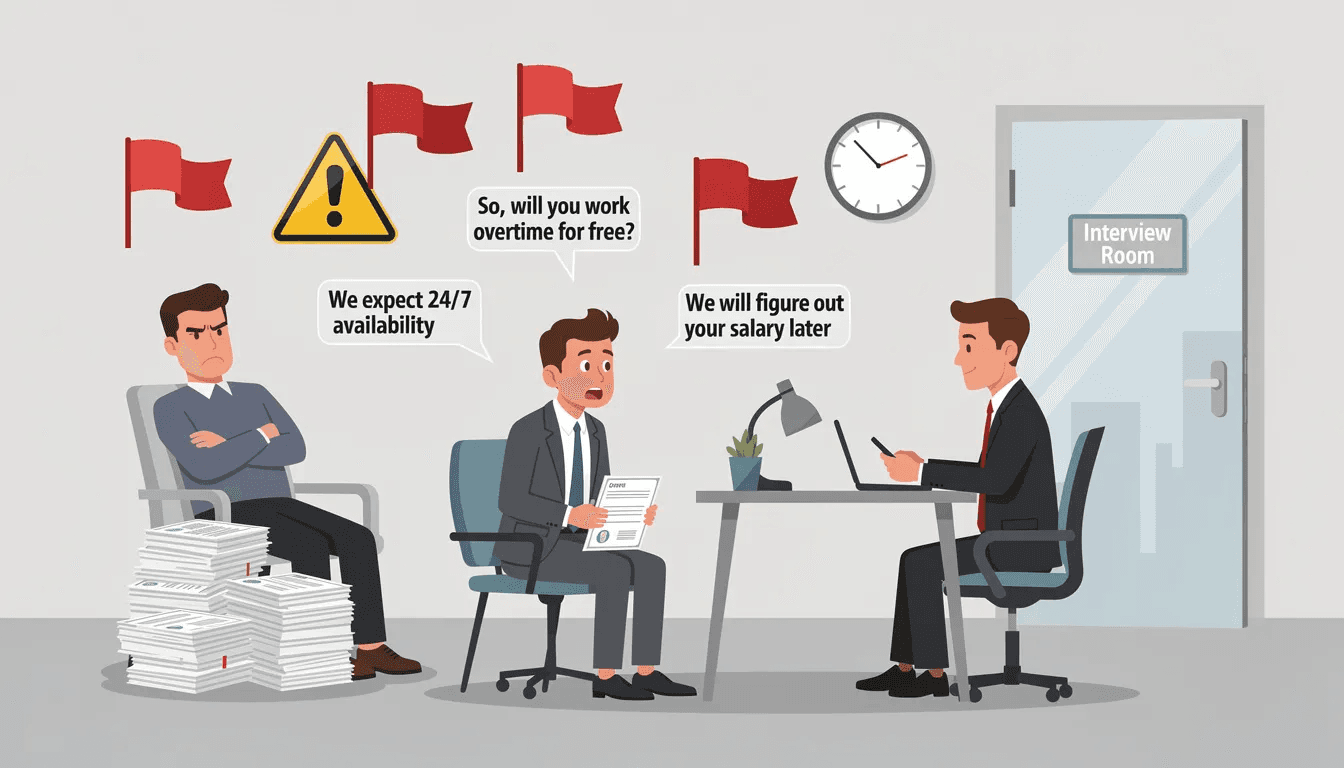
Identifying problematic candidates early helps prevent costly mis-hires that can disrupt people's operations. Watch for these warning signs that indicate potential performance or cultural fit issues.
Outdated approaches to performance management and employee engagement signal candidates stuck in traditional command-and-control mindsets. Be cautious when candidates emphasize punishment over development, focus on compliance rather than growth, or resist continuous feedback models. Modern tech environments require coaching-oriented leaders who understand psychological safety and intrinsic motivation.
Resistance to technology adoption or data-driven decision making represents a misalignment with modern HR management. Warning signs include dismissive attitudes toward HR technology, preference for “gut feelings” over metrics, or inability to discuss basic analytics concepts. These candidates often struggle in data-rich environments where evidence-based decisions drive outcomes.
Poor communication skills or defensive responses during interviews can predict future stakeholder management challenges. Watch for candidates who give vague answers, blame others for past failures, or become argumentative when challenged. Strong HR managers must handle sensitive conversations with diplomacy and transparency.
Lack of metrics or measurable outcomes in prior roles suggests an operational focus rather than strategic leadership. Be cautious of candidates who cannot quantify impact, discuss initiatives without results, or focus on activities instead of outcomes. Effective HR leaders think in terms of business impact and continuous improvement.
Inability to articulate a strategic HR vision indicates limited growth potential and weak business partnership skills. Red flags include viewing HR as purely administrative, limited awareness of industry trends, or inability to link people's initiatives to business objectives. Tech companies need HR managers who treat talent as a competitive advantage.
Limited experience with scaling organizations can signal difficulty in high-growth environments. Be cautious with candidates whose experience is limited to stable organizations and who lack exposure to rapid change, remote teams, or evolving processes. Scaling requires adaptability and systems thinking.
Ethical blind spots or poor judgment are non-negotiable disqualifiers. Warning signs include references to inappropriate hiring practices, biased language, or limited awareness of diversity and inclusion principles. HR managers must model high ethical standards and foster inclusive work environments.
How AI Transforms HR Manager Interviews
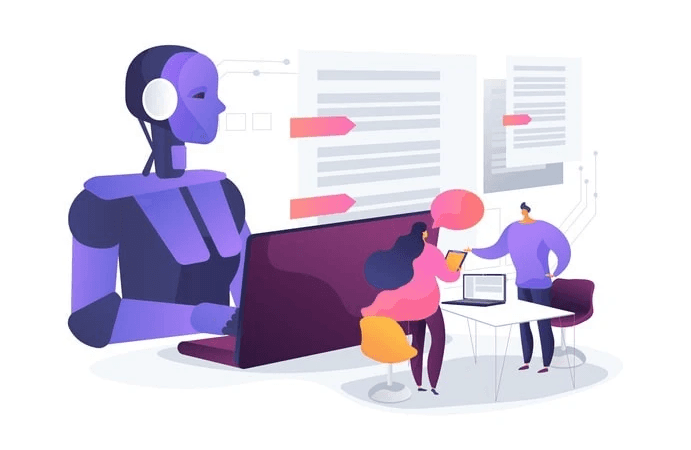
Modern AI systems are transforming HR manager interview processes through intelligent automation that enhances human decision-making rather than replacing it. Understanding how these systems work helps hiring teams leverage technology while maintaining control over critical decisions.
Fonzi’s multi-agent AI system illustrates the potential of coordinated automation. Unlike single-purpose tools, multi-agent systems orchestrate specialized AI components that each handle distinct aspects of the hiring workflow. For HR manager roles, this includes automated resume screening to identify leadership experience, fraud detection to verify claimed accomplishments, and structured interview generation that probes strategic thinking capabilities.
Automated screening can significantly reduce recruiter workload while improving candidate quality through consistent evaluation criteria. AI agents parse job descriptions to understand role requirements, analyze candidate profiles across multiple dimensions, and generate ranked shortlists with clear explanations. This allows recruiters to focus on higher-value activities such as stakeholder management and candidate experience.
Fraud detection capabilities are increasingly important in competitive markets where resume embellishment is common. AI systems cross-reference claimed experience with digital footprints, identify inconsistencies in career progression, and flag patterns that manual review may miss. For HR manager roles, where trust and integrity are critical, this verification provides meaningful risk mitigation.
Structured evaluation frameworks help ensure consistency across interviewers and reduce bias in subjective assessments. AI generates role-specific questions based on competency requirements, provides scoring rubrics with behavioral anchors, and helps convert interview notes into standardized scorecards. This standardization is particularly valuable in HR manager hiring, where soft-skill evaluation can vary widely between interviewers.
Best Practices for Conducting HR Manager Interviews

Implementing systematic interview processes ensures consistent evaluation while creating positive candidate experiences that reinforce your employer brand. These evidence-based practices optimize both efficiency and accuracy in HR manager selection.
A structured interview process with standardized questions and scoring provides the foundation for fair, predictable evaluation. Design competency-based question sets that probe leadership capabilities, strategic thinking, and cultural alignment. Use consistent scoring rubrics with behavioral anchors to support objective assessments. This structure reduces bias while ensuring every candidate faces comparable challenges.
Panel interviews that include HR, leadership, and cross-functional stakeholders provide multiple perspectives and reduce individual interviewer bias. Include current HR team members to assess operational competence, senior leadership to evaluate strategic partnership potential, and representatives from functions such as engineering and sales to gauge collaboration. Limit panels to three or four people to avoid overwhelming candidates while gathering diverse input.
Practical assessments reveal problem-solving abilities more effectively than hypothetical questions. Design case studies based on real scenarios your company has faced, such as scaling hiring processes, implementing remote work policies, or navigating regulatory compliance challenges. Ask candidates to present solutions that include implementation timelines, resource requirements, and success metrics. Role-playing exercises can further assess conflict resolution skills and communication style.
Reference checks focused on leadership effectiveness and team outcomes provide critical insight into management capabilities. Rather than generic verification calls, design structured reference conversations that probe specific competencies. Ask about the candidate’s approach to team development, how they handled challenging employee relations situations, and what measurable impact they achieved. Speak with both supervisors and direct reports when possible.
A final interview with C-level executives ensures strategic alignment and cultural fit at the highest level. This conversation should focus on vision alignment, understanding of growth strategy, and long-term partnership potential rather than revisiting operational details. Use this opportunity to assess executive presence and influence with senior stakeholders.
Candidate experience optimization protects your employer brand even within structured processes. Provide clear timelines and expectations, offer thoughtful feedback regardless of outcome, and ensure smooth logistics throughout. Strong HR manager candidates evaluate your people operations while being evaluated themselves, and poor candidate experience can signal systemic issues.
Technology integration should enhance, not replace, human judgment. Use AI tools like Fonzi to support administrative tasks, generate question sets, and provide decision support while maintaining human control over final hiring decisions. This approach delivers efficiency without sacrificing relationship-building and nuanced assessment.
Documentation and debrief processes support continuous improvement and legal compliance. Require detailed interview notes to justify hiring decisions, conduct structured debrief sessions that compare candidates objectively, and track outcomes to refine your process over time. This systematic approach builds institutional knowledge and reduces future hiring risk.
Conclusion
Hiring exceptional HR managers requires balancing human judgment with efficient technology. Structured interviews, supported by AI-powered screening, help identify leaders who drive business results while maintaining strong people leadership.
The right questions reveal strategic thinking, adaptability, and leadership potential. By combining competency-based evaluations with AI-assisted screening and human oversight, companies can build faster, more effective hiring processes.
Ready to improve your HR hiring? Fonzi helps teams hire HR managers faster while preserving the human insight that defines great people leadership.
FAQ
What are the most common human resource management interview questions?
What strategic HR questions should candidates expect in manager interviews?
What questions should I ask an HR manager during an interview?
How should I answer HR leadership and people management questions?
What differentiates HR manager interview questions from general HR roles?


