
Imagine you’re leading talent acquisition at a fast-growing AI startup in San Francisco. Your CEO just secured Series B funding and needs to hire 20+ machine learning engineers and data scientists in the next 90 days. You post on LinkedIn, Indeed, and a few niche boards. Within a week, you have 3,000 applications, and maybe 50 are actually qualified.
Your recruiters are drowning. Candidates ghost after initial screens. You discover that two “senior ML engineers” who made it to final rounds had nearly identical GitHub repos and suspiciously similar work histories. Meanwhile, your competitors are closing offers in 10 days while you’re still scheduling first-round calls.
This is the reality for hiring managers and talent leaders at tech companies in 2026.
This article is your guide to the best recruiting websites and platforms. You’ll learn which general sites still matter, which niche platforms deliver for tech and AI roles, and where AI-native options like Fonzi fit into a modern recruiting stack. The goal is practical and comparison-driven: concrete platform names, suggested use cases, and guidance on integrating AI without losing human judgment.
Key Takeaways
The 2026 talent market makes choosing the right recruiting websites and platforms mission-critical for tech hiring leaders who want to stay competitive.
Traditional job boards like LinkedIn and Indeed remain essential for brand visibility and volume, but they’re no longer sufficient on their own. Recruiters now need a strategic mix of general job sites, niche tech platforms, and AI-powered marketplaces like Fonzi to compete for top AI and engineering talent.
Multi-agent AI can safely automate time-consuming tasks like resume screening, fraud detection, and structured evaluations while recruiters stay firmly in control of final hiring decisions, the best teams in 2026 are AI-augmented.
This article ranks and compares the best recruiting sites for 2026, including a clear table contrasting features, pricing models, and ideal use cases so you can build a recruiting stack that actually works.
Fonzi is a next-generation talent marketplace that helps tech companies hire senior AI and engineering talent faster and more fairly, without sacrificing human oversight or the personal touch that closes top candidates.
The New Recruiting Stack for Tech & AI Talent in 2026
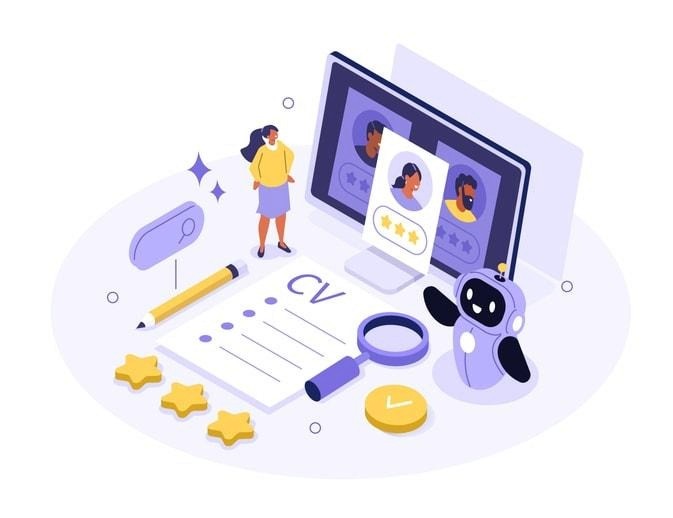
In 2026, the “recruiting stack” is no longer just a job board and an email inbox. It’s a layered ecosystem of interconnected tools:
Job boards and aggregators: Where you post roles and attract inbound applicants
Sourcing tools: Where you proactively search for passive candidates
Talent marketplaces: Where pre-vetted candidates are matched to your roles
ATS/CRM platforms: Where you track, manage, and communicate with candidates
Assessment tools: Where you validate skills through tests and simulations
AI assistants: Where automation handles screening, scheduling, and structured evaluations
Tech companies typically combine general job sites like LinkedIn and Indeed with niche platforms focused on engineering and AI talent, plus internal talent pools for referrals and boomerang hires. The most effective teams have stopped thinking about recruiting as “post and pray” and started thinking about it as a multi-channel, data-driven workflow.
AI is now embedded across the stack. From job description optimization to automated screening, fraud prevention, interview structuring, and candidate experience personalization, technology is reshaping every stage of the hiring process.
Fonzi fits into this stack as a multi-agent AI talent marketplace specialized in AI and engineering hiring. It’s designed to plug into your existing systems: your ATS, your interview workflows, your feedback loops, rather than replace them. Think of it as the specialized layer that handles your hardest-to-fill roles: senior ML engineers, data scientists, platform architects, and AI researchers.
The rest of this article groups platforms by category, then goes deep on which ones are best for different hiring goals: volume vs. senior talent, global vs. local reach, specialized vs. generalist needs.
Top General Recruiting Websites Recruiters Still Rely on in 2026
Broad-reach job boards and professional networks remain foundational for most recruiting strategies. They’re where you build an employer brand, attract inbound applicants, and maintain visibility in a crowded market. Even if they don’t deliver your most specialized hires, they’re essential for reach.
LinkedIn remains the dominant professional network for tech recruiting in 2026. Its Recruiter features, AI-powered candidate recommendations, and InMail outreach are still the go-to for most outbound tech sourcing. Content posting on LinkedIn also drives passive candidate engagement. In fact, many hiring managers discover top employers through posts from engineering leaders rather than job listings.
For tech companies, LinkedIn’s strength is its depth of profile data: skills, endorsements, project history, and network connections. The platform’s AI now surfaces candidates based on skills and career trajectory, not just keyword matching. However, LinkedIn’s sheer size also means signal-to-noise challenges; you’ll find candidates, but you’ll also wade through a lot of noise.
Indeed
Indeed and ZipRecruiter dominate programmatic job advertising. Their pay-per-click models give growth-stage companies budget control, and their resume databases remain massive. Indeed’s AI matching has improved, but it’s still optimized for volume rather than precision.
For tech roles, Indeed works best as a top-of-funnel channel; useful for driving applicants to your ATS, less useful for identifying senior or niche talent. The platform’s strength is reach, not depth.
ZipRecruiter
ZipRecruiter’s strength is similar to Indeed’s: programmatic distribution, broad reach, and budget flexibility. Its AI matching can surface relevant candidates quickly, making it a solid choice for companies scaling hiring across multiple locations.
Glassdoor
Glassdoor’s value in 2026 is less about job postings and more about employer branding and salary transparency. Senior engineers and AI practitioners often vet companies on Glassdoor before responding to outreach. If your company has poor reviews or opaque compensation, you’ll lose candidates before they ever apply.
Investing in your Glassdoor presence, such as responding to reviews, publishing salary ranges, showcasing culture, is now table stakes for tech recruiting.
Monster
Monster remains a recognizable name but has declined in relevance for tech hiring. It’s better suited for generalist roles and industries outside technology.
These platforms struggle with highly specialized AI and senior engineering roles. The volume of unqualified applicants, lack of technical vetting, and generic matching algorithms mean recruiters spend significant time sifting rather than hiring. That’s where niche platforms and AI marketplaces become essential.
Best Niche Recruiting Websites for Tech, AI & Engineering Roles in 2026
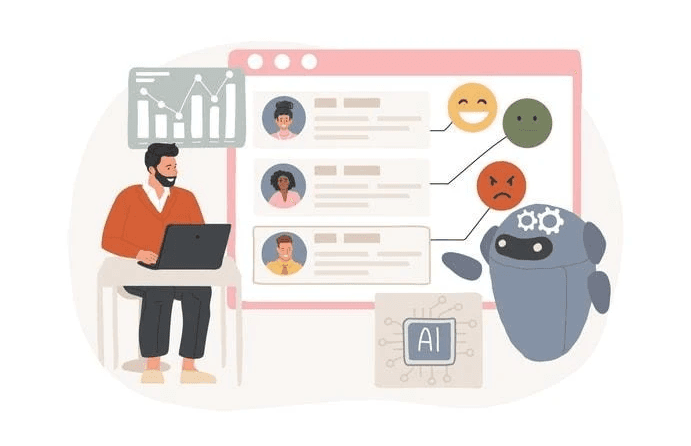
Niche recruiting sites matter because they deliver higher signal. When you post on a platform where top engineers and AI researchers actually engage, you’re more likely to find candidates with relevant skills, portfolios, and career goals.
AngelList/Wellfound
For startups from seed to Series C, AngelList (now Wellfound) remains a go-to. The platform’s focus on startup culture attracts candidates who are specifically interested in early-stage work, equity compensation, and fast-moving teams. It’s particularly strong for roles in North America and remote-first engineering teams.
Hired
Hired operates as a marketplace where candidates set salary expectations upfront and companies bid on interviews. This flips the traditional model and creates transparency around compensation. For senior engineers and AI practitioners who know their market value, Hired can accelerate the match process.
Triplebyte and Skills-Based Platforms
Platforms that emphasize skills assessments over resumes have gained traction. They pre-screen candidates with coding challenges, technical interviews, or project reviews, so companies receive candidates who have already demonstrated competence. This approach aligns with the broader shift toward skills-based hiring.
Specialized AI/ML Boards
Smaller, community-driven boards focused on data science, LLM engineering, robotics, and research roles have emerged. These platforms attract candidates with strong portfolios. For example, GitHub contributions, Kaggle rankings, open-source work, and research publications. The candidate pools are smaller but significantly more qualified.
What niche sites deliver:
Fewer but more qualified applicants
Candidates with visible portfolios (GitHub, Kaggle, open-source contributions)
Clearer salary expectations upfront
Community context that general boards lack
Limitations:
Smaller candidate pools
Geographic concentration (often US/EU-heavy)
Sometimes higher posting or subscription costs
Niche sites work best as partners to general job boards and AI-native platforms like Fonzi, not as replacements. They’re one layer in a multi-channel strategy.
AI-Powered Talent Marketplaces: Where Fonzi Fits in 2026
AI-powered talent marketplaces represent a fundamental shift in recruiting. Instead of posting a job and waiting for applicants, these platforms use AI to match pre-vetted candidates to roles, focusing on speed and fit rather than just volume.
You may be familiar with marketplace models like Toptal (which claims to vet the “top 3%” of freelancers) or specialized engineering marketplaces. These platforms work because they reduce the burden on recruiters, you receive a curated shortlist rather than thousands of raw applications.
But the unique needs of AI and engineering hiring in 2026 require more than traditional curation. You need platforms that understand the nuanced differences between an LLM ops engineer and a traditional ML engineer, between a systems programmer and a backend web developer, between a research scientist and an applied ML practitioner.
Introducing Fonzi
Fonzi is a talent marketplace purpose-built for AI, ML, data, and senior software engineering roles, serving fast-growing tech companies and AI-driven enterprises.
What makes Fonzi different is its multi-agent AI architecture. Instead of a single “AI matching algorithm,” Fonzi uses multiple specialized AI agents coordinating together, each with a focused responsibility:
Job requirements parsing: One agent interprets your role requirements and converts them into structured skill profiles
Candidate sourcing and matching: Another agent identifies and ranks candidates who match core and adjacent skills
Fraud and anomaly detection: A dedicated agent cross-checks profile consistency, flags suspicious patterns, and identifies potential misrepresentation
Evaluation structuring: Another agent generates structured interview guides and summarizes panel feedback
This multi-agent design mirrors how high-performing recruiting teams actually work; specialists collaborating, cross-checking each other, and escalating ambiguous cases to human judgment.
Most importantly, Fonzi is designed around human-in-the-loop oversight. Recruiters control role definitions, screening thresholds, and final decisions. AI handles the repetitive, data-heavy work so your team can focus on relationship-building, candidate experience, and closing offers.

How Fonzi’s Multi-Agent AI Streamlines the Hiring Workflow
Fonzi’s AI agents automate key steps while keeping recruiters in control:
JD interpretation: The system parses your job description and extracts required skills, experience levels, and domain expertise, then flags ambiguities for your input
Candidate sourcing and matching: AI identifies candidates from the marketplace whose skills, project history, and tech stack align with your requirements
Fraud and duplication checks: The system detects anomalies like copied GitHub repos, overlapping full-time roles, or inconsistent career timelines
Structured evaluation summaries: After interviews, AI consolidates panel feedback, highlights consensus and disagreements, and ensures documentation is audit-ready
Recruiters see transparent rationales for candidate recommendations, not just black-box scores. You’ll know which skills matched, where the AI is uncertain, and what flags require your attention.
Because multiple agents cross-verify each other’s outputs, hallucinations and errors are reduced. When the system encounters ambiguous cases, it escalates to human review rather than making autonomous decisions.
Calibration stays in your hands. You can tighten or loosen filters, adjust must-have skills, and explicitly approve or reject AI recommendations to refine future matches. The system learns from your feedback.
Fonzi is also built to respect compliance and privacy constraints, integrating safely with ATS systems and internal hiring workflows rather than bypassing them.
Why AI Marketplaces Are Critical for AI & Engineering Hiring
Conventional job boards struggle with senior AI talent for predictable reasons:
Oversupply of generic resumes: Volume doesn’t equal quality
Under-specified experience: “5 years of Python” tells you nothing about depth
Buzzword matching vs. genuine expertise: Traditional keyword search can’t distinguish real practitioners from resume optimizers
AI-native marketplaces like Fonzi can leverage richer context: code samples, research publications, open-source contributions, prior startup experience, and domain-specific achievements. This allows matching candidates to nuanced role requirements, not just surface-level keywords.
Multi-agent AI can detect fraud signals particular to AI and engineering roles:
Copied GitHub repositories
Exaggerated model performance claims
Inconsistent project histories
Proxy interview patterns
For hiring managers building teams in high-risk domains, applied LLMs, safety-critical systems, fintech, healthcare AI, bad hires are extremely costly. AI marketplaces provide a layer of protection that traditional job boards simply can’t offer.
Top Recruiting Websites & Platforms for 2026
The table below compares key recruiting websites and platforms across reach, specialization, AI capabilities, and best-fit use cases. Use it to identify which platforms belong in your recruiting stack.
Platform | Primary Focus | Best For | AI Features | Pricing Model | Ideal Role Types |
Professional network + job board | Outbound sourcing, employer branding, broad tech hiring | AI-powered candidate recommendations, InMail targeting | Subscription (Recruiter seats) + pay-per-post | All tech levels, especially passive candidates | |
Indeed | General job aggregator | High-volume hiring, inbound applicant flow | Resume matching, programmatic distribution | Pay-per-click, sponsored posts | Entry to mid-level, broad roles |
Glassdoor | Employer branding + job board | Building reputation, salary transparency | Limited AI, focus on reviews and data | Subscription for employer branding | All levels (brand-focused) |
ZipRecruiter | General job distribution | Scaling hiring across locations, SMB focus | AI matching, candidate recommendations | Pay-per-click, subscription | Generalist and multi-location |
AngelList/Wellfound | Startup job marketplace | Seed to Series C startups, equity-focused roles | Basic matching, startup filters | Free tier + premium features | Early-stage tech, engineering |
Hired | Tech talent marketplace | Senior engineers with salary transparency | Candidate bidding, skills matching | Success fee (percentage of first-year salary) | Mid to senior engineering |
Fonzi | AI & engineering talent marketplace | Senior AI, ML, data, and software engineering | Multi-agent AI screening, fraud detection, structured evaluation, human-in-the-loop tools | Flexible (subscription + success fee options) | Senior AI/ML, data scientists, platform engineers |
Key patterns to note:
For volume hiring: Indeed and ZipRecruiter provide broad reach and budget control
For senior and specialized roles: Hired and Fonzi deliver curated, pre-vetted candidates who match nuanced requirements
For AI and engineering specifically: Fonzi’s multi-agent AI and fraud detection capabilities address the unique challenges of technical hiring in 2026
Most effective teams use a portfolio approach: general sites for brand and volume, niche platforms for community access, and AI-native marketplaces for their hardest roles.
How to Integrate AI Recruiting Platforms like Fonzi into Your Hiring Stack
Many recruiting teams already use an ATS (Greenhouse, Lever, Workable, or similar) plus several job boards and sourcing tools. The fear of adding “yet another tool” is real.
AI platforms like Fonzi are designed to plug into existing workflows, not replace them. Here’s how integration typically works:
Connect Fonzi to your ATS: Candidates sourced and pre-vetted by Fonzi flow directly into your existing ATS pipeline
Use your existing interview process: Your recruiters and hiring managers continue using familiar interview scripts, scorecards, and feedback tools
Leverage AI for screening and prep: Fonzi handles resume parsing, skills matching, fraud checks, and structured evaluation summaries before candidates reach your team
A Simple Phased Adoption Plan
Phase 1: Pilot
Select 2-3 critical roles that have historically been hard to fill (e.g., senior ML engineer, data platform lead)
Run these roles through Fonzi alongside your traditional channels
Compare outcomes: time-to-shortlist, interview-to-offer ratios, candidate quality feedback
Phase 2: Calibrate
Host calibration sessions where hiring managers review early AI recommendations
Fine-tune role requirements based on what the AI surfaces
Set guardrails and thresholds that match your team’s standards
Phase 3: Expand
Roll out to additional teams and geographies if pilot results are strong
Integrate Fonzi outputs into your recruiting analytics and reporting
Train recruiters on interpreting AI recommendations and maintaining human oversight
Data Hygiene and Compliance
Effective AI recruiting requires clean inputs:
Well-defined job requirements: The more specific your skills and experience criteria, the better AI matching works
Consistent feedback logging: Document interview outcomes and hiring decisions to improve AI calibration over time
Candidate consent and privacy: Ensure your process complies with local regulations and candidates understand where AI is used
AI is there to reduce manual screening and repetitive tasks, not to automate away human judgment or culture-fit assessments. The best recruiting firms treat AI as a force multiplier, not a replacement.
Maintaining Human Oversight While Using AI in Recruiting

Common fears in 2026 are legitimate:
Bias amplification: Will AI perpetuate or worsen existing biases?
Opaque decision-making: Will recruiters understand why candidates are surfaced or rejected?
Loss of personal touch: Will candidates feel like they’re talking to a robot instead of a human?
The key is drawing clear boundaries between AI-appropriate tasks and human-led activities.
Tasks appropriate for AI:
Resume parsing and skills extraction
Initial skill matching against role requirements
Fraud and anomaly detection
Interview scheduling and logistics
Structured evaluation summaries
Tasks that must remain human-led:
Final hiring decisions
Culture and values assessment
Offer negotiation and closing
Relationship building with top candidates
Exception handling and judgment calls
How Fonzi Supports Transparency
Fonzi is built so recruiters see exactly why candidates are surfaced:
Which skills matched the role requirements
Where the AI is uncertain or sees potential risk
What flags require human investigation
How recommendations change based on your feedback
Practical tips for maintaining oversight:
Always have a recruiter review AI-screened lists before candidates advance
Periodically sample “rejected” profiles to check for systematic bias or missed talent
Document your standards for when to override AI recommendations
Communicate openly with candidates about where AI is used in your process
Candidates appreciate transparency. When you tell them that AI helps with initial screening but human recruiters make all hiring decisions, you build trust rather than skepticism.
The best recruiting teams in 2026 are “AI-augmented, human-led.” They use technology to handle what machines do well while preserving human judgment for what matters most: understanding people, assessing fit, and making decisions that shape team culture.
Conclusion & Call to Action
The 2026 tech hiring environment is intense. General job boards are necessary for reach and brand visibility, but they’re no longer sufficient on their own. Niche platforms deliver higher-quality candidates for specialized roles. And AI-powered marketplaces like Fonzi represent the next evolution; platforms that combine intelligent automation with human oversight to help you compete for senior AI and engineering talent.
Choosing the right mix of recruiting websites and platforms is the key to reducing time-to-hire and improving candidate quality. Your team doesn’t have to choose between speed and quality, or between automation and control. The best recruiting stacks in 2026 combine all three layers strategically.
Fonzi’s unique value:
Multi-agent AI that accelerates sourcing and matching for AI and engineering roles
Fraud detection that catches resume inflation, proxy interviews, and misrepresentation
Structured evaluation tools that keep hiring managers focused and decisions documented
Human-in-the-loop design that keeps recruiters firmly in control
Ready to see how Fonzi fits into your recruiting stack?
Book a demo with the Fonzi team to explore how multi-agent AI can transform your next engineering search. Start a pilot for your hardest-to-fill AI or senior engineering role and compare outcomes against your existing channels.
Companies that learn to pair human judgment with AI-driven rigor in 2026 will build stronger, more innovative engineering and AI teams than their competitors. The future of recruiting is about giving recruiters tools that let them focus on what they do best.
FAQ
What are the best recruiting websites for finding candidates?
Which job recruiter sites work best for different industries?
What recruiting platforms do companies use most effectively?
Are niche recruiting websites better than general job sites?
What features should recruiters look for in recruiting websites?


