Leadership Coaching: What It Is, What It Costs, and Who It's For
By
Ethan Fahey
•
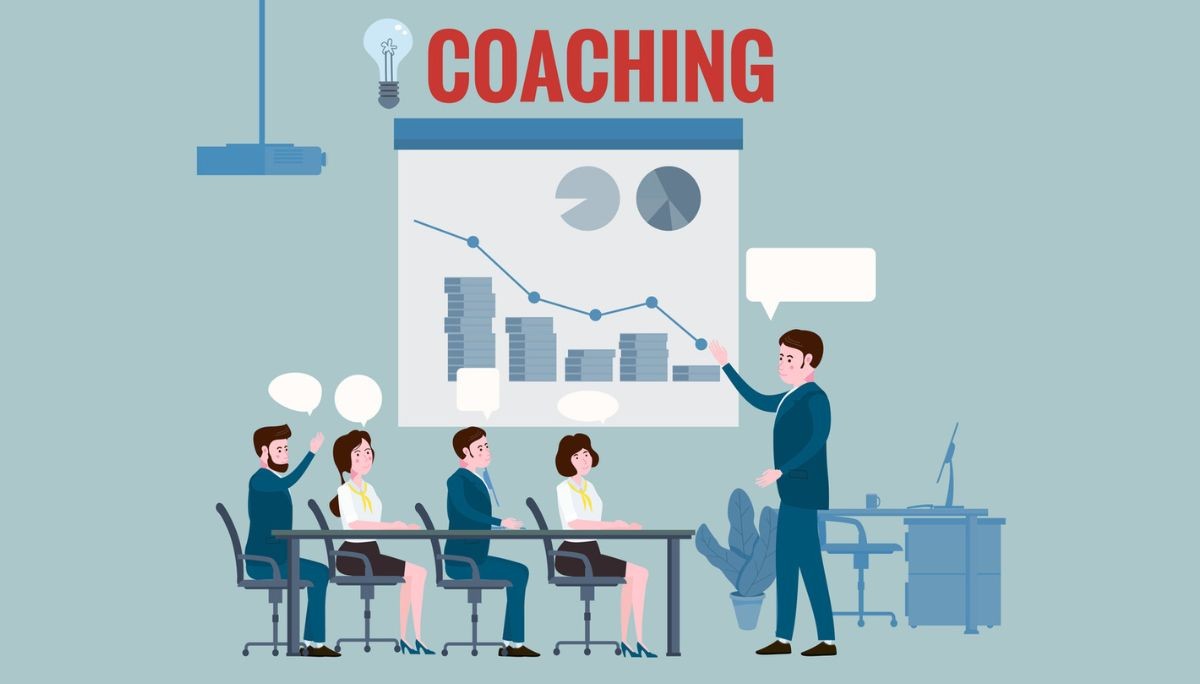
If you’re building a technical career in AI, machine learning, or infrastructure engineering, you’ve probably noticed that raw technical ability only gets you so far. At a certain point, the differentiators become leadership skills like guiding teams, influencing stakeholders, and making high-stakes decisions that shape products and organizations. Leadership coaching addresses this shift not as a vague self-help exercise, but as a structured, evidence-based way to help engineers and technical leaders grow into broader leadership roles.
Whether you’re a first-time engineering manager or a senior leader running an AI-focused business unit, understanding how leadership coaching works can help you make better decisions about professional development and talent strategy. Platforms like Fonzi AI also play a role here by helping companies identify and hire engineers who are ready to step into higher-impact positions. By connecting organizations with vetted AI and infrastructure talent and giving candidates clearer pathways to leadership-track roles, Fonzi helps bridge the gap between technical expertise and the leadership capabilities modern AI teams require.
Key Takeaways
Leadership coaching is a structured, ongoing partnership focused on improving a leader’s behavior, impact, and business outcomes, not just feel-good conversations.
Modern coaching serves everyone from first-line managers to C-suite executives, helping them navigate disruption, hybrid work, and AI-driven change.
Organizations investing in executive coaching see measurable benefits: an average ROI of 5.7×, 32% higher engagement and retention, and stronger succession pipelines.
Effective leadership coaching blends one-on-one work, team coaching, assessments, feedback, and practical assignments between sessions.
Virtual coaching has become standard since 2020, enabling global reach and flexible scheduling without sacrificing effectiveness.
What Is Leadership Coaching?
Leadership coaching is an ongoing, structured relationship focused on improving a leader’s behavior, impact, and business results. Unlike training (which delivers content to groups) or mentoring (which involves advice from a more experienced person), coaching engages the leader in cycles of reflection, experimentation, feedback, and accountability tied to real work challenges.
Coaching sessions are typically one-on-one, confidential conversations grounded in actual projects, tough decisions, and day-to-day leadership situations. The coach doesn’t provide answers; they help leaders develop their own insights and action plans.
Here’s how leadership coaching differs from related approaches:
Approach | Focus | Relationship | Duration |
Leadership Coaching | Behavior change and specific outcomes | Structured, confidential partnership | 6-12 months typically |
Mentoring | Career guidance and wisdom sharing | Informal, often long-term | Ongoing, years |
Training | Skill or content delivery | Instructor to group | Fixed, short-term |
The typical coaching cadence involves 60–90 minute sessions every 2–4 weeks over 6–12 months, supported by check-ins and practical assignments between meetings. Research from CoachDays suggests meaningful results often appear within three to six months, with deeper identity-level work taking longer.
Good leadership coaching is evidence-based, drawing on psychology, neuroscience, and organizational behavior research rather than generic motivation tactics. This is why credentialed coaches with formal training consistently outperform well-meaning amateurs.
Why Leadership Coaching Matters Now
The world has shifted dramatically since 2020. Remote and hybrid work have become permanent fixtures. AI is reshaping workflows and decision-making. Employee expectations around culture and development have evolved rapidly. Leaders today must juggle AI adoption, cross-functional teams, and global markets, making individualized development more critical than generic workshops.
Consider the disruptions of 2020–2024: supply chain volatility, talent shortages, geopolitical uncertainty, and the rapid rise of generative AI. These weren’t temporary bumps; they fundamentally changed how organizations operate. Many leaders found themselves managing change fatigue, ambiguity, and burnout while still being expected to drive performance and innovation.
This is precisely why leadership coaching has moved from “nice to have” to a strategic priority. According to CJPI research, organizations investing in executive coaching see an average ROI of 5.7× over cost. Companies with coaching programs report approximately 32% higher engagement and retention among employees.
For technical leaders in AI and ML, the stakes are even higher. You’re often leading cross-functional teams, translating complex technical concepts for executives, and making decisions with significant business impact. Coaching helps leaders understand these complex challenges while developing the skills needed to navigate them effectively.
Organizations now see leadership coaching as a strategic lever for company culture, retention, and succession planning, not just a remedial intervention for problem leaders.
Types and Formats of Leadership Coaching
Leadership coaching can be categorized by type (what it focuses on) and format (how it’s delivered). Most organizations blend multiple approaches based on their needs.
Coaching Types
Executive coaching: For C-suite and senior executives with strategic influence, addressing board dynamics, culture, and organizational direction
Business coaching: For P&L owners and unit heads, focused on financial performance and operational leadership
Behavioral coaching: Working on mindset, emotional intelligence, leadership presence, and resilience
Strategic coaching: For leaders navigating transitions, new roles, or scaling rapidly
Targeted coaching: Addressing specific skill gaps like communication, conflict leadership, or change management
Coaching Formats
One-on-one coaching: Deep, personalized work with full confidentiality, the most common format
Team coaching: Working with intact executive teams or leadership teams to shift how groups collaborate and make decisions
Group coaching: Several leaders from across departments learning together, cost-effective with strong peer dynamics
Peer coaching: Internal capability building where leaders coach each other with structured frameworks
Delivery Modes
Since 2020, virtual coaching via video calls has become standard and delivers comparable results to in-person work when there’s a strong coaching relationship and clear goals. Hybrid approaches combine occasional in-person sessions with regular virtual check-ins. This flexibility enables global reach and accommodates demanding schedules.
The right mix depends on level (first-line manager vs. CEO), strategic priorities, and budget. Many organizations design tiered programs: senior leaders receive external one-on-one coaching, high-potentials get group coaching, and entire leadership teams engage in systemic team coaching.
Who Benefits From Leadership Coaching?
Leadership coaching is no longer reserved only for CEOs. It can support leaders and emerging leaders across the entire organization when deployed strategically.
Typical clients include:
C-suite executives (CEO, CFO, CHRO, CIO, COO) managing organizational strategy and culture
Senior leaders and vice presidents with significant budgets and headcounts
Business-unit heads driving P&L performance
First-time managers transitioning from individual contributor to people leader, especially in fast-growing technical environments
High-potential employees identified in talent reviews as future senior leaders
Underrepresented leaders who may benefit from additional support in navigating organizational dynamics
Founders of startups scaling rapidly and learning to lead beyond the founding team
For AI engineers, ML researchers, and technical specialists, leadership coaching becomes particularly relevant at inflection points: your first management role, leading a cross-functional AI initiative, or stepping into a director-level position where stakeholder management matters as much as technical excellence.
Leaders in highly regulated or fast-changing industries (healthcare, fintech, AI) often find coaching essential for navigating both technical complexity and organizational challenges simultaneously.
Core Benefits and Measurable Impact
Leadership coaching should drive both personal growth and tangible business outcomes. The best programs connect individual development to organizational success through clear metrics and accountability.
Individual Benefits
Greater self-awareness: Clarity about strengths, blind spots, and leadership style
Executive presence: Confidence in managing up, presenting to boards, and influencing stakeholders
Better decision making: Reduced reactivity under pressure, clearer thinking frameworks
Improved communication: Stronger listening, feedback delivery, and storytelling skills
Resilience: Better emotional regulation and lower burnout risk
Organizational Outcomes
Higher engagement: Leaders who improve behaviors create more motivating environments
Stronger retention: Teams stay longer under effective leaders
Faster strategy execution: Less friction, quicker alignment across functions
Healthier culture: More psychological safety, better feedback loops
Financial performance: Some research shows companies with strong coaching cultures report revenue growth 25–27% faster annually
The data backs this up. ZipDo’s industry research found that 86% of clients report improved leadership skills after six months of coaching. Additionally, 78% of managers who receive coaching report higher performance from their teams.
Tracking Progress
Progress gets measured through:
360-degree feedback before and after engagements
Stakeholder interviews with direct reports, peers, and managers
Business KPIs relevant to the leader’s role
Behavioral goals (e.g., fewer escalations, shorter decision cycles)
Engagement surveys and pulse checks
How a Leadership Coaching Engagement Works
Understanding the coaching process helps you know what to expect and how to maximize your investment. Here’s a typical journey from start to finish:
Step 1: Intake and Contracting
The coach meets with the leader (coachee) and often the sponsor (HR or line manager) to clarify goals, scope, roles, success criteria, and confidentiality boundaries. This three-way alignment is critical for effective coaching.
Step 2: Diagnostic Work
Before diving into development, coaches gather data: 360-degree feedback from multiple stakeholders, leadership assessments, interviews, and a review of relevant business metrics. This establishes a baseline and identifies coaching priorities.
Step 3: Goal Setting
Based on diagnostics, the leader defines one to three aligned priorities with measurable outcomes. Goals should connect to both personal development programs and organizational strategy.
Step 4: Ongoing Coaching Sessions
Regular sessions (typically every 2–4 weeks) follow structured frameworks. Between sessions, leaders complete practical assignments or experiments, trying new behaviors in real situations. This is where actual change happens.
Step 5: Feedback Loops
Mid-engagement, coaches often gather stakeholder feedback to assess progress. Leaders reflect on what’s working, what’s shifting, and adjust approaches as needed.
Step 6: Closing Assessment
Engagements end with re-assessment against baseline metrics, review of progress, stakeholder interviews, and capturing lessons learned.
Step 7: Sustainment Plan
The final step creates a plan for maintaining new behaviors: shorter booster sessions, peer coaching, or self-directed practices to prevent regression.
Timeline expectations:
Phase | Timeline | What Happens |
Early clarity | 1-3 sessions | Direction established, trust built, initial awareness |
Visible changes | 3-6 months | Noticeable behavior shifts, improved performance |
Deep integration | 6-12+ months | Mindset transformation, leadership identity evolution |
Leadership Coaching Approaches and Tools
Coaches use structured frameworks and tools, not just intuition, to deepen insight and guide leaders through behavior change.
Conversation Frameworks
GROW (Goal, Reality, Options, Will): Classic framework structuring conversations toward concrete actions
CLEAR (Contracting, Listening, Exploring, Action, Review): Emphasizes relationship and accountability
Co-Active Coaching: Focuses on coachee responsibility and whole-person development
Assessment Tools
360-degree feedback instruments: Input from bosses, peers, and direct reports
Personality inventories: MBTI, Hogan, Big Five assessments
Strengths-based tools: Identifying natural talents to leverage
Emotional intelligence assessments: Measuring self-awareness and relationship management
Practical Techniques
Effective coaching goes beyond talk. Coaches employ:
Powerful open questions that surface assumptions
Role-play for rehearsing difficult conversations
Behavioral experiments between sessions
Reflection journals to track triggers and patterns
Accountability mechanisms to ensure follow-through
Advanced leadership coaching often integrates neuroscience-informed practices. Understanding threat versus reward brain states helps leaders manage their reactions. Building new neural pathways through repetition supports sustainable habit change. This is where coaching skills intersect with the science of behavior change.
Benefits and Challenges of Leadership Coaching
While leadership coaching delivers significant advantages, it’s not a magic solution. Understanding both sides helps set realistic expectations.
Benefits (Nuanced View)
Better alignment between leader values and organizational strategy
Improved resilience when facing business challenges and uncertainty
Stronger bench strength and succession pipelines for future roles
Enhanced trust and psychological safety when leaders model vulnerability and reflection
Competitive advantage in talent retention and organizational success
Challenges from the Leader’s Side
Resistance to feedback: Defensiveness or denial can stall progress
Limited time: Busy schedules make consistent engagement difficult
Unrealistic expectations: Expecting overnight transformation leads to frustration
Habit maintenance: Difficulty translating session insights into daily practice
Challenges from the Organization’s Side
Underqualified coaches: Selecting coaches without proper credentials or coaching experience
Lack of sponsorship: Line managers not supporting or reinforcing behavioral changes
Disconnection from strategy: Coaching programs not aligned with organizational priorities
Poor measurement: Failing to track outcomes beyond satisfaction surveys
Mitigating Challenges
Set clear, realistic goals during contracting
Ensure coach-coachee chemistry through trial conversations
Involve sponsors appropriately without compromising confidentiality
Build sustainment plans into every engagement
Use data and feedback loops to track real progress
How to Choose the Right Leadership Coach
Coach selection strongly affects outcomes. Whether you’re choosing a coach for yourself or evaluating coaches for your organization, this checklist helps:
Credentials and Experience
Look for formal coach training and recognized credentials. The International Coaching Federation (ICF) offers three levels:
ACC (Associate Certified Coach): Entry level, 60+ training hours, 100+ coaching hours
PCC (Professional Certified Coach): 125+ training hours, 500+ coaching hours, mentor coaching required
MCC (Master Certified Coach): 200+ training hours, 2,500+ coaching hours, highest level of demonstrated mastery
Beyond credentials, evaluate the coach’s leadership or business experience. Coaches who’ve held senior roles themselves often bring valuable perspective to clients navigating similar challenges.
Industry and Context Fit
For technical leaders in AI, healthcare, fintech, or other specialized sectors, a coach with relevant domain exposure can be valuable. They understand your context, speak your language, and grasp the nuances of your environment. That said, outside perspective can also be powerful; coaches not constrained by your industry’s assumptions may ask questions no one else does.
Chemistry and Style
Run chemistry conversations with 2–3 potential coaches. Assess rapport, communication style, and willingness to challenge you respectfully. The coaching relationship depends on trust, and you should feel comfortable being vulnerable with your coach.
Contract Clarity
Ensure clear agreements on:
Fee structure and cancellation policies
Confidentiality boundaries
Scope and session logistics
Success metrics and measurement approach
Scaling Leadership Coaching Across an Organization
Many organizations move beyond one-off executive engagements to global, scalable coaching programs linked to strategic initiatives.
Program Design at Scale
Central leadership development or HR teams can design tiered coaching support:
Tier 1: C-suite and senior executives receive premium external coaching
Tier 2: Directors and senior leaders get internal or external one-on-one coaching
Tier 3: High-potential and emerging leaders participate in group coaching or peer coaching programs
Consistency matters. Establish standards for coach selection, credential verification, and quality control across all tiers.
Technology and Systems
Platforms now exist for:
Matching coachees to coaches based on needs and preferences
Managing scheduling and session logistics
Collecting feedback and tracking progress
Providing dashboards for sponsors and HR teams
These tools enable organizations to run coaching at scale while maintaining quality and gathering insights on program effectiveness.
Integration with Development Efforts
Coaching works best when integrated with broader leadership development. Link coaching to:
Leadership academies and continuing education programs
Training workshops on specific skills
Succession planning and talent reviews
Strategic change initiatives
When coaching reinforces what leaders learn elsewhere, and vice versa, the impact multiplies.
Governance and Reporting
Aggregate metrics (engagement, business outcomes, retention) can be reported to sponsors while preserving individual confidentiality. Regular reviews assess ROI and guide program adjustments.
Building a Career as a Leadership Coach
Leadership coaching has become a formal profession with specific skills, education, and ethical standards. If you’re considering this path, perhaps as a second career after years in leadership or consulting, here’s what to know.
Education and Background
Many coaches start with degrees in business, psychology, organizational behavior, or related fields. Experienced coaches often hold MBAs or graduate degrees. Prior leadership, consulting, HR, or operations experience builds credibility with senior clients and provides an understanding of real-world organizational challenges.
Certification Routes
ICF credentials remain the industry standard:
Credential | Training Hours | Coaching Hours | Requirements |
ACC | 60+ | 100+ | Mentor coaching, performance evaluation |
PCC | 125+ | 500+ | Mentor coaching, performance evaluation |
MCC | 200+ | 2,500+ | Highest demonstrated mastery |
Other bodies include the European Mentoring & Coaching Council and various specialized certifications.
Skills to Develop
Beyond certification, successful coaches build:
Emotional intelligence: Self-awareness, empathy, managing emotional states
Deep listening: Hearing what’s said and unsaid
Systems thinking: Seeing leaders in context of organization, culture, stakeholders
Comfort with data: Interpreting 360 feedback, assessments, and business metrics
Ethics: Managing confidentiality, boundaries, and coach integrity
Ongoing Development
Even experienced coaches continue learning. Many work with their own coaches or supervisors. Staying current with research in neuroscience, positive psychology, and change science keeps practice sharp. Most credentials require continuing education for renewal.
Conclusion
Leadership coaching can be one of the most effective ways to develop current and future leaders while aligning individual growth with broader business goals. At its best, coaching isn’t about casual conversations or generic advice; it’s a structured, measurable process designed to improve leadership performance and drive real organizational outcomes. The most successful programs integrate coaching into a larger leadership development strategy, use data to track progress, and connect personal development goals to company priorities. Organizations seeing the strongest results treat coaching as a strategic investment rather than an occasional perk.
For teams looking to get started, the process usually begins with identifying leadership gaps, whether that’s first-time managers learning to lead teams, senior leaders navigating organizational transformation, or engineering groups that need stronger collaboration. From there, companies can prioritize where coaching will have the greatest impact, pilot focused programs, and scale what works while building coaching capabilities into their culture over time. At the same time, having the right people in leadership pipelines is just as important as developing them. Platforms like Fonzi AI help organizations identify and hire high-potential AI and infrastructure engineers who are ready to grow into leadership roles, giving recruiters and talent leaders a faster way to build the next generation of technical leadership.
FAQ
What does a professional leadership coach actually do day-to-day, and how is that different from a manager or mentor?
How long does it usually take to see tangible results from leadership coaching?
How is leadership coaching kept confidential while still providing value to the sponsoring organization?
Can leadership coaching be effective if it’s done entirely online via video calls?
When is leadership coaching not the right solution?