What is a Proctored Assessment?
By
Samara Garcia
•
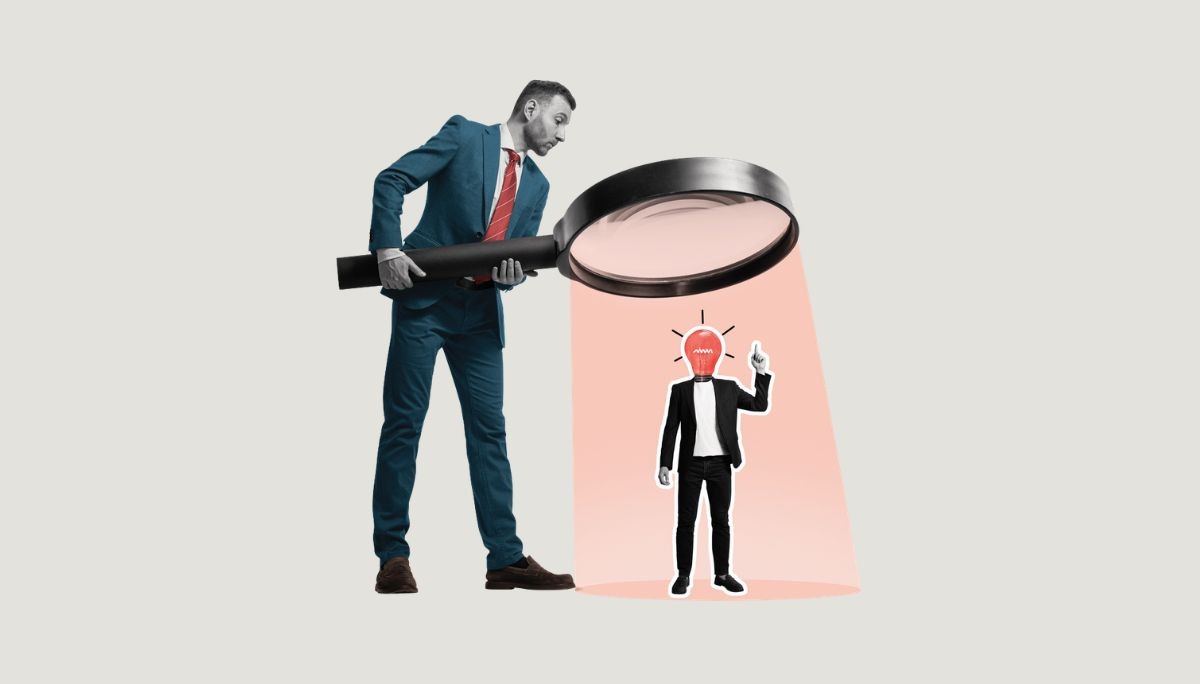
Technical hiring has a cheating problem. As AI tools make it easier to game automated screening and take-home tests, more companies are adding proctored assessments and proctored interviews to their pipelines: coding challenges, timed exams, live video, and more. The goal is simple: verify that the person they're evaluating is actually doing the work. This guide covers the common formats, rules, and how to show up ready.
Key Takeaways
Proctored assessments verify identity, monitor behavior, and reduce cheating in AI, ML, and infrastructure hiring.
Companies use online exams and proctored interviews to evaluate global candidates with more consistent rules.
Modern online proctoring often combines webcam recording, microphone audio, screen monitoring, browser lockdown, and AI flagging.
Senior candidates should prepare for both the technical content and the exam session environment.
Structured hiring works best when assessments support human judgment rather than replace it.
What Is a Proctored Assessment in AI and ML Hiring?
A proctored assessment is a supervised process used to evaluate candidates under controlled conditions. In technical hiring, it may be a coding test, ML theory exam, system design interview, or data science exercise monitored to verify the person taking the test and prevent dishonest practices.
Proctored exams play a crucial role in maintaining the integrity and credibility of assessments in both academic and professional settings. By incorporating proctoring tools into their assessment processes, institutions and companies can confidently ensure that their programs maintain quality, fairness, and trust. Proctoring helps prevent cheating, which is essential for maintaining academic integrity, especially as digital exams become more prevalent and online exams replace test centers.
This differs from an unsupervised take-home task. A proctored exam usually has a fixed schedule, strict time limits, locked browser controls, monitored access to materials, and a recording of the screen, webcam, and microphone. Academic policies may require students to follow similar rules, but hiring teams now use the same controls for professional recruitment.
How Do Proctored Exams and Interviews Work?
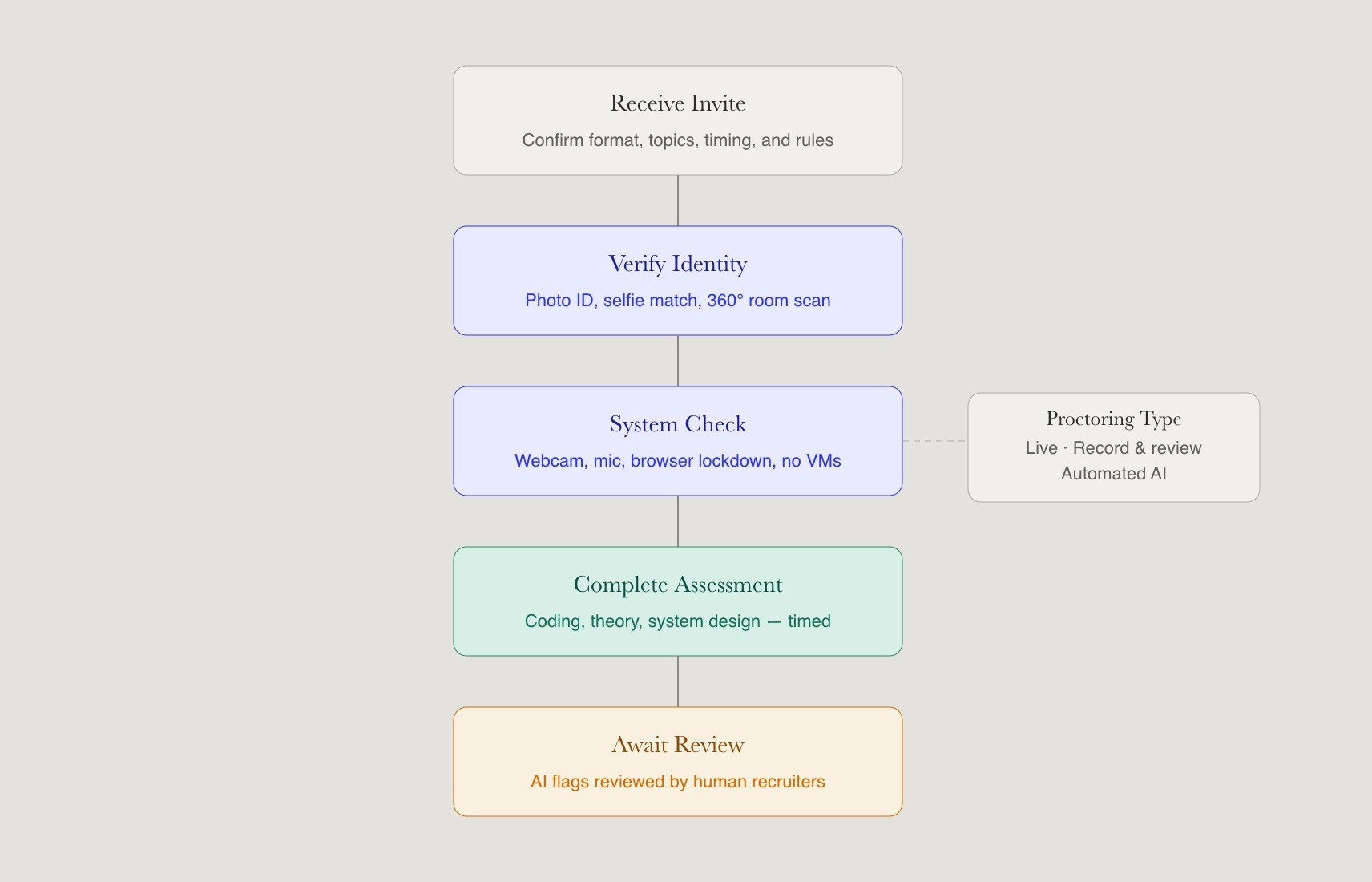
From a candidate’s perspective, the process is usually simple: receive the invite, verify identity, complete system checks, take the assessment, and wait for review. Before the exam begins, candidates may need to install proctoring software that checks system settings, webcam, microphone, and unauthorized applications to help maintain exam integrity.
During the assessment, proctoring tools may monitor desktop activity, audio, and video while recording the session. Many companies now integrate proctoring directly into coding platforms or technical assessment environments rather than using generic testing systems.
Live Proctoring vs Record & Review vs Automated AI Monitoring
Different organizations choose different online proctoring models based on risk, scale, cost savings, and candidate experience. There are four main types of proctoring for exams, which can be tailored to the needs of each institution or organization: on-site proctoring, live online proctoring, record & review proctoring, and automated AI monitoring.
Type | How it works | Typical use in AI hiring |
A human proctor watches in real time, checks behavior, and can intervene. | Regulated fintech or security-focused companies testing quant, ML, or infra engineers. | |
Record & Review | The exam session is recorded, then reviewed later by humans, often after AI flags. | Startups using monitored coding screens or ML take-home replacements. |
Software checks identity, browser behavior, face presence, gaze, audio, and anomalies. | High-volume early screens for coding, statistics, or ML fundamentals. |
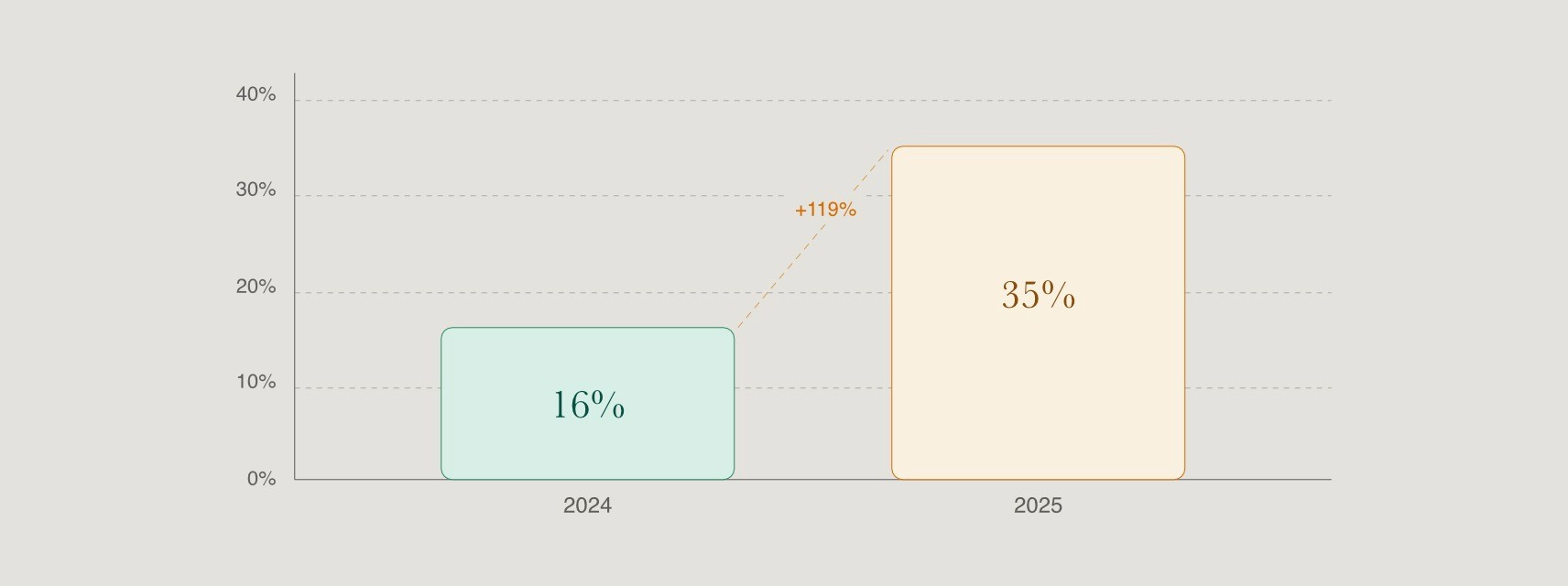
Online proctoring can be categorized into two types in many testing policies: live proctoring, where a supervisor oversees the exam in real time, and record & review proctoring, where the exam is recorded and reviewed later. In practice, many systems add automated AI checks to both models. CodeSignal reported that detected assessment fraud rose from about 16% in 2024 to 35% in 2025, which helps explain why employers are adding stronger integrity controls.
Identity Verification and Environment Checks
During identity verification, the candidate must show a valid photo ID to prove their identity. The system may compare the photo ID to a selfie, match the candidate's name, and continue monitoring the same person throughout the exam.
During environment scanning, the proctor asks the candidate to perform a 360-degree scan of the room using their webcam to ensure there are no unauthorized materials or distractions. The candidate may need to show the desk, walls, phone location, scratch paper, and external monitors. A proctor might be a live human or an interactive AI system that guides the candidate through several security steps.
Some online proctored exams require installation of a secure browser or local agent to block copy-paste, virtual machines, secondary screens, or unauthorized software. These checks are logged with timestamps. Repeated anomalies usually trigger review, not always immediate disqualification.
What Proctored Assessments Measure for AI, ML, and Infra Roles
Proctored exams create a controlled environment to measure knowledge and performance consistently across candidates. Common areas include algorithms and data structures, probability, statistics, ML theory, deep learning practice, data engineering, distributed systems, and architecture trade-offs. Some exams include multiple sections, such as timed multiple-choice questions, coding exercises, and short design prompts. Other tests applied reasoning around LLM evaluation, inference latency, model monitoring, and retrieval-augmented generation.
Common Formats of Online Proctored Exams
The most common formats are timed coding challenges, math and statistics quizzes, dataset case studies, and whiteboard-style system design tasks. Unit-tested code is often automatically scored, while design justifications and experiment plans are manually evaluated.
Multiple-choice sections help employers quickly screen foundational knowledge before deeper interviews. Some proctored exams also include responsible AI, model evaluation, and data governance questions because employers want candidates who can build secure systems under high standards.
Proctored Video Interviews for Technical Roles
Proctored video interviews are a type of virtual interview where candidates are monitored to ensure they follow the rules and do not engage in dishonest practices. These interviews often utilize AI technology for features such as facial recognition, audio monitoring, and behavior analysis to maintain the integrity of the interview process.
Proctored video interviews provide significant convenience and flexibility, allowing candidates to complete interviews from any location with internet access, including their own home, thus removing geographical constraints. The use of proctored video interviews can lead to cost and time efficiency by eliminating the need for travel and venue costs associated with traditional interviews.
These interviews enhance security by tracking candidates’ movements and preventing unauthorized assistance, which is particularly valuable in industries requiring high standards. Still, final hiring decisions should rest with humans who review the interview, technical reasoning, and any integrity signals in context.
Privacy, Fairness, and Limitations of Proctored Exams
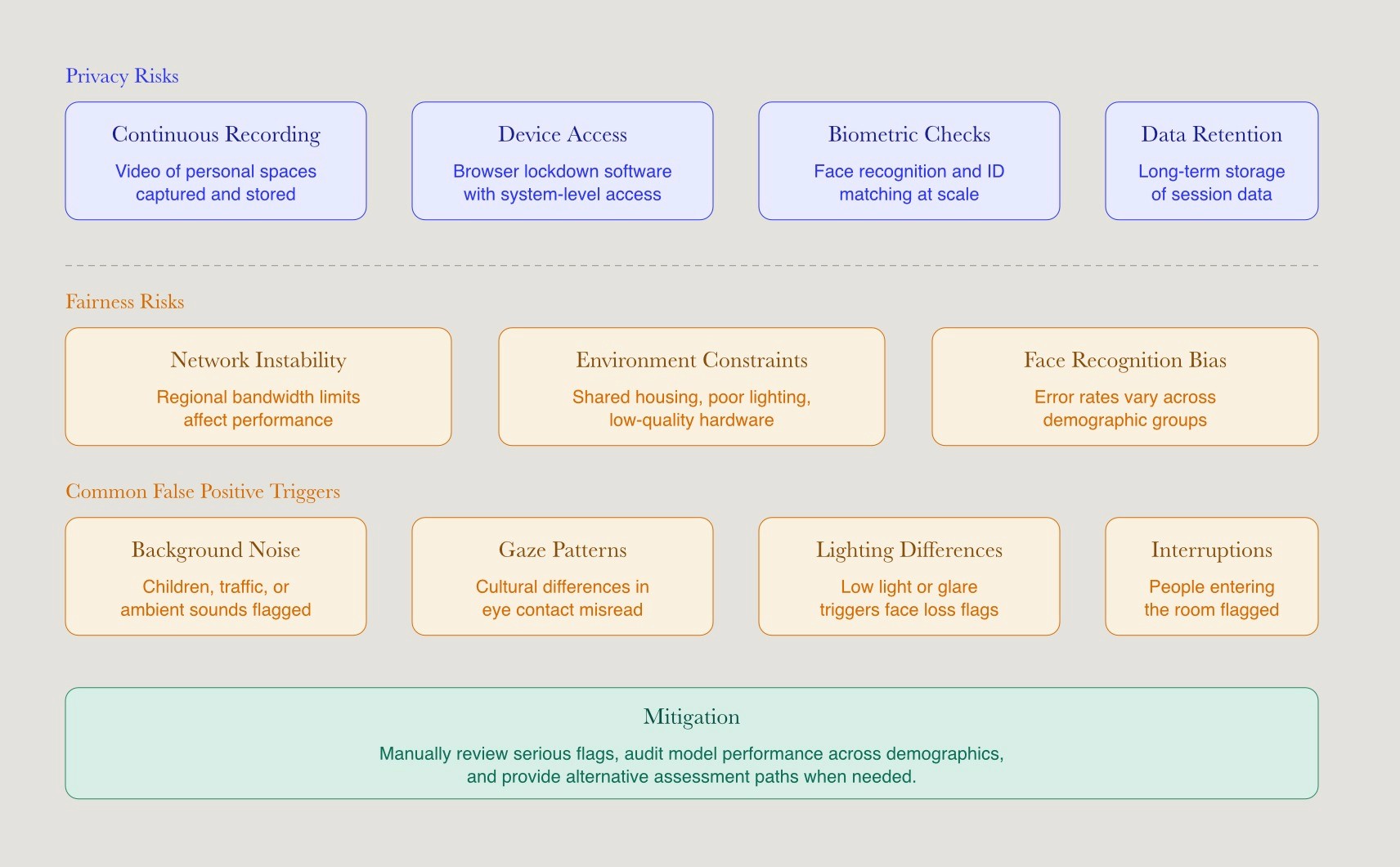
Online proctored exams raise legitimate concerns about privacy, bias, and candidate experience. Continuous video recording in personal spaces, device access, biometric checks, and long-term storage of behavioral data deserve scrutiny.
Serious providers should align with GDPR, CCPA, and similar regulations through data minimization, retention limits, and access controls. Candidates should ask what is recorded, who can access it, how long it is stored, and whether deletion requests are supported.
Fairness concerns are also real. Network instability, shared housing, poor lighting, low-quality hardware, and regional bandwidth limits can affect performance. Face recognition systems can also vary in error rates across demographic groups, a concern documented in research summaries of NIST face recognition testing.
Reducing Bias and False Positives in Online Proctoring
False positives can come from background noise, a child entering the room, lighting differences, cultural differences in eye contact, or a candidate looking away while thinking. Hiring teams should manually review serious flags, audit model performance across demographics, and provide alternative assessment paths when needed.
Candidates can reduce misinterpretation by preparing their environment, explaining unavoidable constraints before the exam begins, and logging major disruptions. Understanding what to expect before a test can help reduce testing anxiety, which is why many platforms offer practice tests.
How Senior AI and ML Candidates Can Prepare for Proctored Assessments
Start with clarity. Confirm the format, timing, topics, allowed libraries, break policy, retake policy, and whether the assessment includes a proctor interview before the exam. Read the instructions carefully enough to acknowledge that you understand the rules before the session starts.
Set up a stable internet connection, preferably wired, with a quiet room, neutral background, good lighting, and a charger connected. Test the computer, webcam, microphone, browser, and any secure software 24 to 48 hours ahead. Close background apps, especially communication tools, cloud sync, screen capture utilities, and anything that might trigger security alerts.
For technical preparation, refresh complexity analysis, core ML algorithms, optimization, evaluation metrics, distributed systems, and LLM infrastructure patterns. Practice timed sessions without internet search, chat tools, or IDE autocompletion if the real exam restricts those resources.
Checklist for Day-Of Exam Readiness
Reboot your computer.
Close background apps and disable notifications.
Keep government ID ready.
Test the camera, audio, and microphone.
Recheck allowed materials, scratch paper, breaks, and libraries.
Keep the charger connected.
Remove phones, notebooks, and secondary devices.
Prepare a backup connection, such as a hotspot.
Know how to contact support if technical issues happen.
Pace the test, move forward when stuck, and leave comments in code or design answers.
Close all unrelated browser tabs before the session begins to avoid proctoring flags from visible third-party interfaces.
Communicating With Recruiters About Proctored Tests
Senior candidates can and should ask what skills are evaluated, how scores are interpreted, and how integrity flags are reviewed. If you are on call, traveling, or using accessibility tools, ask early about rescheduling or accommodations. Strong virtual meeting etiquette also matters during proctored interviews and assessments, including joining on time, testing your audio and camera beforehand, minimizing distractions, and maintaining clear communication throughout the session.
If you use a curated marketplace such as Fonzi to connect with AI startups and technical employers, ask whether one validated assessment can be reused across multiple companies. That can reduce repeated exams while preserving human review in the recruitment process.
Summary
Proctored assessments have become a standard part of AI, ML, and engineering hiring because they help companies evaluate candidates fairly and consistently across remote and global hiring pipelines. These assessments can include coding challenges, technical exams, browser-based IDE tests, and monitored video interviews using live proctors or automated software. By combining webcam monitoring, screen recording, browser controls, and identity verification, employers can reduce fraud and better measure real technical ability in an era of AI-assisted applications and large-scale hiring.
FAQ
Can I use local documentation or man pages during a proctored coding test?
How much weight do companies place on a single proctored exam result?
What happens if my internet connection drops during an online proctored exam?
Are proctored assessments different for research-oriented roles compared to engineering roles?
Can companies see everything I do on my computer during a proctored assessment?