Questionnaire vs Interview: Differences & Which to Use for Research
By
Liz Fujiwara
•
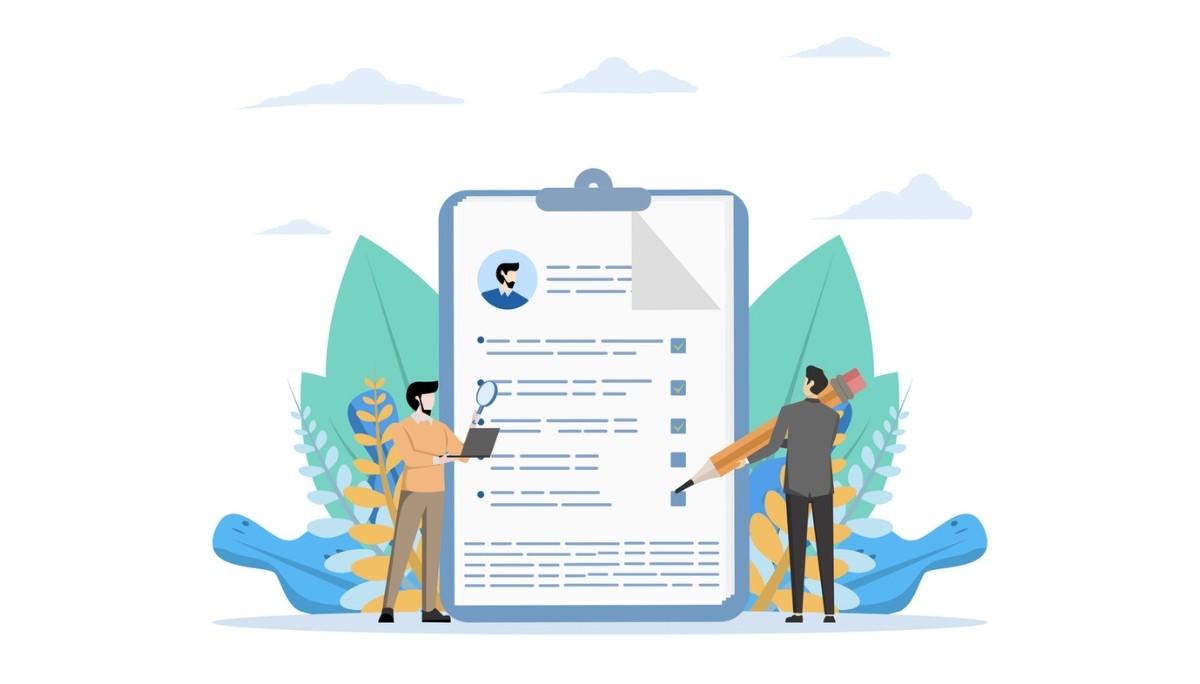
Modern technical hiring increasingly relies on a combination of questionnaires and interviews to evaluate candidates efficiently and fairly. Questionnaires help companies screen large pools of applicants using standardized criteria, while interviews allow hiring teams to explore deeper dimensions like problem-solving approach, communication style, and cultural fit.
For AI engineers and technical professionals, understanding how these two methods work together is essential. Today’s hiring processes often blend AI-assisted questionnaires with structured, human-centered interviews, meaning candidates must be prepared to demonstrate both technical accuracy and interpersonal effectiveness. Platforms like Fonzi reflect this shift by using data from questionnaires and interviews to create clearer alignment between candidates and roles, helping both sides move beyond guesswork toward more informed, intentional hiring decisions.
Key Takeaways
Standardized questionnaires support scalable early screening, while interviews enable deeper, personalized evaluation later in the hiring process.
Modern AI hiring blends automated questionnaires with human-centered interviews, with platforms like Fonzi supporting skill presentation across both stages.
Effective preparation differs by format: accuracy and completeness for questionnaires, clear communication and problem-solving for interviews.
Understanding the Modern Hiring Landscape for AI Engineers
The hiring landscape for artificial intelligence engineers has transformed dramatically over the past decade. Where traditional recruitment once relied heavily on resume screening and unstructured conversations, today’s competitive market demands more sophisticated data collection methods that can accurately assess both technical competency and cultural fit.
Modern tech companies face unique challenges when hiring AI talent. The rapid evolution of machine learning frameworks, the shortage of experienced practitioners, and the need to evaluate complex problem-solving abilities have pushed recruiters beyond conventional approaches. As a result, companies now use a strategic combination of questionnaires and interviews to build more comprehensive candidate profiles.
This evolution reflects broader trends in survey research and qualitative research methodologies. Just as researchers understand that different data collection methods produce different types of insights, hiring teams recognize that questionnaires and interviews serve complementary purposes in identifying top AI engineering talent.
Fonzi addresses these modern hiring challenges through platform solutions that support both questionnaire design and interview experiences. By using artificial intelligence to improve how candidate information is collected and evaluated, Fonzi helps companies make more informed decisions while enabling candidates to demonstrate their capabilities across both assessment formats.
What Are Questionnaires in Hiring Context
In hiring contexts, questionnaires represent structured assessment tools designed to gather standardized information from candidates in a written format. Unlike informal application questions, hiring questionnaires are systematic instruments that collect specific data about technical skills, experience levels, work preferences, and behavioral tendencies.
Modern AI company questionnaires typically include several key components:
Technical skill assessments evaluate proficiency with programming languages like Python, R, and JavaScript, along with familiarity with machine learning frameworks such as TensorFlow, PyTorch, and Scikit-learn. These closed-ended questions allow recruiters to quickly compare technical capabilities across large candidate pools.
Behavioral questionnaires use standardized questions to assess soft skills, leadership potential, and cultural alignment. Rather than relying on subjective impressions, these tools provide quantitative data about communication styles, collaboration preferences, and problem-solving approaches.
Coding challenges presented in questionnaire format test algorithmic thinking and programming competency. Candidates complete these assessments at their own convenience, providing insights into coding practices and technical reasoning.
The primary benefits of questionnaires include standardization across all candidates, scalability for large hiring volumes, and objective comparison capabilities. When well designed, questionnaires reduce early screening bias by focusing evaluation on relevant skills and qualifications rather than subjective impressions.
However, questionnaires alone cannot capture the full picture of a candidate’s potential. While they excel at measuring specific technical knowledge and gathering standardized preference data, questionnaires struggle to assess creativity, leadership dynamics, and complex problem-solving communication that are especially important for senior AI engineering roles.
What Are Interviews in the Recruitment Process
Interviews represent interactive evaluation sessions where hiring teams engage directly with candidates to assess capabilities that questionnaires cannot capture. In AI engineering recruitment, interviews serve as the primary method for evaluating thought processes, communication skills, and real-time problem-solving abilities.
Different interview types serve specific evaluation purposes in technical hiring:
Technical interviews involve live coding sessions, algorithm discussions, and system design conversations. These interviews allow candidates to demonstrate their reasoning process while tackling complex problems, revealing how they approach uncertainty and communicate technical concepts.
Behavioral interviews use structured questioning to explore past experiences, decision-making processes, and interpersonal skills. For AI engineers, these sessions often focus on scenarios involving model failures, ethical considerations, and cross-functional collaboration challenges.
System design interviews evaluate architectural thinking and scalability considerations. Candidates discuss how they would build production AI systems, manage data pipelines, and ensure model reliability at scale.
The strength of interviews lies in their ability to provide deeper insight into candidate potential beyond what standardized questionnaires reveal. Through direct interaction, interviewers can assess communication clarity, adaptability under pressure, and alignment with existing team dynamics.
Interviews also enable real-time clarification and follow-up questions that explore responses in more depth. When candidates describe innovative approaches or unique experiences, interviewers can probe further to gain a more complete understanding of their capabilities and potential contributions.
However, interviews require significant time and resources and can introduce bias risks. Unstructured interviews, in particular, can suffer from inconsistency, where candidates receive different questions or evaluation standards, potentially affecting fairness and predictive accuracy.
Key Differences Between Questionnaires and Interviews

Understanding when to use questionnaires versus interviews requires recognizing their fundamental methodological differences. These data collection methods serve distinct purposes in hiring pipelines, each offering unique advantages for specific evaluation goals.
Aspect | Questionnaires | Interviews |
Administration | Self-administered, asynchronous | Interviewer-administered, real-time |
Data Type | Primarily structured, quantitative data | Primarily qualitative, nuanced responses |
Scalability | Highly scalable, low cost per candidate | Resource intensive, high cost per candidate |
Standardization | Identical questions for all candidates | Variable questions, flexible probing |
Depth | Broad coverage, surface-level insights | Narrow focus, in depth information |
Bias Potential | Reduced interviewer bias, measurement bias possible | Higher interviewer bias risk, social desirability effects |
Response Quality | Anonymous honesty, potential for incomplete responses | Personal interaction encourages elaboration |
Analysis | Statistical analysis, pattern recognition | Qualitative coding, subjective interpretation |
The decision between questionnaires and interviews depends on specific hiring objectives, company resources, and role requirements. Understanding when each method delivers the most value helps optimize recruitment efficiency while ensuring thorough candidate evaluation.
Questionnaires Best For
Questionnaires work especially well for initial candidate screening, particularly with large applicant pools for entry-level and mid-level AI engineering positions. Their standardized format enables fast identification of candidates who meet minimum technical requirements and align with role specifications.
Technical screening scenarios benefit significantly from questionnaire-based approaches. When evaluating proficiency with specific programming languages, frameworks, or cloud platforms, structured questions provide clear, comparable data across candidates. This is especially useful for roles requiring defined tool expertise, such as TensorFlow for computer vision projects or AWS for MLOps positions.
Large-scale recruitment efforts at growing tech companies often rely on questionnaires to manage volume while maintaining evaluation quality. The ability to assess hundreds of candidates simultaneously for technical skills, work authorization, salary expectations, and location preferences makes questionnaires essential for scaling hiring operations.
Remote hiring processes also benefit from questionnaire efficiency. With candidates distributed across time zones, asynchronous completion offers flexibility while preserving consistent evaluation standards and reducing scheduling complexity.
Interviews Best For
Senior AI architect and team lead roles require the depth of assessment that interviews provide. These positions demand evaluation of leadership ability, strategic thinking, and communication skills that questionnaires cannot fully capture. Interviews allow deeper exploration of how candidates handle complex decisions, manage teams, and influence AI strategy.
Roles requiring strong collaboration and communication also benefit from interviews. AI engineers frequently work with non-technical stakeholders, and interviews reveal how candidates explain complex ideas, handle disagreement, and build consensus around technical decisions.
Startup environments, where cultural fit is critical, rely heavily on interviews. The fast-paced and ambiguous nature of startup AI work requires adaptability, ownership, and comfort with uncertainty, which emerge most clearly through conversational formats exploring real experiences and motivations.
Complex technical roles that require nuanced problem-solving are best assessed through live interviews. System design discussions, architectural trade-off conversations, and real-time debugging provide insight into candidate thought processes that written assessments cannot replicate.
How Fonzi Uses AI to Optimize Both Methods
Fonzi’s AI-powered platform improves technical hiring by bringing structure, consistency, and transparency to both questionnaires and interviews. Rather than replacing human judgment, Fonzi supports recruiters and candidates with clearer evaluation frameworks and better-aligned matching, helping reduce noise and bias in early-stage hiring decisions.
At its core, Fonzi focuses on skills-first hiring. The platform uses structured data from candidate profiles, role requirements, and interview outcomes to improve how candidates are evaluated and matched, while keeping final decisions firmly in human hands. This approach helps hiring teams spend less time on misaligned interviews and more time on meaningful technical conversations.
AI-Enhanced Questionnaires
Fonzi helps companies design more effective hiring questionnaires by emphasizing role-relevant skills and consistent evaluation criteria. Questionnaires are structured to surface practical experience, technical depth, and role alignment early in the process, reducing reliance on resumes or brand-name signals.
Structured skill mapping allows questionnaires to reflect different AI specializations. For example, candidates with experience in computer vision, natural language processing, or MLOps can be evaluated against criteria relevant to their background, rather than through one-size-fits-all technical screening.
Fonzi also supports bias reduction by encouraging standardized, job-related questions and consistent scoring frameworks. By keeping early screening focused on skills, experience, and preferences, the platform helps reduce subjective filtering that often disadvantages qualified candidates.
Questionnaire insights are used to inform later interview stages, helping recruiters understand where deeper discussion or clarification may be useful, rather than acting as a final judgment on candidate capability.
Interview Intelligence Features
Fonzi improves interviews through structure and preparation rather than real-time analysis. Recruiters receive guidance on interview focus areas based on the role and the candidate’s background, helping ensure interviews consistently assess the same core competencies across candidates.
Interview frameworks emphasize competency-based evaluation, such as problem-solving ability, collaboration, and applied technical judgment. This helps reduce unstructured conversations that vary widely between interviewers and can introduce inconsistency or bias.
For candidates, Fonzi helps clarify expectations around interview format and evaluation criteria, reducing ambiguity and improving preparation. This leads to more productive conversations that focus on real skills and experience rather than guesswork about what interviewers want.
By combining structured questionnaires with well-defined interview processes, Fonzi supports hiring teams in making clearer, fairer decisions while preserving the human judgment and context essential to technical hiring.
Understanding Fonzi’s Match Day Technology
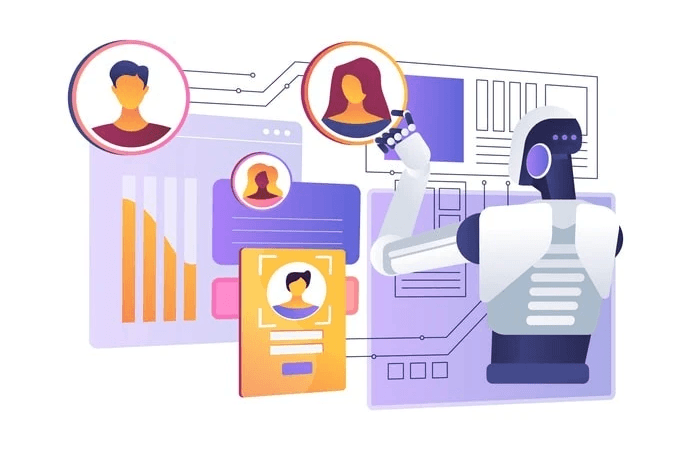
Match Day is Fonzi’s signature approach to technical hiring, designed to streamline how AI engineers and companies connect through a structured, time-bound hiring process. Rather than replacing interviews or decision-making, Match Day organizes qualified candidates and aligned companies into a focused hiring window that reduces delays, improves signal quality, and minimizes the friction common in traditional recruiting.
The Match Day model was created in response to a common hiring problem: strong candidates and companies often miss each other due to long, fragmented interview timelines. By coordinating evaluation and decision-making within a defined period, Fonzi helps both sides move faster without sacrificing rigor or fairness.
The Matching Process
Match Day begins with candidates completing structured questionnaires that capture technical skills, project experience, role preferences, and career goals. These questionnaires are designed to surface practical, job-relevant information rather than act as pass–fail tests, helping ensure candidates are evaluated on what actually matters for the role.
Fonzi uses this information to create standardized candidate profiles that highlight skills, experience areas, and role alignment. These profiles help companies quickly understand a candidate’s background and focus interviews on meaningful discussion rather than basic qualification checks.
Based on role requirements and candidate preferences, Fonzi facilitates introductions between candidates and companies that show clear alignment. Match Day does not randomly pair participants or automate hiring decisions; instead, it narrows the field to high-intent, high-fit conversations so interview time is used more effectively.
A key benefit of Match Day is timeline coordination. Companies participating in Match Day commit to timely interviews and decisions, allowing candidates to explore multiple aligned opportunities within the same window rather than navigating drawn-out, sequential processes.
Match Day has supported candidates at different career stages, from early-career AI engineers seeking their first applied role to senior practitioners exploring positions where their experience with production systems, research, or team leadership is most relevant. In each case, the value comes from clarity and alignment, not automation.
Practical Tips for AI Engineers
Success in modern AI hiring requires strategic preparation for both questionnaire assessments and interview experiences. Understanding how these different evaluation methods work enables candidates to showcase their capabilities effectively while positioning themselves for opportunities that align with their career goals.
Questionnaire Success Strategies
Thorough preparation on fundamental AI concepts and algorithms forms the foundation for questionnaire success. Review core machine learning principles, optimization techniques, probability theory, and linear algebra concepts that frequently appear in technical assessments. Focus on understanding underlying mathematical principles rather than memorizing formulas.
Practice with coding challenges on platforms like LeetCode, HackerRank, and CodeSignal helps develop the precise programming skills that questionnaire assessments evaluate. Pay particular attention to algorithm efficiency, code readability, and edge case handling, since these factors often distinguish strong candidates in automated scoring systems.
Honest self-assessment of skills proves crucial for accurate matching with appropriate opportunities. Overinflating technical capabilities in questionnaires often leads to interview challenges that reveal knowledge gaps, potentially damaging your credibility with specific companies. Instead, provide accurate skill ratings that reflect your genuine experience levels.
Attention to detail in written responses and code submissions makes a significant difference in questionnaire outcomes. Many candidates lose points due to careless errors, incomplete explanations, or failure to follow specific instructions rather than fundamental knowledge gaps.
When completing open-ended responses in questionnaires, focus on providing specific examples that demonstrate impact, scale, and technical depth. Instead of writing “I have experience with deep learning,” describe the specific architectures you’ve implemented, datasets you’ve worked with, and performance improvements you’ve achieved.
Interview Excellence Tips
Developing clear communication of technical concepts to non-technical audiences represents a crucial skill for AI engineering interviews. Practice explaining complex algorithms, model architectures, and system design decisions using analogies and examples that business stakeholders can understand.
Prepare real-world examples of AI project implementations that demonstrate your problem-solving process from initial problem definition through deployment and monitoring. Structure these examples to highlight how you handled uncertainty, adapted to changing requirements, and measured success.
System design questions for scalable AI solutions require preparation beyond coding algorithms. Study distributed computing concepts, data pipeline architectures, model serving strategies, and production monitoring approaches. Understand trade-offs between different architectural choices and when to apply specific solutions.
Collaborative problem-solving during technical discussions often matters more than arriving at perfect solutions. Practice thinking aloud, asking clarifying questions, and incorporating feedback into your approach. Interviewers want to understand how you would work with their existing teams.
Research the specific company’s AI applications, technical challenges, and engineering culture before interviews. Prepare thoughtful questions about model development processes, experiment management tools, and team collaboration practices that demonstrate genuine interest in contributing to their specific environment.
Conclusion
Modern AI hiring rewards candidates who understand how to navigate both questionnaires and interviews with intention and precision. Questionnaires allow you to demonstrate technical accuracy and breadth at scale, while interviews give you the opportunity to show how you think, communicate, and collaborate in real-world settings.
By preparing strategically for both formats, you position yourself as a well-rounded AI engineer who can deliver strong technical results and work effectively with teams. Candidates who balance honest self-assessment, clear communication, and thoughtful preparation are best equipped to stand out in competitive hiring processes and secure roles that truly align with their skills and career goals.
FAQ
Should I prepare differently for AI questionnaires versus technical interviews?
How does Fonzi’s AI technology improve the traditional hiring process?
Can questionnaires accurately assess my potential as an AI engineer?
What happens during Fonzi’s Match Day for AI engineers?
How do I showcase my AI expertise effectively in both questionnaires and interviews?