
Staying on top of staffing industry trends isn’t just helpful, it’s essential if you want to stay competitive. From the rise of remote work to the growing role of data in decision-making, the way agencies recruit is changing fast. One of the biggest shifts? AI-powered hiring tools like Fonzi, which help teams screen resumes, spot red flags, and surface top candidates faster than ever. In this article, we break down the trends shaping the future of recruitment and how you can use them to your advantage.
Key Takeaways
The integration of AI and automation in recruitment enhances efficiency and reduces biases, but must be balanced with human interaction to ensure an optimal candidate experience.
The shift towards remote and hybrid work models necessitates staffing agencies to offer flexible arrangements to attract and retain top talent, alongside the importance of technology in facilitating remote assessments.
Data-driven decision-making is crucial for recruitment strategies, as it enables staffing agencies to optimize their processes and improve candidate sourcing, thereby enhancing overall effectiveness.
AI and Automation in Recruitment

Artificial intelligence (AI) and automation have revolutionized the staffing industry, significantly enhancing the efficiency and effectiveness of recruitment processes. With tools like Fonzi, staffing agencies can automate key recruiting workflows such as interviewing, resume evaluation, and candidate sourcing, thereby accelerating the hiring process and improving candidate quality.
AI tools are particularly beneficial in sectors with high application volumes, where they can screen candidates quickly, reducing the administrative burden on recruiters and allowing them to focus on more critical tasks.
One of the most notable advantages of AI in recruitment is its ability to reduce biases, ensuring a fairer evaluation process by focusing on candidates’ skills and qualifications rather than demographic information. However, while AI enhances recruitment efficiency, it is essential to balance automation with human interaction to ensure a positive candidate experience. Recruitment firms must carefully consider their investment in AI tools, especially smaller companies with infrequent hiring needs, to ensure they reap the maximum benefits.
AI in recruitment also focuses on relationship building and candidate engagement. As AI takes over more operational tasks, recruiters can dedicate more time to building meaningful relationships with candidates, enhancing talent attraction and retention.
The integration of AI in recruitment practices is a clear indicator of the ongoing transformation in the staffing industry, setting the stage for future growth and innovation.
Remote and Hybrid Work Models
The landscape of work has undergone a seismic shift in recent years, with remote and hybrid work models becoming the new standard. The COVID-19 pandemic accelerated the demand for flexible work arrangements, leading to a significant increase in remote and hybrid job postings. In 2024, new hybrid job postings rose to 23%, and fully remote postings increased to 15%. This shift reflects a growing acceptance of remote work and a recognition of its benefits for both employees and employers.
However, the transition to remote and hybrid work models is not without its challenges. Many companies, including our company, are planning to enforce return-to-office policies for employees who prefer to work full time by the end of 2025, which may conflict with the preferences of employees who have grown accustomed to the flexibility of remote work and a hybrid approach since the previous year.
To attract and retain top talent, staffing agencies need to offer flexible work arrangements. Remote interviewing tools have become essential, allowing recruiters to conduct assessments from various locations and meet the evolving expectations of potential candidates.
Data-Driven Decision Making
Data and analytics are now indispensable for strategic decision-making in the staffing industry. Recruitment agencies can use data to gain insights into candidate sourcing, optimize resources, and refine recruitment strategies to meet business goals. Data analytics identifies effective candidate sources, improves assessment accuracy, and reduces biases in the selection process.
Moreover, data-driven decision-making streamlines the hiring process, significantly reducing the time consuming required to fill positions. Measuring recruitment effectiveness with data allows organizations to continuously refine their strategies and stay competitive.
Integrating data analytics into recruitment practices showcases technology’s transformative power, enabling more informed and effective decisions.
Emphasis on Candidate Experience
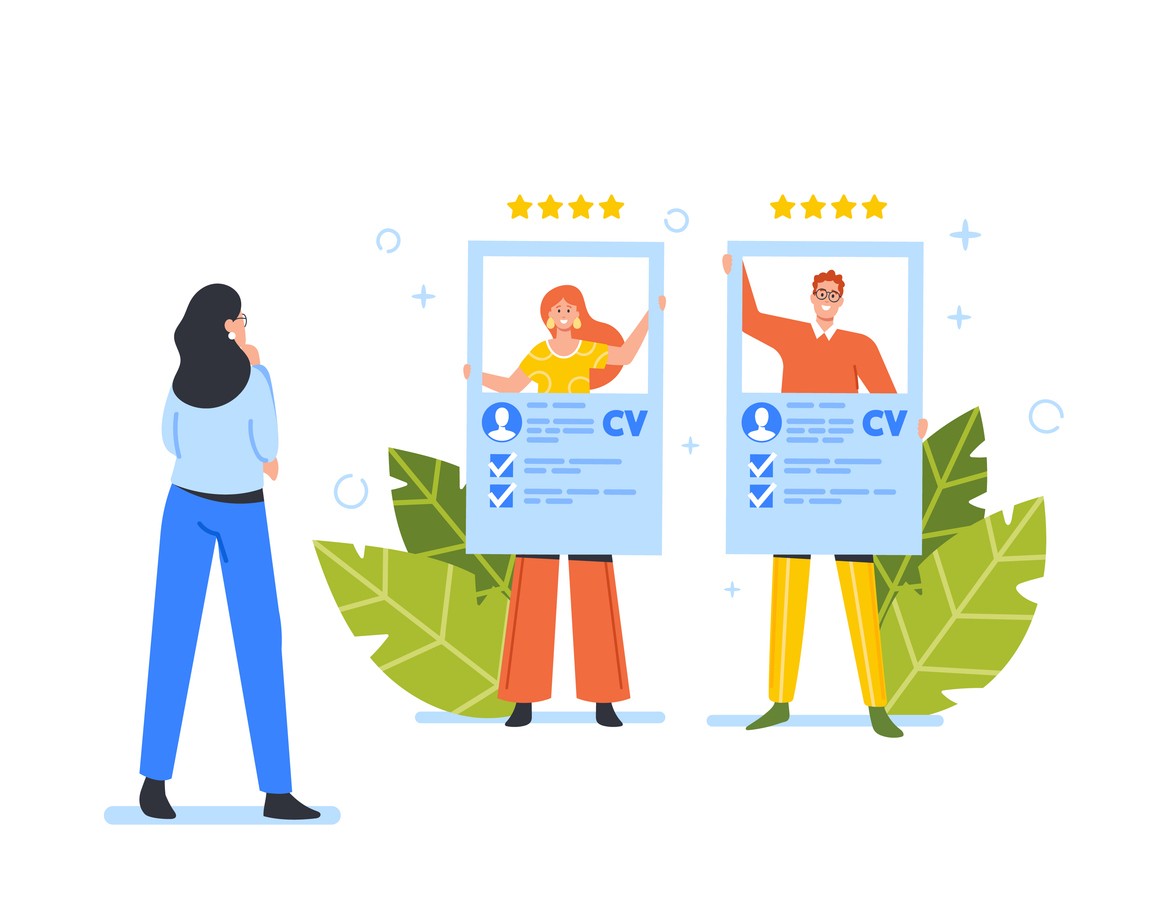
Candidate experience has become a critical focus for staffing agencies, with over 90% of industry professionals viewing it as essential for attracting top talent. In a competitive job market, organizations that neglect candidate experience risk alienating potential candidates, making it harder to fill open positions. Timely and clear communication is crucial for candidates to feel valued throughout the hiring process, and many companies are now using structured feedback systems to provide immediate updates.
Balancing automation with personal interactions is a significant challenge, especially for organizations managing high volumes of applications. Technology can enhance candidate engagement, but it is essential to prioritize human interactions to ensure a positive experience. Data analytics also plays a role in personalizing the recruitment experience, making interactions more relevant to candidates and enhancing their engagement.
Additionally, providing educational resources to applicants who are not selected can turn a negative experience into a positive one, fostering goodwill and encouraging candidates to reapply in the future. The introduction of virtual reality in recruitment is another innovative approach, creating interactive experiences for candidates and further enhancing their overall experience.
The emphasis on candidate experience reflects a broader trend in the staffing industry towards more empathetic and engaging recruitment practices.
Skills-Based Hiring
The shift towards skills-based hiring is transforming the staffing industry, moving away from traditional degree requirements and focusing on candidates’ skills and qualifications. Approximately 80% of employers are struggling to hire the right candidates, which has encouraged a focus on skills-based hiring processes to fill open jobs effectively. This approach has opened tens of thousands of job opportunities for Americans without a college degree, promoting greater diversity within workplaces.
Upskilling current employees is also gaining traction, allowing organizations to fill critical roles by developing their existing workforce. Data analysis is instrumental in recognizing and addressing biases in hiring practices, ensuring a fairer evaluation process and promoting diversity.
The evolution towards skills-based hiring is a significant key trend in the staffing industry, reflecting a more inclusive and effective approach to talent acquisition and the best talent.
Economic Uncertainties and Their Impact
Economic uncertainties and regulatory changes significantly shape the staffing industry’s landscape. Factors such as government policies, international transactions, and shifting client behaviors impact staffing strategies and require agencies to remain flexible and adaptable. Employers are expected to maintain steady hiring in 2025, although challenges will remain sector-specific, with key sectors like healthcare, government, and leisure and hospitality facing varying economic shifts.
Staffing agencies must demonstrate value to clients amidst rising costs of talent acquisition and skills shortages. The ability to adapt to economic challenges and maintain flexibility will be crucial for agencies to thrive in the current landscape.
Despite these uncertainties, recruitment firms remain optimistic about growth in the year ahead, driven by the need for skilled professionals and the ongoing evolution of the staffing industry, according to industry leaders and industry experts.
Technological Advancements in Staffing

Technological advancements are reshaping the staffing industry, with AI tools playing a pivotal role in addressing labor shortages and boosting productivity. AI technology is increasingly utilized to analyze large datasets, enhancing candidate evaluation and reducing manual screening time. Innovative platforms employing AI are recognized as significant opportunities for driving growth in staffing agencies, enabling them to streamline their recruitment processes and improve efficiency.
Blockchain technology is also set to enhance the staffing sector by providing secure verification methods for candidates’ qualifications. Applicant Tracking Systems (ATS) are among the most valued software solutions, vital for streamlining the recruitment process and reducing time on manual evaluations. The integration of AI and technology in recruitment practices leads to large-scale efficiency and innovation, setting the stage for future growth in the global staffing market.
Moreover, AI is being increasingly integrated into onboarding processes to personalize and engage new hires effectively. The continuous adoption of technological advancements in the staffing industry demonstrates the sector’s commitment to innovation and efficiency, ensuring agencies can meet the evolving needs of employers and job seekers.
Workforce Demographics and Expectations
Shifts in workforce demographics, particularly the rise of Generation Z, necessitate staffing agencies to adapt their offerings to align with modern values like flexibility and work-life balance. Generation Z, born between 1997 and 2012, emphasizes values such as diversity and work-life balance, influencing the expectations of job seekers and employees.
The ongoing growth of the gig economy has also led to a significant increase in occasional independent workers in the U.S., with 36.6 million by 2024, up from 15.8 million in 2020. Staffing firms are adapting by offering greater flexibility and diverse job opportunities in response to the preferences of modern workers, contributing to job gains.
The evolving workforce demographics and expectations reflect broader industry trends and staffing trends that staffing agencies must navigate to remain competitive.
The Role of Soft Skills
Employers are increasingly valuing qualities like communication, adaptability, and emotional intelligence over traditional credentials in recruitment. In remote work settings, self-motivation and effective digital communication have become essential soft skills for maintaining productivity.
Emphasizing soft skills marks a shift towards a holistic approach in talent acquisition within the staffing industry. By prioritizing these qualities, employers can build more dynamic and adaptable teams, better equipped to navigate the complexities of the modern workplace.
Tailoring Benefits to Attract Talent

Flexibility in workplace arrangements is increasingly prioritized, allowing organizations to attract a broader talent pool. In 2025, companies are prioritizing flexible work arrangements, allowing employees to customize their schedules and work locations.
Personalized benefits packages are becoming more common, enabling employees to choose options that best suit their individual needs. Support for caregivers, including expanded parental leave and childcare assistance, is now a crucial aspect of employee benefits.
Companies are also investing in upskilling their workforce in areas like leadership and emotional intelligence to enhance employee engagement and retention. The shift towards tailored benefits reflects the evolving expectations of employees and the need for organizations to remain competitive in the talent market.
The Importance of Employer Branding
The Future of Onboarding

FAQ
How is AI transforming the recruitment process in the staffing industry?
What impact has the rise of remote and hybrid work models had on the staffing industry?
Why is candidate experience so important in today's staffing industry?
What are the benefits of skills-based hiring for staffing agencies?
How can staffing agencies prepare for future growth in the industry?


