What Is Business Casual? Dress Code Examples for Work and Interviews
By
Ethan Fahey
•

Business casual is still one of the most misunderstood dress codes in professional environments. It sits somewhere between everyday casual wear and formal business attire, but the exact definition can vary depending on company culture, industry expectations, and even location. For recruiters and engineers navigating different workplaces, that ambiguity can make it harder to know what’s actually appropriate day to day. This guide breaks it down with clear examples of what to wear, how expectations differ across industries, and how to adapt to common workplace scenarios.
Key Takeaways
Business casual blends traditional office wear with relaxed pieces like dark jeans, knit sweaters, and minimalist sneakers, but exact rules largely depend on company, industry, and geographic location.
The dress code universally excludes hoodies, graphic tees, ripped jeans, shorts, athletic wear, and overly revealing clothing, even in relaxed offices.
Core pieces for men include button-down shirts, chinos, wool trousers, blazers, and leather shoes, while women can wear blouses, tailored trousers, knee-length dresses, and closed-toe shoes.
When in doubt, check your company handbook, observe what managers and colleagues wear, and slightly overdress for interviews or your first weeks at a new job.
What Is Business Casual?
Business casual is a modern office dress code that mixes professional pieces like dress shirts, blazers, and tailored pants with more relaxed items such as knits, dark jeans, and simple sneakers. The concept emerged from casual Fridays in the late 20th century, when companies began allowing jeans one day per week to boost morale. After 2020, hybrid and remote work normalized more flexible clothing standards, and surveys indicate that 70 to 80 percent of U.S. offices now adopt some form of flexible dress code.
The aim of business casual is to appear polished but not formal. This style suits client meetings, internal presentations, and everyday office work without requiring a full suit or tie. Typical business casual staples include button-up shirts, polo shirts, sweaters, chinos, non-distressed jeans, loafers, brogues, low-profile sneakers, blouses, knee-length dresses, and blazers. Many companies publish a dress code in employee handbooks or onboarding documents, and this should be your first reference point for understanding what is acceptable in your specific workplace.
Core Business Casual Pieces for Men
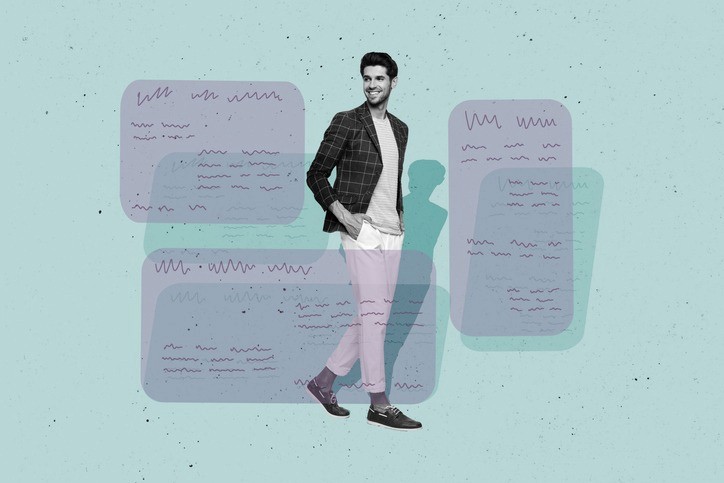
Building a functional business casual wardrobe for men starts with understanding which garments fit the style and which fall outside acceptable boundaries. We’ll quickly cover tops, bottoms, outerwear, and footwear that align with a business casual dress code.
For tops, long-sleeve button-down shirts and Oxford shirts form the foundation. A collared shirt in white, light blue, or subtle patterns works in nearly every business casual environment. Polo shirts are widely accepted, particularly in warmer months or relaxed industries. Fine-gauge sweaters, turtlenecks worn under blazers, and occasionally plain crew-neck t-shirts under jackets can work in very relaxed tech or creative offices. Avoid graphic tees or anything with logos or messaging.
For bottoms, chinos and wool trousers are reliable choices that work across most industries. Dark-wash straight or slim jeans without rips or distressing have become acceptable in many offices since around 2020. Light, faded, or baggy denim is usually too casual for business settings. Dress pants in navy, gray, or brown pair well with most tops and provide a more polished alternative to jeans.
Outerwear options include unstructured blazers, sport coats, cardigans, shirt jackets, and clean overcoats. A classic blazer or navy blazer becomes more business casual when paired with non-matching trousers rather than a matching suit. Layering adds visual interest while maintaining a professional impression.
For footwear, leather oxfords, derbies, loafers, Chelsea boots, and chukka boots are all appropriate. Minimalist leather or suede sneakers work in modern offices, particularly in tech and startups. Athletic running shoes, sandals, and flip-flops are typically not business casual.
Grooming and fit matter significantly. Clothes should be clean, pressed, and well-fitted. Neat hair and trimmed facial hair help you look well-groomed and professional even in relaxed outfits. Wrinkled or ill-fitting clothing undermines an otherwise appropriate outfit.

Core Business Casual Pieces for Women
The principles for women mirror those for men, with a focus on polished pieces that balance professionalism and comfort. The following paragraphs address tops, bottoms, dresses, skirts, outer layers, and footwear.
For tops, blouses, shells, knit tops, and button-down shirts serve as versatile foundations. Modest sleeveless tops work when worn with a blazer or cardigan. Fine-knit sweaters in neutral colors like navy, gray, beige, or white complement most business casual outfits. Avoid overly revealing necklines, sheer fabrics, or clothing that shows undergarments.
Bottoms include tailored trousers, ankle pants, chinos, and dark non-distressed jeans where company culture permits. Slacks in neutral or muted tones provide flexibility for pairing with various tops. Leggings should be treated as tights and only worn under longer tops or dresses in most offices.
Dresses and skirts offer additional options. Knee-length or midi sheaths, shirt dresses, A-line skirts, and pencil skirts around the knee are all appropriate for casual dress codes. Avoid overly body-con, sheer, or party styles. A skirt should generally fall no shorter than two inches above the knee to remain professional.
Outer layers follow similar guidelines to menswear. Blazers, cardigans, and structured jackets add polish and allow for layering throughout the day. A well-fitted jacket elevates even simple combinations of blouse and trousers.
Footwear options include closed-toe shoes like flats, loafers, low to mid heels, block heels, ankle boots, and minimalist sneakers, where the culture allows. Avoid flip-flops and very casual slides. Heels are not required, but dress shoes in leather or refined materials help maintain a professional look.
Accessories should remain simple. Choose understated jewelry, belts, and structured bags that complement the outfit without distracting. Neat makeup and nails contribute to an overall polished appearance suitable for a professional setting.
Business Casual by Industry and Company Culture
Business casual is not identical across all workplaces. Expectations differ markedly between finance, law, consulting, tech, startups, academia, and creative industries. Understanding these variations helps you avoid underdressing or overdressing for your specific context.
Conservative sectors like investment banking, corporate law, and large government agencies often lean toward the formal end of business casual. These environments typically expect collared shirts, pressed trousers, wool slacks, and classic leather shoes. Jeans may be entirely prohibited, and the overall impression should be polished and traditional.
Some of the best tech companies and startups often allow t-shirts, jeans, and sneakers as business casual attire, especially for product and engineering teams. However, client-facing roles may still require shirts, blouses, and smarter footwear. Creative industries permit more patterns and personal style, while academia and education tend to favor chinos, knits, and loafers.
Industry | Typical Tops | Typical Bottoms | Shoes |
Finance | Button-downs, Oxfords | Wool trousers, no jeans | Oxfords, loafers |
Law | Collared shirts | Slacks, dress pants | Closed-toe leather |
Tech | Polos, plain tees | Dark jeans, chinos | Sneakers, loafers |
Creative | Knits, patterned blouses | Chinos, trousers | Sneakers, boots |
Education | Sweaters, button-downs | Khakis, chinos | Flats, loafers |
Government | Dress shirts | Trousers, slacks | Leather shoes |
Geographic location also affects interpretation. Offices in San Francisco and US tech hubs wear jeans and sneakers year-round, while London and Berlin often favor tailored wool in cooler climates. Singapore adapts lighter fabrics for heat. Research your specific workplace by checking employee photos on LinkedIn, company social media posts, or asking HR directly.
Business Casual vs Other Dress Codes
Understanding where business casual sits relative to other dress codes helps you adjust your outfit for different situations.
Business formal demands a matching suit, dress shirt, and tie for men, and a tailored suit or conservative dress for women. This style is appropriate for high-stakes meetings, boardrooms, and many interviews in traditional fields like finance and law. If you are interviewing at a company where a full suit is expected, business casual will likely be too relaxed.
Smart casual is a social dress code that mixes polished and casual pieces. It is typically slightly less structured than business casual, with more room for trends, bolder styling, and personal expression. Think of smart casual as event-oriented rather than office-oriented.
Casual attire includes everyday non-workwear such as graphic t-shirts, hoodies, distressed jeans, shorts, and athletic sneakers. This style is usually not acceptable in offices that specify business casual. Even on the most relaxed style days, these items typically fall outside acceptable boundaries.
Semi-formal sits between business formal and black tie. This code is more common for evening receptions, ceremonies, or weddings than for daily office wear.
When a dress code is unclear, it is safer to choose business casual, leaning slightly formal. Adding a blazer, choosing leather shoes instead of sneakers, or opting for trousers over jeans helps you avoid making a poor first impression.
How to Dress in Business Casual for Real Situations
Navigating business casual becomes easier when you understand how to adapt for specific scenarios. The following paragraphs address common situations like starting a new job, attending an interview, presenting to clients, and handling casual Friday.
During your first weeks at a new company, start slightly more formal than you expect to need. Wear a pressed dress shirt and chinos or a blouse with tailored trousers. Observe what managers and peers wear, then adjust downward if appropriate. This approach shows respect and allows you to feel confident while you learn the office culture.
For a job interview at a company that states business casual, aim for the upper end of the spectrum. A pressed shirt, blazer, smart trousers, and leather shoes or refined flats demonstrate effort and professionalism. Even if the team wears jeans daily, showing up polished for an interview signals that you take the opportunity seriously.
Casual Fridays require a careful balance. Introduce one relaxed element at a time, such as dark jeans instead of chinos, while keeping the rest of your outfit smart. Avoid graphic prints, overly trendy pieces, or anything you would wear sandals with on a weekend. The goal is a relaxed style without abandoning professionalism entirely.
Seasonal adjustments help you stay comfortable year-round. Spring and summer call for lighter fabrics and colors like cotton, linen blends, and light neutrals. Fall and winter invite layering with knits, shirt jackets, and heavier textures like wool and flannel. A capsule wardrobe of 10 to 15 mix-and-match pieces in neutral colors like navy, gray, black, beige, and white makes assembling business casual outfits straightforward throughout the week or for job interview attire.
Conclusion
Focus on fit and tailoring first. Well-fitting clothes almost always look more polished than expensive pieces that don’t sit right. Keep everything clean and pressed, stick to neutral or muted base colors, and add a bit of personality through small details like a watch, belt, or simple jewelry. The goal isn’t to stand out loudly, it’s to look intentional and put-together.
At the same time, avoid wrinkled or stained clothing, overly tight or revealing pieces, and anything with loud logos or distracting graphics. Even in more relaxed offices, hoodies and athletic wear can undermine professional credibility. Comfort still matters, though; your outfit should allow you to move easily and stay comfortable all day. Business casual is all about consistency, neatness, and respecting the context you’re in.
FAQ
Are jeans considered business casual?
Can I wear sneakers in a business casual office?
Do I need to wear a tie with business casual?
Is it acceptable to use bright colors or bold patterns?
Can shorts ever be business casual?