Modern product development tech now spans everything from early-stage problem discovery to prototyping, testing, deployment, analytics, and continuous iteration. What used to be a slow, linear, human-driven workflow has become a fast, automated, AI-powered lifecycle. By 2026, AI-native tooling, coding co-pilots, automated test generation, design intelligence, and real-time product analytics will have shifted from being “nice to have” to the baseline for any competitive engineering organization. Cloud-native architectures, microservices, and edge computing have matured enough to seamlessly integrate with these AI capabilities, creating highly adaptive development ecosystems.
But even the most advanced tools only work as well as the teams behind them. The real bottleneck isn’t technology, it’s access to elite AI engineers who can architect and maintain these systems in secure, scalable, business-aligned ways. That’s exactly where Fonzi AI becomes invaluable. By using multi-agent intelligence to identify and vet top AI talent, Fonzi helps organizations build the engineering teams they need to fully leverage modern product development technologies and stay ahead in an increasingly AI-driven market.
Key Takeaways
Modern product development requires a sophisticated technology stack including AI/ML tools, cloud platforms, and agile frameworks to stay competitive in 2026
Cross-functional teams need specialized talent, particularly AI engineers, to leverage emerging technologies like machine learning and automation effectively
Cloud-native development, DevOps practices, and user-centric design technologies are essential for building scalable, market-ready products
Platforms like Fonzi are revolutionizing how companies hire elite AI engineers, providing access to top-tier talent that drives technological innovation in product development
The integration of emerging technologies such as generative AI, IoT, and advanced analytics is transforming traditional product development workflows
What is Fonzi and How It Transforms AI Talent Acquisition
Fonzi is the premier AI-powered platform that specializes in connecting companies with elite AI engineers and machine learning specialists. Unlike generic recruiting platforms that cast wide nets across all technical roles, Fonzi focuses exclusively on the most challenging and high-impact AI engineering positions that are essential for modern product development.

The platform uses advanced matching algorithms combined with deep human expertise to identify the perfect AI talent for specific product development needs. Fonzi’s approach goes beyond traditional keyword matching to understand the nuanced requirements of AI-first product development, including experience with large language models, MLOps pipelines, AI safety protocols, and production-scale machine learning systems.
Fonzi’s vetted network includes top AI engineers from leading tech companies, research institutions, and innovative startups worldwide. Each candidate undergoes rigorous technical assessment including algorithm design challenges, model optimization tasks, real-world problem-solving scenarios, and cultural fit evaluations. The platform maintains relationships with engineers who have built production AI systems at companies like Google, OpenAI, Meta, and cutting-edge AI startups.
The transformation Fonzi brings to AI talent acquisition is profound. Traditional hiring cycles for AI engineers can extend six months or longer, during which competitors gain significant advantages. Fonzi reduces this timeline to 2-3 weeks by maintaining a ready pool of pre-qualified candidates. Companies save months of recruitment time while accessing talent that would be impossible to find through traditional hiring methods or job boards.
Core Technology Stack for Modern Product Development
The foundation of successful product development in 2026 rests on a sophisticated technology stack that seamlessly integrates cloud platforms, development tools, and AI capabilities. Cloud platforms including Amazon Web Services, Microsoft Azure, and Google Cloud provide the scalable infrastructure necessary for development, testing, and deployment at global scale. These platforms offer specialized services for machine learning, data analytics, and edge computing that are essential for modern product development.
AI and ML frameworks form the intelligent layer of the stack. TensorFlow, PyTorch, and Hugging Face Transformers enable teams to build custom models, while specialized tools for natural language processing, computer vision, and recommendation systems power product features that users expect in 2026. The integration of large language models and generative AI capabilities is becoming standard across product categories.
DevOps toolchains featuring continuous integration and continuous deployment pipelines, containerization with Docker and Kubernetes, and infrastructure as code practices enable rapid iteration and reliable releases. These tools support the agile development methodologies that allow engineering teams to respond quickly to market feedback and user needs.
Collaboration platforms integrate design tools like Figma and Adobe XD with project management systems including Jira and Asana, creating seamless workflows from initial concept development through product launch. Real-time communication systems and shared documentation platforms ensure cross functional teams can collaborate effectively across global distributed environments.
Version control systems like Git, integrated with cloud-based repositories, provide the backbone for code collaboration and release management. These systems increasingly integrate AI-powered code review tools and automated testing frameworks that catch issues before they reach production.
Artificial Intelligence and Machine Learning Technologies
Generative AI tools including GPT-4, Claude, and custom language models are revolutionizing content creation, user experience design, and even code generation within the product development cycle. These technologies enable rapid prototyping of user interfaces, generation of test data, automated documentation, and intelligent customer support systems that enhance product value.
Computer vision technologies enable advanced product features across industries from healthcare applications that analyze medical images to autonomous vehicle systems that interpret road conditions. Product development teams leverage pre-trained models and custom vision systems to build innovative features that would have required years of specialized research just a few years ago.
Predictive analytics and recommendation systems enhance user engagement and product personalization by analyzing user behavior patterns, predicting customer needs, and optimizing product experiences in real-time. These systems rely on sophisticated machine learning pipelines that process massive datasets to deliver valuable insights to users.
MLOps platforms streamline the deployment and monitoring of machine learning models in production environments. Tools like MLflow, Kubeflow, and custom MLOps solutions ensure that AI models remain accurate, performant, and aligned with business objectives throughout their lifecycle. This infrastructure is critical for maintaining the reliability and effectiveness of AI-powered product features.
How Fonzi Connects You with AI Experts
Fonzi’s platform features AI engineers specializing in deep learning, computer vision, natural language processing, and reinforcement learning, the core technologies driving product innovation in 2026. Each candidate brings demonstrated experience building production systems that handle real-world complexity, scale, and safety requirements.
The technical assessment process includes algorithm design challenges, model optimization tasks, and architecture discussions that reveal candidates’ ability to implement sophisticated AI systems. Fonzi evaluates not just coding ability, but understanding of AI ethics, model interpretability, and the business implications of AI decisions within product development contexts.
Companies gain access to engineers who have built production AI systems at scale for Fortune 500 companies, AI-first startups, and research organizations. These engineers understand how to integrate cutting-edge AI research with practical product requirements, ensuring that innovative capabilities translate into reliable, user-friendly features.
Fonzi’s matching process considers both technical skills and cultural fit to ensure long-term successful partnerships. The platform understands that the best AI engineers for product development combine deep technical expertise with strong communication skills and product intuition.
Agile Development Methodologies and Tools
Scrum frameworks enable rapid iteration cycles with 2-4-week sprints that support continuous product improvement based on user feedback and market insights. Modern Scrum implementations integrate AI-powered sprint planning tools that analyze team velocity, predict potential bottlenecks, and optimize sprint scope for maximum value delivery.
Kanban methodologies provide visual workflow management and continuous delivery capabilities that complement the fast-paced requirements of modern product development. Digital Kanban boards integrate with development tools to automatically track progress and identify process improvements through data analysis.
DevOps practices integrate development and operations teams for faster, more reliable product releases. The convergence of development and operations eliminates traditional silos that slow down the product development process, enabling engineering teams to maintain high deployment frequency while ensuring system reliability.
Tools like Jenkins, GitLab CI, and GitHub Actions automate testing, integration, and deployment processes. These platforms increasingly incorporate AI-driven features that optimize build processes, predict test failures, and automatically resolve common deployment issues. The automation enabled by these tools is essential for maintaining product quality while achieving the release velocity that markets demand.
Agile product development methodologies increasingly incorporate AI-enhanced decision-making. Predictive analytics help product managers prioritize features based on likely user adoption and business impact. Machine learning models analyze user feedback and usage patterns to inform backlog grooming and sprint planning decisions.
Cloud-Native Development Platforms
Serverless computing through AWS Lambda, Azure Functions, and Google Cloud Functions reduces infrastructure complexity and enables event-driven architectures that scale automatically with user demand. This approach allows engineering teams to focus on product features rather than infrastructure management, accelerating the overall product development process.
Microservices architecture supports scalable, maintainable product development with independent service deployment, enabling different parts of a product to evolve at different rates. This architectural approach is particularly important for AI-powered products where different models and algorithms may require different update cycles and infrastructure requirements.
Container orchestration platforms like Kubernetes manage complex distributed applications across multiple environments, from development through production. These platforms provide the reliability and scalability necessary for modern products while enabling sophisticated deployment strategies like canary releases and blue-green deployments.
API-first development approaches enable rapid integration with third-party services and future-proof product architectures. Well-designed APIs facilitate the integration of AI services, payment systems, analytics platforms, and other external capabilities that enhance product functionality without requiring extensive custom development.
Cloud services have evolved beyond simple compute and storage to include sophisticated AI and analytics capabilities. Product development teams can leverage pre-built machine learning services, data processing pipelines, and analytics tools that would be prohibitively expensive to build internally.
User Experience and Interface Technologies

React, Vue.js, and Angular frameworks enable responsive, interactive web applications with superior user experiences that meet the expectations of modern users. These frameworks increasingly integrate AI capabilities for personalized content, intelligent form completion, and adaptive user interfaces that optimize themselves based on user behavior.
Mobile development platforms including React Native and Flutter allow cross-platform app development with native performance, reducing the complexity of maintaining separate iOS and Android codebases. These platforms enable product development teams to reach broader audiences while maintaining development efficiency.
Design systems and component libraries ensure consistent user interfaces across all product touchpoints, from web applications to mobile apps to email communications. Modern design systems incorporate accessibility standards and responsive design principles that ensure products work well for all users across all devices.
User research tools, including heatmapping, A/B testing platforms, and comprehensive analytics provide data-driven UX optimization capabilities. These tools enable product development teams to make evidence-based decisions about user interface changes and feature priorities. Advanced analytics platforms now incorporate machine learning to automatically identify usability issues and suggest improvements.
Voice interfaces and conversational AI are becoming standard expectations for many product categories. Natural language processing capabilities enable products to understand user intent and provide intelligent responses, creating more intuitive and efficient user experiences.
Data Management and Analytics Technologies
Data warehouses including Snowflake, BigQuery, and Amazon Redshift combined with data lakes built on AWS S3, Azure Data Lake, and Google Cloud Storage store and process the massive datasets that modern products generate and consume. These systems provide the foundation for AI-powered product features and data-driven decision making.
Real-time analytics platforms provide immediate insights into user behavior and product performance, enabling rapid response to issues and opportunities. Stream processing technologies like Apache Kafka and cloud-native streaming services ensure that product teams can monitor and react to user behavior as it happens.
Business intelligence tools including Tableau, Power BI, and modern analytics platforms like Looker transform raw data into actionable product development insights. These tools increasingly incorporate machine learning capabilities that automatically surface important trends and anomalies that might otherwise go unnoticed.
Data pipeline orchestration tools including Apache Airflow and Prefect automate complex data processing workflows that feed AI models and analytics systems. Reliable data pipelines ensure that product decisions are based on accurate, timely information and that AI models continue to perform effectively as data patterns evolve.
Data governance and privacy technologies ensure compliance with regulations like GDPR and CCPA while enabling the data-driven insights that modern product development requires. Privacy-preserving machine learning techniques allow products to deliver personalized experiences while respecting user privacy.
Emerging Technologies Shaping Product Development
Internet of Things platforms enable connected product experiences across smart devices and sensors, creating new opportunities for product innovation. IoT technologies allow products to gather real-world data, respond to environmental conditions, and provide services that bridge digital and physical experiences.
Augmented and Virtual Reality technologies create immersive product experiences and open entirely new market opportunities. AR capabilities enable products to overlay digital information on the physical world, while VR creates fully immersive experiences for training, entertainment, and collaboration.
Blockchain and distributed ledger technologies provide secure, transparent product authentication and supply chain management capabilities. These technologies enable new business models based on verifiable scarcity, automated contracts, and decentralized ownership that are particularly relevant for digital products and services.
Edge computing brings processing power closer to users, enabling real-time product features with minimal latency. Edge deployment is particularly important for AI-powered products that need to process data locally for privacy reasons or to ensure responsive performance.
Quantum computing, while still emerging, promises to unlock new possibilities for optimization, simulation, and cryptographic applications that will eventually transform product development in areas like drug discovery, financial modeling, and complex system optimization.
Why Elite AI Engineers are Critical for 2026 Product Development
AI integration is becoming mandatory across all product categories, from consumer apps that need intelligent recommendations to enterprise software that must automate complex workflows. Companies without strong AI capabilities risk falling behind competitors who leverage automation and intelligent features to deliver superior user experiences and operational efficiency.
The complexity of modern AI systems requires engineers who understand both cutting-edge research and practical implementation challenges. Elite AI engineers possess the expertise to implement sophisticated algorithms while maintaining product performance, user experience, and safety requirements. They can navigate the trade-offs between model accuracy, computational efficiency, and user privacy that are central to responsible AI development.
Companies need engineers who can design AI architectures that scale with business growth while remaining maintainable and interpretable. This requires understanding not just machine learning algorithms, but also distributed systems, data engineering, and software architecture principles.
The competitive landscape demands rapid innovation, but AI development carries significant risks around bias, privacy, and safety. Elite AI engineers understand how to implement robust testing, monitoring, and governance frameworks that ensure AI systems behave reliably and ethically in production environments.
Fonzi’s network provides access to engineers who understand both cutting-edge research and practical implementation challenges. These engineers stay current with the latest developments in AI while possessing the engineering discipline necessary to build robust, scalable systems that deliver real business value.
Security and Compliance Technologies
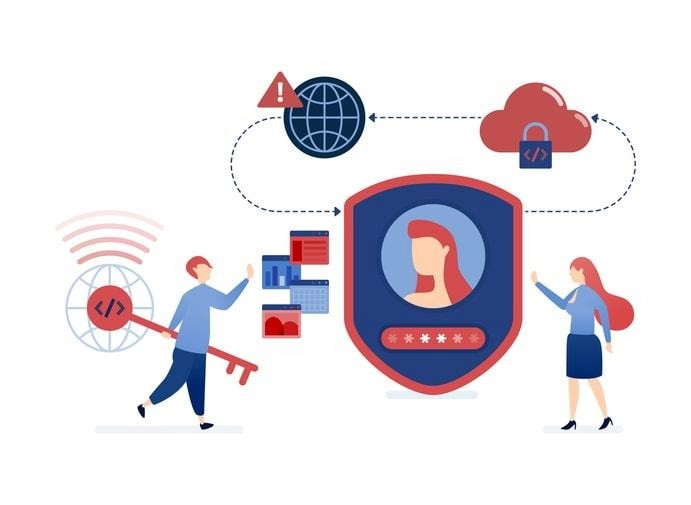
Zero-trust security architectures protect products and user data in distributed, cloud-native environments where traditional network perimeters no longer provide adequate protection. These architectures assume that no network location or user identity can be trusted by default and require verification for every access request.
Automated security testing tools including Static Application Security Testing and Dynamic Application Security Testing integrate security validation into the development pipeline, ensuring that security issues are identified and addressed before they reach production. These tools increasingly incorporate machine learning to identify novel attack patterns and vulnerabilities.
Privacy-preserving technologies like differential privacy and federated learning address growing regulatory requirements while enabling the data-driven insights that modern products require. These techniques allow products to provide personalized experiences and gather valuable analytics while protecting individual user privacy.
Compliance automation tools streamline adherence to regulations including GDPR, CCPA, and industry-specific requirements like HIPAA for healthcare products or SOX for financial services. Automated compliance monitoring ensures that products maintain regulatory compliance as they evolve and scale.
AI safety and governance frameworks ensure that machine learning systems behave predictably and ethically. These frameworks include techniques for model interpretability, bias detection, and automated monitoring that alert teams when AI systems begin behaving unexpectedly.
The Fonzi Advantage for Technical Hiring Managers
Traditional AI engineer hiring cycles average six months from initial job posting to successful placement, during which competitive pressures and project timelines continue to advance. Fonzi eliminates this bottleneck by providing qualified candidates within 2-3 weeks through its pre-vetted talent network.
The platform’s AI-driven matching ensures candidates possess both technical excellence and alignment with company culture and values. This reduces the risk of expensive mis-hires that can derail projects and team dynamics. Fonzi’s assessment process evaluates not just coding ability, but also communication skills, product intuition, and ability to work effectively in cross functional teams.
Hiring managers access detailed technical assessments, portfolio reviews, and reference checks that provide comprehensive information for informed decision-making. This transparency reduces uncertainty and enables faster, more confident hiring decisions compared to traditional recruiting processes.
Fonzi’s success guarantee provides confidence that hired engineers will meet performance expectations and project requirements. The platform’s track record and ongoing support help ensure successful long-term placements that contribute meaningfully to product development goals.
The platform understands the unique requirements of different AI roles, from research-focused positions requiring deep theoretical knowledge to product-focused roles requiring practical implementation skills. This specialization ensures better matches between candidates and specific team needs.
Best Practices for Implementing Product Development Technologies
Start with a clear technology strategy aligned with business objectives and user needs rather than chasing the latest technological trends. Successful technology implementation requires understanding how specific tools and platforms support concrete product development goals and user value creation.
Invest in team training and development to maximize the value of new technologies and tools. The most sophisticated technology stack provides limited value if the team lacks the skills to use it effectively. Continuous learning programs ensure that engineering teams stay current with evolving best practices and capabilities.
Implement gradual technology adoption with pilot projects before full-scale deployment. This approach allows teams to learn and adapt while limiting risk. Pilot projects provide opportunities to identify integration challenges, training needs, and process adjustments before committing to large-scale implementations.
Establish robust monitoring and measurement systems to track the effectiveness of new technologies and their impact on key product metrics. Data-driven evaluation ensures that technology investments deliver expected benefits and provide insights for future decisions.
Partner with platforms like Fonzi to access specialized talent that can guide technology implementation and optimization. External expertise can accelerate adoption timelines and help avoid common pitfalls that slow down technology implementations.
Future Trends in Product Development Technologies
AI-native product development represents a fundamental shift where artificial intelligence is integrated from the earliest design phases rather than added as an afterthought. This approach results in products that leverage AI capabilities more effectively and create more intelligent, adaptive user experiences.
Low-code and no-code platforms will democratize product development while maintaining enterprise-grade capabilities. These platforms enable non-technical team members to contribute directly to product development while providing the flexibility and scalability that technical teams require.
Quantum computing will unlock new possibilities for optimization, simulation, and cryptographic applications that are beyond the capabilities of classical computing. While still emerging, quantum technologies will eventually transform product development in areas requiring complex optimization and simulation.
Sustainable technology practices will become essential for both regulatory compliance and consumer expectations. Energy-efficient algorithms, sustainable cloud computing practices, and circular design principles will become standard considerations in technology selection and product development decisions.
Real-time collaboration technologies will further break down barriers between distributed teams, enabling seamless cooperation across time zones and geographical boundaries. These technologies will incorporate AI capabilities that anticipate team needs and optimize collaborative workflows.
Conclusion
Product development in 2026 requires more than just the right stack; it demands seamless integration of AI/ML systems, cloud-native platforms, and agile workflows that support rapid iteration and continuous improvement. These technologies offer enormous potential, but they only deliver real business value when teams have the engineering depth to architect, integrate, and maintain AI-first systems that are scalable, secure, and aligned with business goals.
That’s why elite AI talent has become the true bottleneck in modern product development. Even the most advanced platforms fall short without engineers who know how to translate capability into execution. Fonzi AI solves this problem directly by connecting companies with rigorously vetted, high-caliber AI engineers who can unlock the full power of these technologies. Organizations that pair cutting-edge tools with top-tier talent, especially through platforms like Fonzi, gain a sustainable competitive edge and position themselves to lead the next wave of product innovation.
FAQ
How does Fonzi ensure the quality of AI engineers on its platform?
What makes 2026 different for product development technology requirements?
Can small startups afford to hire elite AI engineers through Fonzi?
What are the most critical product development technologies for non-AI companies?
How quickly can companies expect to see ROI from hiring AI engineers through Fonzi?