
In 2026, a VC-backed SaaS company in San Francisco is under pressure to hire 15 AI engineers in 90 days. The roadmap and the board are watching, but recruiting is breaking down. Technical roles still take 45–70 days to fill, recruiters are overloaded, and hundreds of applicants translate into only a handful of strong hires.
Legacy ATS tools weren’t built for this. Designed years ago to track applicants, not evaluate complex AI talent, they struggle with speed, quality, and fairness. The result is slow hiring, inconsistent outcomes, and costly re-runs.
Modern hiring manager software aims to fix this by combining ATS workflows, collaboration, analytics, and AI, helping teams hire faster without losing human judgment. Fonzi goes a step further. Built specifically for AI and engineering roles, it uses AI to handle screening, fraud detection, and structured evaluation, while keeping final decisions with hiring managers.
Key Takeaways
Modern recruiting software unifies ATS, sourcing, structured interviews, and AI to surface qualified candidates faster
Fonzi is built specifically for AI and engineering roles, using AI for screening and assessments while keeping humans in control
Legacy platforms (Greenhouse, Lever, Workable, Eightfold) excel at scale, while AI-first tools like Fonzi address newer hiring gaps
This guide covers must-have features, pricing by company size, and safe ways to adopt AI in hiring
Includes a clear comparison framework and FAQs for 2026 recruiting decisions
The New Hiring Reality in Tech: Challenges Software Must Solve

The market has made technical hiring harder across the board. Tighter funding means every hire must count, AI talent is scarcer and more competitive, and remote-first teams need global hiring support that legacy tools were never built to handle.
Any serious recruiting platform now has to solve five core problems: hiring cycles that stretch 50–70 days for senior engineers and ML roles; overloaded recruiters managing 25–35 reqs while drowning in manual screening and scheduling; inconsistent interview quality that leads to mis-hires and costly re-runs; rising fraud from AI-generated resumes, outsourced tests, and fake remote profiles; and growing compliance pressure requiring structured, auditable, bias-aware hiring processes. Tools that don’t address all five are already behind.
What Is “Hiring Manager Software” in 2026?
Hiring manager software refers to platforms designed specifically to help hiring managers plan roles, collaborate with recruiting teams, evaluate candidates, and make auditable decisions. It’s distinct from a traditional applicant tracking system in both scope and user focus.
Where an ATS primarily serves recruiters with tools for tracking candidates through stages, hiring manager software puts managers at the center. Think of it as the difference between a database and a decision-support system.
Core Components
Modern hiring manager software includes:
ATS integration for seamless handoffs between recruiting and hiring teams
Candidate profiles with unified views of resumes, assessments, and interview feedback
Structured scorecards aligned to role competencies, not gut feelings
Interview scheduling with calendar sync and automated coordination
AI-powered insights that surface patterns and recommendations
Collaboration tools for feedback collection and decision alignment
Here’s a concrete example: A VP of Engineering opens their dashboard and sees all open roles, pipeline status by stage, consolidated interview feedback, and AI-recommended next steps, all on one screen. No more chasing recruiters for updates or hunting through email threads for interviewer notes.
Fonzi takes this model further by combining hiring manager software with a curated talent marketplace. Instead of starting from zero with job postings, you begin with pre-vetted AI and engineering candidates who’ve already passed identity verification and technical screens. The powerful talent acquisition software layer then helps you evaluate, compare, and decide.
Must-Have Features in Recruiting Software for Hiring Managers
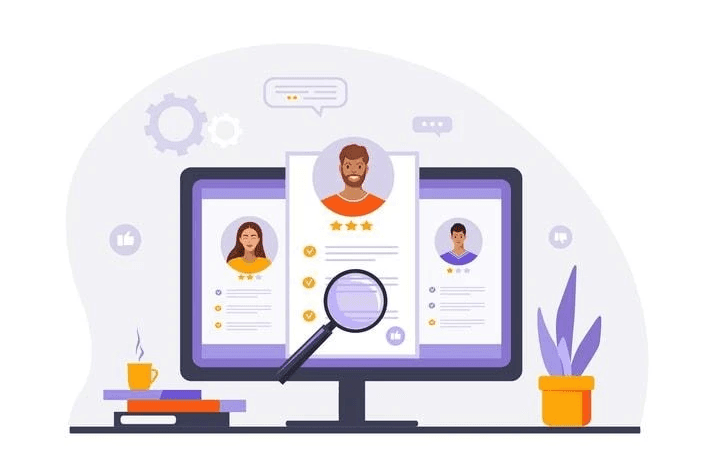
Use this to score recruiting platforms during demos and buying decisions.
End-to-end visibility: Real-time dashboards for pipeline status, conversions, and blockers, no delayed reports.
Structured roles & interviews: Clear competencies, must-haves vs. nice-to-haves, and standardized scorecards tied to the job description.
AI-assisted screening: Explainable matching, consistent resume parsing, fraud checks, and pre-interview red-flag detection.
Collaboration & feedback: Centralized notes, @mentions, and shared scorecards; one source of truth.
Analytics & quality of hire: Track time-to-hire, source effectiveness, and post-hire performance/retention.
Integrations: Seamless connections to ATS, HRIS, calendars, assessments, and e-signatures.
Compliance & fairness: Audit logs, consistent scoring, documented AI decisions, and compliant employer branding.
How Multi-Agent AI Changes the Game for Hiring Managers
Multi-agent AI changes recruiting by replacing one generic model with several specialists, each handling a distinct task more accurately, like a team of experts instead of a single generalist.
A screening agent reviews resumes, portfolios, GitHub, and LinkedIn against role needs, spotting transferable skills and concrete evidence rather than relying on keyword matches.
A fraud detection agent flags copied resumes, inconsistent histories, and suspicious behavior, protecting pipelines, especially for remote roles.
An evaluation agent standardizes interview feedback and enables fair, side-by-side comparisons based on agreed criteria.
Fonzi’s marketplace agent proactively matches new roles with relevant, vetted AI talent instead of waiting for applications.
Crucially, humans stay in control. Hiring managers set requirements, review AI insights, and make final decisions. AI speeds up analysis, but judgment remains yours.
Fonzi: Hiring Manager Software Purpose-Built for AI & Engineering Talent
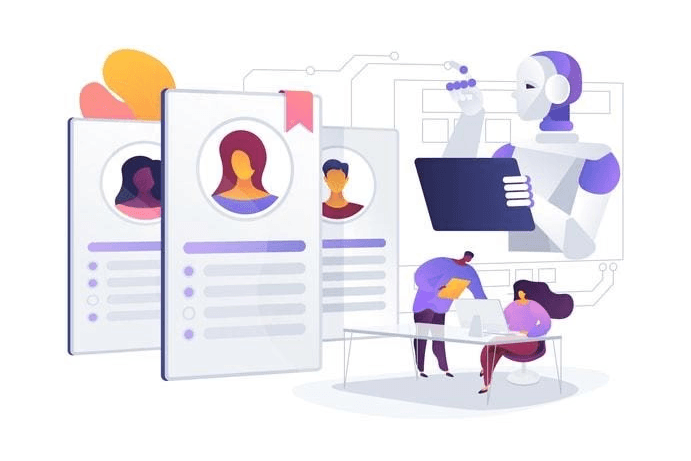
Fonzi launched as a curated talent marketplace built specifically for AI, machine learning, data, and senior engineering roles. Unlike traditional ATS platforms that retroactively add AI features, Fonzi was designed from the ground up to address the real challenges of technical hiring.
Before a search begins, Fonzi works with hiring managers to calibrate the role in detail, defining the exact tech stack, seniority level, salary bands, remote constraints, and non-negotiable experience. This upfront alignment prevents wasted cycles caused by vague job descriptions and mismatched expectations. From there, hiring managers are introduced only to a pre-vetted candidate pool. Every candidate has already passed identity checks, technical screening, and work-history verification, eliminating the noise that plagues open job boards.
Behind the scenes, Fonzi uses a multi-agent AI workflow to handle screening, fraud detection, and structured evaluation before candidates ever reach your calendar. By the time a profile appears, it has been analyzed for skills fit, potential red flags, and interview readiness. Importantly, AI never replaces judgment: hiring managers retain full control, with every recommendation accompanied by clear, inspectable reasoning rather than opaque scores.
Interviews are supported with stack-specific guides and standardized scorecards, ensuring consistency across interviewers and locations. Decision dashboards then bring everything together: technical results, interview feedback, and risk signals, so managers can move quickly with confidence. The result is a faster, fairer hiring process, with many teams cutting engineering time-to-hire from roughly 60 days to around 30, without sacrificing quality or oversight.
Top Recruiting Platforms for Hiring Managers: 2025–2026 Comparison
The table below summarizes core attributes across five of the best recruiting software that talent leaders commonly evaluate. Use it as a starting point for deeper research.
Platform | Primary Focus | AI Capabilities | Ideal Company Size | Strengths for Hiring Managers | Best Use Case |
Fonzi | AI & engineering talent marketplace | Multi-agent AI (screening, fraud detection, structured evaluation) | Startups to mid-market (50-500 employees) | Pre-vetted candidates, transparent AI rationales, structured interview kits, streamlined interview process | Technical hiring for AI/ML, data, and senior engineering roles |
Greenhouse | Structured ATS | Basic AI screening, integration-based AI via partners | Mid-market to enterprise (200+ employees) | Robust workflows, strong scorecards, and broad adoption among tech companies | Companies are standardizing structured hiring across all roles |
Lever | ATS + CRM hybrid | AI-assisted sourcing and recommendations | Mid-market (100-1000 employees) | Strong candidate relationship management, pipeline analytics, and recruiter-manager collaboration | Relationship-driven recruiting with long nurture cycles |
Workable | All-in-one recruiting | AI recommendations, 200+ job board integrations | Small to mid-market (20-500 employees) | Easy setup, broad integrations, mobile accessibility | Fast-growing startups needing quick deployment |
Eightfold | Talent intelligence platform | Deep AI matching, skills-based talent analytics | Enterprise (500+ employees) | Large talent acquisition team support, internal mobility, skills taxonomy | Enterprises managing large internal and external talent pools |
How to Choose the Best Recruiting Software for Your Team
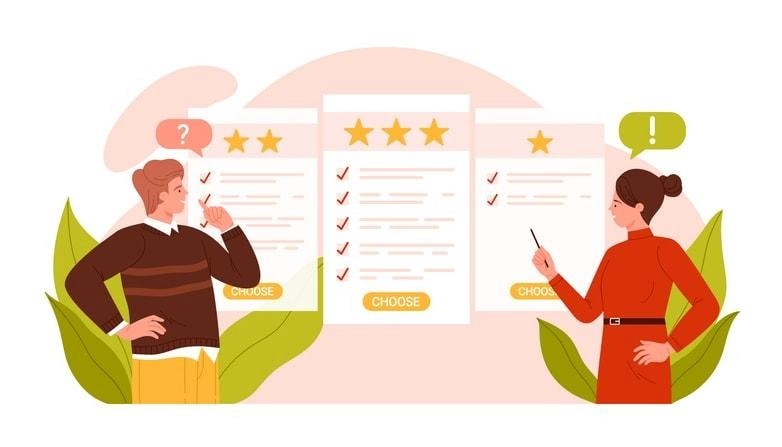
Choosing recruiting tools requires collaboration between hiring managers, recruiting leaders, HR operations, and finance. Here’s a step-by-step framework for making the decision together.
Map Your Hiring Volume and Role Mix
Quantify your annual hires. What percentage is technical vs. non-technical? What are your key locations? High-volume AI and engineering hiring might favor a specialized marketplace like Fonzi, while diverse role types might need a generalist ATS with broad workflow automation.
Clarify Ownership
Define how recruiters, hiring managers, HR operations, and finance will each use the tool. What dashboards does each stakeholder need? How will you source candidates and assign tasks? Clear ownership prevents the “everyone’s tool, no one’s responsibility” problem.
Prioritize Problems
Before scheduling demos, rank your top three issues. Is it speed? Quality? Fraud risk? Candidate communication? Reporting for the board? Different platforms excel at different problems. Know yours before you evaluate.
Run Realistic Test Scenarios
Use an actual open role, say, Senior ML Engineer in London, and measure how each tool supports from intake to offer. How long does it take to get to a shortlist? How clear is the interviewer's guidance? Does the career site integration work smoothly?
Evaluate AI Oversight
Ask vendors directly: How are AI decisions logged? How are recommendations explained? Can humans override any AI suggestion? What guardrails exist? The employee advantage goes to platforms that support, rather than replace, human judgment.
Summary
The hiring playbook that worked in 2015 won’t win in 2026. AI and engineering roles demand faster cycles, higher signal, and stronger safeguards against inconsistency and fraud, without pushing judgment into a black box.
Multi-agent AI meets that need by taking on repetitive work while giving hiring managers more clarity, context, and control. Fonzi shows what this looks like in practice: a purpose-built platform that combines a curated AI talent marketplace with structured, transparent workflows designed for technical hiring.
FAQ
What is the best recruiting software for hiring managers in 2026?
What features should hiring recruitment software include?
What’s the difference between ATS and recruiting software?
Which recruiters' software integrates best with existing HR tools?
How much does software for recruiting cost for different company sizes?


