Internal Interview Questions & How to Interview for Internal Roles
By
Liz Fujiwara
•
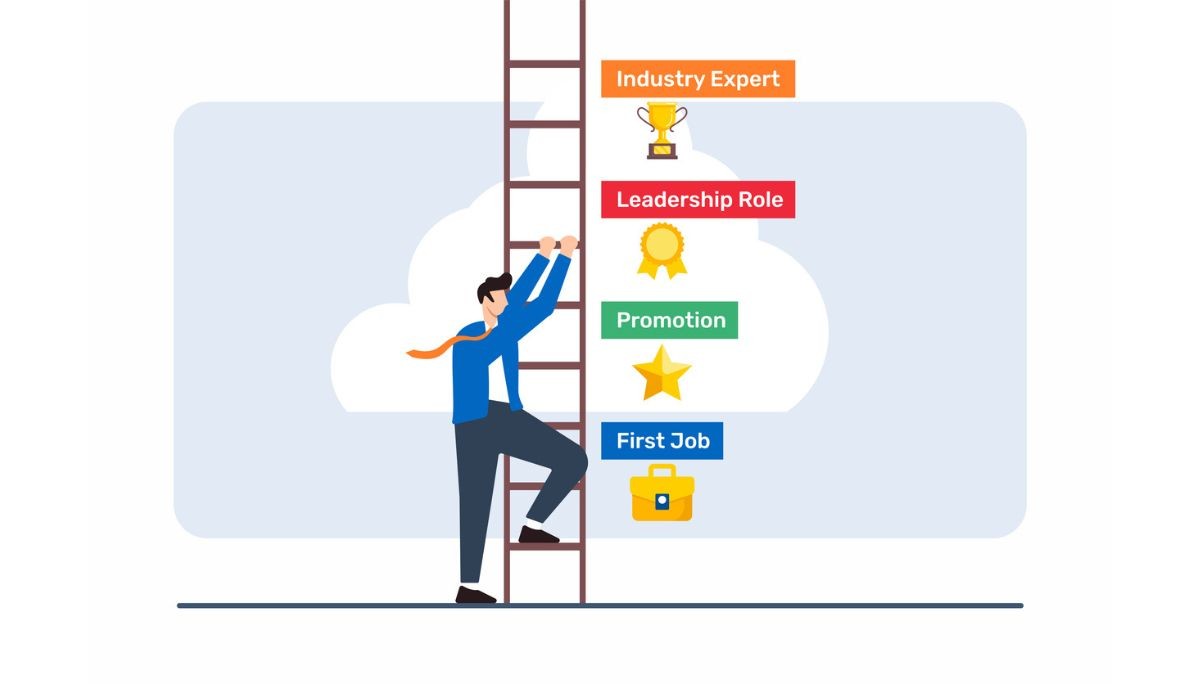
You might think interviewing for a job at your own company would be easier than starting from scratch somewhere new. After all, you already know the culture, the people, and how things work behind the scenes, right?
Not quite. Internal interviews come with their own unique challenges and opportunities. Whether you are an employee exploring a new opportunity or a hiring manager evaluating internal candidates, understanding how to navigate these conversations can make the difference between a smooth transition and an uncomfortable situation for everyone involved.
This article outlines what you need to know about internal interviews: the questions you should expect or ask, how to prepare differently than you would for an external role, and why getting this right matters for both your career and your organization’s success.
Key Takeaways
Internal interviews require preparation focused on career growth, role transition, and how your existing company knowledge supports success in the new role, while strong candidates show clear motivation, transferable skills, and alignment with company goals.
Hiring managers should evaluate leadership potential, collaboration style, and the candidate’s ability to manage transitions, while employees prepare by researching the new team, understanding role requirements, and outlining plans for handing off current responsibilities.
Effective internal mobility benefits both employees and organizations by reducing hiring costs, improving retention, and accelerating onboarding.
Understanding Internal Interviews in 2026

Internal interview questions differ significantly from external candidate evaluations. While external interviews focus on cultural fit and basic competencies, internal interviews emphasize career progression, role transition capabilities, and how candidates can leverage existing company relationships. The hiring process typically moves faster than external recruitment, often completed within 2 to 3 weeks, and involves multiple stakeholders including current managers, potential new managers, and peer interviews.
The timeline considerations are crucial for both hiring managers and internal candidates. Internal candidates already possess institutional knowledge, established relationships within the organization, and familiarity with company operations, policies, and culture. This foundation allows interview questions to focus on higher-level strategic thinking and leadership potential rather than basic onboarding requirements.
Internal mobility encompasses various types of career movements: promotions, lateral transfers, newly created positions, job rotations, and role swaps. Each movement type may warrant slightly different questioning approaches, though core competencies remain relevant across all categories. Understanding these nuances helps both interviewing internal candidates and preparing as an internal candidate.
Essential Question Categories for Internal Candidates
Career Motivation and Growth Questions
Career motivation questions form the foundation of any internal candidate interview. These internal interview questions assess whether candidates bring fresh value to the new role without requiring extensive orientation to company culture and processes.
“What specific aspects of this role align with your 2 to 3 year career goals?” This question evaluates long-term commitment and strategic thinking. Strong responses demonstrate understanding of career path progression and how the new position contributes to professional development within the organization.
“How does this position address gaps or limitations you have experienced in your current role?” This probes motivation beyond simple dissatisfaction. Hiring managers want to understand whether candidates view the move as strategic growth or an escape from current challenges. The best answers focus on skill development opportunities and increased responsibility rather than criticisms of the current position.
“Describe how you have prepared for this transition over the past 6 months” reveals proactive career planning. Internal candidates should demonstrate they have been developing relevant skills, taking on challenging projects, or pursuing professional development related to the new role’s responsibilities.
“What skills have you developed in your current role that directly apply to this position?” This identifies transferable skills and helps hiring managers understand how existing capabilities translate to new role requirements. Successful candidates provide specific examples with measurable outcomes that demonstrate readiness for expanded responsibilities.
Follow-up questions should explore specific examples and measurable achievements. Hiring managers benefit from asking candidates to quantify their impact with specific metrics, such as process improvements that reduced onboarding time or initiatives that accelerated revenue growth.
Leadership and Influence Assessment
Leadership interview questions assess management capability and vision, even for nonmanagerial roles. These questions test informal leadership qualities like mentoring peers or spearheading process improvements.
“Give an example of how you influenced outcomes without formal authority in your current role” tests leadership potential beyond titles. This question reveals whether candidates can drive results through collaboration, persuasion, and strategic thinking rather than relying solely on hierarchical power.
“Describe a time when you had to navigate conflicting priorities between departments” assesses diplomatic and strategic thinking skills. Strong responses demonstrate understanding of organizational dynamics and ability to find solutions that serve broader company interests while maintaining positive relationships.
“How would you approach building relationships with stakeholders you have not worked with before?” evaluates networking and relationship-building abilities. This question is particularly relevant for internal candidates who may have deep knowledge of some company areas while lacking exposure to others.
“What is your approach to providing feedback to peers who may become your direct reports?” tests management readiness and emotional intelligence. This scenario commonly occurs in internal promotions and requires candidates to demonstrate they can navigate changing relationship dynamics professionally.
Effective responses should include specific examples demonstrating initiative, conflict resolution, and team influence. Hiring managers should look for evidence of constructive leadership thinking and ability to maintain positive team dynamics during transitions.
Change Management and Adaptability
Modern internal interviews place significant emphasis on candidates’ ability to handle change and work with emerging technologies. These questions assess whether candidates can remain productive during organizational transitions and adapt their communication style to new role requirements.
“How do you plan to manage the transition period while maintaining performance in both roles?” assesses practical planning skills. This question recognizes that internal transitions often involve overlapping responsibilities and requires candidates to demonstrate they have considered the operational challenges.
“Describe how you have adapted to significant changes in processes or technology within the company” evaluates flexibility and learning agility. With rapid workplace evolution, including remote work adoption and AI integration, hiring managers need confidence that internal candidates can embrace new methodologies.
“What concerns do you have about this role transition, and how do you plan to address them?” tests self-awareness and problem-solving capabilities. Candidates who acknowledge realistic challenges and present thoughtful mitigation strategies demonstrate a mature approach to career advancement.
“How would you handle resistance from team members who may have preferred an external candidate?” assesses diplomatic skills and confidence. This situation commonly occurs in internal hiring and requires candidates to show they can build credibility and trust with potentially skeptical team members.
Responses should focus on specific strategies and past examples of successful adaptation. Candidates should demonstrate they understand that internal moves require proving themselves in new contexts despite existing company relationships.
Technical and Role-Specific Evaluation
Technical evaluation in internal interviews focuses on skill gap analysis and role-specific competencies. Unlike external interviews that establish baseline technical capability, internal interview questions for technical roles assume foundational knowledge and probe for advanced capabilities.

Skill gap analysis questions like “What technical skills will you need to develop in the first 90 days?” help hiring managers understand candidates’ realistic assessment of role requirements. Strong candidates identify specific technical competencies, training resources, and development timelines that demonstrate proactive learning approaches.
Industry knowledge questions such as “How do you see this role evolving with current industry trends like AI integration or remote work policies?” test strategic thinking and awareness of external factors affecting the position. Internal candidates should demonstrate they understand broader business context beyond their current departmental focus.
Process improvement questions like “What processes from your current role could be applied or adapted for this position?” assess candidates’ ability to bring fresh perspectives while leveraging institutional knowledge. This question helps identify how internal mobility can drive organizational learning and improvement.
Stakeholder management questions such as “How would you approach building credibility with external clients or vendors in this role?” evaluate candidates’ ability to represent the company in new contexts. Internal candidates must show they can maintain professional relationships beyond their current network.
Performance metrics discussions about “What key performance indicators would you establish for success in your first year?” reveal whether candidates understand role expectations and can think strategically about measurable outcomes. Include role-specific scenarios and technical problem-solving exercises where appropriate to test practical application of skills.
Collaboration and Team Integration Questions
Team integration represents one of the most complex aspects of internal mobility. Internal interview questions in this category assess how candidates plan to navigate changing relationship dynamics while maintaining positive workplace connections.
“How do you plan to establish yourself as a peer rather than a former colleague with your new team?” tests understanding of relationship dynamics. This question recognizes that internal candidates often transition from peer-to-peer relationships to management or cross-functional partnerships that require different interaction styles.
“Describe your preferred communication style and how it might need to adapt for this role” assesses communication flexibility. Successful internal candidates demonstrate awareness that different roles require different communication approaches and show willingness to adjust their style accordingly.
“What strategies would you use to bring fresh perspectives while respecting existing team culture?” evaluates the innovation versus integration balance. Hiring managers want candidates who can contribute new ideas without dismissing established team practices or creating cultural disruption.
“How would you handle disagreements with former peers who are now your direct reports?” tests management transition readiness. This scenario requires candidates to demonstrate they can maintain professional relationships while establishing appropriate authority boundaries.
Responses should demonstrate emotional intelligence and practical relationship management strategies. Candidates should show they understand that internal transitions require rebuilding professional relationships in new contexts while maintaining respect for existing team dynamics.
Best Practices for Conducting Internal Interviews
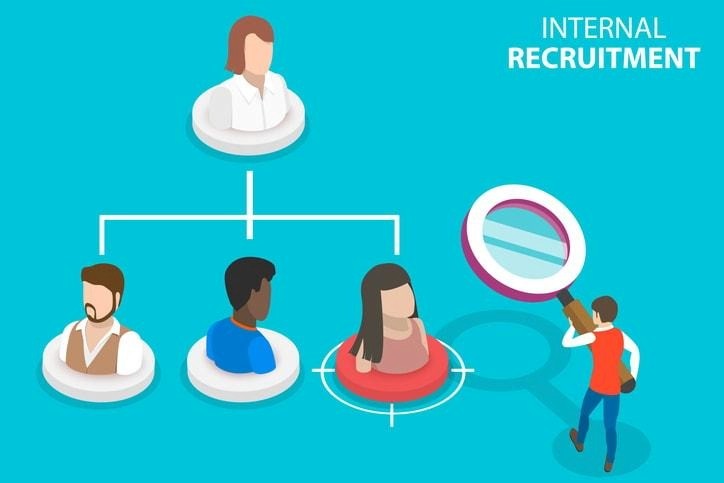
Interview Structure and Preparation
Effective internal interviews require structured preparation that differs from external candidate evaluation. Hiring managers should review candidates’ performance history, including feedback from current managers and comprehensive peer reviews, to understand their reputation within the organization.
Prepare role-specific scenarios based on actual challenges the position faces rather than generic behavioral questions. Internal candidates bring existing context, so scenarios can be more complex and specific to current organizational needs.
Include panel interviews with key stakeholders and potential team members to ensure multiple perspectives on candidate fit. Allow 60 to 90 minutes for comprehensive evaluation compared to 45 minutes for initial external interviews, as internal candidates require deeper assessment of transition readiness and growth potential.
Document specific examples and behavioral indicators to ensure fair comparison with external candidates. The hiring process should maintain objectivity despite existing relationships and familiarity with internal candidates’ work history.
Avoiding Common Internal Interview Pitfalls
Do not assume prior knowledge without testing understanding of new role requirements and challenges. Internal candidates may have limited exposure to the specific demands of different departments or roles, requiring verification of relevant knowledge and capabilities.
Avoid bias from existing relationships by including neutral panel members who have not worked directly with the candidate. This ensures objective evaluation and prevents favoritism that could undermine the internal hiring process.
Ensure transparent communication with current managers about the interview process and timelines. Internal mobility requires coordination between departments to manage transition planning and maintain operational continuity.
Set clear expectations about the decision timeline and feedback process. Internal candidates deserve prompt communication about outcomes and detailed feedback for professional development, whether selected or not for the position.
Prepare alternative development opportunities if the candidate is not selected. Internal mobility programs work best when unsuccessful candidates receive constructive feedback and support for future advancement opportunities.
Candidate Preparation Strategies

Research and Preparation
Internal candidates must balance their existing company knowledge with thorough preparation for the specific role and team. Study the new team’s current projects, challenges, and recent achievements through company updates, team meetings, and informal conversations with current team members.
Connect with current role holders or team members for informational interviews. These conversations provide insight into daily responsibilities, team culture, and current challenges that may not be apparent from job descriptions or organizational charts.
Review industry trends affecting the department and prepare relevant insights that demonstrate strategic thinking beyond current role responsibilities. Internal candidates should show they understand how external factors impact the new position and can contribute fresh perspectives.
Prepare specific examples demonstrating required skills using the STAR method (Situation, Task, Action, Result). Even though hiring managers may be familiar with candidates’ general work quality, specific examples help illustrate how existing experience translates to new role requirements.
Develop a 30-60-90 day transition plan showing understanding of role priorities and a realistic timeline for achieving initial objectives. This demonstrates strategic thinking and practical planning capabilities that distinguish prepared internal candidates.
Professional Presentation and Mindset
Maintain professional dress code even for internal interviews to signal role transition seriousness. This subtle communication reinforces that candidates understand the significance of the opportunity and are prepared to step into expanded responsibilities.
Prepare thoughtful questions about role challenges, team dynamics, and growth opportunities. Internal candidates should demonstrate curiosity about aspects of the role they have not directly experienced and show genuine interest in professional development.
Practice discussing current role limitations without appearing negative about the company or existing responsibilities. Frame responses to highlight growth mindset and readiness for increased responsibility rather than dissatisfaction with current circumstances.
Develop a succession plan for current responsibilities to demonstrate organizational commitment. Show hiring managers that you have considered the impact of your potential departure and have prepared for a smooth transition.
Frame responses to highlight transferable skills and readiness for expanded scope. Internal candidates should articulate how their experience prepares them for new challenges while acknowledging areas where they will need to develop new competencies.
Questions Internal Candidates Should Ask
Strategic questions from internal candidates demonstrate preparation and genuine interest in the role’s challenges and opportunities. These questions should go beyond basic information available through internal company resources.
“What are the biggest challenges facing this team in the next 6 months?” shows strategic thinking and preparation while providing insight into immediate priorities and obstacles the successful candidate will need to address.
“How do you see this role evolving as the company grows?” demonstrates long-term thinking and career planning. This question helps candidates understand growth opportunities and how the position contributes to organizational development.
“What would success look like in this position after one year?” helps set clear performance expectations and demonstrates candidates’ focus on measurable outcomes and accountability for results.
“What development opportunities or training are available for this role?” shows commitment to continuous learning and professional growth, indicating the candidate’s investment in long-term success rather than immediate advancement.
“How does this position contribute to the company’s strategic goals?” indicates understanding of broader business context and desire to align personal contributions with organizational objectives.
Conclusion
Internal interviews require thoughtful preparation, strategic self-awareness, and clear understanding of how your experience aligns with the expectations of a new role. Unlike external interviews, these conversations focus on career progression, transition readiness, and the ability to contribute value from day one by leveraging existing institutional knowledge. Strong internal candidates demonstrate motivation for growth, readiness to manage change, and awareness of how their skills support team and company objectives. By preparing focused examples, asking meaningful questions, and approaching the process with professionalism and long-term commitment, internal candidates position themselves for successful mobility while supporting the organization’s broader goals.
FAQ
How long should I wait after starting my current role before applying for internal positions?
Should I tell my current manager about my internal interview before applying?
How do I handle potential awkwardness if I don’t get the internal position?
What’s the difference between internal interview questions and external candidate questions?
How can I demonstrate leadership potential if I haven’t had management experience?