iCIMS ATS 101: Navigating the Industry-Leading Talent Cloud
By
Liz Fujiwara
•

Your AI startup just closed a Series B and needs to scale fast. Applications pile up, recruiters are overloaded, hiring managers see the same marginal candidates, and top talent signs elsewhere. This is common in the 2026 hiring market. Volume is high, timelines are tight, and many resumes are inflated or low quality.
iCIMS is a mature enterprise recruiting platform that manages sourcing, hiring, and onboarding at scale, strengthened over time through acquisitions that added CRM, SMS, AI sourcing, video interviews, and assessments.
Key Takeaways
iCIMS is a full Talent Cloud, not just an ATS, supporting applicant tracking, recruitment marketing, CRM, onboarding, analytics, and AI-powered workflows for high-volume enterprise hiring, with humans retaining final decision authority.
Despite its scale and automation, gaps remain for deep technical roles, including nuanced AI and engineering evaluation and effective resume fraud detection.
Complementary tools like Fonzi AI integrate with iCIMS to provide pre-vetted, high-signal engineering candidates through structured hiring events, reducing time-to-fill while keeping human oversight central.
iCIMS Talent Cloud Overview: From ATS to Enterprise Talent Platform
When people say “iCIMS,” they are often referring to the iCIMS ATS at the core of the platform, sometimes called iCIMS Hire. The iCIMS Talent Cloud is the broader umbrella brand that covers an entire ecosystem designed to manage talent acquisition end-to-end.
The Main Pillars of iCIMS Talent Cloud
The platform spans five interconnected areas:
Pillar | What It Does | Example Use Case |
Applicant Tracking | Manages requisitions, applications, and candidate workflows | Routing a Software Engineer application through screening, interviews, and offer |
Recruitment Marketing | Powers branded career sites, SEO, and content to attract job seekers | Building a mobile-optimized careers page with video testimonials |
Candidate Relationship Management | Nurtures passive candidates through email and SMS campaigns | Re-engaging silver-medalist engineers for future openings |
Onboarding | Streamlines paperwork, training, and Day 1 readiness | Automating I-9 forms and welcome materials before start date |
Analytics & Reporting | Delivers dashboards on source-of-hire, time-to-fill, and funnel conversion | Identifying which job boards yield the best candidates for data roles |
This breadth is why Nucleus Research has recognized iCIMS as a Leader in talent acquisition technology for six consecutive years. With more than 6,000 companies using the platform, including roughly 40% of the Fortune 100, iCIMS has demonstrated its ability to support both high volume hiring and specialized tech recruiting.
AI Capabilities Within iCIMS
iCIMS has steadily expanded its AI capabilities beyond basic automation. Today, the platform leverages machine learning for:
Candidate matching: Comparing applicant profiles against job requirements to surface likely fits
Internal mobility: Recommending open roles to existing employees based on skills and career paths
Copilot features: Generating job descriptions, candidate messages, and interview questions using generative AI
These features help recruiting teams move faster, but they do not eliminate the need for human oversight or for specialized tools when hiring technical roles where generic matching falls short.
That is where niche solutions come in. For roles like senior AI and ML engineers, curated talent pools and high-signal evaluation matter more than broad automation.
Core iCIMS ATS Features Every Tech Hiring Leader Should Understand
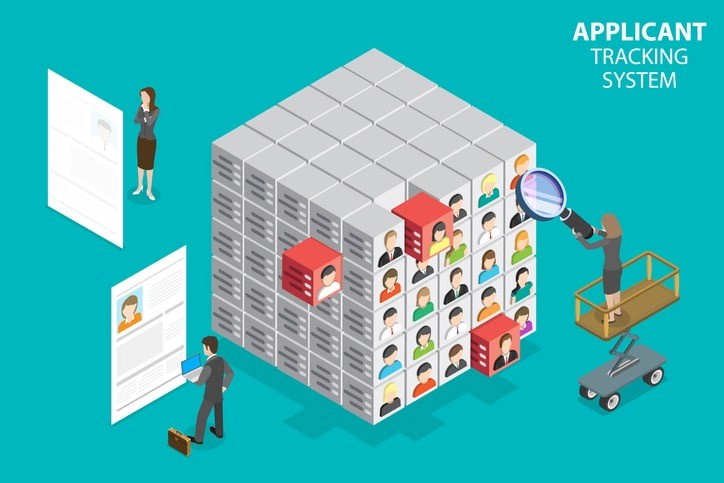
For recruiters and hiring managers using iCIMS day-to-day, the platform centers on a few core workflows: posting jobs, collecting applications, collaborating on evaluations, and moving candidates through structured hiring workflows.
Job Requisition Management
Every hire starts with a requisition. iCIMS supports:
Configurable approval flows (so Finance or VP-level sign-off happens before roles go live)
Requisition templates for common roles like Software Engineer, Data Scientist, or Product Manager
Standardized job posting workflows that push openings to internal portals, branded career sites, and external job boards simultaneously
This structure helps recruiting teams maintain consistency across dozens or hundreds of job openings, which is critical for global enterprises with distributed hiring.
Candidate Intake and Resume Parsing
When applicants apply, iCIMS ingests their resumes and extracts structured candidate data:
Contact details
Employment history with dates and titles
Skills generated from resume text
Education and certifications
This creates a unified candidate profile that persists across multiple applications. If a Data Engineer who applied last year reapplies for a new ML role, their history is already in the system.
The parsing engine works best with clearly formatted resumes using standard fonts, straightforward headings, and keyword-rich descriptions. Candidates with unconventional layouts or heavy graphics may see parsing errors, which is why many job seekers optimize their resumes for applicant tracking systems.
Search and Filtering
With hundreds or thousands of applicants per role, search and filtering become essential:
Keyword search across resumes and skills lists
Filters for job titles, location, experience level, and application date
Saved searches for recurring role types
These tools help recruiters narrow large pools more quickly, but even with strong filters, manual review remains time-intensive, especially for roles requiring deep technical assessment.
Communication Tools
iCIMS provides built-in communication capabilities:
Email templates for status updates and rejections
SMS messaging (enhanced by the TextRecruit acquisition)
Interview scheduling integrations with calendars
Automated communication triggers based on workflow stages
These features improve candidate experience by keeping applicants informed, but they require thoughtful configuration to avoid feeling impersonal.
Integrations: 800+ Marketplace Partners
iCIMS doesn’t operate in isolation. The platform integrates with:
Job boards like Indeed, LinkedIn, Glassdoor, and niche tech boards
Background check providers such as Sterling and Checkr
Assessment tools like HackerRank, Codility, and other technical testing platforms
HCM systems including Workday, Oracle, and SAP SuccessFactors for downstream employee data
For tech companies, common integrations include a coding assessment platform for engineers, a background check provider, and an HRIS for employee records. Curated talent sources like Fonzi AI can be treated as high priority inbound channels, feeding pre-vetted candidates directly into iCIMS workflows.
Inside iCIMS AI: Resume Parsing, Role Fit Scoring, and Candidate Discovery
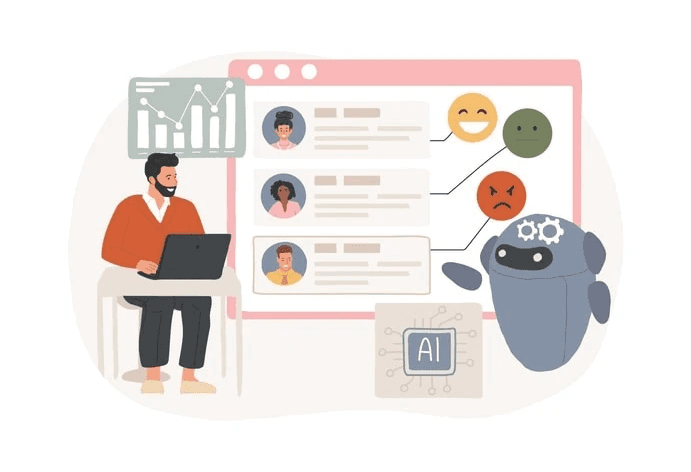
One of the biggest shifts in applicant tracking systems over the past few years has been the integration of AI to make large candidate volumes manageable. iCIMS has embraced this trend while still leaving final decisions to human recruiters and hiring managers.
How Resume Parsing Works
When a resume enters iCIMS, the parsing engine reads the full document, not just a summary or skills section. It attempts to:
Extract structured fields such as name, email, phone, and location
Identify employment history with dates, titles, and company names
Auto-generate a skills list based on keywords found in the text
Map education and certifications to standard formats
Clear formatting matters. Resumes with standard headings like “Experience” and “Education,” widely used fonts, and minimal graphics parse more reliably. Candidates who use unconventional layouts risk having information misread or lost.
Understanding “Role Fit” Scoring
iCIMS uses AI to evaluate how well a candidate matches a given job description. This “Role Fit” scoring:
Compares resume content against job requirements (keywords, skills, experience levels)
Groups candidates into tiers (high, medium, low fit)
Surfaces likely matches at the top of recruiter queues
The goal is efficiency. Instead of reading hundreds or thousands of resumes for a single role, recruiters can start with a smaller, higher-fit group, validate AI recommendations, and then review edge cases more intentionally.
Limits of AI in Recruiting
It’s important to clarify what iCIMS AI doesn’t do:
It does not hire for you. Humans still review, interview, and make offers.
It does not guarantee bias-free outcomes. Ongoing monitoring is essential.
It does not deeply evaluate technical skills. Parsing keywords is not the same as assessing system design or production experience.
For roles like AI engineers or ML specialists, generic keyword matching often misses nuance. Did the candidate build production ML systems or only complete tutorials? Are GitHub contributions original or reused? These questions require deeper evaluation.
This is where Fonzi AI goes further. Within a focused domain of AI and engineering talent, Fonzi automates technical signal gathering, fraud detection such as suspicious GitHub histories or fabricated projects, and bias-audited scoring. These higher-signal evaluations can feed into an iCIMS-driven workflow as a pre-qualified candidate source.
How iCIMS Shapes Candidate Experience Across the Funnel
In 2026, candidate expectations have shifted. Engineers and data professionals, especially those with in-demand AI skills, expect mobile-first applications, transparent communication, and responsive processes. Companies that deliver clunky experiences risk losing top talent to faster-moving competitors.
Branded Career Sites
iCIMS powers branded career sites that go far beyond basic job listings:
Mobile-optimized, SEO-friendly pages that rank in search results
Multi-language support for global enterprises
Video content that showcases culture and team stories
Customizable design aligned with employer branding
These career sites become the front door for candidate sourcing, shaping first impressions before applicants ever enter the funnel.
Simplified Application Flows
Friction kills conversion. iCIMS addresses this with:
Pre-populated profiles that reduce manual data entry
Integration with professional networks to pull existing resume data
Shortened application forms focused on essential candidate information
Reducing abandonment rates means more applicants complete their submissions, which is critical in competitive talent markets.
Omnichannel Communication
Once candidates are in the system, iCIMS connects all touchpoints:
Emails, SMS, and chatbot interactions tied to a single candidate profile
Scheduling interviews through integrated calendar tools
Automated status updates so candidates aren’t left wondering
This seamless experience matters. Candidates who feel ignored or lost often withdraw and share negative experiences publicly.
Internal Mobility and Talent Pools
iCIMS also supports internal mobility, using AI-powered recommendation engines to:
Suggest open roles to existing employees
Re-engage silver-medalist candidates from previous searches
Build talent pools for future hiring needs
For companies trying to retain best talent and reduce external recruiting costs, this internal focus can be a differentiator.
Where iCIMS ATS Struggles With Modern Tech Hiring Challenges
Even industry-leading platforms have limitations. For tech companies hiring AI engineers, ML specialists, and senior data scientists, iCIMS alone can’t fully solve certain persistent problems.
Recruiter Bandwidth Issues
High volume hiring for roles like Software Engineer or Data Scientist generates enormous applicant pools. Even with good AI sorting and Role Fit scoring, recruiters still face:
Hundreds of “medium fit” profiles requiring manual review
Coordination overhead for scheduling interviews with multiple hiring managers
Follow-up work to keep candidates engaged while decisions are pending
The volume-to-bandwidth mismatch is a structural challenge, not a software bug.
Technical Depth Limitations
iCIMS is not a coding assessment platform. It can integrate with assessment providers like HackerRank or Codility, but the core system doesn’t:
Evaluate systems design ability
Assess ML modeling expertise
Verify production engineering experience
Hiring managers still need separate tools and significant time to assess whether candidates can actually do the job.
Resume and Profile Inflation
The 2026 talent market has seen a surge in AI-generated resumes, fake project histories, and credential fraud. Generic resume parsing and keyword-based scoring can miss these red flags:
Copy-pasted GitHub projects with no original contributions
Fabricated work experience at well-known companies
Inflated titles and responsibilities
Without specialized fraud detection, bad actors can slip through initial screening.
Configuration and Adoption Friction
iCIMS’ flexibility is both a strength and a risk. Poorly designed workflows, underused analytics, and inconsistent recruiter adoption can produce:
Slow time-to-fill despite platform capabilities, especially for specialized AI and engineering roles
Inconsistent candidate experience across teams due to varying processes and communication practices
Data quality issues that undermine reporting and insights for recruiting metrics
Enterprise software only works when people actually use it well.
Where Complementary Solutions Fit
These gaps create space for AI-native tools designed for specific segments. For engineering-heavy teams, Fonzi AI addresses:
Technical signal: Pre-vetted candidates with verified skills and project histories
Fraud detection: Multi-agent AI that flags suspicious GitHub activity and credential anomalies
Speed: Match Day delivers offers within 48 hours, not weeks
Bias-audited evaluation: Structured scoring that reduces subjective variation
Think of it as a high-priority talent source feeding into your iCIMS workflows, not a replacement but a force multiplier.
Fonzi AI + iCIMS: Building a High-Signal Hiring Stack for AI & Engineering Roles
How Fonzi AI Works
Fonzi AI is a curated marketplace where elite engineers are pre-vetted before being matched to startups and high-growth companies.
The core mechanism is Match Day, a focused hiring event where multiple companies evaluate candidates simultaneously, compressing decision cycles to approximately 48 hours.
Fonzi’s Multi-Agent AI
Behind Match Day is a set of coordinated AI agents handling:
Resume enrichment: Pulling additional signals from LinkedIn, GitHub, and professional portfolios
Fraud detection: Flagging suspicious patterns like copy-pasted code, improbable contribution histories, or mismatched credentials
Structured evaluation rubrics: Scoring candidates on technical depth, communication, and role fit
Bias-audited scoring: Reducing subjective variation through standardized criteria
Human hiring managers still review these signals, conduct final interviews, and make offers. AI accelerates screening but doesn’t replace human judgment.
Pricing and Alignment
Fonzi charges an 18% success fee to employers, only when a hire is made. Candidates pay nothing. Salary ranges are committed upfront, aligning expectations from day one and minimizing negotiation friction.
This model ensures everyone’s incentives point toward quality matches, not volume.
How Fonzi Complements iCIMS
In practice, the integration works like this:
Fonzi surfaces a shortlist of high-signal engineering candidates within 48 hours
Employers evaluate candidates through structured Match Day events
Offers are extended with transparent compensation
Once a hire is made, they’re tracked and onboarded through iCIMS to maintain system-of-record consistency
Recruiters retain full control, can override AI recommendations, apply internal competency frameworks, and manage compliance within existing workflows.
Comparing iCIMS, Fonzi AI, and the Rest of Your Hiring Stack
Tech companies rarely run a single monolithic recruiting tool. Instead, they orchestrate ATS platforms, CRMs, assessment tools, and marketplaces to create a cohesive hiring experience.
Here’s how the key layers compare:
Layer | Primary Purpose | Strengths | Limitations | Best For |
iCIMS ATS / Talent Cloud | System of record for recruiting workflows, compliance, and candidate data | Broad functionality, 800+ integrations, enterprise scale, strong analytics | Limited technical depth evaluation, generic AI matching, requires careful configuration | Large and growing companies needing end-to-end recruiting infrastructure |
Fonzi AI Marketplace | Curated talent source for AI and engineering roles | Pre-vetted candidates, fraud detection, 48-hour Match Day, bias-audited scoring, salary transparency | Focused on engineering segment only, not a full ATS | Startups and tech companies hiring elite AI, ML, and software engineers quickly |
Point Solutions (coding tests, job boards, assessments) | Specialized tasks like technical evaluation or candidate sourcing | Deep functionality in narrow areas, best-in-class tools available | Fragmented experience, integration overhead, no unified candidate view | Teams needing specific capabilities not covered by ATS or marketplace |
Auditing Your Current Stack
To identify gaps in your hiring stack, ask:
Do we have a curated pipeline for senior engineers, or are we relying only on inbound applications?
Are we screening for technical depth, or just parsing keywords?
Do we have fraud detection for AI-generated resumes and inflated credentials?
Is our time-to-fill competitive, or are we losing top candidates to faster companies?
If the answers reveal gaps, consider whether adding a tool like Fonzi, rather than replacing your ATS, delivers the fastest path to business outcomes.
Implementing and Optimizing iCIMS ATS in a High-Growth Tech Environment
Whether you’re implementing iCIMS for the first time or optimizing an existing deployment, a structured approach helps fast-scaling teams avoid common pitfalls.
Discovery and Design
Map your recruiting process end-to-end: how requisitions get approved, where candidates come from (job boards, referrals, curated sources like Fonzi), candidate stages, and bottlenecks such as interview scheduling or offer approval. Define success metrics upfront: time-to-fill, quality-of-hire, candidate satisfaction, and source-of-hire conversion.
Configuration Best Practices
Keep early workflows simple. Resist the urge to build elaborate custom stages before you understand actual usage patterns.
Standardize across teams. Use consistent stages for similar roles (e.g., all engineering requisitions follow the same flow) to enable meaningful analytics.
Reserve custom workflows for genuine differences. University recruiting, executive search, and contractor hiring may need distinct processes, but most roles don’t.
Integration Priorities
For tech companies, common integrations include:
HCM systems: Workday, Oracle, or SAP SuccessFactors for downstream employee records
Background checks: Checkr, Sterling, or similar providers
Coding assessments: HackerRank, Codility, or internal evaluation platforms
Curated talent sources: Treat Fonzi AI as a high-priority channel feeding pre-vetted candidates into iCIMS
Change Management
Adoption is key: train recruiters and hiring managers on workflows, identify internal superusers, and establish rolling feedback loops so the system evolves with business needs.
90-Day Optimization Cycles
Every quarter, review:
Dashboard data on funnel conversion and time-to-fill
Stage-by-stage bottlenecks
Source-of-hire performance (which channels deliver best candidates?)
Candidate satisfaction signals (withdrawal rates, offer acceptance)
Use these actionable insights to refine workflows, templates, and AI settings continuously.
Adopting AI in Hiring Without Losing Human Oversight
Practical Stage Mapping
Define explicitly which stages are AI-augmented versus human-led:
Stage | AI Role | Human Role |
Initial screening | Resume parsing, Role Fit scoring, fraud flags | Review AI recommendations, override as needed |
Technical evaluation | Automated signals from assessments | Conduct live coding interviews, evaluate depth |
Final interviews | None—fully human | Culture assessment, compensation discussion |
Offer decisions | None—fully human | Approve offers, negotiate terms |
Conclusion
iCIMS has grown from a traditional ATS into a Talent Cloud that centralizes recruiting workflows, candidate data, and experience for large and growing companies. While it manages job postings, compliance, and onboarding at scale, it doesn’t inherently deliver curated, high-signal talent for specialized AI and engineering roles.
Fonzi fills this gap as a curated marketplace for AI, ML, and software engineers, delivering pre-vetted candidates through structured Match Day events. Integrated with iCIMS workflows, Fonzi accelerates time-to-offer for critical hires while keeping humans in control of every decision.
Companies that combine enterprise infrastructure like iCIMS with high-signal solutions like Fonzi free their teams to focus on relationship-building, closing candidates, and hiring elite engineers faster and more fairly.
FAQ
What is iCIMS and how does it differ from other enterprise applicant tracking systems?
How does the iCIMS resume checker and AI-powered “Role Fit” scoring work?
What are the key features of the iCIMS Talent Cloud for high-volume recruitment?
How do candidates optimize their resumes to pass through the iCIMS ATS filters?
Is iCIMS a standalone recruiting platform or does it integrate with HCM systems like Workday or Oracle?