Personality Interviews & How to Answer Questions About Who You Are
By
Liz Fujiwara
•

Personality interview questions play a critical role in modern hiring by helping employers understand how candidates think, communicate, and collaborate in real workplace situations. Unlike technical questions that assess what you know, these questions reveal how you handle stress, work with others, and adapt to challenges. As companies increasingly prioritize emotional intelligence and cultural alignment, especially in AI and technical roles, personality-based assessments have become a key differentiator between equally qualified candidates. With AI-powered hiring platforms like Fonzi bringing more structure and consistency to this process, candidates who prepare thoughtful, authentic responses can stand out by clearly demonstrating both character and capability.
Key Takeaways
Personality interview questions assess soft skills, work style, and cultural fit, with modern hiring emphasizing emotional intelligence, adaptability, and collaboration, especially for AI engineers.
Structured approaches like the STAR method help candidates clearly demonstrate character, decision-making, and real-world behavior beyond technical ability.
AI-powered platforms like Fonzi are making personality assessments more fair and consistent, giving candidates who prepare authentic stories about teamwork, stress, and growth mindset a competitive edge.
What Are Personality Interview Questions and Why Do They Matter?
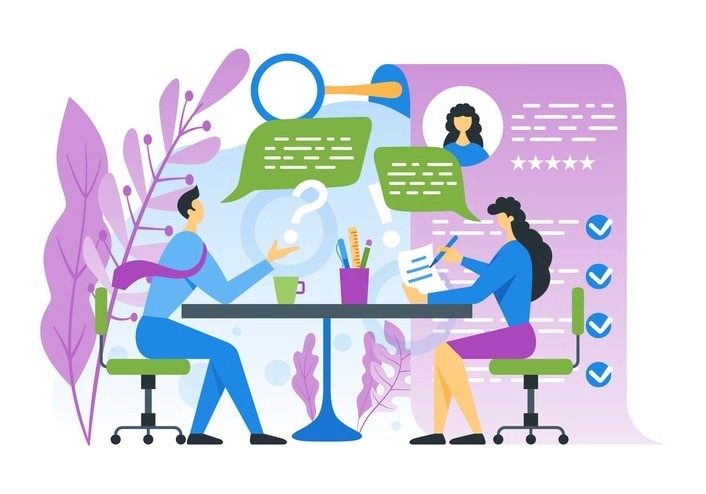
Personality interview questions have become a cornerstone of modern hiring processes, especially for technical roles where companies seek candidates who can thrive in collaborative, fast-paced environments. These questions go beyond assessing your coding abilities or system design knowledge and reveal your personality traits, work style, and how well you may integrate with existing teams.
Unlike technical assessments that evaluate hard skills, personality interview questions probe emotional intelligence, problem-solving skills, and your ability to handle workplace challenges. Hiring managers use these questions to understand your values, communication style, and approach to interpersonal relationships in a professional setting.
Many employers now prioritize cultural fit when making hiring decisions, recognizing that personality alignment plays a major role in long-term employee satisfaction and retention. For AI and machine learning roles, where cross-functional collaboration is essential, the ability to work effectively with product managers, data scientists, and business stakeholders can significantly influence career growth.
The interview process has evolved from purely technical screenings to more holistic evaluations that assess a candidate’s full professional profile. Companies increasingly recognize that while technical skills can be taught, traits like adaptability, resilience, and collaboration are harder to develop and are strong indicators of long-term success.
This shift reflects the changing nature of modern work environments. AI teams often operate under shifting priorities and tight timelines, requiring professionals who can manage stress, adapt to change, and maintain strong working relationships. Your responses to personality interview questions give hiring managers insight into how you will perform when facing pressure, ambiguity, and complex team dynamics.
Top 15 Personality Interview Questions You Should Prepare For
Understanding common personality questions helps you prepare authentic, compelling responses that showcase your professional character. These questions often overlap with behavioral interview questions, as your past actions reveal underlying personality traits and work style preferences.
“Tell me about a time you faced a significant challenge and how you overcame it”
This classic question assesses your problem-solving skills, resilience, and approach to adversity. Choose an example that demonstrates analytical thinking, persistence, and your ability to learn from difficult situations.“How do you handle stress and pressure in high-stakes situations?”
Employers want to understand your stress management techniques and emotional stability. Share specific strategies you use to manage pressure and provide an example of successfully navigating a high-stakes scenario.“Describe your ideal work environment and team dynamics”
This question reveals your work style preferences and cultural fit. Be honest about your needs while showing flexibility and an understanding of different working environments.“What motivates you to excel in your professional life?”
Focus on intrinsic motivators like learning, impact, and growth rather than external factors such as compensation. Connect your motivations to the company’s mission and the role’s responsibilities.“How do you approach learning new technologies or skills?”
Essential for AI engineers, this question explores adaptability and a continuous learning mindset. Describe your systematic approach to skill development and provide concrete examples of technologies you’ve learned.“Tell me about a time you had to adapt to major changes at work”
Change management skills are critical in fast-evolving tech environments. Share how you successfully navigated organizational changes, new tools, or shifting project requirements.“Describe a situation where you had to work with a difficult team member”
This assesses interpersonal skills and conflict resolution abilities. Focus on communication, empathy, and how you found common ground while maintaining professional relationships.“What would you change about your personality if you could?”
Demonstrate self-awareness by identifying a genuine area for improvement and showing active commitment to personal growth. Avoid clichés like “I’m too much of a perfectionist.”“How do you prioritize tasks when everything seems urgent?”
Time management and decision-making skills are essential in technical roles. Explain your prioritization framework and how you communicate with stakeholders about competing priorities.“Tell me about a time you went above and beyond expectations”
Share an example that demonstrates work ethic, initiative, and commitment to excellence. Emphasize the impact of your actions rather than the extra effort alone.“How do you handle constructive criticism and feedback?”
Growth mindset and coachability are critical for professional development. Provide a specific example of receiving feedback, processing it, and using it to improve performance.“What makes you unique compared to other candidates?”
This is your opportunity to articulate your personal brand and unique value proposition. Highlight the combination of technical skills, personality traits, and experiences that set you apart.“Describe your leadership style and give an example”
Even in individual contributor roles, leadership qualities matter. Share how you influence others, mentor colleagues, or take initiative on projects.“How do you maintain work-life balance in demanding roles?”
Organizations increasingly value sustainable work practices. Discuss boundaries, self-care strategies, and how you maintain long-term productivity and engagement.“What are your core values and how do they guide your decisions?” Values alignment is key to cultural fit. Share two to three core values and provide examples of how they have influenced your professional decisions and career choices.
How to Answer Personality Questions Effectively
Be Authentic While Strategic
Successful personality interview responses require balancing authenticity with strategic presentation. Your goal is not to create a fictional version of yourself, but to thoughtfully frame genuine experiences in ways that highlight relevant strengths and demonstrate professional growth.
Choose examples that showcase personality traits most relevant to the role and company culture. For AI engineering positions, emphasize analytical thinking, collaboration with diverse teams, and ethical decision-making. For startup environments, highlight adaptability, initiative, and comfort with ambiguity.
Practice your stories beforehand, but avoid rehearsed answers that sound scripted. The strongest responses feel conversational while still clearly communicating your character and capabilities. Interviewers can usually detect inauthentic responses, which can undermine trust and rapport.
Focus on Growth and Learning
Frame challenges and setbacks as opportunities for development rather than simply problems you solved. This approach demonstrates emotional intelligence, self-reflection, and commitment to continuous improvement, all of which employers value.
When discussing areas for improvement or past mistakes, show how you actively worked to address them. Include specific steps you took, resources you used, or changes you made based on experience.
Connect past experiences to future impact by explaining how lessons learned have prepared you to handle similar situations more effectively in new roles.
The STAR Method for Behavioral Questions
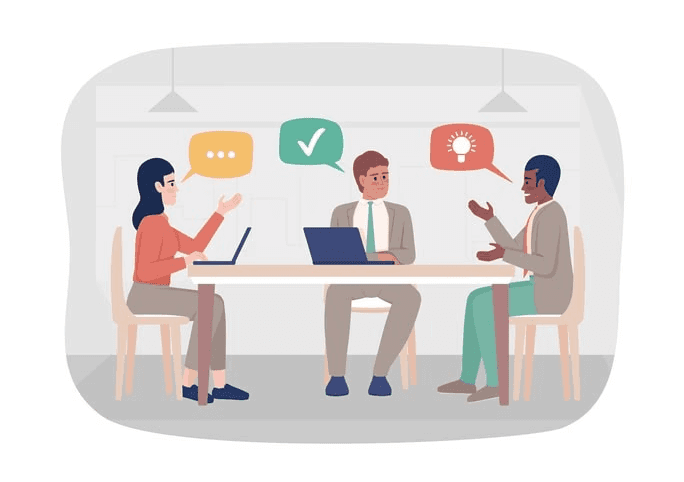
The STAR method provides a clear framework for structuring strong responses to personality interview questions. It helps ensure your answers are specific, relevant, and outcome-oriented.
Situation: Set the context with concise background details so the interviewer understands the environment and constraints.
Task: Explain what needed to be accomplished and clarify your specific responsibility.
Action: Describe the steps you personally took, highlighting decision-making and collaboration where relevant.
Result: Share the outcome and what you learned, using measurable results when possible.
Keep each STAR component concise while still providing enough detail to create a clear narrative. Prepare five to seven adaptable stories that can be applied across multiple personality questions.
The most effective STAR responses demonstrate both technical competence and interpersonal skills. For AI engineers, this may involve explaining how you solved a complex technical problem while managing stakeholder expectations and collaborating effectively with teammates.
Preparing for Personality Interviews in the AI Era
Research company culture through multiple channels, including LinkedIn employee posts, Glassdoor reviews, and company blogs. Understanding the organization’s values, working style, and team dynamics helps you tailor responses that demonstrate cultural alignment.
Understand how AI tools may analyze your responses for consistency and authenticity. While you should not try to game these systems, being aware that answers may be evaluated for patterns can help you maintain coherent themes across questions.
Prepare for both traditional and video interview formats, as many companies now use AI-powered video interviewing platforms. Practice maintaining natural eye contact with the camera and speaking clearly, since these factors may influence automated analysis.
Stay updated on industry trends affecting your target companies, particularly in AI ethics, bias reduction, and responsible development practices. Demonstrating awareness of these topics shows you understand the broader context of your technical work.
Develop a personal brand narrative that aligns with modern workplace values such as inclusion, continuous learning, and ethical technology development. This narrative should be reflected consistently across your personality interview responses while remaining authentic to your experiences.
Consider using AI-powered interview simulation tools to practice your responses and receive feedback on delivery, content, and consistency. These tools can help identify improvement areas and build confidence before real interviews.
Fonzi’s Approach to Bias-Free Personality Assessment
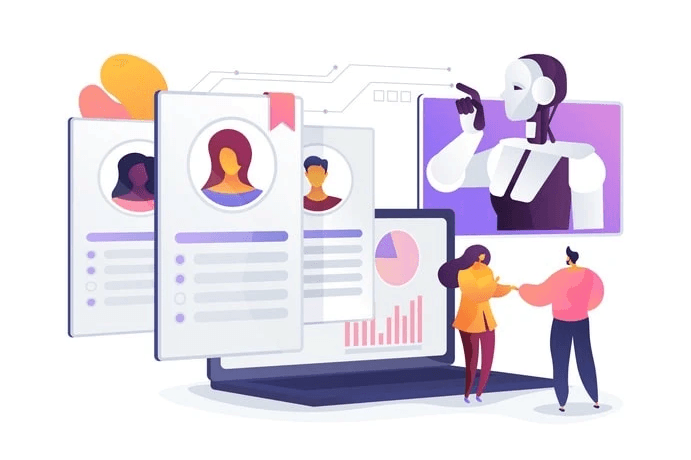
Fonzi’s platform represents an advancement in structured, skills-focused personality and behavioral assessment for technical hiring. Rather than relying on subjective impressions, the system emphasizes job-relevant behaviors, communication patterns, and role alignment, helping companies evaluate candidates more consistently across the hiring process.
Fonzi’s technology analyzes candidate responses and interaction signals in the context of structured evaluation criteria. These insights help hiring teams better understand how candidates communicate, collaborate, and approach problem solving, while reducing reliance on unstructured judgment that can introduce inconsistency or bias.
Transparency is an important part of Fonzi’s approach. Candidates are informed about how assessments are used in the hiring process and how their skills and working preferences factor into matching and evaluation. This clarity helps candidates prepare effectively and understand what companies are prioritizing in their hiring decisions.
Data protection and privacy are treated as core requirements. Candidate information is handled securely and used solely for hiring-related purposes, with controls in place to align with standard data protection expectations and applicable regulations.
Human oversight remains central to Fonzi’s platform. While AI-driven insights support screening and matching, hiring decisions are made by people who can apply context, judgment, and cultural understanding beyond what automated systems alone can provide.
Fonzi is designed to integrate into existing hiring workflows rather than replace them. Recruiters and hiring managers use structured signals and insights to guide interviews and decisions while maintaining direct, human interaction with candidates.
How Match Day Connects You with the Right Opportunities
Fonzi’s Match Day is a structured hiring event that connects pre-screened technical candidates with companies actively hiring for specific roles. The process aligns candidate skills, experience, role preferences, and structured evaluation signals such as communication style, collaboration, and role fit upfront, which reduces mismatched applications and streamlines early-stage hiring.
Candidates complete a single structured evaluation rather than repeating similar interviews across multiple companies. This saves time, ensures consistent representation, and provides feedback that can support future interview preparation and career development.
For employers, Match Day focuses attention on candidates whose skills and working styles align with team needs. This increases the likelihood of productive follow-up interviews and successful placements, improving overall hiring efficiency by reducing noise in the recruiting funnel.
Tips for AI Engineers and Technical Professionals
Emphasize Collaboration Skills
Highlight specific examples of working successfully with cross-functional teams including product managers, designers, data engineers, and business stakeholders. Demonstrate how you’ve contributed to team success while respecting different perspectives and areas of expertise.
Discuss your approach to explaining complex technical concepts to non-technical audiences. This skill is increasingly valuable as AI becomes more integrated into business decision-making processes across industries.
Share examples of mentoring junior developers, leading technical discussions, or facilitating knowledge sharing within your team. These experiences showcase leadership potential and commitment to organizational growth beyond individual contribution.
Showcase Adaptability in Fast-Changing Tech Landscape
Provide concrete examples of new technologies, frameworks, or methodologies you’ve mastered throughout your career. Explain your systematic approach to learning and how you stay current with rapidly evolving AI and machine learning trends.
Describe situations where you’ve successfully adapted to changing project requirements, new technical constraints, or shifting business priorities. Emphasize your ability to maintain quality and productivity during periods of uncertainty.
Discuss your experience working with different programming languages, cloud platforms, or development methodologies. Show how you’ve leveraged this adaptability to contribute to diverse projects and team environments.
Address Ethical Considerations
Share your approach to responsible AI development and deployment, including consideration of bias, fairness, and transparency in technical solutions. This demonstrates awareness of broader societal impacts beyond technical implementation.
Provide examples of situations where you’ve raised concerns about potential ethical implications of AI systems or advocated for more inclusive development practices. This shows moral leadership and commitment to positive technological impact.
Discuss how you balance technical optimization with ethical considerations, showing that you can deliver effective solutions while maintaining high ethical standards throughout the development process.
Red Flags to Avoid in Personality Interview Responses
Never badmouth previous employers, managers, or colleagues, even when describing legitimately challenging situations. Focus on your role in resolving conflicts and what you learned rather than assigning blame or expressing resentment.
Avoid claiming you’re a “perfectionist” without demonstrating genuine self-awareness about how this trait can impact team dynamics and project timelines. If you mention perfectionism, explain how you’ve learned to balance quality with practicality.
Don’t provide generic answers that could apply to anyone or any role. Specificity and personal relevance make your responses more compelling and memorable while demonstrating authentic self-reflection.
Resist the urge to oversell yourself with exaggerated claims about your abilities or accomplishments. Interviewers can usually detect embellishment, and integrity issues can immediately disqualify otherwise strong candidates.
Never claim you have no weaknesses or areas for improvement. This suggests lack of self-awareness and growth mindset, both essential qualities for success in rapidly evolving technical fields.
Avoid discussing controversial political, religious, or social topics unless they’re directly relevant to the role or company mission. Keep the focus on professional competencies and workplace-relevant values.
Don’t speak negatively about teamwork or collaboration, even if you prefer independent work. Modern technical roles require interaction with others, and dismissive attitudes toward collaboration raise significant red flags.
Building Your Personal Brand Through Interview Responses
Develop 3–5 core themes that represent your professional identity and weave them consistently through different personality interview responses. These themes might include continuous learning, ethical technology development, user-focused design, or inclusive team leadership.
Create a coherent narrative that connects your educational background, career choices, and future aspirations. This story should feel natural and authentic while demonstrating intentional professional development and clear goals.
Align your personal values with the company’s mission and culture while remaining authentic to your actual beliefs and priorities. Research company values thoroughly and prepare examples that demonstrate genuine alignment.
Practice articulating your unique value proposition in 60 seconds or less. This skill proves useful for various personality questions and helps you communicate your professional brand clearly and confidently.
Prepare thoughtful questions that demonstrate both your personality and genuine interest in the role and organization. These questions should reflect your values, working style preferences, and career aspirations while showing research and engagement.
Your professional online presence should reinforce the themes you discuss in personality interviews. LinkedIn profiles, GitHub repositories, and portfolio sites should reflect consistent messaging about your professional identity and values.
Conclusion
Personality interview questions give hiring teams insight into how you think, collaborate, and grow, making them just as important as technical assessments in today’s hiring process. For AI engineers and technical professionals, success depends on clearly communicating not only what you can build, but how you work with others, handle pressure, and adapt in fast-changing environments.
By preparing authentic stories, applying structured frameworks like STAR, and aligning your responses with company values, you position yourself as a well-rounded candidate who can contribute both technically and culturally. When you approach personality interviews with intention and self-awareness, they become an opportunity to showcase your professional identity and long-term potential, not just another hurdle in the hiring process.
FAQ
How does AI bias detection in personality interviews actually work?
Should I prepare different personality answers for technical roles versus general positions?
What if my personality assessment results don’t match my self-perception?
How can I show authentic personality while maintaining professionalism?
Is it possible to ‘game’ AI personality assessments during interviews?