Pre-Employment Testing Guide: Types, Legality & Best Practices
By
Liz Fujiwara
•
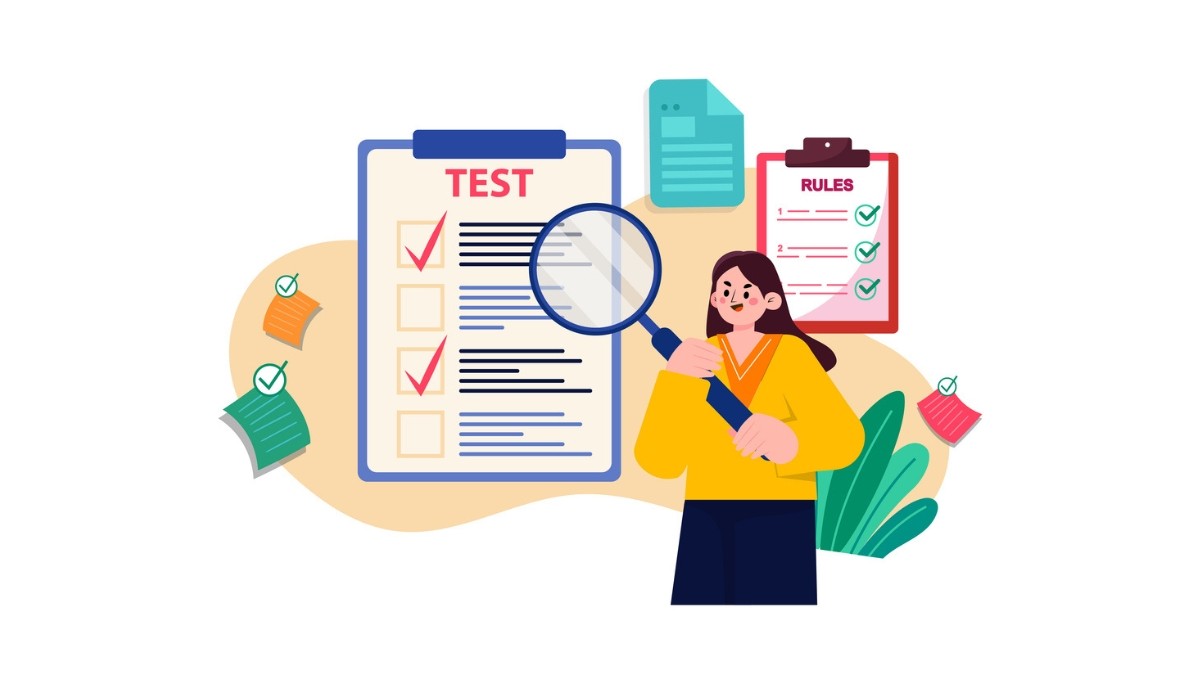
Pre-employment testing has become a critical component of modern hiring strategies as companies seek more accurate, fair, and data-driven ways to evaluate candidates. In competitive tech and AI-driven markets, resumes and interviews alone often fail to predict long-term performance, cultural fit, or retention. Structured assessments help employers reduce costly hiring mistakes, identify high-potential talent earlier, and create more consistent evaluation standards across candidates. As hiring regulations tighten and AI-powered tools become more sophisticated, understanding the different types of pre-employment tests and how to use them effectively is now essential for building strong, compliant, and high-performing teams.
Key Takeaways
Pre-employment testing helps tech companies reduce hiring mistakes and improve retention by using structured assessments such as skills, cognitive ability, personality, job knowledge, emotional intelligence, integrity, and physical ability tests.
All assessments must comply with EEOC guidelines and Title VII regulations to ensure fairness and avoid disparate impact discrimination.
The most effective hiring processes combine multiple assessment types with structured interviews, supported by AI-powered platforms like Fonzi to streamline evaluation and reduce bias.
The Urgent Hiring Crisis Facing Tech Companies in 2026
Tech companies are drowning in resumes while still struggling to find truly qualified candidates. The situation highlights a significant talent shortage that continues to cost organizations in lost productivity, delayed product launches, and increased pressure on existing teams.
The cost of bad hires in the tech sector is substantial when factoring in recruitment efforts, training expenses, lost productivity, and the negative impact on team morale. These costs grow even further when considering the opportunity loss from projects that are delayed, scaled back, or abandoned due to inadequate staffing.
Lengthy time-to-fill challenges compound the problem, with software engineering roles often taking months to hire successfully. During this extended period, existing team members face heavier workloads, increasing the risk of burnout and turnover. This hiring bottleneck can create a self-reinforcing cycle where understaffed teams become even more strained over time.

The skills gap between candidate qualifications and job requirements continues to widen as technology evolves rapidly. Candidates may claim proficiency in programming languages or frameworks, but their actual capabilities often fall short of what modern tech roles demand. Traditional resume screening struggles to identify these gaps effectively, leading to costly hiring mistakes.
Remote work has made cultural fit assessment more difficult than ever. Companies can no longer rely on in-person interactions to gauge whether candidates will thrive in their work environment. This shift requires stronger evaluation of interpersonal skills and new approaches to assessing performance in distributed teams.
What Is Pre-Employment Testing?
Pre-employment tests are standardized assessments used by employers to evaluate candidates’ knowledge, skills, abilities, and other job-related characteristics before making hiring decisions. These tools provide objective data that goes beyond what resumes and traditional interviews can reveal about a candidate’s true potential.
Modern job testing integrates with applicant tracking systems and broader HR technology stacks, creating automated workflows that streamline the hiring process. This allows companies to narrow large applicant pools more efficiently and identify candidates with the specific skills their teams require, which is especially valuable in high-volume recruiting.
The return on investment for well-implemented pre-employment assessments can be significant. Organizations often report lower training costs, stronger job performance among new hires, and higher retention rates. Research consistently shows that employees hired through structured testing programs outperform those selected through traditional methods alone.
The evolution from paper-based assessments to AI-powered digital platforms has transformed candidate evaluation. Today’s systems can assess everything from basic software proficiency to complex problem-solving and emotional intelligence far more efficiently than traditional approaches.
7 Essential Types of Pre-Employment Tests
Understanding the comprehensive assessment approach requires familiarity with seven distinct categories of employment tests, each designed to evaluate specific aspects of candidate suitability and job performance potential.
Skills Assessment Tests
Skills assessment tests are the foundation of technical hiring, evaluating both hard and soft skills required for role success. For programming positions, these assessments measure proficiency in languages like Python, Java, and JavaScript through practical coding challenges that reflect real job tasks.
Soft skills are equally important, especially for collaborative roles, and are often assessed through scenario-based exercises that evaluate communication, problem-solving, and teamwork. Microsoft Office proficiency tests remain relevant for administrative and support roles, confirming candidates can manage spreadsheets, presentations, and databases that support technical teams.
Real-world coding challenges and portfolio reviews provide a clear picture of developer capability by requiring candidates to build features, debug code, or optimize performance. Time-based assignments further assess workflow management, deadline handling, and performance under pressure.
Cognitive Ability Tests
Cognitive ability tests measure core thinking skills that predict success across most tech roles. These assessments evaluate reasoning, pattern recognition, and learning capacity, all critical in fast-changing technology environments.
Problem-solving scenarios simulate real workplace challenges, revealing how candidates break down complex issues and develop solutions. Memory and pattern recognition tests are particularly useful for data analysis, QA, and systems roles, where identifying patterns and anomalies is essential.
Critical thinking assessments are valuable for leadership roles, highlighting decision-making under uncertainty, while processing speed tests identify candidates suited for data-intensive or real-time environments.
Personality Tests
Personality tests offer insight into work style and behavioral tendencies that influence team dynamics and long-term fit. In tech hiring, frameworks like the Big Five focus on traits such as conscientiousness, openness, and emotional stability, which correlate with performance.
As remote and hybrid work expands, personality assessments increasingly evaluate self-motivation, communication preferences, and adaptability to distributed teams. Tools like MBTI and DISC are often used to understand collaboration and communication styles, though they are most effective for team awareness rather than selection decisions.
Modern approaches emphasize culture and culture fit, identifying candidates who align with core values while bringing diverse perspectives that strengthen teams.
Job Knowledge Tests
Job knowledge tests assess specialized expertise required for specific roles, making them critical where prior experience matters. These assessments confirm candidates can contribute quickly without extensive onboarding.
For cybersecurity roles, tests cover threat detection, encryption, and compliance through scenario-based questions. Cloud certification assessments for AWS, Azure, and Google Cloud go beyond credential checks to validate current, practical knowledge.
Compliance testing is essential in regulated industries like fintech and healthcare, while software architecture assessments evaluate senior candidates’ ability to design scalable, maintainable systems. Project management evaluations for Agile, Scrum, and Kanban frameworks further identify candidates who can effectively coordinate technical teams.
Emotional Intelligence Tests
Emotional intelligence tests have become more important as tech companies recognize that technical ability alone does not ensure success in collaborative, high-pressure environments. These assessments evaluate how well candidates understand, manage, and apply emotions in professional interactions.
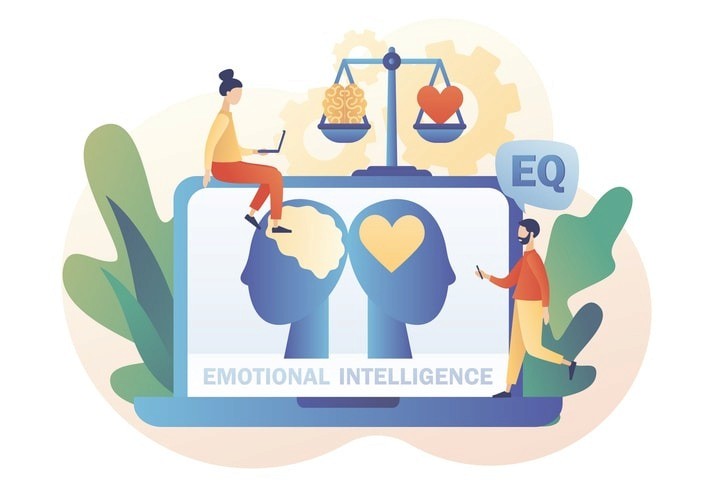
EQ assessments for leadership roles focus on empathy, social awareness, and relationship management, which are essential for guiding teams while balancing performance demands and well-being. For customer-facing roles, empathy evaluations identify candidates who can manage user frustration, communicate clearly, and sustain positive relationships under stress.
Stress management assessments are critical in environments with outages, tight deadlines, and high expectations, revealing who can maintain performance and team stability during crises. Team collaboration and conflict resolution evaluations further assess how candidates navigate interpersonal dynamics, resolve disagreements, and work effectively across diverse, distributed teams.
Integrity Tests
Integrity tests aim to assess the risk of counterproductive behaviors such as policy violations, ethical lapses, or misuse of sensitive information. These assessments are especially important for roles involving financial data, security systems, or confidential customer information.
Overt honesty tests directly evaluate attitudes toward ethics, confidentiality, and rule adherence, while covert personality-based assessments measure traits like dependability and conscientiousness without explicit questioning. Ethics-based scenarios for leadership and compliance roles reveal how candidates balance competing interests and make principled decisions under pressure.
Data security awareness testing has become essential across tech roles, evaluating knowledge of secure practices and threat prevention. While integrity tests cannot predict behavior with certainty, they provide useful indicators of reliability and workplace responsibility.
Physical Ability Tests
Physical ability tests in tech settings focus on whether candidates can safely perform essential job functions rather than general physical strength. While most software roles have minimal physical demands, certain positions require specific capabilities.
Ergonomic assessments evaluate candidates’ ability to work comfortably at a computer for extended periods, reducing injury risk in coding- or data-heavy roles. Vision and hearing tests support quality assurance and multimedia roles where attention to visual and audio detail affects product quality.
Dexterity tests are relevant for hardware, manufacturing, and data center roles that require fine motor skills. Drug screening and medical clearance may also apply to safety-sensitive positions or roles involving regulated industries, client requirements, or international travel.
Legal Compliance and EEOC Guidelines
Understanding legal compliance requirements for job testing is essential for avoiding costly discrimination lawsuits and maintaining fair hiring practices. The legal framework governing employment tests has evolved significantly, with increasing scrutiny on algorithmic bias and assessment fairness.
Title VII of the Civil Rights Act of 1964 prohibits employment discrimination based on race, color, religion, sex, and national origin. This law requires that all pre-employment tests be job related and consistent with business necessity, meaning employers must show assessments measuring skills directly tied to successful job performance.
Americans with Disabilities Act (ADA) accommodation obligations require employers to modify assessment procedures for candidates with disabilities unless doing so creates undue hardship. Common accommodations include extended time limits, alternative formats, assistive technology access, and quiet testing environments that allow equal opportunity to demonstrate relevant skills.
Age Discrimination in Employment Act (ADEA) considerations are especially important when assessments rely on tools or interfaces more familiar to younger candidates. Employers must ensure testing procedures do not unintentionally disadvantage older applicants who may have strong experience but less exposure to certain platforms.
Uniform Guidelines on Employee Selection Procedures (UGESP) outline standards for validating assessment tools and monitoring their impact on protected groups. These guidelines require analysis of selection rates and corrective action when adverse impact is identified.
Recent EEOC enforcement actions have increasingly examined AI-driven assessment tools for potential bias. These cases reinforce that employers remain responsible for discriminatory outcomes even when using third-party testing vendors, highlighting the need for regular monitoring and validation.
How Fonzi’s Multi-Agent AI Revolutionizes Job Testing
Fonzi modernizes how organizations approach pre-employment testing by improving consistency, efficiency, and fairness in hiring workflows. Rather than replacing human judgment, the platform supports recruiters and candidates with structured, data-informed assessment tools.
AI-assisted test creation and customization for technical roles reduces the manual effort required to design role-relevant assessments. Fonzi’s system analyzes job requirements and competency criteria to help generate structured evaluation questions aligned with skills employers are seeking, supporting more consistent measurement across candidates.
Bias monitoring in assessment design supports fairer hiring practices. Fonzi’s technology helps identify potential patterns in assessment outcomes that may require review, enabling hiring teams to refine questions and evaluation criteria to maintain equitable assessment standards.
Integration with existing hiring workflows allows Fonzi to fit into established recruiting processes. The platform connects with applicant tracking systems and hiring tools to streamline assessment delivery, feedback collection, and candidate communication.
Scalable assessment administration supports teams managing higher candidate volumes. Automation enables consistent delivery of assessments across many applicants without increasing administrative workload.
Ongoing system refinement helps improve assessment quality over time. As hiring teams use the platform, insights from outcomes and feedback can be used to adjust evaluation approaches while maintaining fairness and relevance.
Best Practices for Implementing Pre-Employment Testing
Successful implementation of pre employment assessment tests requires systematic planning and ongoing optimization to achieve strong hiring outcomes while maintaining legal compliance and positive candidate experiences. Organizations that follow established best practices consistently see better results from their testing investments.
Job analysis and competency mapping before test selection ensures assessments measure capabilities directly tied to successful job performance. This foundational step involves identifying critical tasks, required knowledge areas, and behavioral competencies that distinguish high performers from average employees in each role.
Pilot testing with current high-performing employees provides baseline data for setting realistic scoring thresholds and validating assessment effectiveness. This approach helps organizations understand how top performers score on selected tests, establish benchmarks for future candidates, and surface potential bias concerns early.
Establishing benchmark scores and cutoff criteria requires statistical analysis of pilot results combined with informed business judgment. Organizations must balance quality-of-hire goals with maintaining sufficient candidate pools while avoiding adverse impact on protected groups.
Training hiring managers on proper test interpretation prevents misuse of assessment results and promotes consistent decision-making. Managers should understand score meaning, test limitations, and how to combine assessment data with interviews and other evaluation methods for a holistic hiring approach.
Regular validation studies to ensure continued effectiveness help organizations maintain legal compliance and optimize testing programs over time. These studies examine correlations between test scores and job performance metrics, identify improvement areas, and provide evidence supporting legal defensibility.
Candidate communication and transparency throughout the process builds trust and supports a positive employer brand. Clear explanations of testing purpose, time requirements, and result usage help candidates understand assessment value while reducing anxiety and improving completion rates.
Data security and privacy protections ensure sensitive candidate information remains confidential and compliant with applicable regulations. Organizations should implement encryption, access controls, and retention policies that protect test data while enabling legitimate business use.
A reasonable accommodations process for disabled candidates requires proactive planning and flexible procedures that ensure equal opportunity without compromising test validity. Organizations should establish clear request workflows, accommodation options, and decision criteria that balance candidate needs with business requirements.
Measuring ROI and Success Metrics
Quantifying return on investment for pre-employment testing requires tracking multiple performance indicators that reflect both cost savings and quality improvements. Organizations that consistently measure program effectiveness can refine their approach and justify continued investment.
Key performance indicators include time-to-fill reduction, cost-per-hire optimization, quality-of-hire improvement, and retention rate increases. Together, these metrics provide a comprehensive view of how assessments impact hiring efficiency and outcomes.
Quality-of-hire and retention improvements represent the most important long-term benefits of effective testing programs. Time-to-fill reduction and cost-per-hire optimization demonstrate immediate efficiency gains from streamlined screening processes.
Manager satisfaction scores with new hire performance provide qualitative validation of testing effectiveness. Regular manager feedback helps determine whether assessment-based hiring delivers stronger performance than traditional methods alone.
Diversity and inclusion impact measurement ensures testing programs support rather than undermine DEI objectives. Organizations should monitor representation across hiring stages and investigate disparities that may signal bias in assessment tools or processes.
Candidate experience feedback and Net Promoter Scores offer insight into how testing affects employer brand perception. Positive assessment experiences can enhance employer attractiveness, while poorly designed tests may discourage high-quality candidates from completing the process.
Future Trends in Employment Testing
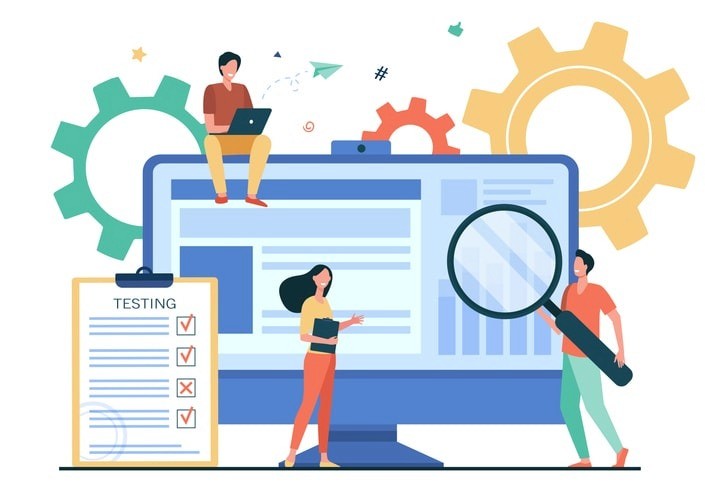
The future of employment testing will be shaped by technological advances that enable more predictive, engaging, and role-relevant assessments. Organizations that adapt early gain advantages in identifying and attracting top talent.
Virtual reality and gamified assessments will increasingly replicate real work environments, allowing candidates to demonstrate problem-solving skills in realistic scenarios while creating more engaging evaluation experiences.
AI-powered video interview analysis will provide deeper insight into communication styles, emotional intelligence, and behavioral indicators. These tools can analyze verbal patterns and delivery cues to support more structured and consistent evaluations.
Blockchain-verified credentials and micro-certifications may improve skill verification while reducing reliance on traditional degree requirements. These systems offer tamper-resistant proof of competencies and ongoing learning progression.
Conclusion
Pre-employment testing has become essential for tech companies aiming to hire more accurately and reduce costly hiring mistakes. When aligned with job-relevant competencies and paired with structured interviews, assessments provide objective insights that resumes and informal interviews alone cannot offer, improving both quality of hire and long-term retention.
As assessment technology advances, organizations must prioritize fairness, legal compliance, and candidate experience alongside efficiency. AI-powered platforms like Fonzi show how testing can scale responsibly by supporting better evaluation design, bias monitoring, and data-informed decisions while preserving human judgment.
FAQ
How long should pre-employment tests take to complete?
Can employers legally reject candidates based solely on test results?
What’s the difference between AI-powered and traditional pre-employment testing?
How do you handle testing accommodations for candidates with disabilities?
What’s the typical cost range for implementing comprehensive pre-employment testing?


